🇹🇷 Türkçe | Sessiz Yaz Akşamlarında Kurulan Ekran Töreni
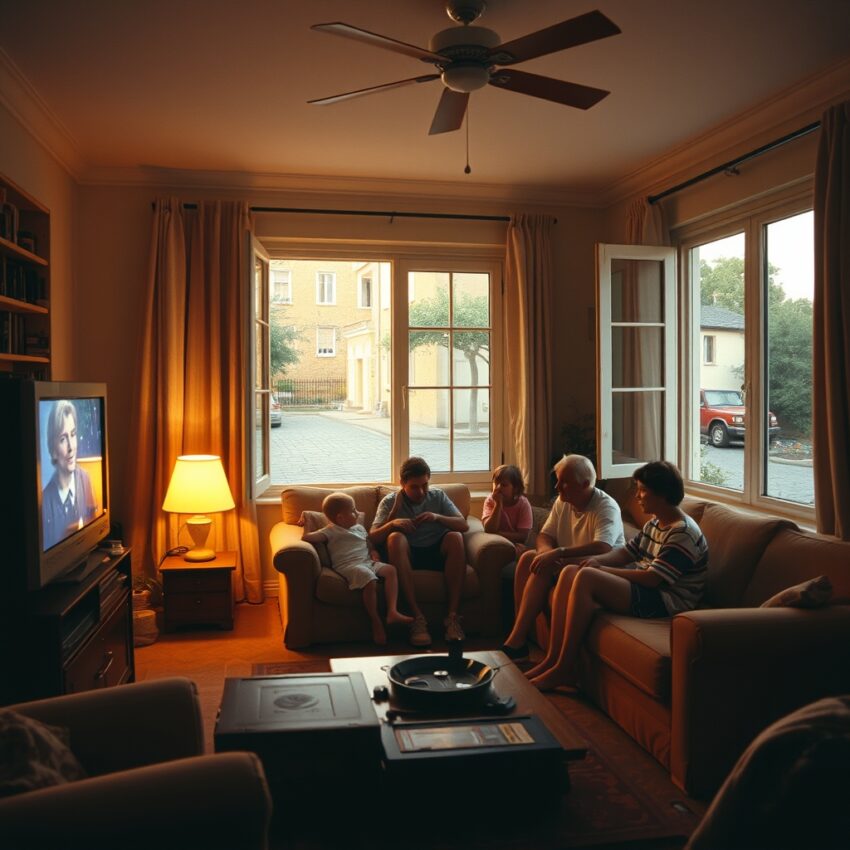
Bir zamanlar bir filmi izlemek, tuşa basıldığı anda başlayan sıradan bir eylem değildi. Özellikle yaz akşamlarında, taş kaldırımlar gün boyu topladığı sıcağı yavaş yavaş salarken, apartmanların açık pencerelerinden televizyon ışığı kadar insan sesi de sokağa taşardı. Aile salonunda toplanmak, minderleri düzeltmek, sehpanın üstünü kola bardakları ve çekirdek tabaklarıyla hazırlamak, video kasetin kutusunu dikkatle açmak başlı başına bir hazırlık ritüeliydi. O sessiz heyecan, film başlamadan önce bile evin içine sinerdi. Video oynatıcıya kaseti yerleştirmek, cihazın kapağının tok bir sesle kapanmasını dinlemek ve ekranda görüntünün belirene kadar geçen birkaç saniyeyi birlikte beklemek, eski şehir hayatında teknolojinin gündelik hayata nasıl törensel bir anlam kattığını gösterirdi.
Teknoloji Mirası açısından video oynatıcı, yalnızca görüntü aktaran bir cihaz değil, zamanı ailece paylaşmanın aracıdır. Televizyon zaten evde vardır; ama video oynatıcı eve seçilmiş bir akşam, beklenmiş bir hikâye ve planlanmış bir birliktelik getirirdi. Hangi kasetin izleneceği konuşulur, kapağındaki fotoğraflara uzun uzun bakılır, bazen komşudan ödünç alınan kasetin etiketi okunur, bazen de geri sarılıp sarılmadığı kontrol edilirdi. Bir tuşa basmak, bugünkü kadar görünmez bir hareket değildi; çünkü cihaz mekanik olarak cevap verirdi. Kasetin içeri çekilişi, kısa bir uğultu, ekranda beliren mavi boşluk ve sonra yavaş yavaş gelen görüntü, teknolojinin ev içinde duyulan ve hissedilen varlığıydı. Çocuklar o ânı büyülenmiş gibi izler, büyükler ise bu küçük hazırlığın verdiği ciddiyetle salonda yerini alırdı.
Bu küçük törenin mahalle ve mevsimle de ilgisi vardı. Yaz akşamları açık pencereler yüzünden içeride izlenen şey, dışarıdaki hayattan bütünüyle kopamazdı. Taş kaldırımlarda top oynayan çocukların son sesleri, çekirdek kabuklarının tabağa düşüşü, uzaktan gelen dondurmacı zili ya da komşu balkonundan yükselen kısa bir selam, salondaki film akşamına karışırdı. Böylece video oynatıcı kullanmak, yalnız aile içi değil, sokakla da ilişkili bir ritüele dönüşürdü. Teknoloji burada insanı yalnızlaştıran değil, aynı odaya toplayan bir nesneydi. Kumandayı kimin tutacağı, filmin nerede durdurulacağı, reklamsız izleme duygusunun nasıl bir lüks sayıldığı, o günlerin ev içi hafızasına ince ayrıntılar olarak yerleşti.
Bugün geriye bakıldığında video oynatıcıya yüklenen törensel anlamın nedeni biraz da kıtlık duygusudur. Her şey her an erişilebilir olmadığında, izleme deneyimi daha hazırlıklı, daha dikkatli ve daha ortak yaşanır. Kasetin başa sarılması, görüntünün kimi zaman cızırdaması, bazen bandın hafifçe bozulması bile o akşamın parçası olurdu. Kimse kusursuzluk beklemezdi; tam tersine, o küçük aksaklıklar teknolojinin evcilleşmiş yüzünü gösterirdi. Salonda toplanan ailelerin sessiz heyecanı bu yüzden unutulmazdır: film kadar, film başlamadan önce kurulan düzen de hatırlanır. Taş kaldırımlar boyunca sessiz bir yaz akşamına karışan bu görüntü, eski şehir hayatında seyretmenin neden tek başına değil, birlikte yaşanan bir tören olduğunu anlatır.
🇬🇧 English | The Screen Ritual Built on Quiet Summer Evenings
There was a time when watching a film was not an ordinary act that began the moment a button was pressed. Especially on summer evenings, when stone pavements slowly released the heat they had gathered throughout the day, the glow of television light and the murmur of voices drifted from apartment windows into the street. Gathering in the living room, straightening the cushions, preparing the coffee table with glasses of soda and plates of sunflower seeds, and opening the plastic case of a videotape with care all belonged to a ritual of preparation. The quiet excitement settled inside the house even before the film began. Sliding the cassette into the video player, hearing the firm sound of the lid closing, and waiting together through the few seconds before the image appeared showed how technology once gave daily life a ceremonial meaning.
From the perspective of technological heritage, the video player was not merely a device that transmitted images, but a tool for sharing time as a family. The television was already in the house; what the video player brought was a chosen evening, an anticipated story, and an intentional togetherness. People discussed which tape to watch, studied the pictures on the cover, sometimes read the handwritten label of a cassette borrowed from a neighbor, and sometimes checked whether it had been rewound. Pressing a button was not as invisible a gesture as it is today, because the machine answered physically. The tape being pulled inward, the brief mechanical hum, the blue emptiness on the screen, and then the image slowly forming were all ways technology announced its presence in the home. Children watched the moment with fascination, while adults took their places with the seriousness that such a small preparation seemed to deserve.
This little ceremony also belonged to the neighborhood and to the season. Because the windows stayed open on summer evenings, what was watched indoors never fully detached from life outside. The final shouts of children playing ball on the stone streets, the sound of seed shells falling into a bowl, the bell of an ice-cream seller in the distance, or a quick greeting from a nearby balcony all entered the film night in the living room. In that way, using a video player became a ritual connected not only to the family, but to the street itself. Technology here was not an isolating object; it was something that gathered people into one room. Who would hold the remote, where the film would be paused, and how luxurious it felt to watch without commercial interruption all became fine details in domestic memory.
Looking back now, the ceremonial value attached to the video player came partly from scarcity. When not everything was available at every moment, watching demanded more preparation, more attention, and a stronger sense of sharing. Rewinding the tape, hearing the image crackle, or noticing the band distort slightly did not ruin the evening; those flaws were part of it. No one expected perfection. On the contrary, those small imperfections showed the domesticated face of technology. That is why the quiet excitement of families gathered in the living room remains unforgettable: people remember not only the film, but also the arrangement built before it began. Blending into a silent summer evening along the stone pavements, that image explains why viewing in old urban life was not a solitary act, but a ceremony lived together.
🇧🇷 Português (Brasil) | O Ritual da Tela Montado nas Noites Silenciosas de Verão
Houve um tempo em que assistir a um filme não era um gesto comum que começava no instante em que se apertava um botão. Principalmente nas noites de verão, quando as calçadas de pedra devolviam lentamente o calor acumulado ao longo do dia, a luz da televisão e o som das vozes escapavam das janelas abertas dos apartamentos para a rua. Reunir a família na sala, arrumar as almofadas, preparar a mesa de centro com copos de refrigerante e pratos de sementes torradas, abrir com cuidado a caixa da fita de vídeo, tudo isso fazia parte de um ritual de preparação. A expectativa silenciosa já tomava conta da casa antes mesmo de o filme começar. Colocar a fita no videocassete, ouvir o som firme da tampa se fechando e esperar em conjunto os poucos segundos até a imagem surgir mostrava como a tecnologia podia dar um sentido cerimonial à vida cotidiana.
Do ponto de vista do legado tecnológico, o videocassete não era apenas um aparelho que transmitia imagens, mas um instrumento para compartilhar o tempo em família. A televisão já existia na casa; o que o videocassete trazia era uma noite escolhida, uma história aguardada e uma convivência planejada. Conversava-se sobre qual fita seria vista, observavam-se demoradamente as fotos da capa, lia-se às vezes a etiqueta escrita à mão de uma fita emprestada do vizinho, e conferia-se se ela tinha sido rebobinada. Apertar um botão não era um gesto invisível como hoje, porque o aparelho respondia fisicamente. A fita sendo puxada para dentro, o breve zumbido mecânico, o azul vazio da tela e depois a imagem aparecendo aos poucos eram formas concretas de a tecnologia se anunciar dentro de casa. As crianças olhavam esse momento com fascínio, enquanto os adultos ocupavam seus lugares com a seriedade discreta que aquela pequena preparação pedia.
Essa pequena cerimônia também pertencia ao bairro e à estação. Como as janelas ficavam abertas nas noites quentes, o que se via na sala nunca se separava completamente da vida lá fora. Os últimos gritos das crianças jogando bola na rua de pedra, o som das cascas caindo no prato, o sino distante do vendedor de sorvete ou um cumprimento rápido vindo da varanda ao lado entravam na noite de filme. Assim, usar um videocassete se transformava num ritual ligado não apenas à família, mas também à própria rua. A tecnologia, ali, não isolava; reunia pessoas no mesmo cômodo. Quem ficaria com o controle remoto, em que ponto o filme seria pausado e como parecia luxuoso assistir sem interrupções comerciais tornavam-se detalhes finos da memória doméstica.
Hoje, olhando para trás, entende-se que o valor cerimonial do videocassete vinha também de uma certa escassez. Quando nem tudo estava disponível a qualquer instante, assistir exigia mais preparo, mais atenção e um senso maior de partilha. Rebobinar a fita, ouvir um chiado na imagem ou perceber uma leve falha na gravação não arruinava a noite; tudo isso fazia parte dela. Ninguém esperava perfeição. Pelo contrário, essas pequenas falhas mostravam o rosto domesticado da tecnologia. É por isso que a silenciosa excitação das famílias reunidas na sala continua inesquecível: lembra-se não só do filme, mas da ordem construída antes que ele começasse. Misturada a uma noite silenciosa de verão ao longo das calçadas de pedra, essa imagem explica por que assistir, na antiga vida urbana, não era um ato solitário, mas uma cerimônia vivida em conjunto.