🇹🇷 Türkçe | tepsi böreği ve okul dönüşü tabağa ilk uzanan kaşık: aile tarifleri içinde neden özel bir yere sahip
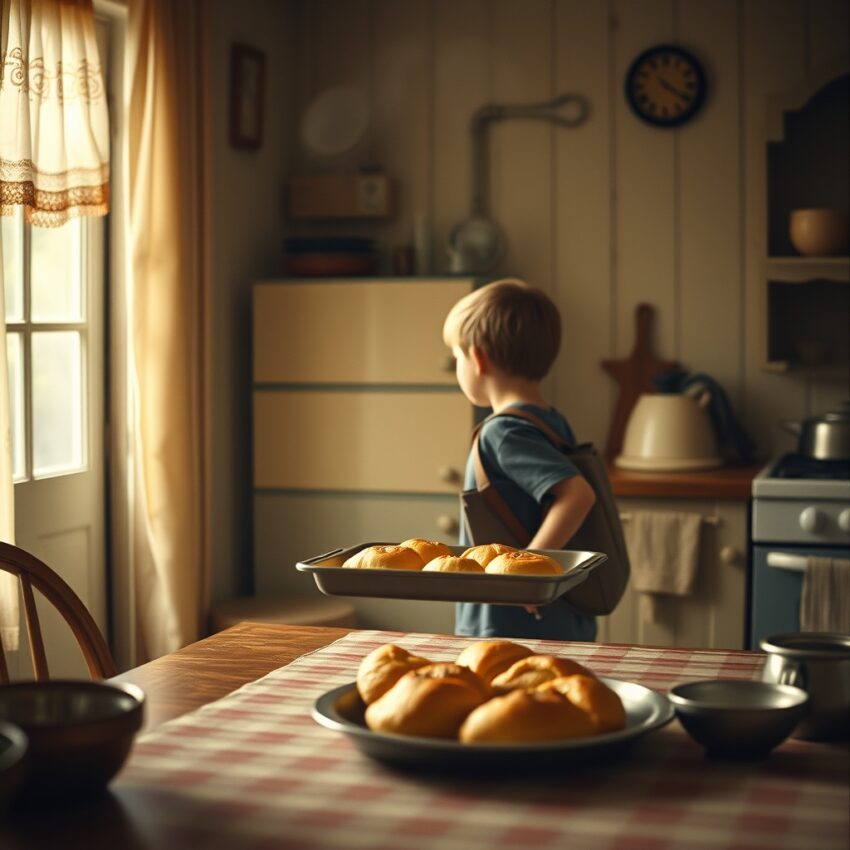
Bazı yemekler yalnız tadıyla değil, eve dönüş duygusuyla hatırlanır. Tepsi böreği de özellikle okul dönüşü saatlerinde tam böyle bir anlam taşırdı. Apartman merdivenlerinden ya da avlulu evlerin taşlıklarından içeri giren çocuk, daha kapı açılmadan mutfaktan gelen tereyağı, yufka ve iç harç kokusunu alırdı. Tepsinin fırından yeni çıkmış sıcaklığı, masaya konurken duyulan çıtırtı ve tabakta ilk uzanan kaşığın aceleciliği, günün yorgunluğunu bir anda dağıtırdı. Börek yalnız karın doyurmaz; çocuğun gün boyu dışarıda kalmış bedenini ve dağılmış zihnini yeniden evin ritmine alırdı. Bu yüzden aile tarifleri içinde özel bir yere sahip olması şaşırtıcı değildir. Onun değeri, malzemesinden çok karşılama gücünde saklıdır.
Damak Hafızası açısından tepsi böreği, eski mutfak kültürünün hem pratik hem de cömert yüzünü gösterir. Yufkanın kat kat dizilmesi, aralarına yağ gezdirilmesi, peynirli, kıymalı ya da patatesli harcın dengeli biçimde yayılması, üzerine yoğurtlu ya da sütlü karışım sürülmesi, mutfakta ustalık kadar ölçü duygusu da isterdi. Tepsi böreği, tek kişilik değil paylaşmalık bir yemektir; dilimlendikçe çoğalır, sofraya geldikçe evi kalabalıklaştırır. Bu yüzden aile tarifleri arasında yalnız bir lezzet olarak değil, bereket duygusunun taşıyıcısı olarak da yer edinir. Eski evlerde ani misafire de, okuldan aç dönen çocuğa da, akşam işten yorgun gelen büyüğe de aynı içtenlikle uzatılabilirdi.
Okul dönüşü tabağa ilk uzanan kaşık ifadesi de bu yemeğin duygusal yerini iyi anlatır. Çocuk çantasını bir kenara bırakır, ellerini yıkadıktan sonra mutfağa yönelir ve çoğu zaman börek daha tam soğumadan ilk payı isterdi. Bu sahnede yemek kadar bekleyiş de önemlidir. Anne “biraz dinlensin” derken çocuk tepsinin kenarından yükselen kokuyu izler, sofranın hazırlanmasını sabırsızlıkla beklerdi. İlk lokma alındığında yalnız açlık giderilmez; okulun gürültüsünden eve taşınan mesafe kapanırdı. Aile tariflerinin unutulmamasının nedeni biraz da budur. Onlar yalnız sofraya gelen yemekler değil, günün dağılmış parçalarını yeniden bir araya getiren küçük düzenlerdir.
Tepsi böreğinin özel yerinin bir başka nedeni kuşaktan kuşağa aktarılmasıdır. Hangi yufkanın daha iyi sonuç verdiği, iç harca maydanozun ne zaman konacağı, üzerinin nasıl kızartılacağı, tepsinin altına yağlı kâğıt serilip serilmeyeceği gibi küçük bilgiler, aile içinde sessizce dolaşır. Her ev aynı böreği yapmaz; kimi daha kalın katlı sever, kimi ince ve çıtır, kimi tepsiye süt gezdirir, kimi sade tutar. Ama değişmeyen şey, böreğin ev içi devamlılığı temsil etmesidir. Okuldan dönen çocuk büyür, sonra başka bir kuşak aynı kokuyla eve girer. Tarif böylece sadece mutfakta değil, aile zamanında da yaşamaya devam eder.
Bugün hazır yiyeceklerin kolaylığı arttıkça tepsi böreğinin niçin hâlâ bu kadar sevgiyle anıldığı daha iyi anlaşılıyor. Çünkü o, hızın değil hazırlığın yemeğidir. Yufkanın sesi, fırının ısısı, tepsinin ağırlığı ve ilk kaşığın sabırsızlığı, ev hayatının yavaş ama güvenli ritmini hatırlatır. Bir dilim tepsi böreği bazen çocukluğu, bazen okul çıkışını, bazen de mutfakta geçirilen sessiz öğleden sonralarını geri getirir. Aile tarifleri içinde özel bir yer taşımasının nedeni tam da budur: yalnız lezzet sunmaz, eve dönmenin en sıcak biçimlerinden birini korur.
🇬🇧 English | Tray Borek and the First Spoon Reaching Toward the Plate After School: Why Does It Hold a Special Place Within Family Recipes?
Some foods are remembered not only for their taste, but for the feeling of returning home that accompanies them. Tray borek held exactly that meaning, especially in the hours after school. A child climbing the stairs of an apartment building or stepping into the stone courtyard of an old house could often smell butter, pastry sheets, and filling from the kitchen before the door even opened. The warmth of the tray fresh from the oven, the slight crackle as it was set on the table, and the impatience of the first spoon reaching toward the plate could dissolve the fatigue of the day at once. Borek did more than satisfy hunger. It drew the child’s body, tired from hours outside, and the mind, scattered by the school day, back into the rhythm of the house. That is why it holds a special place among family recipes. Its value lies less in ingredients than in its power of welcome.
As taste memory, tray borek shows both the practical and the generous side of old kitchen culture. Laying the pastry sheets one by one, brushing them with oil, spreading cheese, minced meat, or potato filling evenly, and finishing with a yogurt or milk mixture required not only skill, but a sense of balance. Tray borek is never a food for one person alone. It multiplies as it is sliced and makes a house feel fuller as it reaches the table. For that reason it holds its place among family recipes not simply as a flavor, but as a bearer of abundance. In older homes it could be offered with the same sincerity to an unexpected guest, a hungry child returning from school, or an exhausted adult arriving from work in the evening.
The image of the first spoon reaching toward the plate after school captures the emotional place of this dish very well. The child set the schoolbag aside, washed their hands, and hurried toward the kitchen, often asking for the first portion before the borek had fully cooled. In that scene, waiting mattered as much as eating. While the mother said, “let it rest a little,” the child watched the aroma rising from the edge of the tray and waited impatiently for the table to be set. With the first bite, more than hunger was answered. The distance carried home from the noise of school quietly closed. This is one reason family recipes are never truly forgotten. They are not merely foods served at the table, but small forms of order that gather the scattered pieces of the day.
Another reason tray borek holds such a special place is the way it passes from one generation to another. Small pieces of knowledge move quietly through the family: which pastry sheets give the best result, when parsley should be added to the filling, how the top should brown, whether the tray should be lined first. No two homes prepare it in exactly the same way. Some prefer thicker layers, some a thin and crisp finish, some pour milk over the top, some keep it simple. Yet one thing does not change: borek represents continuity inside the home. The child coming back from school grows up, and later another generation enters through the same smell. In that way the recipe continues to live not only in the kitchen, but within family time itself.
Today, as convenience foods become easier, it is easier to understand why tray borek is still remembered with such affection. It is a food of preparation rather than speed. The sound of the pastry, the heat of the oven, the weight of the tray, and the impatience of the first spoon all recall the slow but secure rhythm of domestic life. A single slice can bring back childhood, the walk home from school, or the quiet afternoons once spent in the kitchen. That is exactly why it holds a special place among family recipes. It offers not only flavor, but one of the warmest forms of coming home.
🇧🇷 Português (Brasil) | Börek de Assadeira e a Primeira Colher que Alcançava o Prato na Volta da Escola: Por que Ocupa um Lugar Especial Entre as Receitas de Família?
Algumas comidas são lembradas não só pelo sabor, mas pela sensação de voltar para casa que as acompanha. O börek de assadeira tinha exatamente esse significado, sobretudo nas horas de retorno da escola. A criança subindo as escadas do prédio ou entrando pelo pátio de pedra de uma casa antiga muitas vezes sentia, antes mesmo de a porta se abrir, o cheiro de manteiga, massa folhada e recheio vindo da cozinha. O calor da assadeira recém-saída do forno, o leve estalo ao ser colocada na mesa e a pressa da primeira colher alcançando o prato desfaziam o cansaço do dia de imediato. O börek fazia mais do que matar a fome. Trazia de volta para o ritmo da casa o corpo cansado da rua e a mente espalhada pelo dia escolar. É por isso que ocupa um lugar especial entre as receitas de família. Seu valor está menos nos ingredientes do que na força com que acolhe.
Como memória de sabor, o börek de assadeira mostra o lado prático e também generoso da antiga cultura de cozinha. Colocar as folhas uma a uma, espalhar gordura entre elas, distribuir com equilíbrio o recheio de queijo, carne moída ou batata e finalizar com uma mistura de iogurte ou leite exigia não só habilidade, mas também senso de medida. O börek de assadeira nunca é uma comida para uma única pessoa. Ele se multiplica quando é cortado e faz a casa parecer mais cheia quando chega à mesa. Por isso, seu lugar entre as receitas de família não se explica apenas pelo gosto, mas também pela ideia de fartura que carrega. Nas casas antigas, podia ser oferecido com a mesma sinceridade a uma visita inesperada, a uma criança faminta voltando da escola ou a um adulto cansado chegando do trabalho.
A imagem da primeira colher alcançando o prato na volta da escola resume muito bem o lugar afetivo desse prato. A criança largava a mochila num canto, lavava as mãos e ia apressada até a cozinha, muitas vezes pedindo a primeira porção antes de o börek esfriar por completo. Nessa cena, esperar era tão importante quanto comer. Enquanto a mãe dizia “deixa descansar um pouco”, a criança seguia o cheiro que subia da borda da assadeira e esperava com impaciência a mesa ficar pronta. Com a primeira mordida, não era só a fome que se resolvia. A distância trazida para casa desde o barulho da escola se fechava em silêncio. É por isso que as receitas de família nunca são esquecidas de verdade. Elas não são apenas comidas servidas à mesa, mas pequenas formas de ordem que juntam novamente as partes dispersas do dia.
Outra razão para o börek de assadeira ocupar um lugar tão especial está na forma como passa de geração em geração. Certos saberes circulam em silêncio dentro da família: que massa dá melhor resultado, em que momento a salsa deve entrar no recheio, como dourar a superfície, se a assadeira precisa ou não ser forrada antes. Nenhuma casa faz exatamente igual. Algumas preferem camadas mais grossas, outras um resultado fino e crocante, algumas espalham leite por cima, outras mantêm tudo mais simples. Mas uma coisa não muda: o börek representa continuidade dentro do lar. A criança que volta da escola cresce e, mais tarde, outra geração entra pela mesma porta guiada pelo mesmo cheiro. Assim, a receita continua viva não só na cozinha, mas também no próprio tempo da família.
Hoje, quanto mais aumentam os alimentos prontos e rápidos, mais fácil fica entender por que o börek de assadeira ainda é lembrado com tanto carinho. Ele é uma comida da preparação, e não da pressa. O som da massa, o calor do forno, o peso da assadeira e a impaciência da primeira colher fazem voltar o ritmo lento, mas seguro, da vida doméstica. Um pedaço de börek pode trazer de volta a infância, a volta da escola ou as tardes silenciosas passadas na cozinha. É exatamente por isso que ele ocupa um lugar especial entre as receitas de família. Não oferece apenas sabor, mas uma das formas mais quentes de voltar para casa.