 Eski Pano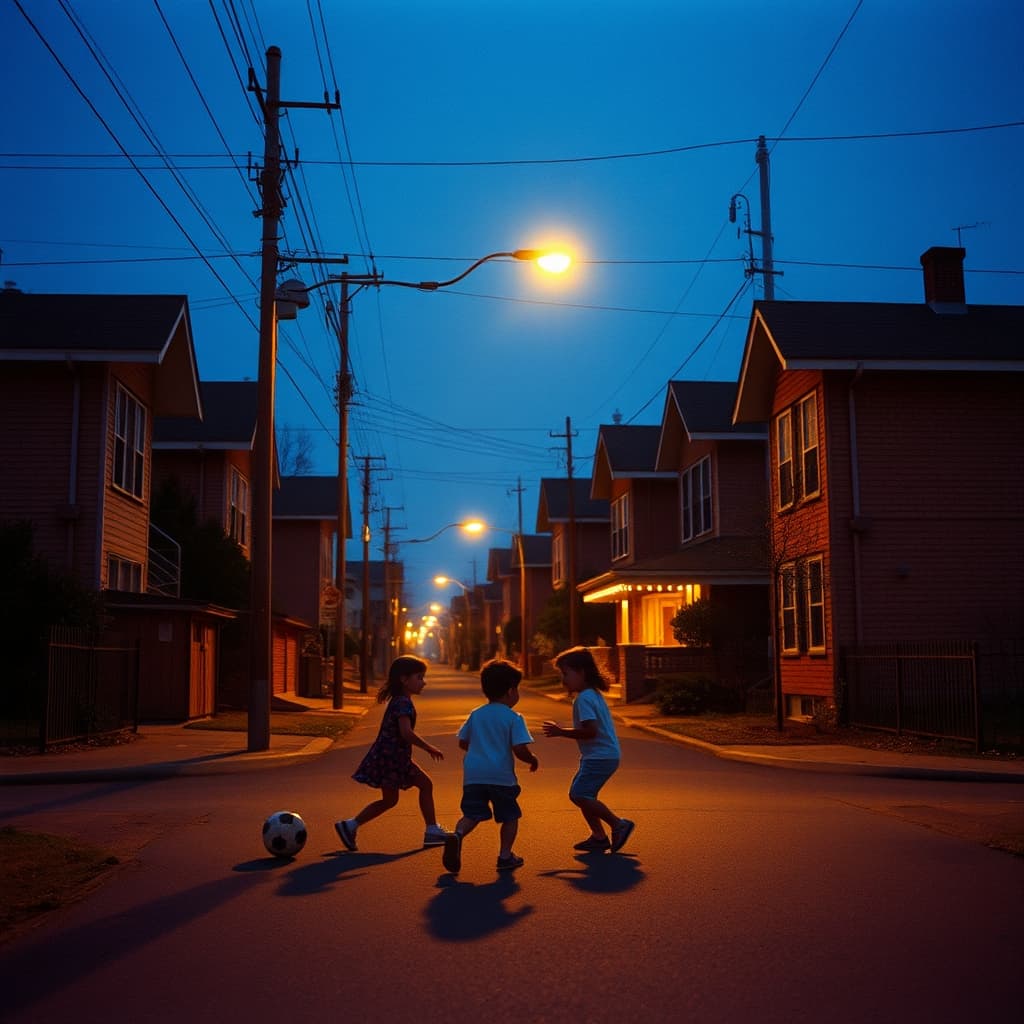
Games That Lasted Beneath the Streetlamp begins with an ordinary detail, yet ordinary details often carry the strongest cultural memory. A familiar room, a repeated route, a household object, or a small shared pleasure can outlast the setting in which it first mattered. The scene is not a fixed historical document; it is a way of noticing how people made time, company, and care from what was available to them. In that sense, the memory belongs both to those who lived it directly and to later readers who recognise its human scale.
The Rhythm Hidden in Everyday Life
Daily rituals rarely announce their importance while they are happening. Someone prepares a place, waits for a sound, chooses a familiar object, or pauses for a conversation. Repetition gives these gestures their force. It creates an expectation that an evening, a meal, a message, or a visit will have a recognisable shape. Cultural memory preserves this rhythm not because the past was simpler, but because repetition lets a community attach feeling to time.
Objects That Keep a Human Trace
The material world is central to this story. Surfaces show use, tools require care, and rooms collect the sounds of people passing through. Such evidence should be approached with care: a private recollection is not proof of every historical claim. Still, it can reveal how historical conditions were felt. A worn handle, a warm lamp, a paper wrapper, or a familiar scent can show how technology, work, and domestic life met in practice.
Memory Without a Perfect Past
Remembering warmly does not require romanticising. Earlier routines could involve inconvenience, limited resources, tiring labour, and expectations unevenly shared within families. An honest cultural account allows those realities to remain visible. It asks who performed the work, who had access to comfort, and how neighbours or relatives supported one another. This attention makes the remembered scene more credible and more generous than a polished image of yesterday.
What the Scene Offers Today
When readers compare these details with their own experience, the past becomes a conversation rather than a display. One person may recall the sound, another the smell, and another may understand the scene through a relative's story. That exchange gives memory a continuing life. Games That Lasted Beneath the Streetlamp therefore matters not only as nostalgia, but as an invitation to notice the small acts that connect private life to a wider social world.
There is also room for uncertainty in this kind of recollection. Details may vary between people and places, yet that variation is part of its value. It shows that shared culture is made through many individual lives. By listening carefully, we can preserve the texture of a scene without pretending that one memory speaks for everyone.
There is also room for uncertainty in this kind of recollection. Details may vary between people and places, yet that variation is part of its value. It shows that shared culture is made through many individual lives. By listening carefully, we can preserve the texture of a scene without pretending that one memory speaks for everyone.
There is also room for uncertainty in this kind of recollection. Details may vary between people and places, yet that variation is part of its value. It shows that shared culture is made through many individual lives. By listening carefully, we can preserve the texture of a scene without pretending that one memory speaks for everyone.