 Eski Pano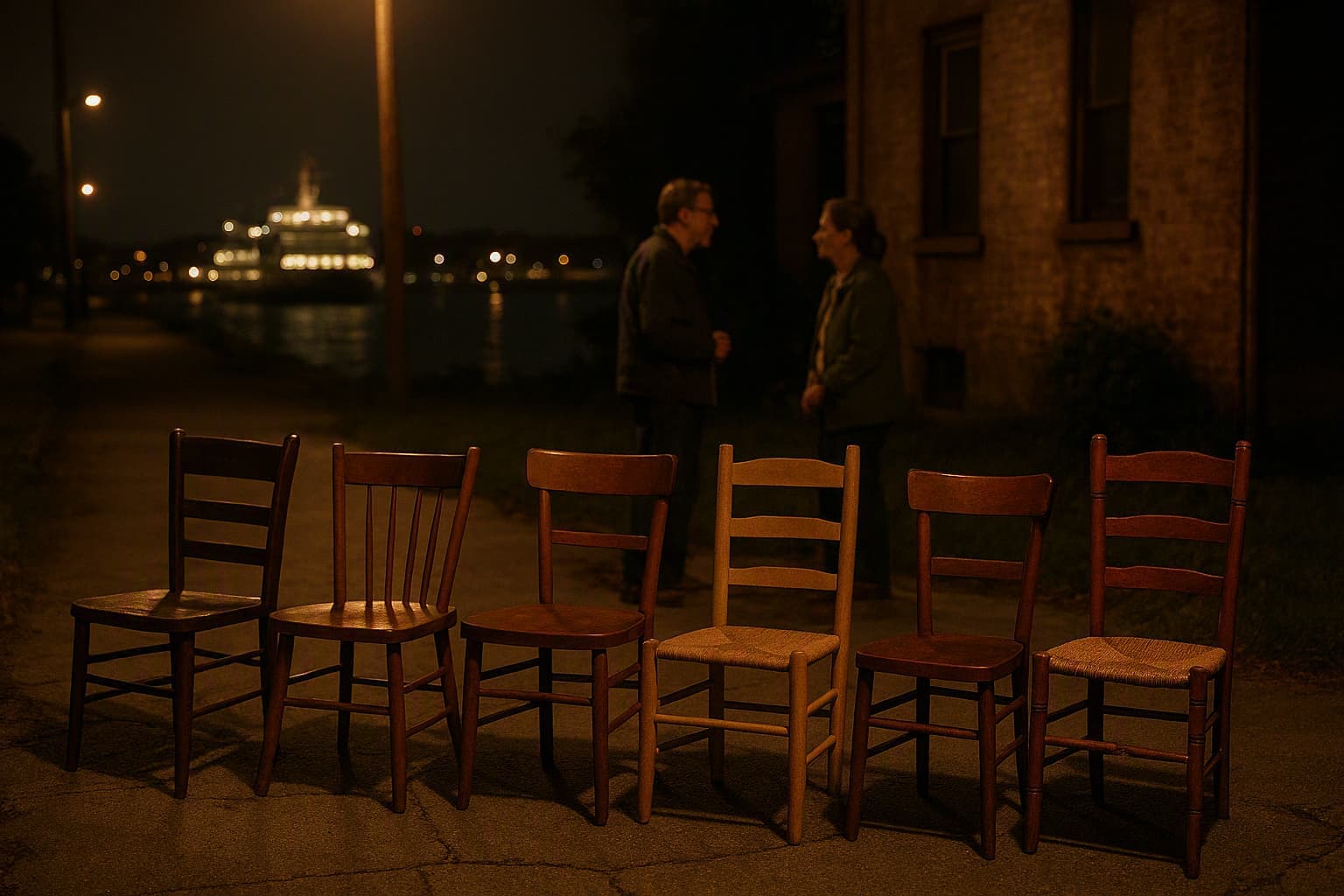
Sidewalk Chair Order And The Heart Of Old City Life begins with a scene where an ordinary detail holds more than it first appears to hold. There is the sidewalk chair row, surrounded by streets, rooms, windows, tables, neighbours, and the unhurried gestures that once made daily life feel shared. In memories of sidewalk chair order in old city life, the past remains vivid because people gave small rituals enough attention to become common signs.
The emotional texture lives in light, sound, scent, waiting, and touch. It is found in the way people paused, looked, listened, carried, repaired, tasted, or sat together. The object does not matter because it was rare. It matters because it gathered people at the same hour and gave them a reason to recognise one another inside ordinary time.
The Ritual That Made It Memorable
Around sidewalk chair order in old city life, families and neighbours learned a quiet lesson about belonging. A public ceremony, a radio, a bottle, a market bag, a festival street, a television, a family dish, or a sidewalk chair could become a small stage for shared feeling. The scene taught patience without announcing itself as a lesson. It simply asked people to stay long enough for the moment to gather meaning.
Eski Pano follows these modest traces because they show culture at human scale. Official history names dates, devices, foods, and customs, but daily memory remembers who waited, who smiled, who carried the bag, who adjusted the antenna, who opened the cabinet, who offered a plate, and who moved a chair closer to the conversation. That smaller record is often the one that survives most warmly.
Why It Still Speaks
Modern life still has rituals, but many of them are hidden in private screens, fast deliveries, quiet appliances, and individual schedules. The older memory of sidewalk chair order in old city life speaks because it was visible. People could see care happening. They could hear the sound, smell the food, notice the light, and join the pause. Visibility turned simple use into community.
Looking back at the sidewalk chair row, the useful inheritance is not a command to rebuild the past exactly. It is an invitation to notice how ordinary objects become memory when they pass through many hands and many expectations. If today’s small habits can be shared with that much attention, they too can become warm evidence of a lived time.
That is why the scene still feels close. It keeps a practical tenderness: the belief that public squares, family tables, apartment fronts, shop windows, old devices, and simple food can carry emotional history. The memory asks us to look carefully before such everyday rituals vanish into the background.
There is also a quiet lesson about scale. Large feelings did not always need large events. A light, sound, taste, chair, curtain, screen, bag, or plate could be enough to gather people into the same moment and make that moment last.
There is also a quiet lesson about scale. Large feelings did not always need large events. A light, sound, taste, chair, curtain, screen, bag, or plate could be enough to gather people into the same moment and make that moment last.