 Eski Pano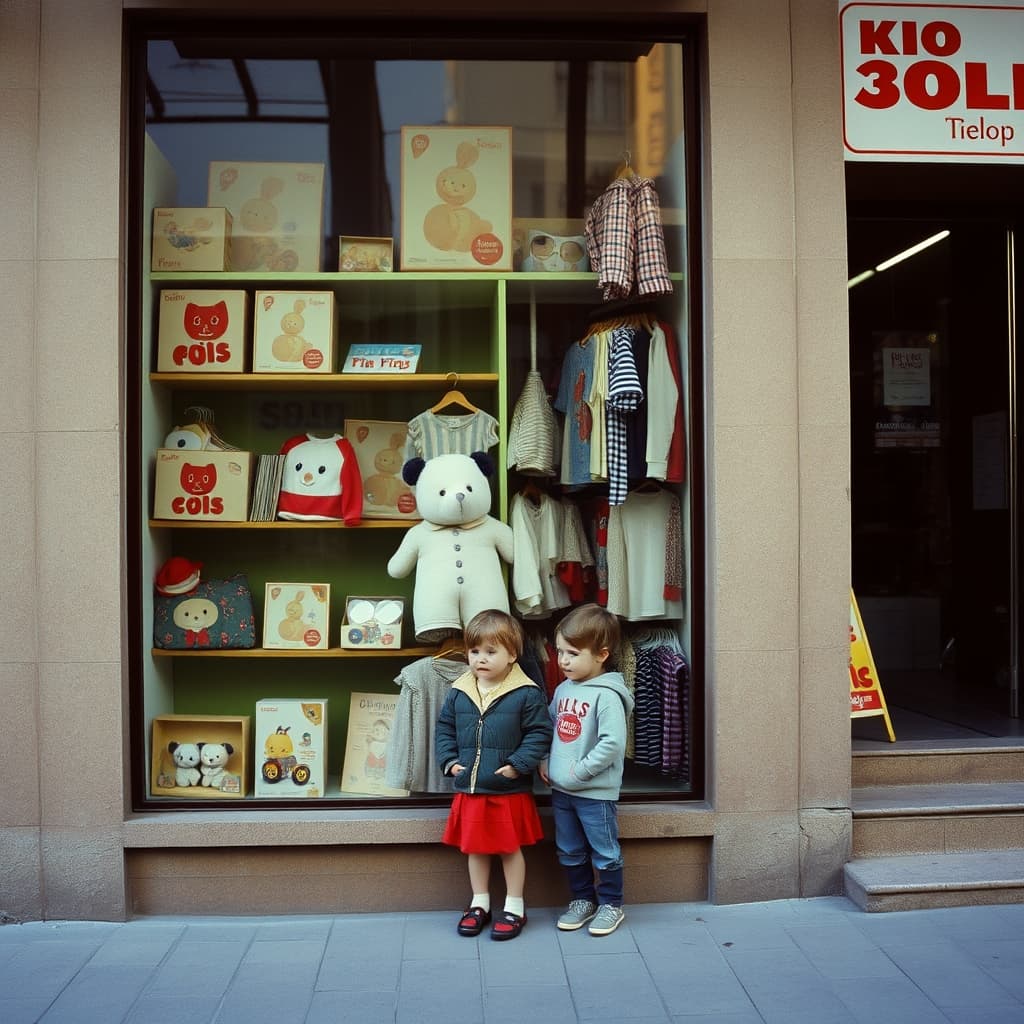
The same shop window could give a walk a different ending on two successive visits. A coat had moved, a toy no longer stood at the front, or a new object occupied the place where someone had paused last time. Window-shopping was entertainment partly because the street could be revisited without being exactly repeated. The route stayed familiar while the view behind the glass changed.
This was not only the pleasure of seeing something expensive or new. Recognising an alteration gave the walker a small role: they had noticed, remembered and compared. After school or during another regular journey through the çarşı, that comparison could become the reason to slow down. The shops did not need to be entered for the walk to acquire a point of interest.
The Missing Object Could Be the First Thing Noticed
A person looking for yesterday’s display might notice an absence before seeing its replacement. The item could have been sold, moved inside or simply repositioned. The window alone could not establish which. A remembered disappearance should therefore remain a change in the view unless a shop record or a witness supplies the explanation.
The vacant place also reveals how a viewer had organised the scene. Perhaps they remembered the centre, the lowest shelf or the object closest to the pavement. Another walker could recall something entirely different. The display was shared, but attention was not. Comparing such recollections can show how one pane held several private landmarks.
A New Arrangement Changed the Way People Stopped
Moving an object higher or placing several pieces together could alter what was visible from a child’s height. A display that caught an adult’s attention might be partly hidden from someone smaller. Looking was a bodily activity as well as a visual one, shaped by where the person stood and what the street allowed them to see.
A companion could point out a change and bring the group to a halt. Someone else might keep walking, forcing the observer to choose between another moment at the glass and catching up. This tiny negotiation gave a window walk its pace. It was not the limitless browsing offered by a catalogue; it happened within an actual journey with other people.
The Shopkeeper and the Walker Kept Different Calendars
To a shopkeeper, a new arrangement might belong to stock, sales or the work of keeping a display presentable. To the returning walker, it could mark the interval since their last visit. Those calendars met at the glass without necessarily matching. A change remembered beside the school bell should not be dated as a school promotion without further evidence.
The work behind the change could be overlooked precisely because the result seemed effortless. Someone selected, carried and arranged the objects before the walker arrived. Photographs taken at different times can reveal that work indirectly, but they need dates and a verified location. Similar shopfronts can otherwise become one remembered window in a later account.
Repeated looking also had commercial edges. A desired object remaining out of reach could make the walk disappointing rather than delightful. The possibility of returning without buying did not remove differences in income or the feeling of being watched. These experiences belong beside the pleasure, especially when an archive gathers accounts from several viewers.
A changed shop window made the city worth looking at again. Its small surprises rewarded familiarity: the walker knew enough of yesterday’s arrangement to see what today had altered. Preserving that comparison keeps window-shopping close to its actual movement through the street. It was an outing made from pauses, remembered positions and the knowledge that the same pane might offer another scene on the next walk.