 Eski Pano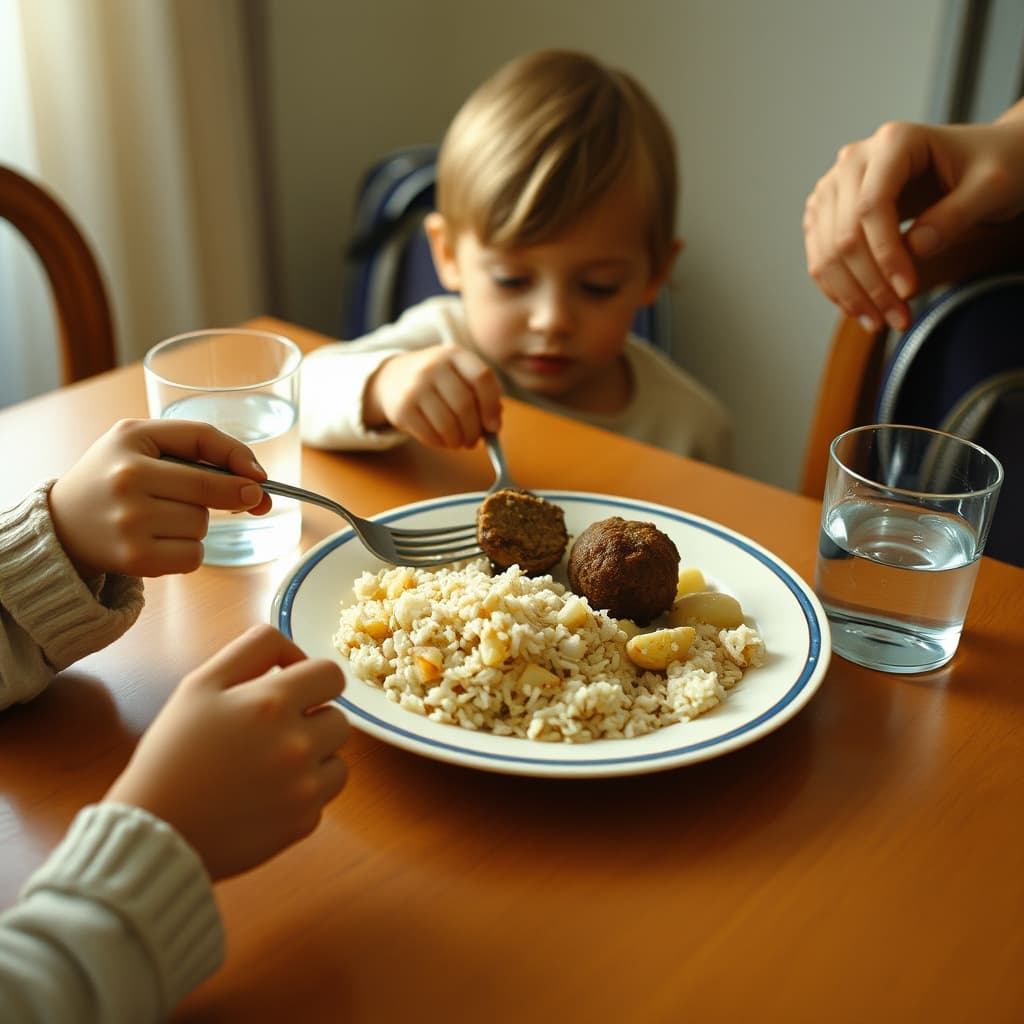
The first utensil reaching toward an after-school plate did not always choose the köfte itself. It might gather a little rice, touch a piece of potato or divide a meatball before taking a bite. The plate was recognised as a whole arrangement. For a hungry child returning home, the kitchen’s character appeared in how the familiar meal had been put together.
Anne köftesi, often called mother’s köfte, names a domestic association rather than one fixed formula. Ingredients, size, shape and cooking methods differ between households. Nor was every such plate prepared by a mother. The cook should be named when known, while the remembered family term can remain part of the account without assigning all the work to one idealised figure.
A Familiar Shape Helped the Plate Speak First
Before tasting, a diner could notice whether the köfte was flattened, rounded or made in small pieces. A familiar outline helped set an expectation of what would happen when it was cut or bitten. That expectation came from repeated meals, not from a universal standard of what homemade köfte should look like.
Two plates made with similar ingredients could still differ in the way the pieces sat together. Their size affected which one a child reached for and how it was divided. A smaller piece might be taken whole while a larger one was opened first. These gestures belong to the serving arrangement and deserve attention alongside the recipe.
The Accompaniments Changed the First Mouthful
Rice, bread, potatoes or another side could change the balance of a bite. A diner might taste the köfte alone and then combine it, or carry several parts of the plate together from the start. The same meatball could therefore be remembered differently according to what accompanied it.
The household’s choice of sides reflected available food, preference and the meal being assembled. It should not be assigned to a season solely because the article has a publication date. A specific family account may establish a recurring pairing; without one, different arrangements can be described as possibilities rather than a single inherited custom.
Cutting Revealed Another Part of Recognition
The first division showed the inside and how the piece held together. Some köfte could separate readily; others kept a firmer shape. The contrast between surface and centre contributed to the remembered texture, but appearance alone cannot establish the exact mixture or method used.
A person recalling a particular cook’s köfte may remember softness more clearly than measurements. A recipe notebook and the cook’s account can explain preparation where available. Neither should be replaced by an invented ingredient list that merely sounds plausible. Sensory description is useful in its own right when its limits remain clear.
Not Every Child Arrived at the Same Moment
School dismissal, the journey and household work affected when a diner met the plate. One child could sit down while another was still on the way. The cook might serve immediately or bring the meal together later. These differences shaped temperature, hunger and the company at the table.
The work behind the first bite could remain out of sight: preparing the mixture, arranging the sides and clearing the space where the school bag had landed. Asking who did each task gives the memory a kitchen rather than only a plate. It also allows a family’s division of work to appear without assuming it was always fair or effortless.
The first after-school bite made a particular home kitchen recognisable through several details at once. A shape, a side dish and a way of serving met the appetite brought back from the street. Remembering them together keeps anne köftesi from becoming a generic promise of comfort. It remains the meal of a specific household, with a cook, an arrangement and a returning child whose first choice on the plate was their own.