 Eski Pano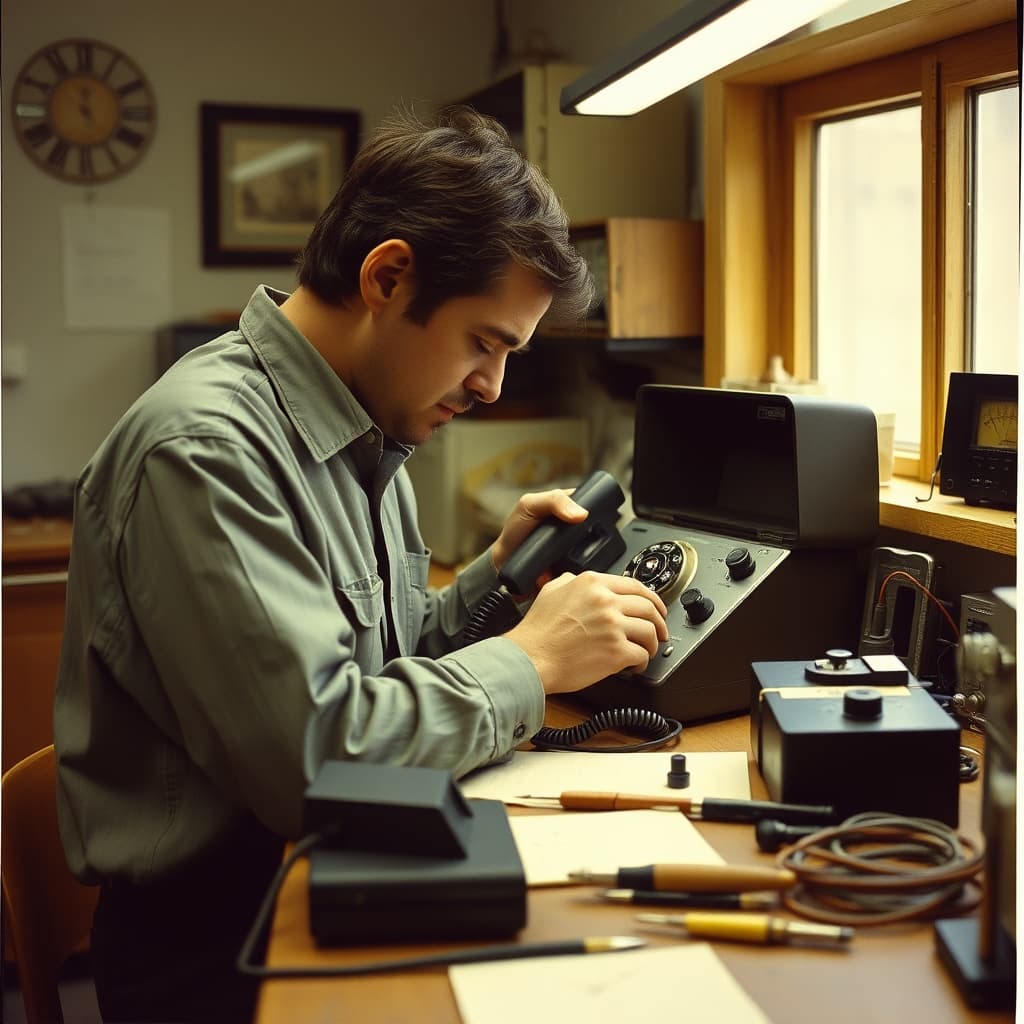
A rotary phone made conversation visible before a voice was heard. The finger wheel returned with a measured click, the cord looped across a table, and each call began with a physical sequence. When the instrument failed, neighbourhood repairers often knew where to look first.
Patience Inside the Casing
Repair work gave ordinary technology a longer social life. A loose wire, worn contact, or tired bell could be tested and adjusted rather than immediately replaced. The craft depended on experience, simple tools, and an understanding that a telephone was woven into family news, appointments, and daily reassurance.
Today a rotary phone may look ornamental, but its appeal comes from more than form. It recalls a culture of maintenance in which objects were opened, understood, and returned to use. That second life was not only mechanical; it preserved a familiar route between people.
The Details That Give Memory Its Shape
For a cultural editor, the value of this subject is not that every household, street, or decade looked alike. Its value is that ordinary routines leave durable traces. A sound, a smell, a tool, or the particular pause before an activity begins can survive in recollection long after the original setting has changed. anteni çevirdikçe netleşen umut ve çevirmeli telefon: tamircilerin elinde neden ikinci bir ömür bulduğunu açıklıyor cam buğusunun ardından gündüzden geceye uzanan ritimle belongs to this kind of memory. It is best approached as a scene made from many small acts rather than as a single, universal story.
That distinction matters. Documents can establish dates, technologies, and public changes, while family stories tell us how those changes were felt at a table, on a stairway, or during an evening walk. Neither kind of evidence needs to cancel the other. Together they make a fuller account of daily life: one that respects facts and also notices the emotional labour of making a home, keeping a connection, or passing time with others.
Objects, Places, and Repeated Gestures
Everyday culture becomes visible through repeated gestures. Someone opens a door, adjusts a dial, carries a dish, cleans a surface, or waits for a familiar sound. These actions are small, but they create a social rhythm. The object or place at their centre is never merely a prop. It gathers fingerprints, habits, repairs, expectations, and the quiet knowledge of how a family or neighbourhood works. This is why modest material details can be so evocative in an archive.
The category Teknoloji Mirası / Tech Heritage / Herança Tecnológica encourages us to look carefully rather than nostalgically. The past included inconvenience, uneven resources, and work that could be tiring or unseen. Remembering it honestly means allowing warmth and difficulty to stand together. A polished version of yesterday is less useful than a textured one, where care, improvisation, and change are all present.
What Remains After the Scene
When readers recognise a detail from their own lives, recognition can open a conversation across generations. One person may recall the sound, another the smell, and another may have no direct memory but understand the gesture through a relative's story. In this way, cultural memory is not a museum case sealed against the present. It is a shared practice of asking what ordinary life required, what it offered, and why certain details continue to matter.
That is the lasting meaning of this subject. It invites us to slow down, notice the human scale of a familiar scene, and carry its lesson forward without claiming that the past was simple. The memory remains valuable because it connects private experience to a wider social world.