 Eski Pano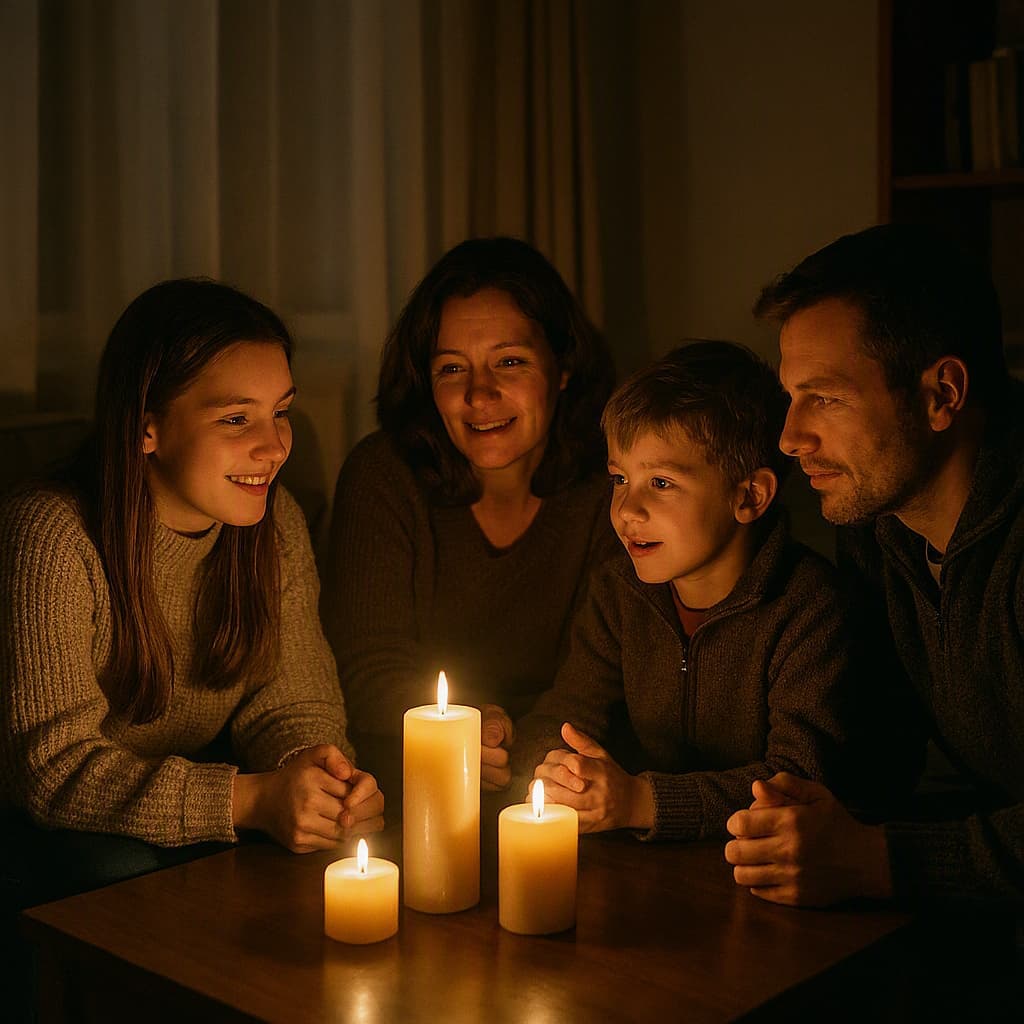
Power Cuts And The Winter Conversations That Grew Longer begins with a scene where ordinary life becomes easier to hear. There is the candlelit table, surrounded by rooms, windows, stairs, tables, tools, and the patient gestures that once made daily time feel shared. In memories of winter power cuts making conversations longer, the past remains vivid because people did not need a special occasion to gather around a sound, a smell, a craft, a habit, or a sweet expectation.
The strongest texture is matches, wool blankets, silent televisions, tea glasses, and voices growing clearer as the room grew darker. These details carry the emotional grain of the moment. They keep nostalgia from becoming too polished and bring it back to the practical world of matches, antennas, pedals, bottles, spices, and hands that knew what to do before anyone explained. The memory is tender because it is useful. It belongs to things that helped people pass through the day.
The Shared Habit That Stayed
Around winter power cuts making conversations longer, people learned the habit of listening when the house slowed down. The lesson came through repetition rather than instruction. A candle was lit, a knob was turned, a foot pressed metal into rhythm, a bell arrived at the doorway, or a dessert slowly filled the house with scent. These acts were small, but they gave the day a shape that others could recognise and join.
Eski Pano follows these scenes because they show culture working at the scale of a household and a street. Official history may record utilities, devices, trades, deliveries, or recipes, but daily memory remembers the dark room becoming talkative, the boombox finding a station, the machine keeping time under the table, the milk bottle waiting by the door, and the quince turning red in syrup.
Why It Still Matters
Today many of these rhythms have changed. Power cuts are treated as failures to be solved quickly, music is private, craft parts become collectibles, deliveries arrive without a familiar bell, and desserts can be bought without the slow perfume of preparation. Yet the candlelit table still speaks because it remembers a form of attention that was bodily, social, and patient. It reminds us that useful things can teach emotional habits.
The old scene is not valuable because everything was easier. It included inconvenience, cold, waiting, repairs, and work. Its value lies in the way those limits made people notice one another. Darkness extended conversation. Static made listening active. A treadle connected body and labour. A bell turned delivery into trust. A dessert gave the household one scent to share.
Looking back at winter power cuts making conversations longer, the useful inheritance is the recovery of shared attention. If ordinary objects today can again become points where people pause, listen, help, taste, and remember together, then the present can build its own durable tenderness. That is the quiet lesson held by this small memory.
There is also a gentle discipline here. Around winter power cuts making conversations longer, people accepted that waiting was not empty. It made room for conversation, tuning, movement, delivery, and scent. That room is what memory protects.