 Eski Pano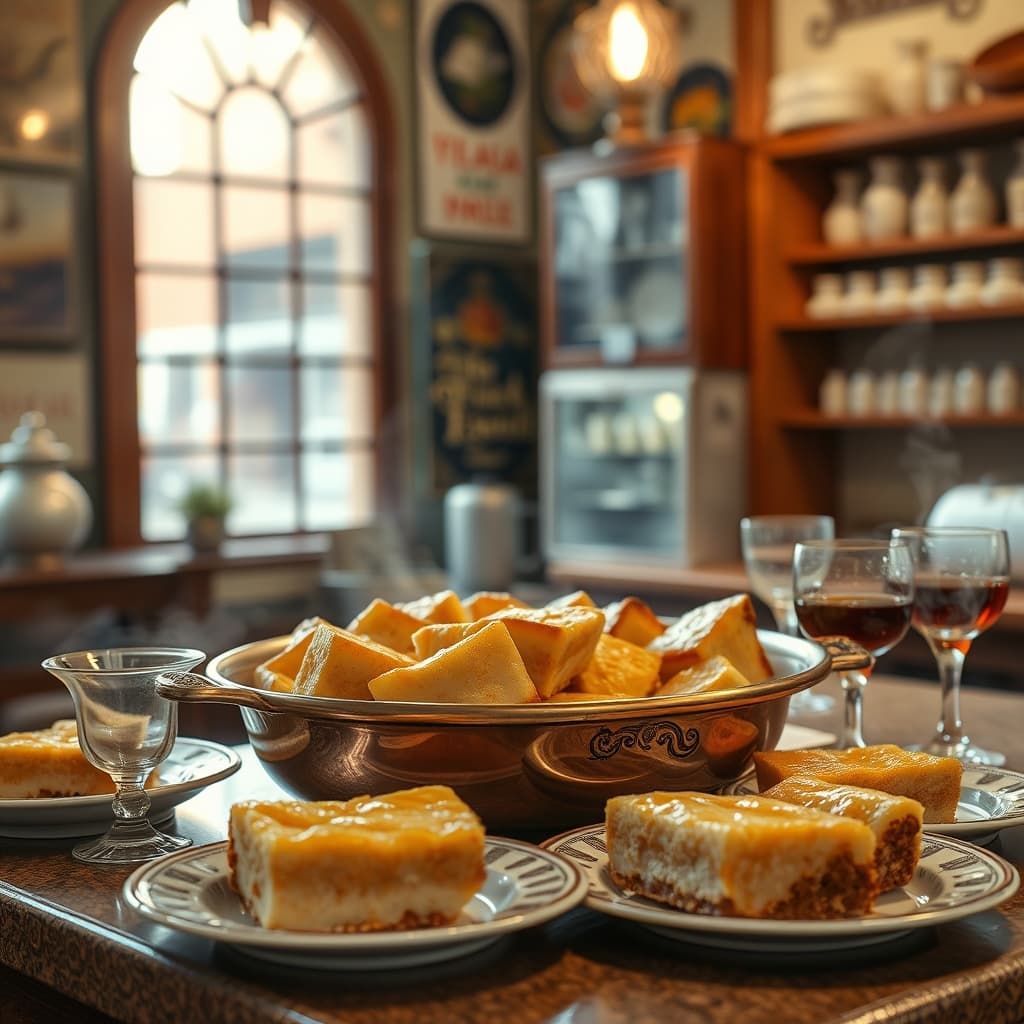
Kazandibi at a neighborhood pudding shop arrived with a contrast that made the first spoonful memorable: cool, soft milk pudding against a browned, caramelized surface. The server cut or rolled a portion from a large tray, revealing the dark underside and pale interior. Customers judged not only sweetness but the balance between toasted flavour and bitterness, firmness and creaminess, surface and centre.
Recipes and professional methods vary. Milk, sugar, starches, rice flour, flavorings, tray preparation, heat source, and finishing technique differ by shop and household. Kazandibi is historically associated with milk pudding and a deliberately browned base, but claims about one original formula require evidence. Modern home versions may reproduce the contrast using equipment unlike a commercial pudding kitchen.
The Burnt Surface Was Controlled, Not Accidental
Creating the base required even distribution and close timing. Too little heat produced a pale layer; too much introduced harsh bitterness or sticking that prevented clean service. Tray material, burner, pudding thickness, sugar, and cooling all changed the result. Experienced workers read colour and aroma across a large surface rather than relying on one clock.
Commercial consistency depended on preparation before service. Milk was received and stored, ingredients measured, trays cooked and cooled, portions planned, counters cleaned, and unsold stock managed. The polished shop window hid early hours, heavy pots, heat, and repetitive washing. Crediting this labor makes the dessert’s refinement more credible.
The Shop and Family Recipe Met at the Table
A child might compare every homemade version with the neighborhood shop, while a family cook adjusted sweetness, thickness, or browning to household taste. Recipes travelled through observation, cookbooks, apprentices, and conversation, but commercial details could remain guarded. Difference did not mean failure. The home pan and shop tray served different numbers, equipment, and expectations.
Portioning also shaped memory. A plate shared by siblings, a parcel carried home, or a single serving after an errand attached kazandibi to specific routines. Price determined frequency. The dessert’s special place came partly from not appearing every day, even when the shop was nearby.
Milk Requires Unromantic Care
Dairy desserts require clean handling, controlled cooking, prompt cooling, refrigeration, and protection during display and transport. A browned surface does not preserve the pudding beneath it. Current food-safety guidance should determine shelf life. Milk allergies and dietary needs must be taken seriously, and ingredients should be confirmed rather than guessed.
An archive can record shop equipment, tray dimensions, heat source, serving tools, prices, packaging, workers, and family adaptations. Receipts, advertisements, municipal records, photographs, and interviews can establish dates and ownership. Kazandibi keeps old kitchen culture alive not by remaining unchanged, but by preserving a demanding relationship among milk, heat, timing, skilled labor, and the neighborhood counter where generations learned what the desired contrast should taste like. The serving plate, spatula, and parcel material also shaped the experience. A thin metal tool could release the browned layer cleanly, while travel softened or shifted a portion. Customers eating at the shop and families opening a parcel at home therefore encountered different textures from the same tray.