Eski Pano
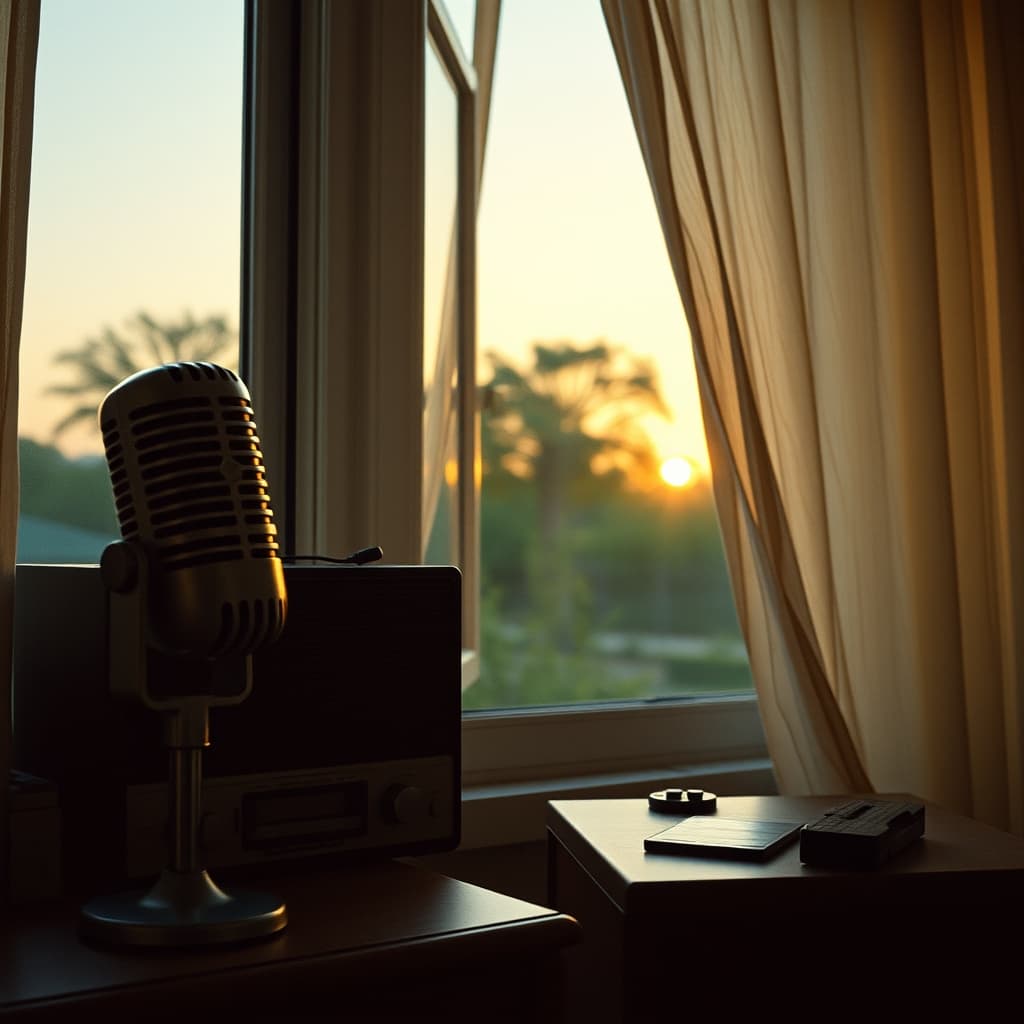
Some devices sit in the corner of a room yet produce not only sound, but a way of waiting. Microphone cassette decks are remembered that way. Especially on evenings near the end of summer, when a mild coolness entered through a half-open window and curtains moved only slightly, the antenna on the device would be turned with care. The moment a radio signal escaped its static and became clear, it felt as if not only the song but life itself had sharpened a little. At such times, the exact second to press the record button, whether the favorite track could be caught before the announcer interrupted, and whether the blank cassette was turning properly all became important. The machine stopped being an ordinary piece of electronics. It became a household companion standing on the thin line between hope and habit.
As technological heritage, the microphone cassette deck was one of the most personal instruments of analog recording culture. Cassette players had already entered many homes, but once a microphone was added, the device offered not only listening but intervention. A person could record a beloved song from the radio, leave their own voice inside the tape, prepare a small homemade program with a sibling, or preserve speeches from weddings and family gatherings. This is part of what is meant by hope becoming clear as the antenna turned: taking a sound scattered in the air and drawing it closer to one's own life. Tuning the frequency correctly was a modest success, because sound was not simply given. It had to be found, adjusted, and patiently awaited. Using the deck therefore taught not only a technical skill, but also an emotional rhythm.
To understand why this habit left such a lasting mark in the late-summer breeze, it is enough to look at scenes inside the home. A small group often gathered around the device placed on a side table near the balcony door. One person checked which side of the tape remained empty, another remembered which radio program was about to begin, and another lifted the microphone to murmur a few test words. Children laughed with surprise when they heard their own voices played back from tape for the first time. Teenagers carefully planned mixed cassettes made from favorite songs. Older relatives protected the silence with a warning not to let the announcer talk over the recording. Even the light click at the start, the creak of a chair, or a street vendor calling in the distance later remained not as flaws, but as truthful marks of the period.
Part of the reason this habit left such a simple yet deep trace is that the device slowed people down. Unlike today's digital recordings, copied instantly with a single touch, the cassette deck demanded attention. The tape had to be wound, the empty space checked, the batteries or power connection considered, and the sound level monitored. That preparation made listening and recording feel more valuable. One did not merely consume a song; one waited for it. During that waiting, the antenna was turned a little farther, the voice behind the hum was searched for, and once it was captured, the moment felt like a small victory. Perhaps this is where the feeling of hope grew most strongly. To separate a beloved sound from invisible waves gave order and joy to ordinary life. Technology was remembered not as something cold, but with a domestic patience.
Today many of those decks may sit silently on upper shelves, inside boxes, or on secondhand stalls. Yet they are not forgotten, because what they left behind was not only a device, but a feeling of time. The sound becoming clear as the antenna turned also clarified a person's own eagerness. Filling a cassette beside an open window at the end of summer may not have seemed like one of life's grand events. That is exactly why it became so precious. A simple household activity carried not only the sound that was recorded, but also the emotions that escaped recording: waiting, catching, missing, trying again. The reason the days of the microphone cassette deck remain alive is hidden there. They remind us that technology sometimes leaves its deepest mark not through spectacular innovation, but through a quietly spinning tape and an antenna turned by hand.
The Days of the Microphone Cassette Deck: Why Was a Habit Growing with Hope That Cleared as the Antenna Turned Never Forgotten, Leaving a Simple Yet Deep Trace in the Late-Summer Breeze?