 Eski Pano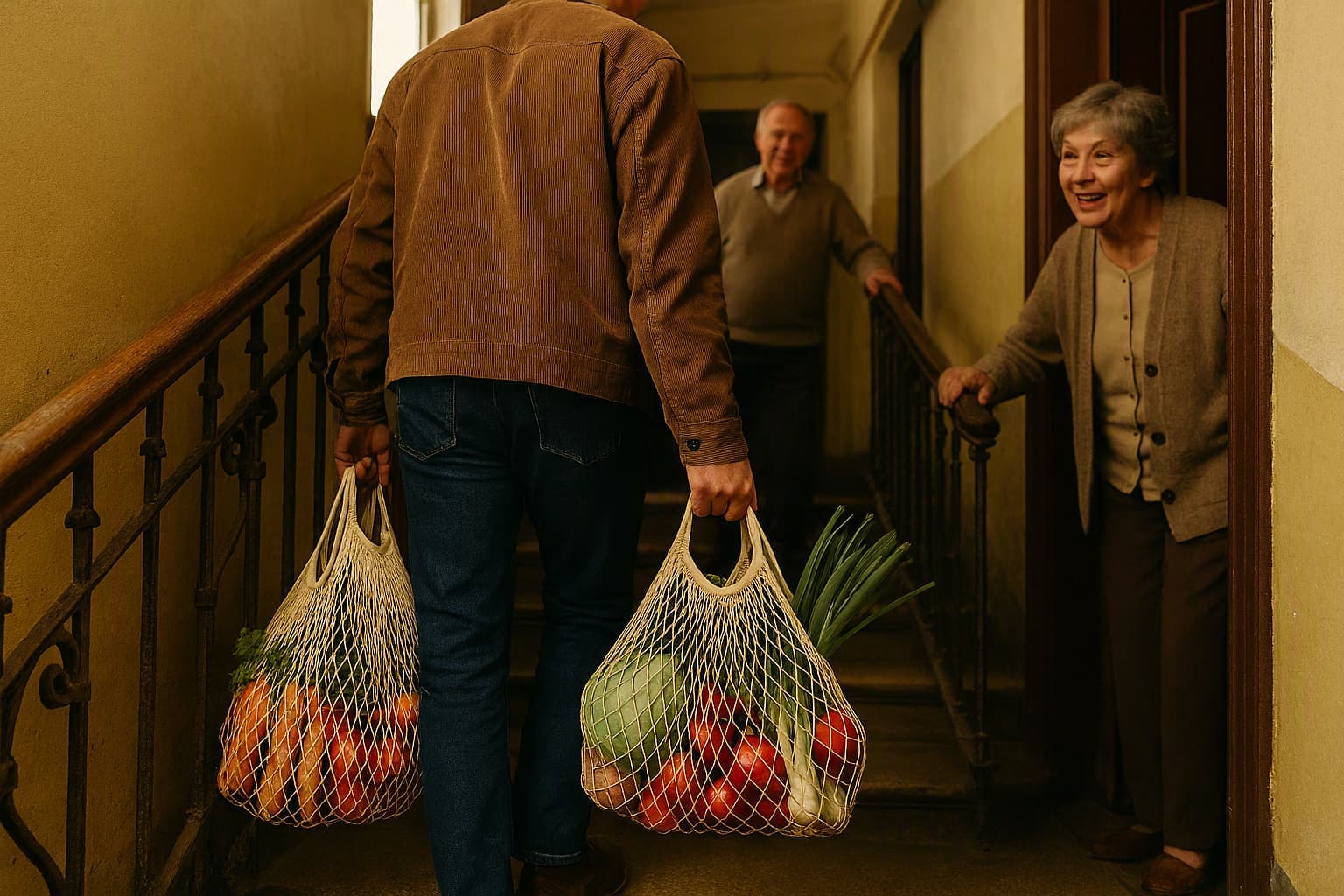
Market Bags After Shopping And The Warmth Modern Blocks Miss begins with a scene where an ordinary object makes a whole period easier to understand. There is the full mesh market bag, set among streets, rooms, workshops, stairways, kitchens, and the patient gestures that made daily life visible. In memories of full market bags after shopping, the past looks brighter because people gave small acts enough time to become shared signs.
The strongest texture is tomato scent, stairwell greetings, tired arms, parsley stems, and neighbours recognising the day by what was carried. These details keep nostalgia practical. They return the memory to light, metal, fabric, vegetables, syrup, hands, and the small pauses that made a street or home feel inhabited. The object matters not because it was rare, but because it was repeatedly used, noticed, repaired, carried, served, or admired by people who understood its place in the day.
The Social Life Of A Small Object
Around full market bags after shopping, people learned the warmth created when errands remained visible. They learned it through habit rather than instruction. A camera was lifted, a metronome was set ticking again, a copper vessel was packed with care, a market bag was carried through a stairwell, or a sweet was bought from a street tray. These actions made private routines visible enough for others to recognise.
Eski Pano follows these scenes because they reveal culture at the scale where people actually remember it. Official history can speak about photography, mechanical devices, household goods, neighbourhood markets, and food traditions. Daily memory keeps the exact mood: who paused to look, who fixed the rhythm, who wrapped the copper, who greeted someone on the stairs, and who reached first for the sticky dessert.
Why It Still Glows
The glow of this memory is not only distance. It is recognition. We recognise an older way of letting useful things carry emotion. A photograph could make a street proud. A metronome could restore discipline. A sahan could keep a family connected through moving homes. A market bag could make neighbourliness visible. A street sweet could turn appetite into a public pleasure.
Modern routines often hide these acts. Images multiply without ceremony, repairs disappear behind replacement, moving becomes logistics, shopping is delivered invisibly, and sweets are consumed without the street that once framed them. Yet the full mesh market bag still speaks because it remembers a more visible social rhythm. It reminds us that the ordinary becomes memorable when others can see it happening.
Looking back at full market bags after shopping, the useful inheritance is a patience for small public traces. If today’s objects can again gather attention, conversation, repair, movement, and appetite, they too can become warm evidence of a lived time. This is why the scene still feels close: it asks the present to notice its own modest rituals before they vanish.
There is also a quiet lesson about visibility. Around full market bags after shopping, people saw one another through ordinary tasks. Looking, fixing, carrying, buying, and tasting all became social because they happened in shared view. That shared view is the part of the memory most worth protecting.