 Eski Pano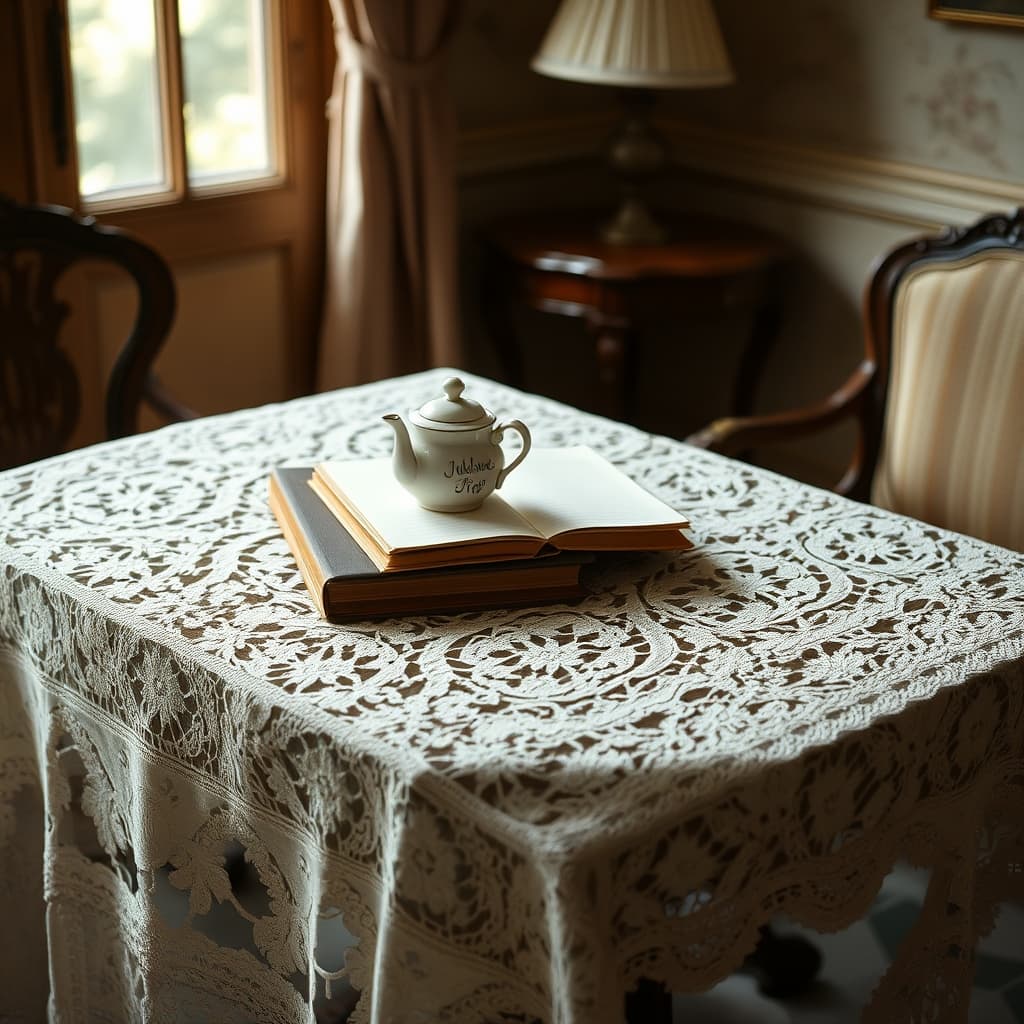
An openwork tablecloth could remain so familiar that the household stopped seeing it. It appeared beneath breakfast plates, protected a polished table during visits, or emerged only for guests. Light passed through cut and drawn areas, casting the pattern onto the surface below. Collectors notice this visual precision, but the cloth’s deeper record lies in the way repeated meals, washing, folding, and repair altered it.
Openwork describes several techniques rather than one material or origin. Threads may be withdrawn and remaining strands wrapped, fabric may be cut and edges secured, or lace-like sections may be inserted. Factory-made cloth can imitate hand methods. Fibre, weave, stitch structure, finishing, and provenance need examination before describing a piece as handmade, antique, or from a particular region.
Empty Space Required Careful Construction
Removing or separating threads weakens fabric unless the structure is planned and secured. Even spacing, stable edges, counted repeats, and controlled tension create the design. Corners and joins often reveal the maker’s decisions. Magnification and photographs of front and back help identify technique without relying on family terminology alone.
The labor may be anonymous because household textiles were rarely signed. Interviews can restore names: who learned the method, whether the cloth was made for a trousseau, gift, sale, or home, and how long it took. When certainty is impossible, recording several family accounts is better than selecting the most prestigious one.
Everyday Marks Are Not Simply Damage
Tea rings, small food stains, sun fading, darns, and worn folds show use. They can connect the cloth to a particular table and routine. At the same time, active mould, insects, severe acidity, and unstable tears threaten survival. Conservation distinguishes historical evidence from continuing deterioration; not every stain should be removed, and not every damaged area should remain untreated.
Household bleach, aggressive stain removers, hot water, and vigorous rubbing can weaken fibres and erase information. A textile conservator should assess valuable or fragile pieces. Clean storage should support the cloth with minimal sharp folds, using suitable acid-free materials in a stable, dry environment away from direct light.
The Tablecloth Organised Visibility
Choosing when to spread it communicated hospitality, order, and concern for furniture. Someone had to wash, dry, press, fold, and store it afterward. Admiring the table without recognising this recurring labor reproduces the invisibility that surrounded the object in use. The tablecloth’s beauty was maintained, not effortless.
For an archive, photograph the full cloth, measurements, pattern repeats, reverse, repairs, stains, labels, and the table where it was used. Record changes in use across generations. The openwork tablecloth catches attention because absence forms part of its design: the missing threads make light visible. Its history works similarly. By documenting the people and labor once left out of view, an ordinary covering becomes a clear account of domestic skill, care, and daily time. Comparing several family photographs may reveal when the cloth moved from daily breakfast to special occasions. That change in frequency is evidence of shifting furniture, work schedules, hosting customs, and ideas about preservation.