🇹🇷 Türkçe | Yıldızlı Afişlerin Işığında Mahalleye Açılan Akşam
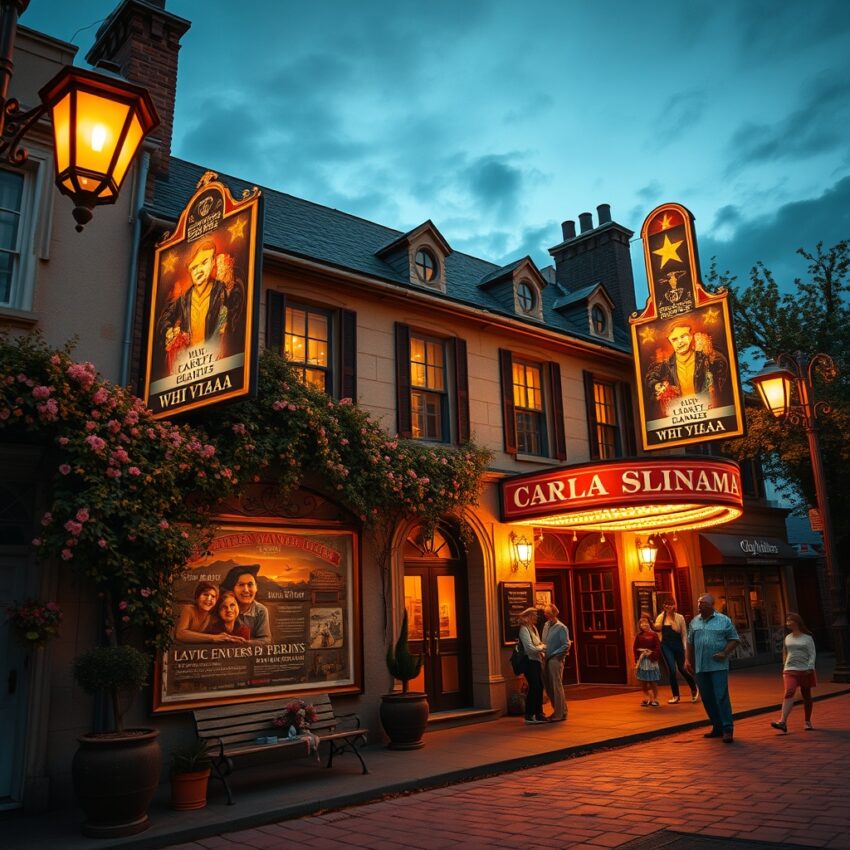
Bir zamanlar akşam, yalnız havanın kararması değil; sokağın başka bir dile geçmesi demekti. Sokak lambaları birer birer yandığında, taş kaldırımların üstüne serilen sarı ışık mahalleyi usulca toparlar, evlerden yükselen yemek kokularına yasemin ve hanımeli karışır, çocuk sesleri yavaş yavaş sinema önündeki uğultuya dönüşürdü. Konak sinemalarının duvarına asılan yıldızlı afişler, henüz filmi izlemeye niyeti olmayanları bile kısa bir an için durdururdu. Büyük puntolarla yazılmış oyuncu adları, elde çizilmiş yüz ifadeleri, bir köşeye iliştirilmiş seans saatleri ve camekânda parlayan renkler, sokağa “bu akşam burada başka bir dünya kuruluyor” diye seslenirdi. Çiçek kokulu sokakların bugün bize söylediği ilk şey de budur: geçmişte eğlence, şehrin dokusundan kopuk değil; gündelik hayatın tam içindeydi.
Zamanın İzinde bakıldığında konak sinemaları, sadece film gösteren yapılar değildi; eski şehir hayatının akşam terbiyesini kuran toplu hafıza alanlarıydı. Eski gazetelerde vizyon ilanları, artist fotoğrafları, matineler ve aile seansları yer alırken, bu ilanların arkasında sinemaya gitmenin başlı başına bir şehir ritüeli olduğu hissedilir. İnsanlar sinemaya yalnız perde için değil, sokağın o akşam nasıl değiştiğini görmek için de çıkardı. Bilet kuyruğunda komşular karşılaşır, gazozcular camekân önünde yerini alır, gençler afişlere bakarak hikâyeyi önceden tahmin etmeye çalışırdı. Konak sineması böylece hem modern eğlencenin hem de mahalle hayatının ortak durağı olurdu. Onun yıldızlı afişleri, sinemayı binanın içine hapsetmez; sokağın tamamına yayardı.
Gündelik hayatın unutulan ayrıntıları bu sahneyi daha canlı kılar. Biletçinin küçük penceresindeki metal parmaklık, elde kesilen karton biletler, fuayede satılan leblebi ya da gazoz, duvar dibinde bekleyen bisikletler, annesinin elini bırakmadan afişe bakan çocuk, yazlık sinema günlerinden kalma alışkanlıkla sandalyesini erkenden seçmek isteyen yaşlı amca, hepsi aynı akşamın parçasıydı. Afişlerdeki yıldız yüzler, ev içi hayatın ölçülü ritmiyle sokak hayatının canlı merakı arasında bir köprü kurardı. Sokak lambasının altında yürüyen aile, daha salona girmeden sinemanın atmosferine dahil olurdu. Çünkü konak sineması önce göze, sonra kulağa, en son perdeye ulaşırdı. Bugün geriye dönüp baktığımızda, hafızada parlayan yalnız film isimleri değil; o sinemaya giderken geçilen çiçek kokulu sokaklardır.
Bu sokakların bize söylediği ikinci şey, kültürel hayatın bir zamanlar ne kadar mahalleye yakın yaşandığıdır. Sinema binası çoğu kez fırına, manifaturacıya, kıraathaneye ya da parkın girişine birkaç adım mesafedeydi. Böylece sanat, gündelik hayatın uzağında değil; ekmek almaya çıkılan, komşuya uğranılan, akşamüstü çocuk çağrılan güzergâhın üzerindeydi. İnsanlar bir filmi izledikten sonra doğrudan evlerine kapanmaz, sokağın üstünde biraz daha dolaşır, afişin önünde kısa yorumlar yapar, oyuncuları tartışırdı. Bu dolaşım, şehrin kültürle kurduğu doğal ilişkiyi anlatır. Seyir deneyimi, kapalı salon ile açık sokak arasında bölünmeden akardı. Çiçek kokusu, lamba ışığı ve afiş renkleri bu yüzden aynı hatırada buluşur.
Bugün o yıldızlı afişlerle sokağı çağıran konak sinemalarını andığımızda özlediğimiz şey sadece eski filmler değildir. Asıl özlenen, şehrin akşam saatlerinde kurduğu o yumuşak topluluk duygusudur. Sokak lambalarının altında büyüyen anılar, bize kültürel mirasın yalnız büyük yapılarda ya da arşivlerde değil; gündelik geçişlerde, kaldırım kenarlarında ve mahalle kokularında saklandığını hatırlatır. Çiçek kokulu sokaklar hâlâ şunu söylüyor: Bir dönemin ruhu bazen en açık biçimiyle, film başlamadan hemen önce, afişe bakmak için yavaşlayan adımlarda görünür. Konak sinemalarının yıldızlı yüzleri belki soldu, ama sokağı birlikte hayal kurmaya çağıran o zarif akşam dili hafızada yaşamayı sürdürüyor.
🇬🇧 English | An Evening Opening onto the Neighborhood in the Light of Starry Posters
There was a time when evening meant more than darkness arriving; it meant the street itself changing languages. As the streetlamps lit one by one, their yellow glow settled across the stone pavement, gathering the neighborhood gently into itself. The smell of dinner rising from houses mixed with jasmine and honeysuckle, and the sounds of children slowly gave way to the murmur forming in front of the cinema. The starry posters pinned to the walls of mansion cinemas could stop even those who had no intention of seeing the film that night. Actor names printed in large letters, hand-painted expressions, showtimes tucked into a corner, and colors shining behind the glass all seemed to tell the street that another world was being assembled there for the evening. The first thing flower-scented streets tell us today is this: entertainment once belonged not outside the fabric of the city, but deep inside ordinary life.
Seen in the trail of time, mansion cinemas were not merely buildings that projected films. They were shared sites of memory that helped shape the etiquette of evening in old urban life. Old newspapers carried listings, matinees, star portraits, and family screenings, and behind those notices one senses that going to the cinema was itself a civic ritual. People stepped out not only for the screen, but to witness how the street transformed that night. Neighbors met in the ticket queue, soda sellers took their places by the window, and young people studied the posters trying to guess the story in advance. In that way the mansion cinema became both a venue of modern entertainment and a stop in the life of the neighborhood. Its starry posters did not trap cinema inside the building; they spread it out into the entire street.
The forgotten details of daily life make the scene even more vivid. The little ticket booth window with its metal bars, cardboard tickets cut by hand, roasted chickpeas or soda sold in the foyer, bicycles waiting against the wall, a child staring at the poster without letting go of his mother’s hand, an older man eager to choose his seat early out of habits formed in open-air cinemas, all belonged to the same evening. The faces on the posters built a bridge between the measured rhythm of domestic life and the lively curiosity of the street. A family walking beneath the streetlamp entered the atmosphere of cinema before they ever stepped inside the hall. The mansion cinema reached the eyes first, then the ears, and only finally the screen. When we look back now, what shines in memory is not only the titles of films, but the flower-scented streets crossed on the way there.
The second thing those streets tell us is how close cultural life once stood to the neighborhood. The cinema was often only a few steps away from the bakery, the dry-goods shop, the coffeehouse, or the park entrance. Art therefore lived not at a distance from daily routines, but along the same route used to buy bread, greet a neighbor, or call children home at dusk. After a film, people did not immediately retreat into their houses. They lingered a little longer in the street, commenting in front of the posters, discussing the actors, letting the evening stretch. That circulation reveals the natural relationship the city once maintained with culture. The act of watching flowed easily between the enclosed hall and the open street. Flower fragrance, lamplight, and poster colors settled together in the same memory.
When we remember the mansion cinemas that once called the street with starry posters, what we miss is not simply old films. What is truly missed is the gentle sense of community the city formed in its evening hours. Memories grown beneath streetlamps remind us that cultural heritage survives not only in grand buildings or archives, but in ordinary passages, at the edge of sidewalks, and within the scents of a neighborhood. Flower-scented streets still seem to say this: the spirit of an era often appears most clearly in footsteps that slow down just before a film begins, so someone can stand and look at a poster. The starry faces of those cinemas may have faded, but the elegant evening language that invited a whole street to imagine together continues to live in memory.
🇧🇷 Português (Brasil) | Uma Noite que se Abre ao Bairro sob a Luz dos Cartazes Estrelados
Houve um tempo em que a noite não significava apenas a chegada da escuridão; significava a rua mudando de linguagem. Quando os postes acendiam um a um, sua luz amarela se espalhava pelas pedras da calçada e reunia o bairro com delicadeza. O cheiro da comida que saía das casas se misturava ao jasmim e ao madressilva, e as vozes das crianças aos poucos davam lugar ao murmúrio que crescia diante do cinema. Os cartazes estrelados presos nas paredes dos cinemas de bairro eram capazes de fazer parar até quem não pretendia ver o filme naquela noite. Nomes de artistas em letras grandes, expressões pintadas à mão, horários discretos num canto e cores brilhando no vidro pareciam dizer à rua que outro mundo estava sendo montado ali para a noite. A primeira coisa que as ruas com cheiro de flores nos dizem hoje é justamente isso: a diversão de antigamente não vivia fora do tecido urbano, mas no coração da vida cotidiana.
Seguindo o rastro do tempo, os cinemas de bairro não eram apenas construções onde se exibiam filmes. Eram lugares de memória compartilhada que ajudavam a formar a etiqueta das noites na antiga vida urbana. Os jornais antigos traziam anúncios de programação, matinês, retratos de astros e sessões para famílias, e por trás desses avisos se percebe que ir ao cinema era, por si só, um ritual da cidade. As pessoas saíam não só pela tela, mas para ver como a rua se transformava naquela noite. Vizinhos se encontravam na fila do ingresso, vendedores de refrigerante ocupavam seu lugar junto à vitrine, e os jovens examinavam os cartazes tentando adivinhar a história antes da sessão. Assim, o cinema se tornava ao mesmo tempo espaço de entretenimento moderno e ponto de encontro do bairro. Seus cartazes estrelados não prendiam o cinema dentro do prédio; espalhavam sua atmosfera por toda a rua.
Os detalhes esquecidos da vida comum tornam essa cena ainda mais nítida. A pequena bilheteria com grade de metal, os ingressos de papelão cortados à mão, o grão-de-bico torrado ou o refrigerante vendidos no saguão, as bicicletas encostadas na parede, a criança que olha o cartaz sem soltar a mão da mãe, o senhor que quer escolher cedo o assento por costume dos cinemas ao ar livre, tudo isso pertencia à mesma noite. Os rostos estampados nos cartazes criavam uma ponte entre o ritmo medido da casa e a curiosidade viva da rua. A família que caminhava sob o poste já entrava no clima do cinema antes mesmo de alcançar a sala. O cinema chegava primeiro aos olhos, depois aos ouvidos, e só por último à tela. Quando olhamos para trás, o que brilha na memória não são apenas os títulos dos filmes, mas também as ruas perfumadas por flores que se atravessavam até chegar ali.
O segundo recado dessas ruas é o quanto a vida cultural já esteve próxima do bairro. O cinema ficava muitas vezes a poucos passos da padaria, da loja de tecidos, do café ou da entrada do parque. A arte, portanto, não existia distante da rotina; estava no mesmo percurso de comprar pão, cumprimentar um vizinho ou chamar as crianças para casa no fim da tarde. Depois do filme, as pessoas não se recolhiam imediatamente. Ficavam mais um pouco na rua, comentavam diante dos cartazes, falavam dos atores e deixavam a noite se alongar. Esse movimento mostra a relação natural que a cidade mantinha com a cultura. A experiência de assistir corria sem ruptura entre a sala fechada e a rua aberta. Perfume de flores, luz de poste e cor de cartaz passavam a morar na mesma lembrança.
Quando recordamos hoje os cinemas que chamavam a rua com cartazes estrelados, o que faz falta não são apenas os filmes antigos. O que se sente falta de verdade é do suave sentimento de comunidade que a cidade sabia criar no começo da noite. As memórias crescidas sob os postes lembram que o patrimônio cultural não vive apenas em grandes edifícios ou arquivos, mas também nas passagens comuns, na beira da calçada e nos cheiros do bairro. As ruas com cheiro de flores ainda parecem dizer o seguinte: o espírito de uma época às vezes aparece com mais clareza nos passos que desaceleram pouco antes do início do filme, só para olhar um cartaz. Os rostos estrelados talvez tenham desbotado, mas a linguagem elegante que convidava uma rua inteira a imaginar junto continua viva na memória.