🇹🇷 Türkçe | Dönemin ruhunu ele veren o eski saatlerde kıyıda çalınan yaz orkestralarının tatil ruhunu büyüttüğü geceler: geçmişe bakınca neden daha parlak görünüyor ıhlamur kokusuna dönen bahçeler
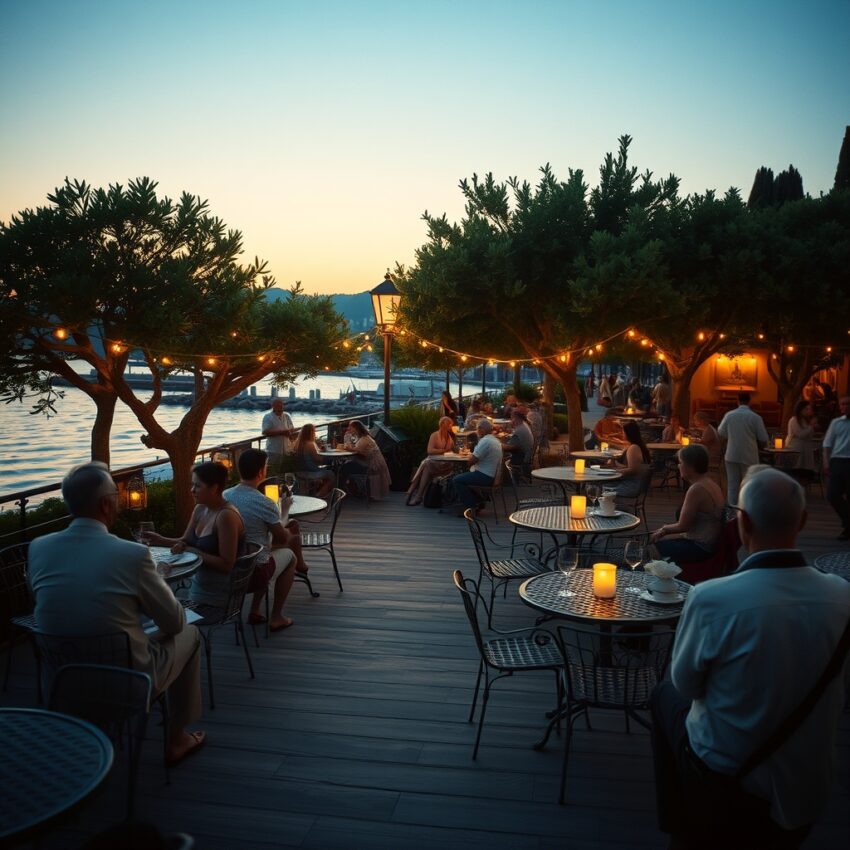
Bir zamanlar yaz akşamı sahile ağır ağır iner, hava kararmadan hemen önce kasabanın kıyı boyunca uzanan bahçelerine ince bir ıhlamur kokusu yayılırdı. Demir iskemlelerin dizildiği küçük gazinolarda, belediye bahçelerinde ya da otellerin açık teraslarında orkestralar sazlarını yavaşça yoklar, trampetin hafif denemesiyle kemanın cilalı sesi birbirine karışırdı. İnsanlar henüz gece tam başlamadan en düzgün kıyafetlerini giyer, çocukların saçları suyla yatırılır, anneler omuzlarına ince hırkalarını alırdı. Kıyıdan gelen serinlik ile bahçelerden yükselen çiçek kokusu arasında kurulan bu saatler, yalnız bir eğlence vakti değil, dönemin tatil anlayışını anlatan başlı başına bir sahneydi. Bugün o gecelere bakınca her şeyin daha parlak görünmesi biraz da bu yüzden; hafızada kalan yalnız müzik değil, müziğin etrafında toplanan hayatın tamamıdır.
Zamanın İzinde düşünüldüğünde kıyıda çalınan yaz orkestraları, Türkiye’nin sahil kentlerinde ve sayfiye kültüründe modernleşmeyle gelen yeni bir toplumsal ritmi de temsil ederdi. Gramofonun, radyonun ve daha sonra plakların etkisiyle kulakların alıştığı şarkılar, bu kez açık havada canlı olarak duyulur; şehirli olmanın, tatilin ve birlikte görünmenin yeni biçimleri bu gecelerde ortaya çıkardı. Eski gazetelerde yaz konserlerinden, belediye bahçesi programlarından ve yazlık sinema öncesi müzik saatlerinden söz edilmesi boşuna değildi. Çünkü orkestranın kıyıda çalması, bir yerin yalnız denizle değil, sesle de hatırlanmasını sağlardı. O melodiler, yazın belli bir sınıfa ya da mekâna kapanmayan ortak bir neşesini taşırdı. Kimi masada gazoz içilir, kimi masada limonata, kimi yerde sade kahve söylenirdi; ama müziğin etrafında kurulan duyguda herkes birbirine yakındı.
Bu geceleri bugün daha parlak hatırlatan şeylerden biri, gündelik hayatın o saatlerde kendine özel bir tören bulmuş olmasıdır. Çocuklar kıyıya yakın bahçelerde koşturup sonra usulca sandalyelerine oturur, büyükler geçen yazdan tanıdıkları ailelerle selamlaşır, garsonlar metal tepsilerle masalar arasında neredeyse dans eder gibi dolaşırdı. Kadınların elbiselerinde hafif kolonyanın ferahlığı, erkeklerin ceket ceplerinde buruşturulmuş biletler, masalarda çekirdek kâseleri ya da küçük meze tabakları görülürdü. Bahçelerin ıhlamur kokusuna dönmesi, yalnız bir doğa ayrıntısı değil; gecenin hatırda kalma biçimini belirleyen duyusal bir çerçeveydi. Denizden esen rüzgâr notaları hafifçe savururken, insan bir şarkının tam ortasında hem bulunduğu anda kalır hem de onun geçeceğini bildiği için içten içe hüzünlenirdi. Nostaljinin parlaklığı çoğu zaman tam da böyle kurulur: güzelliğin geçici olduğunu hissederken ona daha sıkı bakarız.
Kıyıda çalan yaz orkestraları aynı zamanda tatilin nasıl yaşandığını da anlatırdı. Bugünün hızla tüketilen yaz programlarından farklı olarak o yıllarda gece, bir etkinlik listesi değil, ağır ağır kurulmuş bir bekleyişti. Önce akşam yemeği yenir, sonra biraz yürünür, tanıdık bir bahçede yer bulunur, programın hangi parçayla başlayacağı konuşulurdu. Tango, foxtrot, hafif batı müziği ya da dönemin sevilen Türkçe melodileri arasında dolaşan repertuvar, kıyı kasabalarını bir anda daha büyük bir dünyanın parçası gibi hissettirirdi. Yine de gecenin asıl sıcaklığı, bu gösterişli tarafın değil, insani ayrıntıların içindeydi: sandalyesini yaşlı bir komşuya veren genç, uyuklayan çocuğun üstüne ceket örten baba, orkestranın sevilen bir parçayı çalmasıyla göz göze gelip gülümseyen eski bir çift. Hatırladığımız parlaklık bazen ışıklardan değil, bu küçük inceliklerden gelir.
Bugün geriye bakınca o bahçelerin, o sahil saatlerinin ve o yaz orkestralarının neden olduğundan daha ışıklı göründüğünü anlamak zor değildir. Çünkü hafıza, yalnız nesneleri değil, onların etrafındaki his terbiyesini de saklar. Ihlamur kokusuna dönen bahçeler, kıyı boyunca uzanan hafif uğultu ve uzak masalardan gelen alkış, bir dönemin topluca neşelenme biçimini temsil eder. O geceler bugün bize daha parlak görünür; çünkü modern hayatın çoğu kez kaybettiği bir yavaşlık, bir görünürlük ve bir birlikte olma hali taşırlar. Yaz orkestraları belki sustu, o bahçelerin bir kısmı değişti, sahil kasabalarının ritmi hızlandı. Ama hafızada kalan sahne hâlâ yerli yerindedir: deniz kıyısında serinleyen bir akşam, ıhlamur kokusunun yükseldiği bir bahçe ve müzik başlar başlamaz tatilin gerçekten başladığını herkesin aynı anda hissettiği o eski saatler.
🇬🇧 English | In Those Old Hours That Revealed the Spirit of the Era, the Nights When Summer Orchestras Playing by the Shore Enlarged the Holiday Mood: Why Do the Gardens Turning into the Scent of Linden Appear Brighter in Memory?
There was a time when summer evenings descended slowly toward the shore, and just before darkness settled, a fine scent of linden spread through the gardens lining the waterfront. In small gazinos, municipal gardens, or hotel terraces, orchestras tested their instruments gently, the light tap of a drum mingling with the polished voice of a violin. People dressed in their neatest clothes before the night had properly begun, children’s hair was smoothed with water, and mothers placed thin cardigans on their shoulders. Suspended between the coolness from the sea and the fragrance rising from the gardens, these hours were not simply a form of entertainment but a scene that expressed the holiday spirit of an entire era. If those nights seem brighter when we look back now, it is partly because memory preserved not only the music, but the whole life gathered around it.
Seen in the trail of time, summer orchestras playing by the shore also represented a new social rhythm shaped by modernity in coastal towns and seasonal resorts. Songs familiar from gramophones, radios, and later records could now be heard live in the open air, and new ways of appearing in public, vacationing, and sharing space emerged through such evenings. Old newspapers often mentioned summer concerts, municipal garden programs, and musical hours before open-air cinema screenings for exactly this reason. When an orchestra played by the water, a place became memorable not only through the sea but through sound. Those melodies carried a collective joy that did not remain enclosed within one class or one venue. At one table someone drank soda, at another lemonade, somewhere else plain coffee, yet within the feeling created around the music everyone seemed close to one another.
One reason those nights appear brighter in memory is that everyday life had found its own ceremony in those hours. Children ran through the gardens near the shore before quietly returning to their chairs, adults greeted families they remembered from the previous summer, and waiters moved between tables with metal trays almost as if they too were dancing. The freshness of cologne lingered in women’s dresses, crumpled tickets rested in men’s jacket pockets, and bowls of sunflower seeds or small plates of meze sat on the tables. The gardens turning into the scent of linden were not just a botanical detail, but a sensory frame that determined how the evening would be remembered. As the breeze from the sea lightly scattered the notes, one remained fully inside the moment and at the same time felt a hidden sadness, knowing it would pass. The brightness of nostalgia is often built in exactly that way: we look more carefully when we sense that beauty is temporary.
The summer orchestras by the shore also reveal how holidays were once lived. Unlike today’s quickly consumed schedules, the night in those years was not a checklist of events but a slowly prepared expectation. Dinner came first, then a walk, then the search for a place in a familiar garden, then the conversation about which piece might begin the program. Whether the repertoire moved through tango, foxtrot, light Western music, or beloved Turkish melodies of the day, it made small coastal towns feel for a while like part of a larger world. Yet the true warmth of the evening belonged less to glamour than to human detail: a young person giving up a chair for an elderly neighbor, a father covering a sleepy child with his jacket, an old couple exchanging a smile when the orchestra played a favorite song. The brightness we remember often comes not from the lights themselves, but from such small acts of grace.
It is not difficult to understand today why those gardens, those shore hours, and those summer orchestras look more luminous in retrospect than they perhaps were at the time. Memory keeps not only objects, but the emotional discipline that once formed around them. The gardens scented with linden, the soft murmur stretching along the coast, and the applause arriving from distant tables represent a period’s shared way of rejoicing. Those nights seem brighter now because they carry a slowness, a visibility, and a togetherness that modern life often loses. The orchestras may have fallen silent, some of those gardens may have changed, and the rhythm of the seaside towns may have accelerated. Yet the scene remains intact in memory: a cooling evening by the sea, a garden filled with the scent of linden, and those old hours when everyone felt at once that the holiday had truly begun as soon as the music started.
🇧🇷 Português (Brasil) | Naquelas Velhas Horas que Revelavam o Espírito da Época, as Noites em que Orquestras de Verão Tocando à Beira-Mar Ampliavam o Espírito das Férias: Por Que os Jardins que se Transformavam em Perfume de Tília Parecem Mais Brilhantes ao Olhar para Trás?
Houve um tempo em que as noites de verão desciam devagar até a beira-mar e, pouco antes de escurecer de vez, um perfume fino de tília se espalhava pelos jardins alinhados ao longo da orla. Nos pequenos gazinos, nos jardins municipais ou nos terraços abertos dos hotéis, as orquestras experimentavam os instrumentos com discrição, e o toque leve do tambor se misturava ao timbre polido do violino. As pessoas vestiam suas melhores roupas antes mesmo de a noite começar de verdade, o cabelo das crianças era ajeitado com água, e as mães colocavam casaquinhos leves sobre os ombros. Suspensas entre o frescor vindo do mar e o aroma das flores no jardim, essas horas não eram apenas um entretenimento, mas uma cena capaz de traduzir o espírito de férias de toda uma época. Se hoje essas noites parecem mais brilhantes, é porque a memória guardou não só a música, mas toda a vida reunida ao redor dela.
No rastro do tempo, as orquestras de verão tocando junto ao mar também representavam um novo ritmo social moldado pela modernidade nas cidades costeiras e nos lugares de veraneio. Canções conhecidas pelo gramofone, pelo rádio e mais tarde pelos discos podiam agora ser ouvidas ao vivo ao ar livre, e novas maneiras de aparecer em público, de passar férias e de partilhar o espaço surgiam nessas noites. Não por acaso os jornais antigos falavam de concertos de verão, programas nos jardins públicos e horas musicais antes das sessões de cinema ao ar livre. Quando uma orquestra tocava à beira-mar, um lugar passava a ser lembrado não apenas pelo mar, mas pelo som. Aquelas melodias carregavam uma alegria coletiva que não ficava presa a uma única classe ou a um só ambiente. Em uma mesa se tomava refrigerante, em outra limonada, em outra café simples, mas dentro do sentimento criado pela música todos pareciam próximos.
Uma das razões pelas quais essas noites parecem mais luminosas é o fato de a vida cotidiana ter encontrado nelas uma pequena cerimônia própria. As crianças corriam pelos jardins perto da praia e depois voltavam em silêncio às cadeiras, os adultos cumprimentavam famílias que conheciam do verão anterior, e os garçons atravessavam as mesas com bandejas de metal quase como se também dançassem. Havia o frescor da colônia nos vestidos das mulheres, ingressos amassados nos bolsos dos paletós dos homens e tigelas de sementes ou pequenos pratos de petiscos sobre as mesas. Os jardins transformados em perfume de tília não eram apenas um detalhe da natureza, mas uma moldura sensorial para a maneira como a noite seria lembrada. Enquanto a brisa do mar espalhava levemente as notas, cada pessoa permanecia inteira dentro do instante e ao mesmo tempo sentia uma tristeza discreta, por saber que ele iria passar. Muitas vezes a claridade da nostalgia nasce assim: olhamos com mais atenção quando sentimos que a beleza é passageira.
As orquestras de verão à beira-mar também mostram como as férias eram vividas. Diferentemente dos programas velozes de hoje, a noite daqueles anos não era uma lista de atrações, mas uma expectativa preparada aos poucos. Primeiro vinha o jantar, depois a caminhada, depois a procura por uma mesa em um jardim conhecido, e então a conversa sobre qual música abriria o programa. Fosse tango, foxtrote, música ocidental leve ou melodias turcas queridas do período, o repertório fazia os pequenos balneários parecerem parte de um mundo maior. Ainda assim, o verdadeiro calor da noite estava menos no brilho aparente e mais nos detalhes humanos: o jovem que cedia a cadeira a uma vizinha idosa, o pai que cobria o filho com o casaco, o casal antigo que se olhava e sorria ao reconhecer uma canção favorita. O brilho que lembramos muitas vezes não vem das luzes, mas dessas pequenas delicadezas.
Hoje não é difícil entender por que aqueles jardins, aquelas horas à beira-mar e aquelas orquestras de verão parecem mais luminosos do que talvez fossem na época. A memória guarda não apenas objetos, mas a educação afetiva que se formava ao redor deles. Os jardins perfumados de tília, o murmúrio suave que percorria a costa e os aplausos vindos de mesas mais distantes representam uma maneira coletiva de se alegrar. Essas noites parecem mais brilhantes porque carregam uma lentidão, uma visibilidade e um senso de estar junto que a vida moderna muitas vezes perde. As orquestras talvez tenham silenciado, alguns daqueles jardins talvez tenham mudado e o ritmo das cidades praianas tenha se acelerado. Mas a cena continua inteira na lembrança: uma noite fresca junto ao mar, um jardim tomado pelo perfume de tília e aquelas velhas horas em que todos sentiam ao mesmo tempo que as férias realmente começavam quando a música enfim se iniciava.