Eski Pano
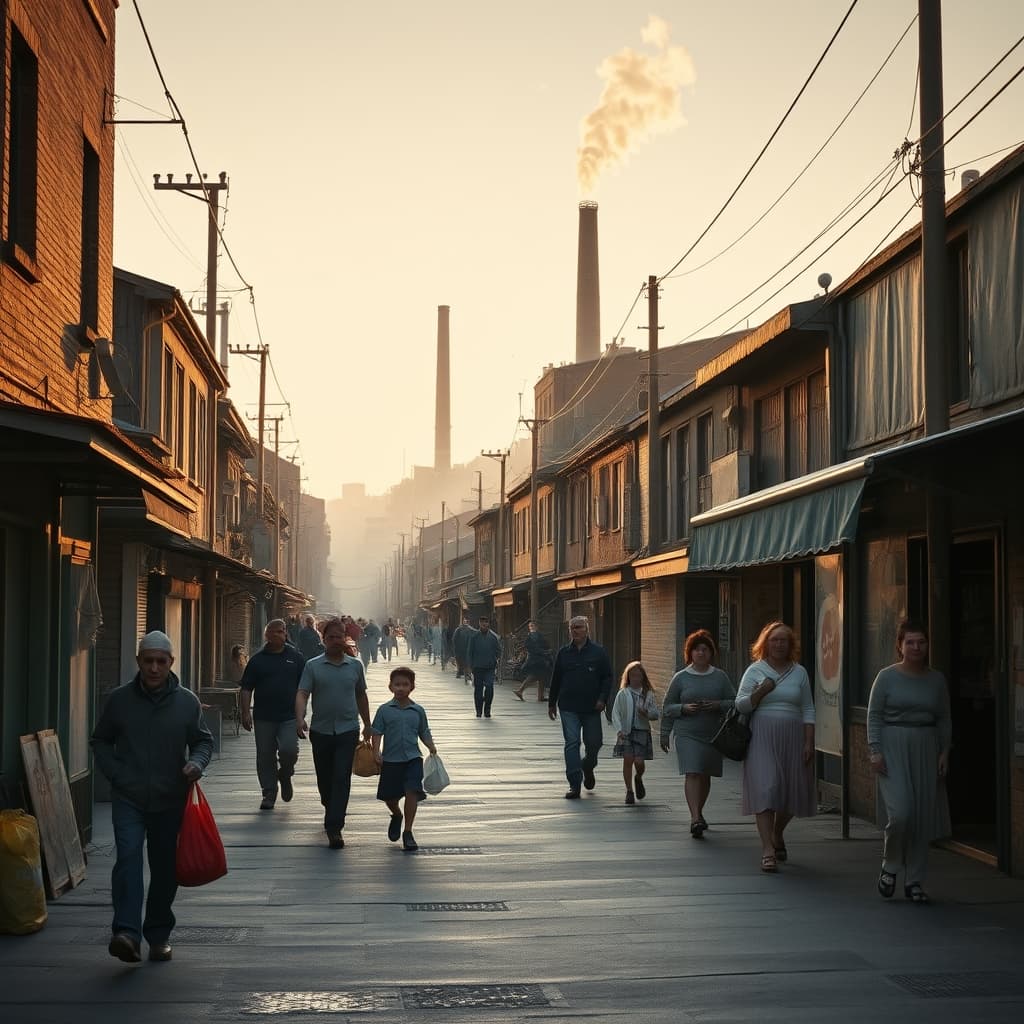
In old city life, morning did not begin only with sunrise. In some districts, the true beginning of the day was understood through the sound of a factory whistle cutting through the air from afar. Before the streets had fully filled, windows opened, breakfast plates were prepared, and workers’ bags were left beside doors. When the whistle sounded, not only the factory shift but the rhythm of the whole district began to move. Children hurried so they would not be late for school, shopkeepers lifted shutters a little faster, and mothers lowered the heat under the tea. That sound was like an invisible bell setting the shared hour of daily life.
From the perspective of time, factory whistles were among the clearest signs of periods when industry and neighborhood life were intertwined. Newspapers wrote about production, worker shuttles, and newly opened facilities, yet for district residents the factory was often felt most strongly through its sound. The whistle announced the start of work, lunch break, evening return, and sometimes an unexpected urgency. In the old city, time was measured less by private watches than by common sounds. A district’s morning took shape together with the factory whistle, the smell of the bakery, and the first crowd passing through the street.
The vividness of shore-return hours in memory is also tied to this rhythm. In summer or on weekend mornings, those returning from the sea reentered the daily tempo marked by the factory whistle. Wet towels, sandy sandals, a paper bag of simit, and the smell of salt on skin met the seriousness of working hours on the same street. On one side were workers trying to reach their shifts; on the other, families returning from a brief escape to the water. This meeting revealed the unique character of old city life: labor, rest, neighborhood, and sea could touch within the same morning.
The factory whistle strengthened district rhythm because it gave everyone a shared sense of time. If breakfast ran late in one home, the whistle reminded the household; the grocer heard it while setting bread crates outside; children on the school road quickened their steps. People lived attached to the same hour without needing to know one another’s clocks. This common timing also strengthened neighborliness. Streets filling at break time, doors opening at the first morning whistle, and tired faces meeting at the same grocer in the evening formed the social fabric of the district. The sound did not remain inside the factory; it spread into the memory of the whole neighborhood.
When we remember factory whistles today, what we miss is not industrial noise, but the ability of city life to create a shared rhythm. Those mornings remind us that time was once lived together not only on private screens, but in the street, at work, at home, and in the steps of people returning from the shore. That is why shore-return hours remain vivid: the coolness brought from the sea, the sharp sound of the factory whistle, and the waking crowd of the district merged within the same memory. The old city did not only work through those sounds; it breathed, woke, and gathered itself again each morning.
The Mornings When Factory Whistles Set the Rhythm of the District in Old City Life: Why Shore-Return Hours Are Still So Vivid in Memory