 Eski Pano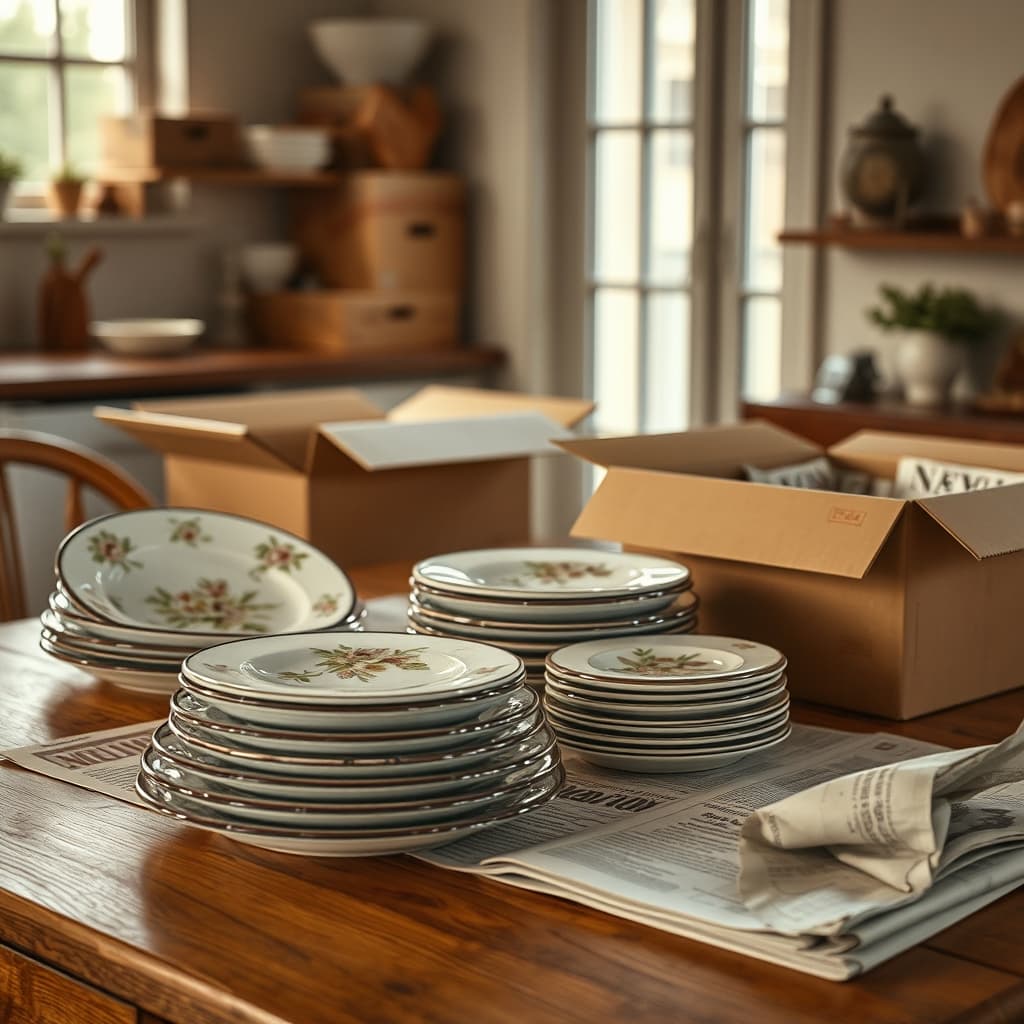
An enamel plate could survive a household move because it was light, useful, and difficult to justify discarding. Wrapped in newspaper or nested among pots, it travelled from one kitchen to another. A floral border or coloured rim made it recognisable when cupboards were unpacked. Years later, a chip at the edge might recall a particular move more reliably than the address itself.
Vitreous enamelware is made by fusing a glass-like coating onto metal at high temperature. Manufacturers, base metals, colours, transfer decorations, stencils, and production quality vary. Not every decorated plate belongs to the same decade or region. Marks on the underside, catalogues, advertisements, receipts, and dated photographs provide stronger evidence than style alone.
Popular Taste Entered the Kitchen
Flowers, geometric borders, bright solid colours, or imitation luxury effects allowed industrial tableware to carry fashion into ordinary meals. A design could coordinate with a basin, jug, tray, or saucepan, or stand alone as the one attractive plate saved from an older set. Taste was shaped by shop stock and affordability as much as individual preference.
Use changed hierarchy. A plate once reserved for guests might later serve breakfast, hold fruit, catch drips beneath a pot, or move to a workshop. These reassignments are not decline alone; they document how households extracted value from durable goods. The object’s final task may explain why it survived.
Chips Are Evidence and a Safety Question
A chip exposes the metal base, which may rust and create sharp edges. Cracked or flaking enamel can trap dirt or detach. Historic pieces with unknown composition or severe damage may be unsuitable for food contact. Current safety advice and professional assessment should guide use. Decorative display is often safer than serving food from a compromised plate.
Household attempts to paint over chips may introduce unsuitable materials and obscure condition. Abrasive scouring scratches the surface; sudden temperature change can cause damage. Cleaning should be gentle and compatible with stable enamel. Active corrosion deserves conservation advice rather than concealment.
Recording Movement Gives the Plate Geography
An archive should photograph both sides, maker’s marks, decoration, chips, rust, repairs, and wear. Record each known home, approximate moving date, packing story, and changing use. Old newspaper still associated with the plate can date a move, but only if its relationship is documented before separation.
The enamel plate reflects a period’s aesthetic because industrial colour and household economy met on its surface. Its biography is richer than a perfect catalogue example: every move tested its durability, and every new use revised its meaning. Preserving the plate responsibly keeps design, damage, safety, and family movement together, allowing a modest kitchen object to map the homes through which it passed. Packing practices reveal household priorities. Plates might be wrapped in towels to save paper, placed inside basins, or carried separately by a relative. Asking who packed and who unpacked can identify the moment a chip occurred. It can also explain why one inexpensive plate was protected while more fashionable objects were left behind. The plate kept travelling.