
The Copper Pan That Moved from Home to Home and Returned to Interest

🇹🇷 | Evden Eve Taşınan Bakır Sahan Neden Bugün Yeniden İlgi Görüyor

🇵🇹 | A Panela de Cobre que Acompanhou Mudanças e Voltou a Despertar Interesse

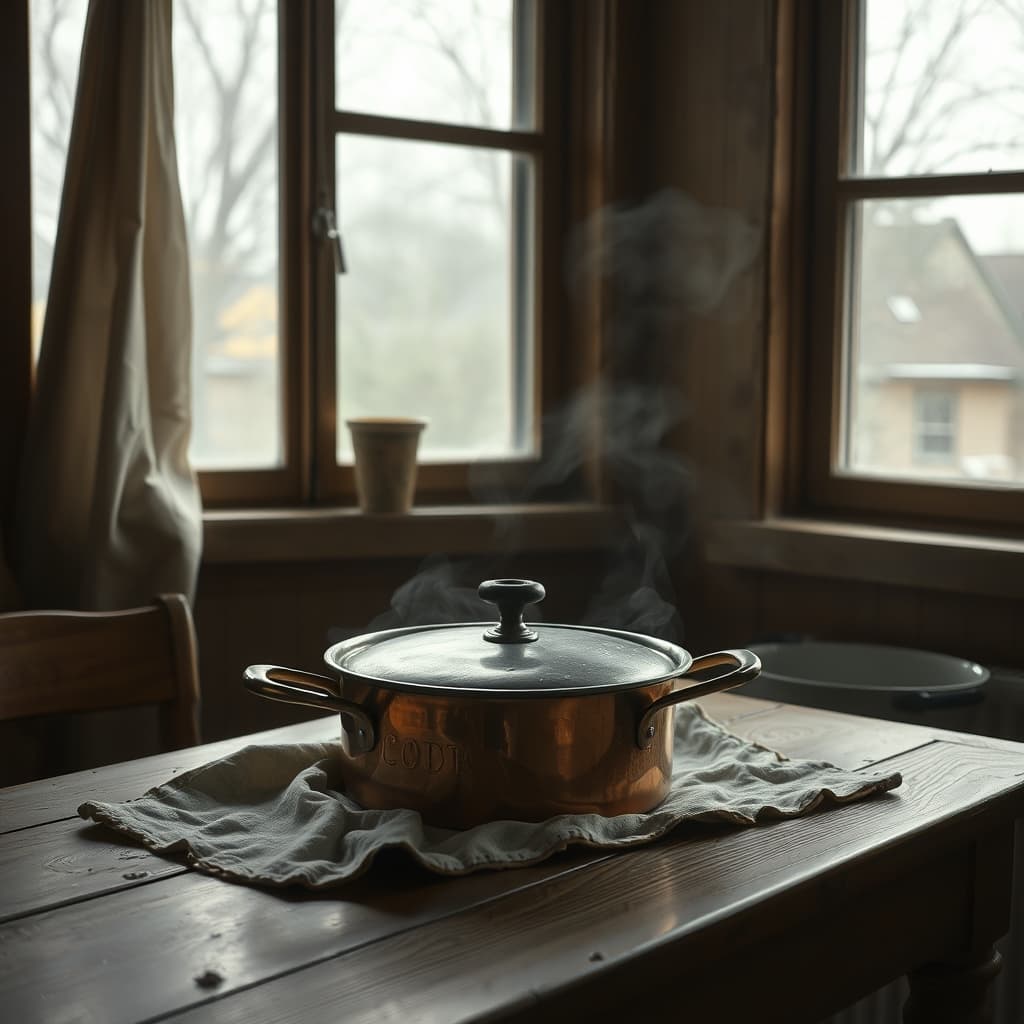
Old copper pan carrying household memory on a nostalgic kitchen table

🇬🇧 How a Humble Kitchen Object Carried Household Memory Through Neighboring Windows and Misty Winter Glass

The Copper Pan That Moved from Home to Home and Returned to Interest looks at one of the everyday details that can pass unnoticed at the time yet remain in memory for years. Considered within Obje Hikayeleri / Object Stories / Histórias de Objetos, this subject is not only about an object, sound or habit from the past. It also makes visible how people shared space, time and feeling. Topics such as bakır sahan ve taşınmalar boyunca eve eşlik eden hatırası: neden bugün yeniden ilgi görüyor komşu pencerelerine yaslanarak kışın buğulu camına vurup geçerek endure because of small moments repeated over time rather than because of grand events alone.

The order of a home, the changing sound of a street at a particular hour, a brief conversation in a shop or a familiar movement around a table can all become more than private recollection. The detail may appear differently in every family, but it can still carry a shared emotional meaning. To understand the past is therefore not only to look at old things, but also to read the relationships and rhythms formed around them.

Quiet Signs of Everyday Life

Memories gathered around The Copper Pan That Moved from Home to Home and Returned to Interest are rarely made in a single instant. A smell, sound or image that once seemed ordinary in childhood can gradually become a sign of an entire period. The mind keeps not only events, but also the atmosphere in which they happened. That is why a small detail can create a closeness that even an official historical record cannot always provide.

Work and care have an important place in this kind of memory. Preparing, cleaning, storing, repairing or sharing something reveals a quiet order that keeps daily life going. Older habits can look romantic from a distance, yet they also contained patience, practical invention under limited means and a need to trust other people. The value of the story lies in holding that warmth without hiding its difficulties.

Why It Still Feels Close

A scene from the past feels close to the present because human needs change less than the tools around them: returning home, being understood, sharing time, waiting and feeling that one belongs. The Copper Pan That Moved from Home to Home and Returned to Interest recalls these needs without having to name them directly. When a reader finds a trace of their own family, neighbourhood or childhood, the subject stops being distant nostalgia and becomes a living conversation.

These stories matter not because they present the past as perfect, but because they help explain how everyday culture is formed. Every generation adopts different objects and routines, while ways of caring, being curious, talking and sharing continue. Cultural memory gains force precisely in the space between that continuity and change.

Memory Carried into the Present

Seen today, The Copper Pan That Moved from Home to Home and Returned to Interest invites a slower and more attentive way of looking. In an age of rapid consumption and constant novelty, some experiences become easy to overlook. Yet the wear on an object, the association a sound leaves in a neighbourhood or the recurring order of a table can form a cultural language that connects people. Remembering that language does not mean returning to the past; it means creating more attentive and shareable moments in the present.

For Eski Pano, these accounts are less about decorating a lost time than about recording the value of ordinary life. What appears through The Copper Pan That Moved from Home to Home and Returned to Interest is not merely the history of an object or habit. The deeper story is found in human ties, quiet rituals and small knowledge passed between generations. For that reason, the topic remains a living part of both personal memory and the shared cultural archive.

🇹🇷 Sade Bir Mutfak Eşyası Komşu Pencereleri Ve Kışın Buğulu Camı Arasında Ev Hafızasını Nasıl Taşıdı

Evden Eve Taşınan Bakır Sahan Neden Bugün Yeniden İlgi Görüyor, gündelik hayatın çoğu zaman fark edilmeden geçip giden ama hafızada uzun süre kalan ayrıntılarından birine bakar. Obje Hikayeleri / Object Stories / Histórias de Objetos başlığı altında ele alınan bu konu, yalnızca geçmişe ait bir nesneyi, sesi ya da alışkanlığı anlatmaz; insanların aynı mekânı, zamanı ve duyguyu nasıl paylaştığını da görünür kılar. bakır sahan ve taşınmalar boyunca eve eşlik eden hatırası: neden bugün yeniden ilgi görüyor komşu pencerelerine yaslanarak kışın buğulu camına vurup geçerek gibi konuların kalıcılığı, büyük olaylardan çok tekrar edilen küçük anlardan gelir.

Bir evin içindeki düzen, sokağın günün belirli saatlerinde değişen sesi, bir dükkânda yapılan kısa sohbet veya sofrada tekrar eden bir hareket; bunların her biri kişisel bir hatıranın ötesine geçebilir. Aynı ayrıntı farklı ailelerde farklı biçimde yaşansa bile ortak bir duyguyu taşır. Bu yüzden geçmişi anlamak, yalnızca eski eşyalara bakmak değil, onların etrafında kurulan ilişkileri ve ritimleri de okumaktır.

Gündelik Hayatın Sessiz İşaretleri

Evden Eve Taşınan Bakır Sahan Neden Bugün Yeniden İlgi Görüyor etrafında oluşan hatıralar, çoğunlukla bir anda değil, yıllar içinde birikir. Çocuklukta sıradan görünen bir koku, ses ya da görüntü; zaman geçtikçe dönemin duygusunu taşıyan bir işarete dönüşür. İnsan zihni yalnızca olayları değil, o olayların yaşandığı atmosferi de saklar. Bu nedenle küçük bir ayrıntı, tek başına bir tarih belgesinin veremeyeceği kadar güçlü bir yakınlık hissi yaratabilir.

Bu hafıza biçiminde emek ve bakım önemli yer tutar. Bir şeyin hazırlanması, temizlenmesi, saklanması, onarılması veya paylaşılması; görünmeyen ama hayatı ayakta tutan bir düzeni gösterir. Eski alışkanlıklar bugün romantik görünebilir, ancak onların içinde sabır, sınırlı imkânlarla çözüm bulma ve birbirine güvenme ihtiyacı da vardır. Anlatının değeri, bu sıcaklığı zorlukları görmezden gelmeden taşıyabilmesindedir.

Neden Hâlâ Yakın Geliyor

Geçmişe ait bir sahnenin bugüne yakın gelmesinin sebebi, çoğu zaman değişmeyen insan ihtiyaçlarıdır: eve dönmek, anlaşılmak, paylaşmak, beklemek ve bir yere ait hissetmek. Evden Eve Taşınan Bakır Sahan Neden Bugün Yeniden İlgi Görüyor bu ihtiyaçları doğrudan söylemeden hatırlatır. Okur kendi ailesinden, mahallesinden ya da çocukluğundan benzer bir iz bulduğunda konu uzak bir nostalji olmaktan çıkar; yaşayan bir konuşmaya dönüşür.

Bu tür içerikler geçmişi kusursuz bir dönem gibi sunmak için değil, gündelik kültürün nasıl oluştuğunu anlamak için değerlidir. Her kuşak farklı araçlar ve alışkanlıklar edinir; buna rağmen bakım, merak, sohbet ve paylaşma biçimleri yaşamaya devam eder. Kültürel hafıza, tam da bu devamlılık ile değişim arasındaki yerde güç kazanır.

Bugüne Taşınan Hafıza

Evden Eve Taşınan Bakır Sahan Neden Bugün Yeniden İlgi Görüyor bugün bakıldığında yavaşlamayı ve ayrıntılara dikkat etmeyi önerir. Hızlı tüketim ve sürekli yenilik içinde bazı deneyimler kolayca görünmez olur. Oysa bir eşyanın kullanım izi, bir sesin mahallede bıraktığı çağrışım veya bir sofranın tekrar eden düzeni; insanları birbirine bağlayan kültürel bir dil kurar. Bu dili hatırlamak geçmişe dönmek anlamına gelmez; bugünün içinde daha dikkatli ve daha paylaşılabilir anlar yaratmak anlamına gelir.

Eski Pano için bu anlatılar, kaybolmuş bir zamanı süslemekten çok, sıradan hayatın değerini kayda geçirmekle ilgilidir. Evden Eve Taşınan Bakır Sahan Neden Bugün Yeniden İlgi Görüyor üzerinden görülen şey, bir nesnenin ya da alışkanlığın tek başına tarihi değildir. Asıl hikâye, onun çevresinde kurulan insan bağları, sessiz ritüeller ve kuşaklar boyunca aktarılan küçük bilgidir. Bu nedenle konu hem kişisel hafızanın hem de ortak kültürel arşivin canlı bir parçası olarak kalır.

Bu bakış, arşivin yalnızca belgelerden değil gündelik tanıklıklardan da oluştuğunu hatırlatır. Her ayrıntı, doğru bağlamla ele alındığında, bir dönemin duygusunu ve toplumsal ritmini anlatabilir.

🇵🇹 Como um Objeto Simples de Cozinha Levou a Memória da Casa Entre Janelas Vizinhas e Vidros Embaçados de Inverno

A Panela de Cobre que Acompanhou Mudanças e Voltou a Despertar Interesse observa um dos detalhes quotidianos que podem passar despercebidos no momento, mas permanecer na memória durante muitos anos. Considerado dentro de Obje Hikayeleri / Object Stories / Histórias de Objetos, este tema não trata apenas de um objeto, som ou hábito do passado. Também torna visível a forma como as pessoas partilhavam espaço, tempo e sentimento. Temas como bakır sahan ve taşınmalar boyunca eve eşlik eden hatırası: neden bugün yeniden ilgi görüyor komşu pencerelerine yaslanarak kışın buğulu camına vurup geçerek permanecem porque nascem de pequenos momentos repetidos, e não apenas de grandes acontecimentos.

A organização de uma casa, o som de uma rua que muda a certa hora, uma conversa breve numa loja ou um gesto familiar à mesa podem tornar-se mais do que uma recordação privada. O detalhe aparece de modo diferente em cada família, mas ainda pode carregar um sentido emocional partilhado. Compreender o passado, por isso, não é apenas olhar para coisas antigas, mas também ler as relações e os ritmos que se formaram à volta delas.

Sinais Discretos da Vida Quotidiana

As memórias reunidas em torno de A Panela de Cobre que Acompanhou Mudanças e Voltou a Despertar Interesse raramente nascem num único instante. Um cheiro, som ou imagem que parecia comum na infância pode tornar-se, com o tempo, um sinal de toda uma época. A mente guarda não só os acontecimentos, mas também a atmosfera em que aconteceram. É por isso que um pequeno detalhe pode criar uma proximidade que até um registo histórico oficial nem sempre consegue oferecer.

O trabalho e o cuidado ocupam um lugar importante neste tipo de memória. Preparar, limpar, guardar, reparar ou partilhar alguma coisa revela uma ordem silenciosa que sustenta a vida diária. Hábitos antigos podem parecer românticos à distância, mas também continham paciência, invenção prática com recursos limitados e a necessidade de confiar nas outras pessoas. O valor da narrativa está em preservar esse calor sem esconder as suas dificuldades.

Por que Ainda Parece Próximo

Uma cena do passado parece próxima do presente porque as necessidades humanas mudam menos do que as ferramentas à nossa volta: voltar para casa, ser compreendido, partilhar tempo, esperar e sentir que se pertence a algum lugar. A Panela de Cobre que Acompanhou Mudanças e Voltou a Despertar Interesse recorda essas necessidades sem precisar de as nomear diretamente. Quando quem lê encontra um vestígio da própria família, bairro ou infância, o tema deixa de ser nostalgia distante e transforma-se numa conversa viva.

Estas histórias importam não porque apresentam o passado como perfeito, mas porque ajudam a explicar como a cultura quotidiana se forma. Cada geração adota objetos e rotinas diferentes, enquanto as formas de cuidar, ter curiosidade, conversar e partilhar continuam. A memória cultural ganha força precisamente no espaço entre essa continuidade e a mudança.

Memória Trazida ao Presente

Visto hoje, A Panela de Cobre que Acompanhou Mudanças e Voltou a Despertar Interesse convida a olhar de maneira mais lenta e atenta. Numa época de consumo rápido e novidade constante, algumas experiências tornam-se fáceis de ignorar. No entanto, a marca de uso num objeto, a associação que um som deixa num bairro ou a ordem repetida de uma mesa podem formar uma linguagem cultural que aproxima as pessoas. Recordar essa linguagem não significa voltar ao passado; significa criar momentos mais atentos e partilháveis no presente.

Para o Eski Pano, estes relatos não servem para decorar um tempo perdido, mas para registar o valor da vida comum. O que se revela através de A Panela de Cobre que Acompanhou Mudanças e Voltou a Despertar Interesse não é apenas a história de um objeto ou hábito. A história mais profunda está nos laços humanos, nos rituais discretos e nos pequenos saberes transmitidos entre gerações. Por isso, o tema continua a ser uma parte viva tanto da memória pessoal quanto do arquivo cultural partilhado.