🇹🇷 Türkçe | Tarçın Kokusu Etrafında Kurulan Paylaşma Hâli
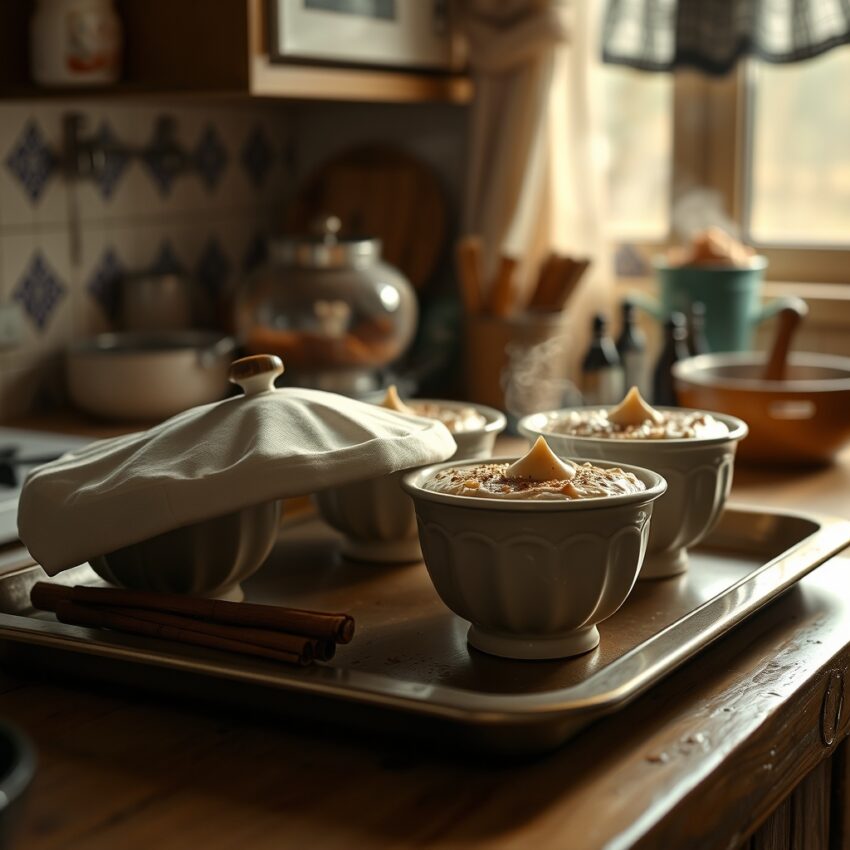
Bir zamanlar sütlaç pişen evde kokunun dolaşma biçimi bile başka olurdu. Süt kaynarken mutfaktan başlayan sıcaklık, koridora, avluya, açık pencereye doğru ağır ağır yayılır; tarçın kokusu mahalleye kadar sızan yumuşak bir haber gibi hissedilirdi. Özellikle akşamüstü saatlerinde tencerede kıvam alan sütlaç, yalnız aile için hazırlanan bir tatlı değil, paylaşılmaya hazır bir ev ikramı olurdu. Kaselere bölünür, üstüne tarçın serpilir, kimi zaman komşu tabağına ayrılır, kimi zaman hasta bir akrabaya gönderilir, kimi zaman kapı çalınca misafirin önüne konurdu. Tarçın kokulu sütlaç bu yüzden eski mutfak kültüründe yalnız damak tadını değil, evin dışarıya açılma biçimini de temsil eder. Onu yapmak kadar dağıtmak da tarifin parçasıdır.
Damak Hafızası açısından sütlacın bir dönemin paylaşma kültürünü taşıması, malzemesinin sadeliği ile duygusal dolaşımının genişliğinden gelir. Süt, pirinç, şeker ve tarçın gibi erişilebilir malzemelerle yapılan bu tatlı, gösterişsiz ama kapsayıcıdır. Büyük tepsili baklavalar kadar törenli değildir; tam da bu yüzden gündelik cömertliğe daha çok yakışır. Bir evde sütlaç piştiğinde, “bir kâse de karşı komşuya gitsin” fikri neredeyse kendiliğinden doğar. Paylaşmanın abartısız dili budur: evde o gün ne piştiyse, komşuluk bağına onunla dokunmak. Sütlacın yumuşak yapısı, tatlılığının hafifliği ve tarçının üstte bıraktığı tanıdık iz, onu hem çocuklara hem büyüklere yakın kılar. Böylece tatlı, yalnız yenilen bir şey olmaktan çıkıp ilişkileri tazeleyen küçük bir jest olur.
Eski mutfak kültürünü yaşatması da biraz bundan kaynaklanır. Çünkü sütlaç, hızın değil başında durmanın tatlısıdır. Sütün taşmaması için dikkat, pirincin iyi pişmesi için sabır, kıvamın tutması için deneyim ister. Tarçının ne zaman serpileceği, kaselerin nasıl soğutulacağı, üzerinin fırınlanıp fırınlanmayacağı her evde değişen küçük usuller taşır. İşte eski mutfak kültürü dediğimiz şey, tam da bu usullerin kuşaktan kuşağa aktarılmasıyla sürer. Anne kızına sütü karıştırma ritmini öğretir, büyükanne “şimdi tarçını fazla kaçırma” diye uyarır, çocuklar en üstü tarçınlı kâseyi kapmak için sıraya girer. Tarif, malzeme listesi olmaktan çıkıp bir ev içi davranış biçimine dönüşür.
Tarçın kokulu sütlaç aynı zamanda mutfağın ev dışındaki sosyal hayatla kurduğu bağı da görünür kılar. Eski mahallelerde ikramın yolu çoğu zaman resmî davetten değil, elde taşınan küçük kâselerden geçerdi. Üstüne ince bir tabak kapatılmış sütlaç, merdivenlerden inip çıkan çocukların elinde komşuya gider, dönüşte boş kâseyle birlikte birkaç iyi söz de eve taşınırdı. Bu küçük dolaşım, hem mutfak emeğini görünür kılar hem de paylaşmanın gündelik bir alışkanlık olduğunu hatırlatırdı. Sütlacın tarçın kokusu bu yüzden yalnız mutfakta değil, apartman boşluğunda, kapı önünde ve mahalle hafızasında da yaşar.
Bugün sütlaç hâlâ yapılır, hâlâ sevilir; ama onu nostaljik kılan şey, bir zamanlar taşıdığı toplumsal sıcaklıktır. Tarçın kokulu sütlaç bir dönemin paylaşma kültürünü, komşuluk nezaketini ve eski mutfağın sabırlı ritmini aynı kapta toplamıştır. Bu yüzden hafızada yalnız bir tatlı olarak kalmaz. O, evde pişen şeyin başka bir eve de ulaşması gerektiğine inanan eski hayat terbiyesinin tatlı biçimidir. Bir kâsenin üstüne serpilen tarçın, bazen bir mahallenin birbirine nasıl yakın durduğunu anlatmaya yeter.
🇬🇧 English | The Spirit of Sharing Gathered Around the Scent of Cinnamon
There was a time when even the way a smell moved through the house felt different when rice pudding was being made. The warmth beginning in the kitchen as milk simmered would slowly spread into the corridor, the courtyard, and the open window, and the scent of cinnamon felt like a soft piece of news drifting all the way into the neighborhood. Especially in the late afternoon, rice pudding thickening in a pot was not only a dessert prepared for the family, but a household treat already ready to be shared. It was ladled into bowls, dusted with cinnamon, set aside for a neighbor, sent to an ill relative, or placed before a guest who happened to knock at the door. That is why cinnamon-scented rice pudding represented in older kitchen culture not only a flavor, but also the way the home opened itself outward. Distributing it was as much a part of the recipe as making it.
From the perspective of taste memory, the reason rice pudding carries the culture of sharing from an earlier period lies in the simplicity of its ingredients and the breadth of its emotional circulation. Made from accessible ingredients such as milk, rice, sugar, and cinnamon, it is modest yet inclusive. It is not as ceremonial as trays of rich pastries, and precisely for that reason it suits everyday generosity better. When rice pudding was cooked in a home, the thought of sending a bowl to the neighbor across the hall arose almost by itself. That is the unexaggerated language of sharing: whatever is cooked that day becomes a thread in the fabric of neighborliness. The softness of the pudding, the lightness of its sweetness, and the familiar mark left by cinnamon on top make it close to both children and adults. In this way, the dessert ceases to be merely something eaten and becomes a small gesture that renews relationships.
Its power to keep old kitchen traditions alive comes partly from this as well. Rice pudding is not the dessert of speed, but of staying near the stove. It requires attention so the milk will not boil over, patience for the rice to soften well, and experience for the texture to settle properly. Each household carries its own small customs about when the cinnamon is added, how the bowls are cooled, and whether the top is browned or left pale. Old kitchen culture survives precisely through the passing down of such methods from one generation to another. A mother teaches her daughter the rhythm of stirring the milk, a grandmother warns not to go too far with the cinnamon, and children line up to claim the bowl with the heaviest dusting on top. The recipe stops being a list of ingredients and turns into a way of behaving inside the home.
The cinnamon-scented rice pudding also makes visible the bond between the kitchen and social life beyond the house. In older neighborhoods, the path of hospitality often passed not through formal invitations but through small bowls carried by hand. A bowl of rice pudding covered with a small plate would travel in the hands of children up and down staircases to a neighbor, and on the return trip the empty bowl would bring back a few kind words with it. That small circulation made domestic labor visible and reminded everyone that sharing was an ordinary habit. The scent of cinnamon therefore lived not only in the kitchen, but also in stairwells, at doorways, and in the memory of the neighborhood.
Today rice pudding is still made and still loved, yet what makes it nostalgic is the social warmth it once carried. Cinnamon-scented rice pudding gathered in a single bowl a period’s culture of sharing, the courtesy of neighborliness, and the patient rhythm of the old kitchen. That is why it remains in memory as more than a dessert. It is the sweet form of an older domestic ethic that believed what was cooked in one home ought to reach another as well. Sometimes the cinnamon sprinkled over one bowl is enough to tell the story of how closely a neighborhood once lived together.
🇧🇷 Português (Brasil) | O Espírito de Partilha Reunido ao Redor do Cheiro de Canela
Houve um tempo em que até a maneira como o cheiro circulava pela casa era diferente quando o arroz-doce estava no fogo. O calor que começava na cozinha, enquanto o leite fervia devagar, se espalhava lentamente pelo corredor, pelo quintal e pela janela aberta, e o perfume da canela parecia uma notícia suave alcançando até a vizinhança. Sobretudo no fim da tarde, o arroz-doce ganhando consistência na panela não era apenas uma sobremesa feita para a família, mas um agrado da casa já pronto para ser partilhado. Era servido em tigelas, recebia canela por cima e uma porção ia para o vizinho, outra seguia para um parente doente, outra esperava o visitante que batesse à porta. Por isso, o arroz-doce com cheiro de canela representava na antiga cultura da cozinha não apenas um sabor, mas também a forma como a casa se abria para fora. Distribuí-lo fazia parte da receita tanto quanto prepará-lo.
Do ponto de vista da memória do paladar, o motivo de o arroz-doce carregar a cultura de partilha de uma época está na simplicidade dos ingredientes e na amplitude da sua circulação afetiva. Feito com leite, arroz, açúcar e canela, ingredientes acessíveis, ele é modesto e ao mesmo tempo acolhedor. Não tem o caráter cerimonial de doces mais elaborados e, justamente por isso, combina melhor com a generosidade do cotidiano. Quando havia arroz-doce em casa, a ideia de mandar uma tigela para a vizinha surgia quase sozinha. Essa é a linguagem discreta da partilha: o que foi preparado naquele dia se transforma num fio de ligação com o outro. A textura macia, o dulçor leve e a marca familiar da canela na superfície aproximam a sobremesa de crianças e adultos. Assim, ela deixa de ser apenas algo para comer e se torna um gesto pequeno que renova os vínculos.
Seu papel em manter viva a antiga cultura da cozinha também nasce daí. O arroz-doce não é uma sobremesa da pressa, mas da permanência ao lado da panela. Exige atenção para o leite não subir, paciência para o arroz cozinhar bem e experiência para chegar ao ponto certo. Cada casa guarda seus pequenos costumes sobre o momento de colocar a canela, a forma de esfriar as tigelas e a decisão de levar ou não ao forno. A antiga cultura da cozinha continua viva justamente porque esses modos são passados de uma geração para outra. A mãe ensina à filha o ritmo de mexer o leite, a avó avisa para não exagerar na canela, e as crianças disputam a tigela com a camada mais perfumada. A receita deixa de ser apenas lista de ingredientes e se transforma em modo de viver a cozinha.
O arroz-doce com cheiro de canela também torna visível o vínculo entre a cozinha e a vida social fora de casa. Nos bairros antigos, a hospitalidade muitas vezes não passava por convites formais, mas por pequenas tigelas levadas à mão. Uma porção coberta com um pratinho subia e descia escadas nas mãos das crianças até a casa do vizinho, e voltava depois com a tigela vazia e algumas palavras gentis. Essa pequena circulação tornava visível o trabalho da cozinha e lembrava a todos que partilhar era um hábito comum. Por isso, o cheiro da canela vivia não só na cozinha, mas também na escada, na porta e na memória do bairro.
Hoje o arroz-doce ainda é feito e ainda é amado, mas o que o torna nostálgico é o calor social que um dia carregou. O arroz-doce com cheiro de canela reuniu numa mesma tigela a cultura de partilha de uma época, a delicadeza da vizinhança e o ritmo paciente da antiga cozinha. É por isso que ele permanece na memória como algo maior do que uma sobremesa. Ele é a forma doce de uma antiga ética doméstica que acreditava que o que se cozinhava numa casa também devia alcançar outra. Às vezes, a canela polvilhada sobre uma tigela basta para contar como um bairro já viveu em maior proximidade.