 Eski Pano
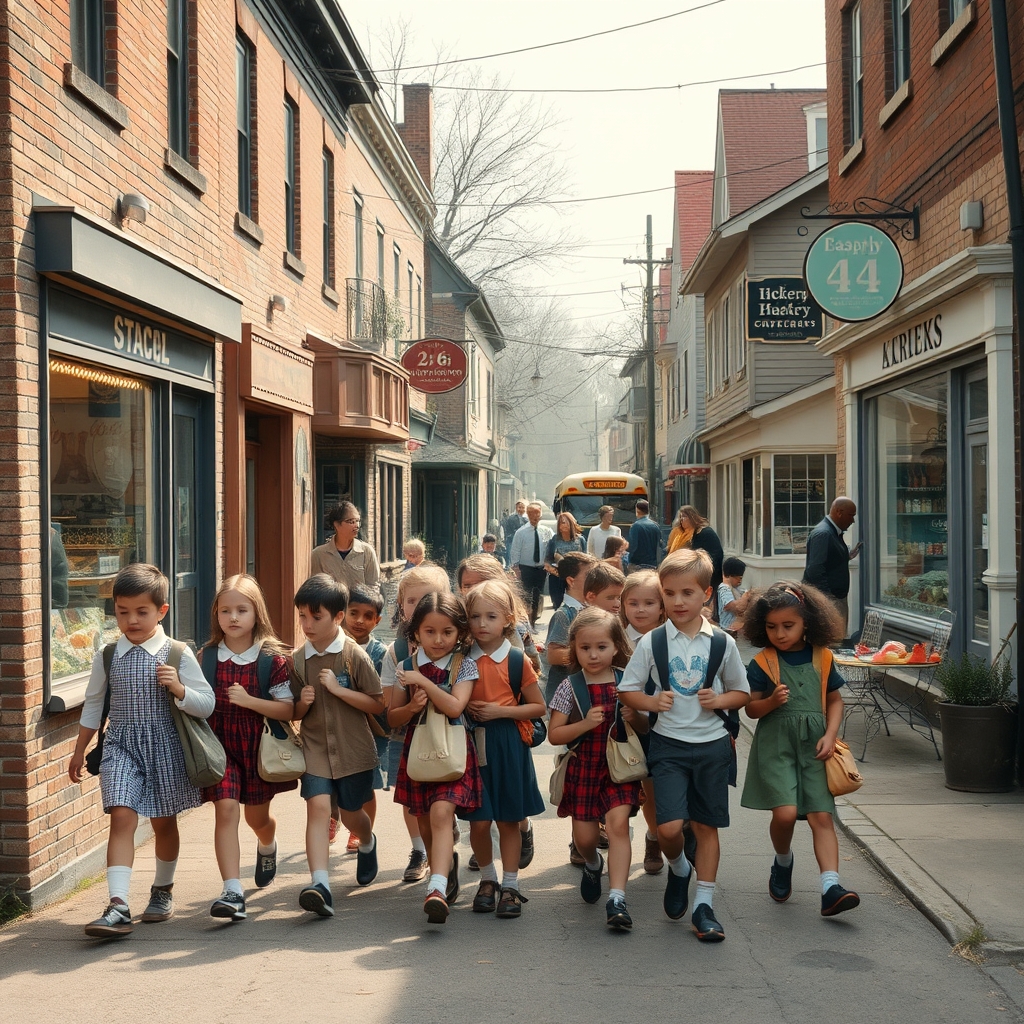
There was a time when the road to school was not simply the short distance between home and classroom. It was part of learning the morning language of the neighborhood, memorizing the faces of shopkeepers, and growing up alongside the street itself. In years before school transport fully organized daily life, children often walked together, gathered at the same corner with their bags over their shoulders, and reached school by passing the same shops every morning. The grocer’s shutter would be half open, the first smell of bread would drift from the bakery, the stationer would be wiping the display window, and the greengrocer would be carrying crates outside. This repeated route became a lesson through which children learned not only the road, but the people of the neighborhood as well.
From the perspective of neighborhood culture, those walks built one of the most natural networks of everyday relationships. Shopkeepers came to know children not merely as customers, but as small neighbors passing before their eyes each day. Over time it became known who studied at which school, who feared a mathematics exam, who saved pocket money for a simit, and whose shoelace always came undone while walking. Children, in turn, learned where a greeting was expected, which older man seemed stern in the morning but softened by noon, and which shopkeeper aunt would pass across the freshest candy from the shelf. The neighborhood thus became not only a place one lived in, but a pattern of recognition rebuilt day after day.
Small stops along the route were central to the strengthening of that bond. A single pastry bought before school, a soda shared on the way back, a rushed visit to the stationer for a forgotten pencil all created an unofficial yet constant contact between children and shopkeepers. Shopkeepers noticed the children’s tone of voice, the speed at which they grew, and the way their mood changed with the season. Children, meanwhile, sensed here that the adult world was not only rule-giving, but also protective and watchful. Phrases like “cross carefully,” “you seem late,” or “give my regards to your mother” made street life feel safer and more rooted. The school route was therefore not only a physical path, but a social one.
Walking together also nurtured a different kind of conduct among children themselves. No one was to be left behind. The younger child’s hand was held. On rainy days everyone gathered beneath the same awning. They warned each other not to linger too long in front of the corner shop. Shopkeepers were the quiet witnesses of this shared procession. Seeing the same faces every morning, noticing coats grow thinner with the seasons or children turn quieter during exam weeks, kept the neighborhood’s memory alive. As those children grew older, they continued to shop in the same stores, and later, when they led their own children through the same streets, the trace of those old greetings appeared again.
Today the school bus system may be faster and more controlled, but the warmth left by the bond between walking children and neighborhood shopkeepers belonged to something else. That bond did not come from a planned social activity, but from repeated daily encounters. The faces seen again and again on the same street played a large role in helping a child feel that they belonged to their surroundings. Neighborhood shopkeepers were like the invisible teachers of the school route. They taught children not only the habits of buying, but also the habits of greeting, being remembered, and belonging to a community. That is why the old walks to school remain in memory as something much larger than the road itself.
How Did the Hours Spent with Children Walking Together Instead of Taking the School Bus Strengthen the Bond with Neighborhood Shopkeepers?
🇹🇷 Okul Servisi Yerine Birlikte Yürüyen Çocuklar İle Geçen Saatler Mahalle Esnafıyla Bağı Nasıl Güçlendirdi
🇵🇹 Como as Horas Passadas Com Crianças Caminhando Juntas em Vez de Pegarem a Van Escolar Fortaleceram o Vínculo Com os Comerciantes do Bairro?
🇬🇧 The Small Neighborhood Agreement Formed on the Way to School
🇹🇷 Okul Yolunda Kurulan Küçük Mahalle Sözleşmesi
Bir zamanlar okul yolu, sadece ev ile sınıf arasındaki kısa mesafe değildi. O yol, mahallenin sabah dilini öğrenmenin, esnafın yüzünü ezberlemenin ve çocukların sokakla birlikte büyümesinin parçasıydı. Servis araçlarının henüz hayatı bütünüyle düzenlemediği yıllarda çocuklar çoğu kez birlikte yürür, çantalarını omuzlarına geçirip aynı köşede buluşur, her sabah benzer dükkânların önünden geçerek okula varırdı. Bakkalın kepengi yarıya kadar açılmış olur, fırından ilk ekmek kokusu yayılır, kırtasiyeci camekânı siler, manav kasaları dışarı dizerdi. Bu tekrar eden rota, çocukların yalnız yolu değil, mahallenin insanlarını da tanıdığı bir hayat dersi gibiydi.
Mahalle Kültürü açısından bu yürüyüşler gündelik hayatın en doğal ilişki ağlarından birini kurardı. Esnaf, çocukları sadece müşteri olarak değil, her gün göz hizasında geçen küçük komşular olarak tanırdı. Kimin hangi okulda okuduğu, kimin matematik sınavından çekindiği, kimin harçlığını simide sakladığı, kimin ayakkabı bağcığını yürürken sürekli çözdüğü zamanla bilinir hâle gelirdi. Çocuklar da buna karşılık hangi dükkânda selam verilmesi gerektiğini, hangi amcanın sabah huysuz göründüğünü ama öğlene doğru yumuşadığını, hangi teyzenin raftan en taze akideyi uzattığını öğrenirdi. Böylece mahalle, yalnız yaşanılan yer değil; her gün yeniden kurulan bir tanışıklık düzeni olurdu.
Bu bağın güçlenmesinde yol üzerindeki küçük duraklar belirleyiciydi. Bazen okul öncesi alınan tek bir poğaça, bazen dönüşte paylaşılan bir gazoz, bazen unutulan kalem için aceleyle uğranan kırtasiye, çocukla esnaf arasında resmî olmayan ama sürekli bir temas yaratırdı. Esnaf çocukların ses tonunu, büyüme hızını, mevsime göre değişen neşesini fark eder; çocuklar da yetişkin dünyasının yalnız kural koyan değil, koruyan ve gözeten tarafını burada hissederdi. Mahallede yürüyen çocuklara “dikkatli geçin”, “geç kaldınız galiba”, “annenize selam söyleyin” gibi cümlelerle seslenilmesi, sokak hayatını daha güvenli ve daha aidiyetli kılan küçük sözlerdi. Okul yolu bu yüzden fiziksel olmaktan çok toplumsal bir güzergâhtı.
Birlikte yürümek çocuklar arasında da başka bir terbiyeyi büyütürdü. Kimsenin arkada kalmaması, küçüğün elinden tutulması, yağmurlu günde saçak altına birlikte sığınılması, köşedeki dükkânın önünde gereksiz oyalanmamak için birbirini uyarmak, hepsi mahalleyle kurulan ilişki kadar önemliydi. Esnaf bu ortak yürüyüşün sessiz tanığıydı. Her sabah aynı yüzleri görmek, mevsimlere göre montların inceldiğini ya da sınav haftasında çocukların daha sessizleştiğini fark etmek, mahallenin hafızasını canlı tutardı. Çocuklar büyüdükçe o dükkânlardan alışveriş etmeye devam eder, sonra kendi çocuklarını aynı sokaklardan geçirirken eski selamların izi yeniden görünürdü.
Bugün okul servisi düzeni daha hızlı ve daha kontrollü olabilir; ama birlikte yürüyen çocukların mahalle esnafıyla kurduğu bağın bıraktığı sıcaklık başka türlüydü. Çünkü o bağ, planlanmış bir sosyal programdan değil, tekrar eden gündelik karşılaşmalardan doğuyordu. Aynı sokakta her gün yeniden görülen yüzler, bir çocuğun kendini çevresine ait hissetmesinde büyük rol oynardı. Mahallenin esnafı, okul yolunun görünmeyen öğretmenleri gibiydi. Onlar çocuklara yalnız alışverişi değil; selamı, hatırlanmayı ve topluluğun parçası olmayı da öğretti. Bu yüzden eski okul yürüyüşleri, yolun kendisinden çok daha fazlası olarak hafızada kaldı.
🇵🇹 O Pequeno Acordo de Bairro Construído no Caminho da Escola
Houve um tempo em que o caminho da escola não era apenas a curta distância entre a casa e a sala de aula. Era parte de aprender a linguagem matinal do bairro, decorar o rosto dos comerciantes e crescer junto com a própria rua. Nos anos em que o transporte escolar ainda não organizava por completo a vida cotidiana, as crianças muitas vezes iam andando juntas, encontravam-se na mesma esquina com as mochilas nos ombros e chegavam à escola passando pelas mesmas lojas todas as manhãs. A porta do mercadinho ficava meio aberta, o primeiro cheiro de pão saía da padaria, a papelaria limpava a vitrine e o verdureiro colocava as caixas para fora. Esse percurso repetido virava uma lição de vida na qual as crianças conheciam não só o caminho, mas também as pessoas do bairro.
Do ponto de vista da cultura de bairro, essas caminhadas construíam uma das redes mais naturais das relações cotidianas. Os comerciantes não conheciam as crianças apenas como clientes, mas como pequenos vizinhos que passavam todos os dias diante de seus olhos. Com o tempo, sabia-se quem estudava em qual escola, quem estava preocupado com a prova de matemática, quem guardava a mesada para comprar um simit e quem andava sempre com o cadarço desamarrado. As crianças, por sua vez, aprendiam em qual loja era preciso cumprimentar, qual senhor parecia mais sério pela manhã mas amolecia depois do meio-dia, e qual tia da mercearia entregava da prateleira o doce mais fresco. Assim, o bairro deixava de ser apenas um lugar onde se mora e se tornava uma ordem de reconhecimento reconstruída todos os dias.
As pequenas paradas ao longo do trajeto eram decisivas para fortalecer esse vínculo. Às vezes era um único pãozinho comprado antes da aula, às vezes um refrigerante dividido na volta, às vezes a corrida até a papelaria por causa de um lápis esquecido. Tudo isso criava um contato não oficial, mas constante, entre as crianças e os comerciantes. Os lojistas percebiam o tom de voz das crianças, a rapidez com que cresciam e a mudança de humor trazida pelas estações. As crianças, por sua vez, sentiam ali que o mundo adulto não servia apenas para impor regras, mas também para proteger e observar. Frases como “atravessem com cuidado”, “acho que vocês estão atrasados” ou “mandem lembranças para sua mãe” tornavam a vida da rua mais segura e mais enraizada. Por isso, o caminho da escola era menos um trajeto físico e mais um percurso social.
Andar junto também fazia crescer outro tipo de disciplina entre as próprias crianças. Ninguém devia ficar para trás. A mão do menor era segurada. Nos dias de chuva, todos se abrigavam debaixo do mesmo toldo. Uns lembravam os outros de não perder tempo demais diante da lojinha da esquina. Os comerciantes eram as testemunhas silenciosas dessa pequena procissão. Ver os mesmos rostos todas as manhãs, notar os casacos ficando mais leves nas mudanças de estação ou a turma ficando mais quieta nas semanas de prova mantinha viva a memória do bairro. Quando essas crianças cresciam, continuavam comprando nas mesmas lojas e, depois, ao levar seus próprios filhos pelas mesmas ruas, o rastro dos antigos cumprimentos reaparecia.
Hoje o sistema de transporte escolar pode ser mais rápido e mais controlado, mas o calor deixado pelo vínculo entre crianças que iam andando e comerciantes do bairro pertencia a outra ordem. Esse vínculo não nascia de uma atividade social planejada, mas de encontros cotidianos repetidos. Os rostos vistos de novo e de novo na mesma rua tinham um papel importante para que a criança se sentisse pertencente ao lugar onde vivia. Os comerciantes eram como professores invisíveis do caminho da escola. Eles ensinavam às crianças não só os hábitos de comprar, mas também os de cumprimentar, ser lembrado e fazer parte de uma comunidade. É por isso que as antigas caminhadas até a escola permanecem na memória como algo muito maior do que o simples trajeto.