🇹🇷 Türkçe | Sokak lambalarının altında büyüyen anılarda çarşı vitrini gezmenin başlı başına eğlence olduğu günler: unutulan ayrıntılarıyla bize ne söylüyor çiçek kokulu sokaklar
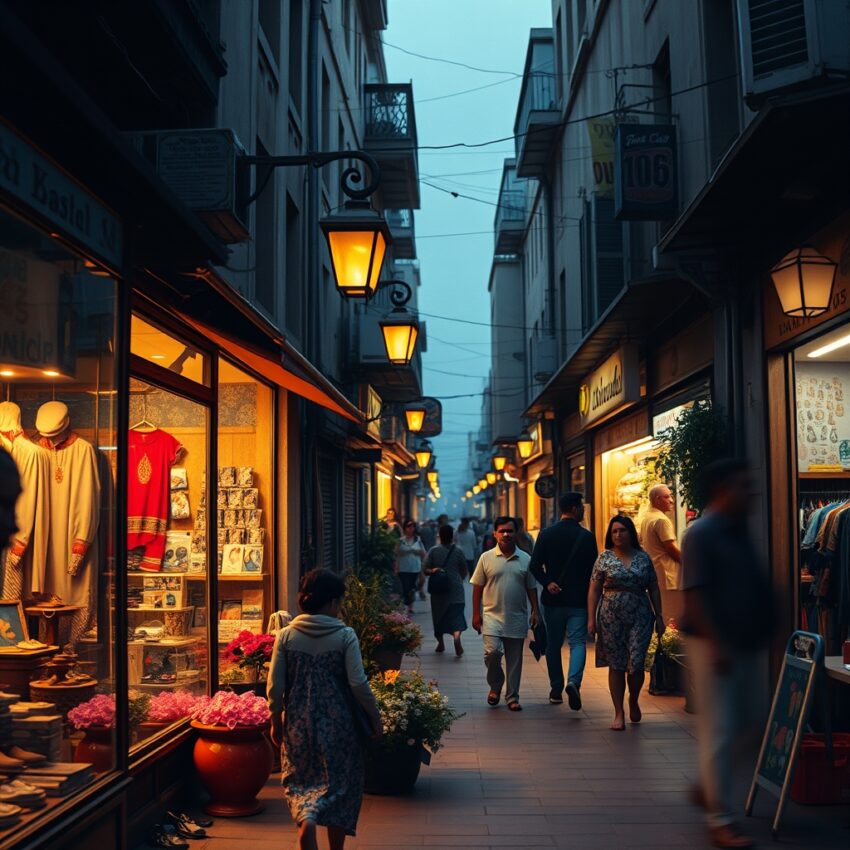
Akşamın şehre ağır ağır indiği saatlerde, çarşı yalnız alışveriş yapılan bir yer değil, başlı başına bir seyir alanı olurdu. Sokak lambaları henüz bütün karanlığı kovmadan önce kaldırımlar sarı bir ışığa bulanır, vitrin camları bu ışığı alıp ipek kumaşlara, emaye tencerelere, rugan ayakkabılara ve kurdeleli kutulara geri yansıtırdı. Çocuklar anne babalarının yanında yürürken her vitrinin önünde biraz yavaşlar, büyükler bazen fiyat sormadan yalnız bakmanın verdiği o tuhaf mutluluğu yaşardı. Havada akşam serinliğiyle karışan hanımeli, ıhlamur ya da sabun kokusu dolaşır; bu yüzden çarşı gezmek, bir ihtiyaç listesinden çok daha fazlasını anlatan küçük bir şehir ritüeline dönüşürdü.
Zamanın İzinde bakıldığında bu vitrin gezmeleri, tüketim kültüründen önce gelen bir kent terbiyesini de hatırlatır. İnsanlar her şeyi hemen satın almak için değil, dünyaya nasıl bakacaklarını öğrenmek için de çarşıya çıkardı. Kumaşçı vitrinindeki dikiş inceliği, saatçinin camekanındaki düzen, şekerlemecinin renkleri ya da ayakkabıcının cilalı yüzeyi; hepsi gündelik zevkin sessiz öğretmenleri gibiydi. Esnaf da bu ritmin bir parçasıydı. Kapısının önünü süpüren manifaturacı, vitrini akşam olmadan önce son kez düzelten kuyumcu, camekana buğu düşmesin diye kapıyı aralık bırakan pastacı, çarşının hem görünüşünü hem hafızasını kurardı. Bu yüzden sokak lambalarının altında dolaşmak, biraz da şehrin kendini akşam için yeniden toplamasını izlemek demekti.
Bu günleri unutulmaz yapan ayrıntıların çoğu bugün küçük görünse de etkisi büyüktü. Vitrin camına yaklaşınca görülen dantel örtü, uzaktan işitilen tramvay zili ya da minibüs kornası, kaldırım kenarında çekirdek çitleyen gençler, babasının elini bırakıp oyuncak vitrininin önüne koşan çocuk; bütün bu sahneler şehir hayatını daha katmanlı kılıyordu. İnsanlar birbirlerini görür, selam verir, “şöyle bir dolaşmaya çıktık” cümlesini gerçekten yaşardı. Çarşı gezisi, alışverişten çok birlikte vakit geçirmenin bahanesiydi. Belki bir şey alınmazdı ama eve dönünce “şu vitrindeki elbise ne güzeldi” ya da “yeni gelen radyoları görmeliydin” diye süren sohbet, geziyi evin içine de taşırdı.
Çiçek kokulu sokaklar ise bu hafızanın en yumuşak tarafını oluşturur. Eski şehir merkezlerinde dükkânların arasında saksılar, apartman girişlerinde sardunyalar, avlulardan taşan yaseminler ve mevsimine göre yol kenarına düşen ağaç kokuları olurdu. Beton henüz bütün yüzeyleri yutmamışken, akşam yürüyüşü aynı zamanda kokuların da gezisiydi. Bu durum çarşıyı yalnız görsel değil, duyusal bir mekâna çevirirdi. İnsan hafızası da tam burada güçlenirdi; çünkü bir vitrini yalnız ışığıyla değil, önünden geçerken duyduğu koku ve işittiği sesle hatırlar. Bu yüzden o sokaklar bugün akılda daha şiirsel kalıyor. Onlar, şehrin yalnız görünen değil hissedilen tarafını temsil ediyor.
Bugün aynı caddelerde ışık daha parlak, vitrinler daha büyük ve tüketim daha hızlı olabilir; yine de eskisinin sıcaklığına kolay kolay ulaşılamıyor. Çünkü o dönemde çarşı vitrini gezmek, aceleye karşı küçük bir dirençti. İnsanlar kendilerini cam yüzeylerde değil, birbirlerinin bakışında ve ortak yavaşlığında görürdü. Sokak lambalarının altında büyüyen anılar bize şimdi şunu söylüyor: şehir, yalnız binalarla değil, dolaşma biçimiyle de kurulur. Unutulan ayrıntılar dediğimiz şeyler; çiçek kokusu, esnafın yüzü, vitrine bakmanın sabrı ve eve dönünce anlatılan küçük heyecanlardır. Nostalji de tam bu yüzden güçlüdür; geçmişi kusursuzlaştırdığı için değil, bir zamanlar sıradan olanın ne kadar derin bir yaşama duygusu taşıdığını hatırlattığı için.
🇬🇧 English | The Days When Strolling Past Bazaar Shop Windows Was Entertainment in Itself Within Memories Growing Under Street Lamps: What Do Flower-Scented Streets Tell Us with Their Forgotten Details
In the hours when evening slowly descended over the city, the bazaar was not merely a place for shopping. It became a place of watching, wandering, and absorbing. Before the street lamps had fully defeated the dark, the pavements would fill with a yellow glow, and shop windows would catch that light and return it through silk fabrics, enamel pots, polished shoes, and ribboned boxes. Children walking beside their parents slowed down in front of each display, while adults experienced the peculiar happiness of looking without necessarily buying. In the air, the coolness of evening mixed with the scent of honeysuckle, linden, or clean soap. For that reason, walking past the windows of the bazaar turned into a small urban ritual that spoke of much more than a list of necessities.
Seen through the lens of time, these window strolls recall an urban courtesy that came before aggressive consumer culture. People went to the bazaar not only to purchase things, but also to learn how to look at the world. The delicacy in the draper’s display, the order inside the watchmaker’s window, the colors at the candy shop, or the polished surfaces at the shoemaker all became quiet teachers of everyday taste. Shopkeepers were part of that rhythm as well. The cloth seller sweeping his doorway, the jeweler adjusting the display one last time before dusk, and the pastry seller leaving the door slightly open so the glass would not steam up all helped build both the appearance and the memory of the bazaar. To walk there under the street lamps was also to watch the city gather itself again for the evening.
Many of the details that made those days unforgettable seem small today, yet their effect was large. The lace cloth seen up close against the window, the distant bell of a tram or the horn of a minibus, teenagers cracking sunflower seeds by the pavement, a child running from a father’s hand to the toy display: all these scenes gave city life its layers. People saw one another, exchanged greetings, and truly lived the sentence, “We just went out for a little stroll.” A walk through the bazaar was less about buying than about finding a reason to spend time together. Perhaps nothing was purchased at all, yet once back home the conversation continued: “That dress in the window was beautiful,” or “You should have seen the new radios.” The outing entered the house with them and lived on there a little longer.
The flower-scented streets formed the softest part of this memory. In older city centers there were flowerpots between shops, geraniums at apartment entrances, jasmine overflowing from courtyards, and seasonal tree scents falling toward the road. Before concrete swallowed every surface, an evening walk was also a walk through layers of fragrance. That made the bazaar not merely a visual place, but a sensory one. Memory becomes stronger at exactly that point, because a person recalls a shop window not only through its light, but through the scent and sound encountered while passing it. That is why those streets now survive in the mind with a near-poetic quality. They represent the side of the city that was not only seen, but deeply felt.
Today the lights on those same avenues may be brighter, the windows larger, and consumption faster, yet the old warmth is harder to reach. In that period, strolling past bazaar windows was a small act of resistance against haste. People saw themselves not in reflective surfaces alone, but in one another’s glances and in a shared slowness. The memories that grew beneath the street lamps tell us something important now: a city is built not only by its buildings, but by the way one moves through it. The forgotten details are the scent of flowers, the face of the shopkeeper, the patience of looking into a window, and the small excitement retold at home. That is why nostalgia remains so powerful. Not because it makes the past perfect, but because it reminds us how much lived feeling once resided in what seemed entirely ordinary.
🇧🇷 Português (Brasil) | Os Dias em que Passear Pelas Vitrines do Bazar Era Diversão por Si Só nas Memórias que Cresceram Sob os Postes de Rua: O que Nos Dizem as Ruas com Cheiro de Flores com Seus Detalhes Esquecidos
Nas horas em que a noite descia devagar sobre a cidade, o bazar não era apenas um lugar de compras. Ele se transformava em espaço de contemplação, passeio e absorção do cotidiano. Antes que os postes de rua afastassem totalmente a escuridão, as calçadas se enchiam de uma luz amarelada, e as vitrines devolviam esse brilho através de tecidos de seda, panelas esmaltadas, sapatos envernizados e caixas enfeitadas com fitas. As crianças que caminhavam ao lado dos pais diminuíam o passo diante de cada vitrine, enquanto os adultos experimentavam a estranha felicidade de apenas olhar, sem necessariamente comprar. No ar, a brisa da tarde se misturava ao perfume de madressilva, tília ou sabão limpo. Por isso, passear diante das vitrines do bazar virava um pequeno ritual urbano que dizia muito mais do que uma simples lista de necessidades.
Vistos pelo olhar do tempo, esses passeios lembram uma educação urbana anterior à cultura do consumo apressado. As pessoas iam ao bazar não só para adquirir coisas, mas também para aprender a olhar o mundo. A delicadeza exposta na loja de tecidos, a ordem dentro da vitrine do relojoeiro, as cores da doceria ou o brilho organizado da sapataria funcionavam como professores silenciosos do gosto cotidiano. Os comerciantes também faziam parte desse compasso. O vendedor de tecidos varrendo a porta, o joalheiro arrumando a vitrine uma última vez antes do anoitecer, ou o dono da confeitaria deixando a entrada entreaberta para o vidro não embaçar ajudavam a construir a aparência e a memória do bazar. Caminhar ali sob os postes era também assistir à cidade se recompor para a noite.
Muitos dos detalhes que tornavam aqueles dias inesquecíveis parecem pequenos hoje, mas seu efeito era imenso. A toalha rendada vista de perto atrás do vidro, o som distante do bonde ou da buzina do micro-ônibus, os jovens quebrando sementes na beira da calçada, a criança que solta a mão do pai para correr até a vitrine de brinquedos: tudo isso dava camadas à vida urbana. As pessoas se viam, se cumprimentavam e realmente viviam a frase “saímos só para dar uma volta”. Passear pelo bazar era menos comprar e mais encontrar um motivo para ficar junto. Talvez nada fosse levado para casa, mas a conversa seguia depois: “aquele vestido da vitrine era lindo” ou “você precisava ter visto os rádios novos”. O passeio entrava no lar com elas e continuava vivo por mais algumas horas.
As ruas com cheiro de flores formavam o lado mais suave dessa lembrança. Nos centros urbanos antigos havia vasos entre as lojas, gerânios nas entradas dos prédios, jasmins escapando dos pátios e o perfume das árvores caindo sobre a rua conforme a estação. Antes que o concreto engolisse todas as superfícies, caminhar ao entardecer também era caminhar por camadas de aroma. Isso tornava o bazar um espaço não apenas visual, mas profundamente sensorial. A memória se fortalece exatamente aí, porque a pessoa recorda uma vitrine não só pela luz, mas também pelo cheiro e pelo som encontrados ao passar. Por isso essas ruas permanecem hoje na mente com uma qualidade quase poética. Elas representam a parte da cidade que não era apenas vista, mas sentida com profundidade.
Hoje as luzes dessas mesmas avenidas podem ser mais fortes, as vitrines maiores e o consumo mais veloz, mas o calor antigo é mais difícil de alcançar. Naquele período, passear diante das vitrines era uma pequena resistência contra a pressa. As pessoas não se viam apenas nos reflexos do vidro, mas também no olhar umas das outras e numa lentidão compartilhada. As memórias que cresceram sob os postes de rua nos dizem algo importante: uma cidade é construída não só por seus prédios, mas pela maneira como se caminha por ela. Os detalhes esquecidos são o perfume das flores, o rosto do comerciante, a paciência de olhar uma vitrine e o pequeno entusiasmo contado ao voltar para casa. É por isso que a nostalgia permanece tão forte. Não porque torne o passado perfeito, mas porque lembra quanto sentimento vivido havia naquilo que parecia completamente comum.