 Eski Pano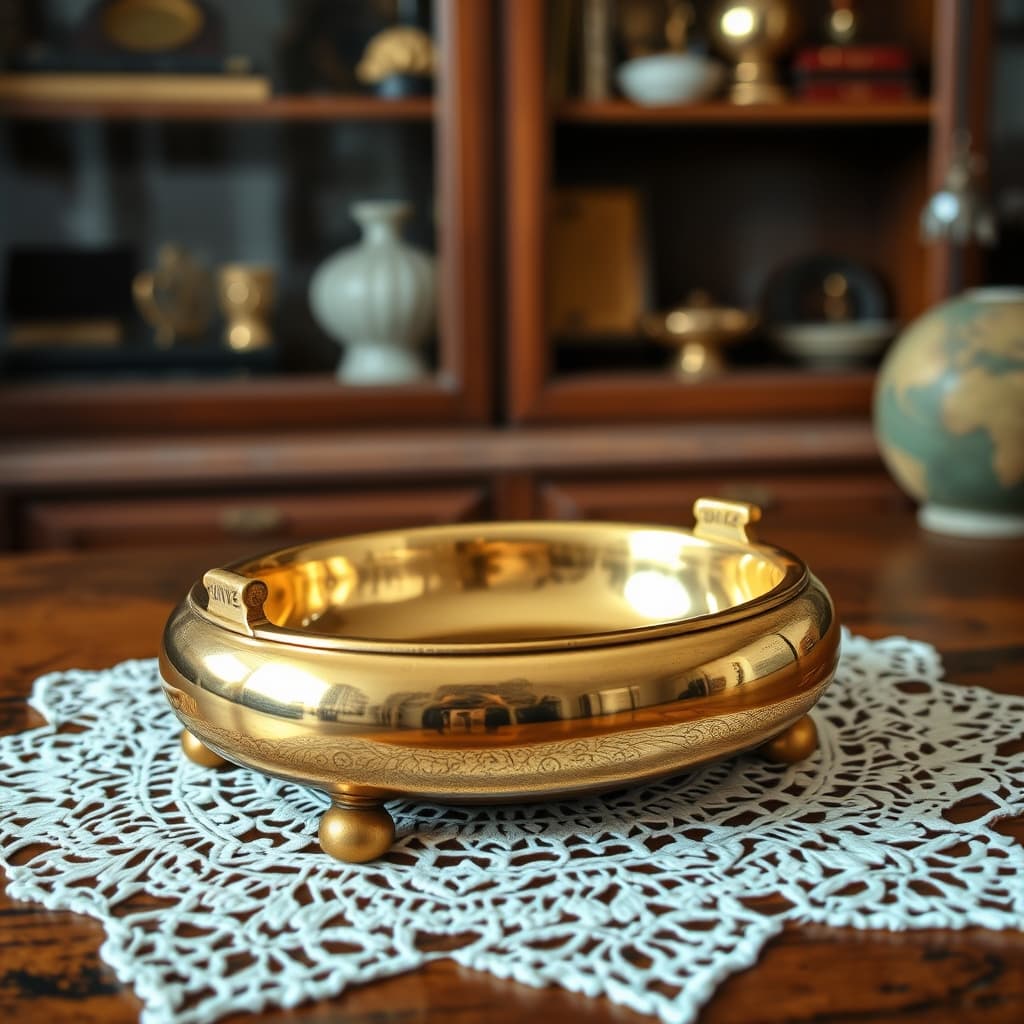
Brass Ashtrays And The Collectors Who Follow Old Taste belongs to the kind of memory that first appears as a detail and only later reveals its depth. There is the brass ashtray, a small scene held between habit and emotion, and around it the old city seems to slow down. In memories of brass ashtrays followed by collectors, the past does not arrive as a museum display. It comes with breath, dust, impatience, appetite, and the ordinary noise of people moving through a day that still had edges.
What remains strongest is lace covers, guest rooms, polished shelves, quiet conversations, and the heavy shine of an object meant to be seen. These details are not decoration. They are the texture that made the moment believable, and they explain why the memory could survive when larger events faded. A generation often remembers itself through objects and thresholds: a booth door, a darkroom tray, a polished table, a garden wall, or a plate set down at exactly the right hour. Such things held emotion without demanding a speech.
The Ritual Inside The Ordinary
The ritual around brass ashtrays followed by collectors was modest, but it shaped attention. People waited, adjusted, shared, reached, listened, or looked again. They learned how taste can hide a complete social code inside a small object. That lesson was not written anywhere, yet it passed from person to person through gestures. It lived in the way someone counted coins carefully, handled paper by its edges, polished a surface before guests arrived, stretched a hand toward fruit, or made room at the table for one more child.
Eski Pano often returns to these objects because they are reliable witnesses. Official history records dates, names, and decisions, but domestic and neighbourhood history records temperature, smell, light, and hesitation. It remembers who was waiting, who was expected, who was shy, who was hungry, and who pretended not to be moved. The smaller record is not less true. In many cases it is more intimate and therefore harder to replace.
Why This Memory Still Works
In the present, efficiency has changed the emotional weight of many rituals. Calls are instant, photographs appear before they are desired, objects are replaced before they are repaired, fruit comes packaged, and sweets can be ordered without the shared pause of a table. None of this means the present is empty. It means the older memory now offers a different kind of instruction. It reminds us that slowness was sometimes a form of care.
the brass ashtray continues to speak because it gathered people around a shared limit. There was only so much time, so much light, so much patience, so much room, or so much sweetness. The limit did not reduce the experience. It gave the experience shape. People leaned into it, negotiated with it, and made a small social world from it. That is why the memory feels warm without becoming sentimental.
Looking back at brass ashtrays followed by collectors, we are not asked to copy the past exactly. We are invited to recover the attentiveness that the past made easier to practise. The object, the place, and the gesture all say the same quiet thing: daily life becomes memorable when someone notices it while it is still happening. That may be the most useful inheritance of all.