
Skip to content

Eski Pano

🇬🇧 Exploring the beauty of the past 🇹🇷 Geçmişin güzelliğini keşfedin 🇧🇷 Explorando a beleza do passado

Menu
Menu

Formun Fonksiyonla Dansı: Bauhaus Mobilya Estetiği | The Dance of Form and Function: Bauhaus Furniture Aesthetics | A Dança da Forma e Função: A Estética dos Móveis Bauhaus

Posted on 02/03/202602/03/2026 by admin

🇹🇷 Türkçe | Formun Fonksiyonla Dansı: Bauhaus Mobilya Estetiği

  1. yüzyılın başlarında Almanya’da doğan Bauhaus felsefesi, yalnızca bir tasarım anlayışı değil, yaşamın tamamını dönüştürmeyi amaçlayan köklü bir düşünceydi. Sanat ile zanaatı birleştiren bu yaklaşım, süslemeye dayalı geçmiş stillere bilinçli bir karşı çıkış niteliği taşıyordu. “Az çoktur” ilkesi, evlerimize giren her eşyanın yalnızca estetik değil, aynı zamanda işlevsel olması gerektiğini savunuyordu. Bauhaus için güzellik, fazlalıkta değil; netlikte, dengede ve dürüstlükte saklıydı.

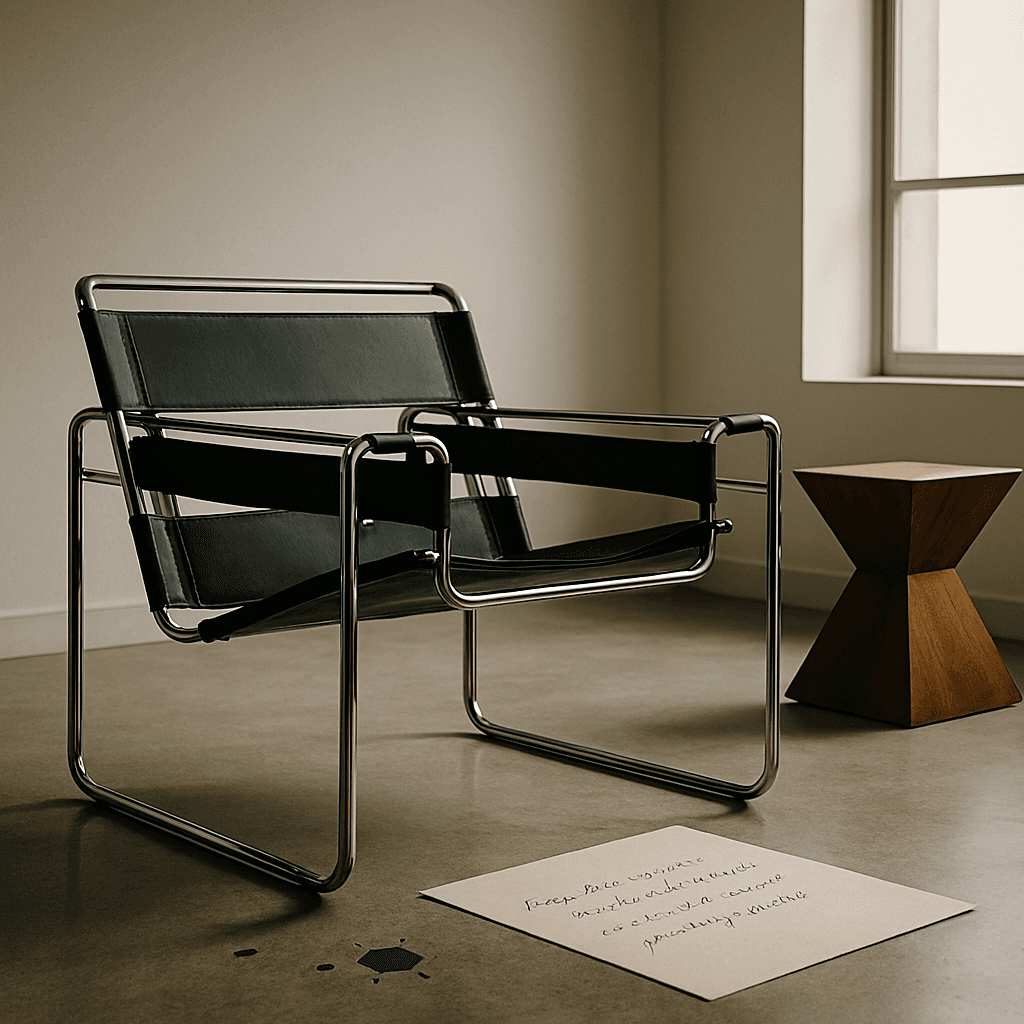
Bu anlayışın mobilyaya yansıması devrim niteliğindeydi. Metal boru şaseler, o güne kadar mobilyada pek alışılmadık bir malzeme olarak öne çıktı. Hafif ama dayanıklı çelik iskeletler, seri üretime uygun yapılarıyla modern yaşamın hızına cevap veriyordu. Geometrik kesimler, daireler, kareler ve düz çizgilerle kurulan bu formlar, nesnelerin ne işe yaradığını saklamıyor, aksine açıkça ilan ediyordu. Bir sandalye sandalyeydi; bir masa, yalnızca masa olmanın dürüstlüğünü taşıyordu.

Ahşap yüzeyler, metal detaylarla dengeleniyor; renk paleti bilinçli olarak sade tutuluyordu. Siyah, beyaz, gri ve ana renkler, dikkat dağıtıcı olmadan mekânın ritmini kuruyordu. Bu mobilyalar süslenmek için değil, yaşamak için tasarlanmıştı. Oturulan, çalışılan, kullanılan her parça; insan bedeninin ölçülerine, hareketlerine ve ihtiyaçlarına göre şekillenmişti. Bauhaus tasarımı, konforu gizli bir lüks değil, temel bir hak olarak görüyordu.

Zamanla bu mobilyaların yalnızca eşya olmadığı anlaşıldı. Onlar, modern yaşamın manifestolarıydı. Endüstriyle barışık, seri üretimi benimseyen ama insan ölçeğini unutmayan bir dünya görüşünü temsil ediyorlardı. Bugün “modern”, “minimal” ya da “retro” olarak tanımlanan pek çok tasarımın kökleri, bu geometrik disipline dayanır. Düz çizgiler, açık strüktürler ve işlev odaklı estetik hâlâ Bauhaus’un mirasını taşır.

Bauhaus tarzının zamansız olmasının nedeni, modaya değil, ihtiyaca dayanmasıdır. Bugünün karmaşık, görsel olarak gürültülü dünyasında bu net ve sade çizgiler, zihne bir mola sunar. Formun fonksiyonla dans ettiği bu yaklaşım, bize azla yetinmenin değil; doğruyla yaşamanın huzurunu hatırlatır.


🇬🇧 English | The Dance of Form and Function: Bauhaus Furniture Aesthetics

Born in Germany at the beginning of the 20th century, the Bauhaus philosophy was not merely a design approach but a radical way of rethinking life itself. By uniting art and craftsmanship, it stood in deliberate opposition to decorative styles of the past. The principle of “less is more” argued that every object entering our homes should serve not only an aesthetic purpose but also a clear function. For Bauhaus, beauty was not found in excess, but in clarity, balance, and honesty.

This philosophy led to a revolutionary transformation in furniture design. Metal tube frames emerged as an unconventional yet defining material. Lightweight yet durable steel structures responded to the pace of modern life with forms suitable for mass production. Geometric cuts—circles, squares, and straight lines—created designs that did not hide their purpose but openly declared it. A chair was simply a chair; a table carried the honesty of being nothing more and nothing less than a table.

Wooden surfaces were balanced with metal details, while the color palette was intentionally restrained. Black, white, gray, and primary colors established rhythm without visual distraction. These pieces were not designed to decorate but to be lived with. Every chair, desk, and shelf was shaped according to the proportions, movements, and needs of the human body. Bauhaus design treated comfort not as a hidden luxury, but as a fundamental right.

Over time, it became clear that these objects were more than furniture. They were manifestos of modern living. Embracing industry and serial production without abandoning human scale, they represented a new worldview. Many designs we now label as “modern,” “minimal,” or “retro” trace their roots back to this geometric discipline. Clean lines, exposed structures, and function-driven aesthetics still carry the Bauhaus legacy today.

The timelessness of Bauhaus lies in its focus on necessity rather than fashion. In today’s visually crowded and complex world, its clear and simple forms offer mental relief. This dance between form and function reminds us that true comfort comes not from abundance, but from living with what is essential and well designed.


🇧🇷 Português (Brasil) | A Dança da Forma e Função: A Estética dos Móveis Bauhaus

Nascida na Alemanha no início do século XX, a filosofia Bauhaus não foi apenas um estilo de design, mas uma forma radical de repensar a vida cotidiana. Ao unir arte e artesanato, posicionou-se conscientemente contra os estilos decorativos do passado. O princípio do “menos é mais” defendia que cada objeto presente em nossos lares deveria ter não só valor estético, mas também uma função clara. Para a Bauhaus, a beleza não estava no excesso, mas na clareza, no equilíbrio e na honestidade.

Essa visão provocou uma verdadeira revolução no design de móveis. Estruturas de tubos metálicos surgiram como um material inovador e marcante. Leves e resistentes, os esqueletos de aço respondiam ao ritmo da vida moderna e favoreciam a produção em série. Cortes geométricos — círculos, quadrados e linhas retas — criavam formas que não escondiam sua função, mas a declaravam abertamente. Uma cadeira era apenas uma cadeira; uma mesa carregava a honestidade de ser exatamente aquilo que era.

Superfícies de madeira eram equilibradas por detalhes metálicos, enquanto a paleta de cores permanecia intencionalmente contida. Preto, branco, cinza e cores primárias estabeleciam ritmo sem distrações visuais. Esses móveis não foram feitos para decorar, mas para serem usados. Cada peça era moldada de acordo com as proporções, movimentos e necessidades do corpo humano. O design Bauhaus via o conforto não como um luxo oculto, mas como um direito essencial.

Com o tempo, ficou claro que esses objetos eram mais do que simples móveis. Eram manifestos da vida moderna. Em harmonia com a indústria e a produção em série, sem perder a escala humana, representavam uma nova visão de mundo. Muitos dos designs que hoje chamamos de “modernos”, “minimalistas” ou “retrô” têm suas raízes nessa disciplina geométrica. Linhas limpas, estruturas aparentes e uma estética orientada pela função ainda carregam o legado Bauhaus.

A atemporalidade do estilo Bauhaus reside em seu foco na necessidade, e não na moda. Em um mundo atual visualmente carregado e complexo, suas formas simples e claras oferecem alívio mental. Essa dança entre forma e função nos lembra que o verdadeiro conforto não vem da abundância, mas de viver com o essencial, bem pensado e bem projetado.


Category: Obje Hikayeleri / Object Stories / Histórias de Objetos

Yazı gezinmesi

← El Yazısının Zarafeti: Mürekkepli Kalemler ve Mektup Aşkı | The Elegance of Handwriting: Ink Pens and the Art of Letter Writing | A Elegância da Caligrafia: Canetas de Tinta e a Arte de Escrever Cartas
Zamanın Kalp Atışı: Mekanik Saatlerin Görünmez Dünyası | The Heartbeat of Time: The Invisible World of Mechanical Watches | O Batimento do Tempo: O Mundo Invisível dos Relógios Mecânicos →

Bir yanıt yazın Yanıtı iptal et

E-posta adresiniz yayınlanmayacak. Gerekli alanlar * ile işaretlenmişlerdir

🇹🇷 Retro, Tarih ve Nostaljik Hikayeler
🇬🇧 Retro, History & Vintage Stories
🇧🇷 Histórias Retro, Históricas e Vintage

Son Yazılar | Recent Posts | Postagens recentes

  • Sabahın İlk Müjdecisi: Sıcak Somun ve Taş Fırınlar | The First Messenger of Morning: Hot Loaves and Stone Ovens | O Primeiro Mensageiro da Manhã: Pães Quentes e Fornos de Pedra
  • Bayramın Habercisi: Kartpostallar ve Uzaktaki Sesler | Harbingers of Holidays: Postcards and Distant Voices | Mensageiros de Feriados: Cartões-Postais e Vozes Distantes
  • Evlerin Işık Saçan Şiiri: Gaz Lambaları | The Glowing Poetry of Homes: Kerosene Lamps | A Poesia Luminosa das Casas: Lampiões a Gás
  • Cepteki Küçük Dünya: Klasik Çakılar ve Zanaatın İzleri | A Small World in the Pocket: Classic Pocket Knives | Um Pequeno Mundo no Bolso: Canivetes Clássicos
  • 5 Mart: Göklerin İlk Devi – Zeplinlerin Altın Çağı | March 5: The Golden Age of Zeppelins – Giants of the Sky | 5 de Março: A Era de Ouro dos Zepelins – Gigantes do Céu

Son Yorumlar | Recent Comments | Comentários recentes

  1. fjuleir - Gazoz Kapaklarından Koleksiyonlara | Treasures of the Street: Soda Caps | Tesouros de Rua: Tampinhas de Garrafa
  2. nerpev - Kadifeden Atlasa: Sandık Mirası | Velvet and Silk: The Legacy of Hope Chests | Veludo e Seda: O Legado dos Baús de Enxoval

Arşivler | Archives | Arquivos

  • Mart 2026
  • Şubat 2026

Kategoriler | Categories | Categorias

  • Damak Hafızası / Taste of Memory / Memória do Paladar
  • Mahalle Kültürü / Neighborhood Culture / Cultura do Bairro
  • Obje Hikayeleri / Object Stories / Histórias de Objetos
  • Teknoloji Mirası / Tech Heritage / Herança Tecnológica
  • Uncategorized
  • Zamanın İzinde / Traces of Time / Trilhas do Tempo
© 2026 Eski Pano | Powered by Minimalist Blog WordPress Theme