 Eski Pano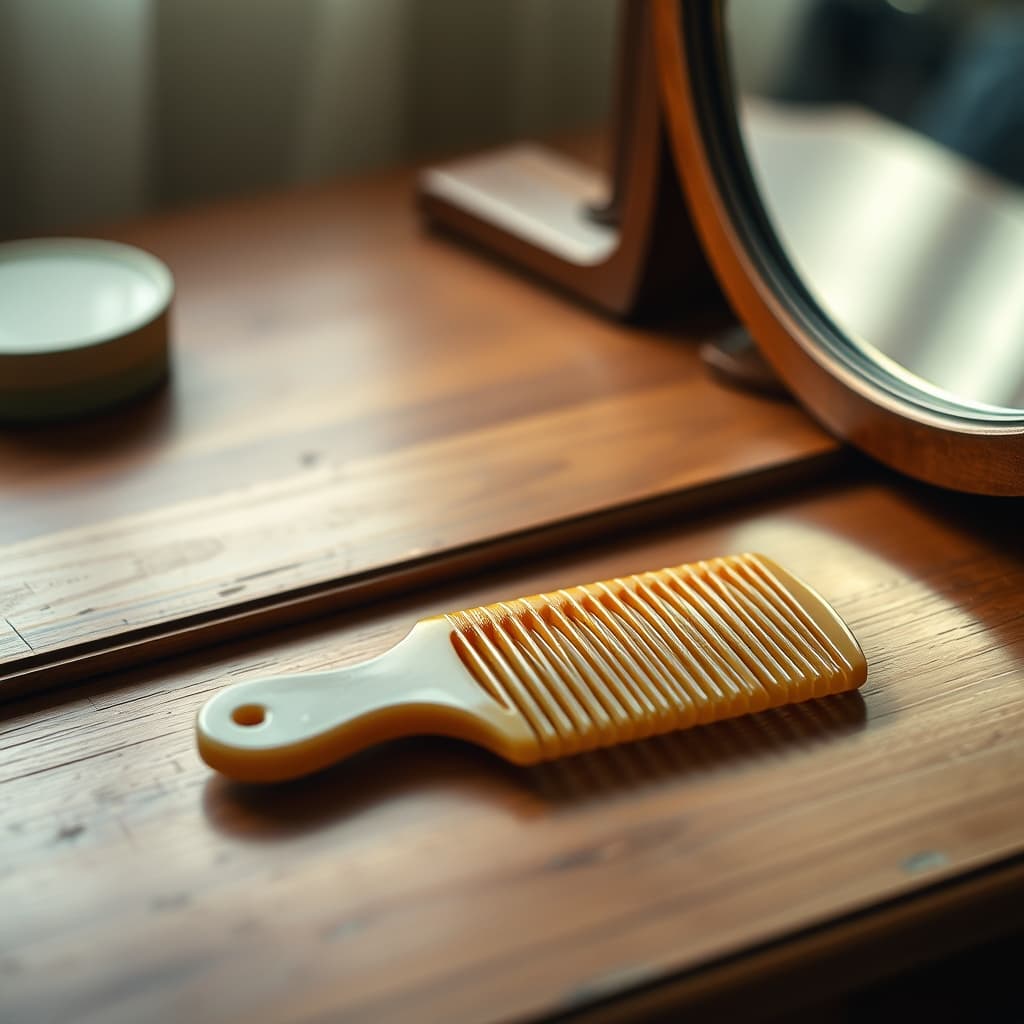
Bakelite Combs And The Invisible Trace Of Daily Use begins with a memory that seems almost too small to explain a period, yet that is exactly why it matters. There is the bakelite comb, surrounded by streets, rooms, hands, routines, and the changing light of an ordinary day. In memories of bakelite combs leaving invisible traces of use, the past does not arrive as spectacle. It arrives through touch, sound, appetite, hesitation, and the repeated ways people learned to belong.
The clearest texture is morning mirrors, hair oil, drawer shadows, careful teeth, and a hand reaching without looking. These details keep the scene from becoming decorative nostalgia. They show that memory is not only made from great events, but also from surfaces touched many times, routes walked without thinking, devices handled with care, and foods prepared before anyone thought to write down the recipe. The ordinary object becomes a container because life keeps returning to it.
The Habit That Survived
Around bakelite combs leaving invisible traces of use, people learned how use can give a small object emotional weight. Nobody announced this lesson formally. It came through repetition, through the small confidence of knowing where to stand, what to listen for, when to wait, how to share, and when to reach out. A flyer made the city readable. A cassette deck made voices keepable. A comb made routine visible. A walk made streets familiar. A plate made hunger feel cared for.
Eski Pano values these scenes because they make culture visible at human scale. They do not require heroic language. Instead, they show how a neighbourhood taught reading, how a family taught listening, how a dressing table taught steadiness, how schoolchildren taught one another direction, and how a kitchen taught comfort. Such lessons shaped people quietly, which is often why they lasted.
Why It Returns Now
The present has changed many of the conditions that made these rituals common. Announcements arrive on screens, voices are stored without effort, grooming objects are replaced quickly, children travel in more controlled routes, and meals are often compressed into individual schedules. Yet the old memory returns because it carries a kind of attention that still feels necessary. It reminds us that usefulness and tenderness once stood very close together.
the bakelite comb still speaks because it belonged to a shared tempo. It asked someone to stop, rewind, comb, walk, taste, read, or wait. Those actions slowed the day enough for feeling to attach itself. The memory is not saying that the old world was simpler in every way. It is saying that some ordinary acts gave people practice in noticing one another and noticing themselves.
Looking back at bakelite combs leaving invisible traces of use, the useful inheritance is not a full return to the past. It is the recovery of small attention. If we can see dignity in repeated use, warmth in shared routes, and care in simple food, then today’s objects may also become future memory. That is the quiet promise held by this modest scene.
There is also a tender discipline in the way this memory works. Around bakelite combs leaving invisible traces of use, people learned to trust ordinary repetition without making it dull. The same hand, street, sound, drawer, or plate could return every day and still feel alive, because each return carried a slightly different need for company, comfort, or recognition.