🇹🇷 Türkçe | fırından yeni çıkan ramazan pidesi sofraya geldiğinde neden bütün ev aynı kokuyla dolardı tatil rehavetinin ortasında dilden dile taşınan bir hatıra gibi
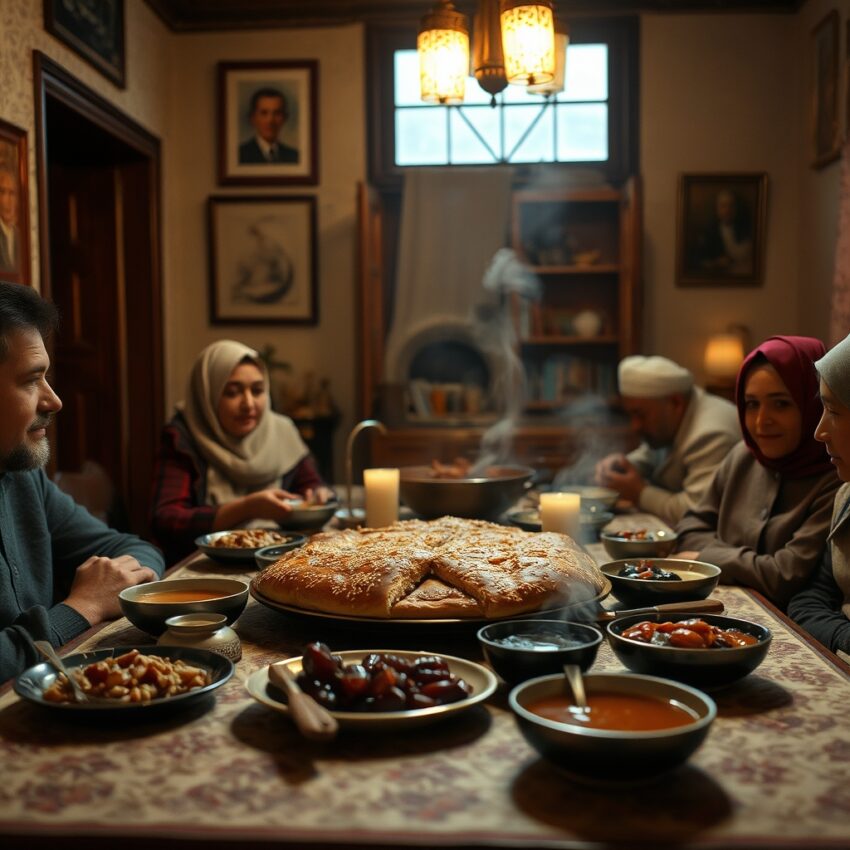
Bir zamanlar ramazan akşamlarının en beklenen anlarından biri, pideyi eve getiren adımların kapıya yaklaşmasıydı. İftara az kalmış, mutfakta çorbanın son karıştırılışı yapılmış, masaya tabaklar dizilmiş, bardaklar suyla doldurulmuş olurdu. O sırada fırından yeni çıkmış ramazan pidesi eve girdiğinde yalnız sofraya bir ekmek gelmezdi; bütün evi saran ayrı bir iklim de birlikte gelirdi. Susamın kavruk kokusu, sıcak hamurun buğusu ve taş fırının hafif isli havası, koridordan salona kadar her yere yayılırdı. Tatil rehavetinin içinde bile bu an herkesi aynı anda canlandırırdı. Çünkü pide kokusu, yalnız açlığı değil, yaklaşan beraberliği de haber verirdi.
Damak Hafızası yönünden bakıldığında ramazan pidesinin etkisi, lezzetinden önce kokusuyla başlar. Eski şehir hayatında fırınla ev arasında kurulan ilişki çok güçlüydü; insanlar hangi saatte tepsi çıkacağını, hangi fırının pidesinin daha ince ya da daha kabarık olduğunu, susamın nerede daha cömert serildiğini bilirdi. İftar öncesi fırın önünde oluşan sıra, mahalle için neredeyse günlük bir buluşmaya dönüşürdü. Eve getirilen pide ise bu dışarıdaki hareketi içeri taşıyan son halka olurdu. Çoğu zaman daha sofraya oturulmadan çocuklar koparmak ister, büyükler “ezan okunsun” diye uyarırdı. Kokunun bu kadar güçlü hatırlanmasının sebebi, onun bekleyişle birlikte çalışmasıydı.
Bu kokunun bütün evi doldurması biraz da eski evlerin hayat düzeniyle ilgilidir. Kapılar tam kapanmaz, mutfakla salon arasında sesler ve kokular rahatça dolaşır, iftar hazırlığı evin her köşesine yayılırdı. Bir yanda hurma tabağı hazırlanır, bir yanda güllaç dinlenir, bir yanda çay suyu beklerken pidenin sıcaklığı bu düzeni tek bir merkezde toplardı. Ramazan pidesi sofraya konduğunda aile üyeleri yalnız aynı masaya değil, aynı kokuya da yaklaşmış olurdu. Bu yüzden hatıra dilden dile taşınır: herkesin evinde farklı yemekler pişse de, pidenin kokusu ortak bir ramazan dili kurardı.
Tatil rehavetinin ortasında bu anın özel kalması da anlamlıdır. Yaz ramazanlarında gün uzun, beden ağır, sokaklar daha sessiz olabilir; ama fırından gelen pide bütün uyuşukluğu bir anda dağıtır. Eve dönüş yolunda kese kâğıdını hafifçe yağlandıran sıcaklık, masaya bırakıldığında yükselen buhar ve ilk koparılan parçanın içindeki yumuşaklık, iftarı sıradan bir öğünden ayırırdı. Komşuya bir parça gönderilmesi, artanın sahurda yenmesi ya da ertesi gün pidenin bile bile hatırlanması, bu ekmeğin sofradaki yerini güçlendirirdi. O yüzden hatırlanan yalnız tadı değil, etrafında kurulan paylaşma hâlidir.
Bugün pek çok şey daha hızlı hazırlanıyor, kokular daha çabuk dağılıyor, sofralar daha kısa sürüyor olabilir. Yine de ramazan pidesi denildiğinde birçok insanın aklına önce koku geliyorsa, bunun sebebi onun damak hafızasında derin bir yere sahip olmasıdır. Fırından yeni çıkan pide, geçmişte aileyi aynı sofrada, aynı bekleyişte ve aynı sevinçte toplayan bir işaret gibiydi. Bu yüzden evin aynı kokuyla dolduğu o akşamlar yalnız nostaljik değildir; aynı zamanda paylaşılmış zamanın, mahalle fırınının ve ramazan terbiyesinin en canlı tanıklarıdır. Dilden dile taşınan hatıra da tam burada yaşar.
🇬🇧 English | When Freshly Baked Ramadan Pide Reached the Table, Why Did the Whole House Fill with the Same Scent, Like a Memory Passed from Tongue to Tongue in the Languor of a Holiday
There was a time when one of the most anticipated moments of Ramadan evenings was hearing the footsteps that brought the pide to the door. Iftar was near, the soup had received its final stir, plates had been set on the table, and glasses had been filled with water. When freshly baked Ramadan pide entered the home, it was not only bread arriving at the meal; another climate entered with it as well. The roasted scent of sesame, the steam of warm dough, and the lightly smoky air of the stone oven spread from the hallway into the sitting room. Even in the languor of a holiday, that moment revived everyone at once. The smell of pide announced not only hunger, but the nearness of being together.
Seen through taste memory, the power of Ramadan pide begins with smell before flavor. In old urban life, the bond between bakery and home was strong; people knew at what hour the trays would come out, which bakery made a thinner or fuller pide, and where the sesame was laid on most generously. The line forming before the bakery prior to iftar almost became a daily gathering for the neighborhood. The pide brought home was the final link carrying that movement from outside to inside. Often children wanted to tear off a piece before anyone sat down, while elders warned them to wait for the call to prayer. The reason the smell is remembered so strongly is that it worked together with anticipation.
The way that scent filled the whole house also has to do with the life of older homes. Doors were not shut tightly, sounds and aromas moved freely between kitchen and sitting room, and the preparations for iftar spread into every corner. Dates were arranged on one side, gullac was left to rest on another, water for tea waited elsewhere, and the warmth of the pide gathered that domestic order around a single center. When the Ramadan bread was placed on the table, family members came closer not only to the same meal, but also to the same scent. That is why the memory is passed from tongue to tongue: even if different dishes were cooked in each home, the smell of pide established a common Ramadan language.
It is also meaningful that this moment remained special in the languor of holiday time. During summer Ramadans the days could be long, the body heavy, the streets quieter, yet bread from the oven dispersed that weariness at once. The warmth that lightly greased the paper bag on the walk home, the steam rising when it was placed on the table, and the softness inside the first torn piece all separated iftar from an ordinary meal. Sending a portion to a neighbor, eating what remained at sahur, or remembering the bread on purpose the next day strengthened its place at the table. For that reason, what remains in memory is not only its taste, but the state of sharing built around it.
Today many things are prepared more quickly, scents disperse faster, and meals may end sooner. Yet if the first thing many people think of when Ramadan pide is mentioned is its smell, the reason is that it occupies a deep place in taste memory. Freshly baked pide once gathered a family around the same table, the same expectation, and the same joy. That is why those evenings when the whole house filled with one scent are not only nostalgic; they are also vivid witnesses to shared time, the neighborhood bakery, and the etiquette of Ramadan. The memory passed from one mouth to another lives exactly there.
🇧🇷 Português (Brasil) | Quando a Pide de Ramadã Saída do Forno Chegava à Mesa, Por Que a Casa Inteira se Enchia do Mesmo Cheiro, Como uma Lembrança Passada de Boca em Boca no Langor das Férias
Houve um tempo em que um dos momentos mais esperados das noites de Ramadã era ouvir os passos que traziam a pide até a porta. O iftar estava perto, a sopa recebia a última mexida, os pratos já estavam postos e os copos, cheios de água. Quando a pide de Ramadã saía do forno e entrava em casa, não era apenas pão chegando à mesa; outro clima entrava junto. O cheiro tostado do gergelim, o vapor da massa quente e o ar levemente defumado do forno de pedra se espalhavam do corredor até a sala. Mesmo no langor das férias, esse instante despertava todos ao mesmo tempo. O cheiro da pide anunciava não só a fome, mas a proximidade do encontro.
Pela perspectiva da memória do paladar, a força da pide de Ramadã começa pelo aroma antes mesmo do sabor. Na antiga vida urbana, o vínculo entre a padaria e a casa era muito forte; as pessoas sabiam a que hora as fornadas saíam, qual padaria fazia a pide mais fina ou mais alta, e onde o gergelim era espalhado com mais generosidade. A fila diante do forno antes do iftar quase se transformava num encontro diário do bairro. A pide levada para casa era o último elo que trazia esse movimento de fora para dentro. Muitas vezes as crianças queriam arrancar um pedaço antes de todos se sentarem, enquanto os mais velhos pediam que se esperasse o chamado da oração. A razão de esse cheiro ser lembrado com tanta força é que ele agia junto da expectativa.
O fato de esse aroma encher a casa inteira também tem relação com o modo de vida das casas antigas. As portas não ficavam totalmente fechadas, os sons e os cheiros circulavam livremente entre a cozinha e a sala, e a preparação do iftar se espalhava por cada canto. De um lado se arrumavam as tâmaras, de outro o gullac descansava, em outro ponto a água do chá esperava, e o calor da pide reunia toda essa ordem doméstica num centro único. Quando o pão de Ramadã era colocado na mesa, os membros da família se aproximavam não só da mesma refeição, mas também do mesmo cheiro. Por isso a lembrança passa de boca em boca: ainda que pratos diferentes fossem preparados em cada casa, o aroma da pide criava uma linguagem comum do Ramadã.
Também é significativo que esse momento continuasse especial no langor do tempo de férias. Nos Ramadãs de verão os dias podiam ser longos, o corpo mais pesado e as ruas mais silenciosas, mas o pão vindo do forno dissipava de imediato essa lentidão. O calor que deixava o saco de papel levemente engordurado no caminho de volta, o vapor que subia quando ele era posto sobre a mesa e a maciez escondida no primeiro pedaço rasgado distinguiam o iftar de uma refeição qualquer. Mandar um pedaço para o vizinho, comer o que sobrava no sahur ou lembrar de propósito daquele pão no dia seguinte reforçava seu lugar na mesa. Por isso, o que fica na memória não é apenas o gosto, mas a partilha construída ao redor dele.
Hoje muitas coisas são preparadas mais depressa, os aromas se dispersam mais rápido e as refeições podem durar menos. Ainda assim, se a primeira coisa que muitas pessoas pensam quando se fala em pide de Ramadã é o cheiro, isso acontece porque ela ocupa um lugar profundo na memória do paladar. A pide recém-saída do forno reunia a família em torno da mesma mesa, da mesma expectativa e da mesma alegria. Por isso aquelas noites em que a casa inteira se enchia de um único aroma não são apenas nostálgicas; elas também são testemunhas vivas do tempo compartilhado, da padaria do bairro e da etiqueta do Ramadã. A lembrança passada de boca em boca vive exatamente aí.