🇹🇷 Türkçe | okul dönemi dönüşlerinde simitçinin sabah çağrısı neden eski mahallelerin en sıcak sahnesiydi
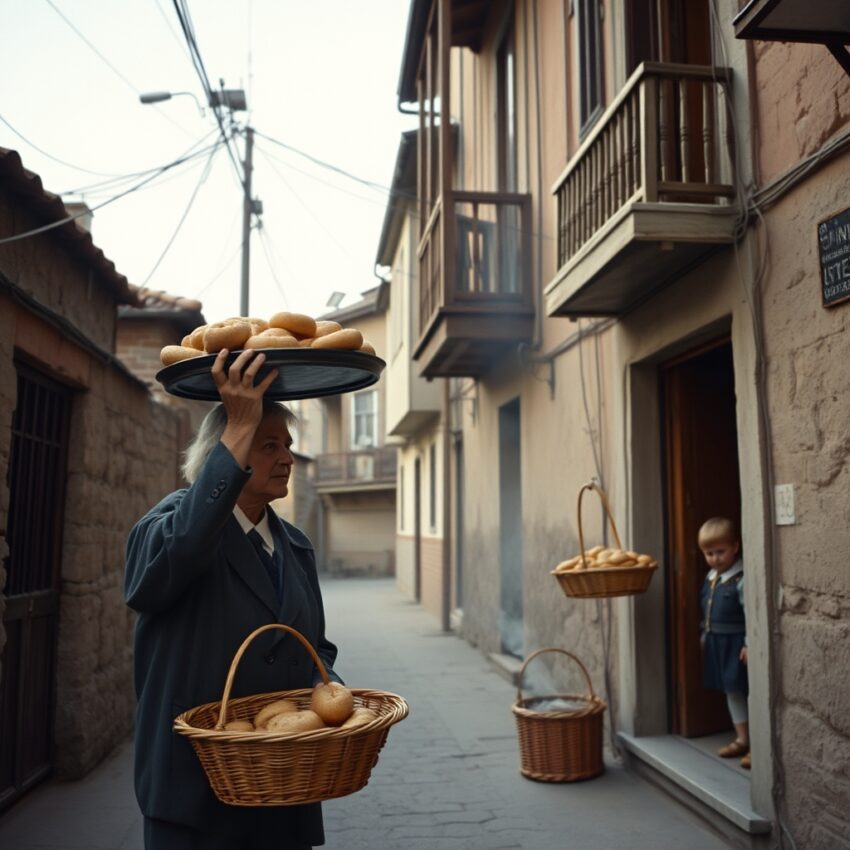
Bir zamanlar okul dönemi başladığında mahalle sabahlarının sesi bambaşka olurdu. Yazın gevşekliği çekilir, sokaklar yeniden erken saatlerin telaşına alışırken, bu hareketin en tanıdık işaretlerinden biri simitçinin sesi olurdu. Henüz çay demlenmiş, okul önlüğü ütüden çıkmış, ayakkabı bağı aceleyle bağlanmışken sokaktan yükselen o çağrı, evlerin içindeki telaşı bir anda düzenlerdi. Çocuk “annem simit alalım mı” diye seslenir, pencereden sarkıtılan sepet iner, birkaç dakika içinde sıcak susam kokusu kapıya dayanırdı. Eski mahallelerin en sıcak sahnelerinden biri işte bu yüzden sabahın tam ortasında kurulurdu: çünkü simitçinin çağrısı yalnız ekmek haberi değil, birlikte başlayan günün sesi sayılırdı.
Mahalle Kültürü açısından bakıldığında bu çağrının sıcaklığı, esnaf ile ev arasındaki gündelik yakınlıktan doğuyordu. Bugünün kapalı alışveriş düzeninin aksine eski mahallelerde satıcı sesleri sokağın nabzını kurardı. Sütçü, bozacısı, yoğurtçusu nasıl kendi vaktiyle hatırlanıyorsa, simitçi de özellikle okul günlerinin vazgeçilmez figürlerinden biriydi. Sabahın serinliğinde omzunda tablası ya da el arabasıyla görünen bu esnaf, mahallenin çocuklarını, annelerini, apartman görevlisini, erken çıkan memuru birbirine görünmez biçimde bağlardı. Aynı çağrıyı duyan insanlar, birbirlerinin pencerelerinde benzer bir hareketi sezerdi. Böylece simit almak küçük bir alışverişten çıkıp ortak bir sabah ritmine dönüşürdü.
Bu sahnenin unutulmayan tarafı, ayrıntılarındaki ev sıcaklığıdır. Mutfakta beyaz peynir hazırlanır, çay bardağına daha çok sıcak su eklenir, okul çantası kapının yanına bırakılırken simidin üzerine sürülecek tereyağı ya da üçgen peynir düşünülürdü. Çocuklar çoğu zaman simidi elde tutup yürümek ister, anneler “çabuk ye, servis gelecek” diye seslenirdi. Kimi apartmanda komşular birbirine para bozdurur, kimi sokakta simitçi birkaç dakika bekleyip herkesin sepetini tamamlamasını sabırla izlerdi. O küçük bekleyişte bile mahalleye ait olmanın inceliği vardı. Çünkü esnaf, yalnız satan değil, mahallenin zamanını bilen kişiydi.
Okul dönemi dönüşleri bu çağrıyı daha da anlamlı kılardı. Yaz boyunca dağılmış düzen yeniden toplanırken çocukların erkenden uyanması, üniforma kokusu, defterlerin sert kapağı ve sabah serinliği yeni mevsimin habercisi olurdu. Simitçinin sesi bütün bunların arasına sıcak, tanıdık ve rahatlatıcı bir çizgi çekerdi. Evden çıkan çocuk için o ses, günün sıkılığına karşı küçük bir ödüldü; yetişkin içinse sabahın telaşını yumuşatan tanıdık bir teminat. Mahallenin sokakları böylece yalnız işe ve okula koşulan yerler değil, sesler aracılığıyla birbirini tutan canlı bir doku hâline gelirdi. Simitçinin çağrısı, o dokunun en sevilen parçalarından biriydi.
Bugün kahvaltı çoğu zaman daha hızlı, sokak daha sessiz ve alışveriş daha anonim olabilir. Yine de eski mahalleleri hatırlayanların zihninde simitçinin sabah çağrısı hâlâ sıcak kalır. Çünkü bu ses, bir yiyeceğin çok ötesinde, komşulukla kurulan gündelik güveni de taşıyordu. Okul dönemi sabahlarında duyulan o çağrı, insanlara hem mahallenin uyandığını hem de günün paylaşılabilir olduğunu hissettirirdi. Belki de bu yüzden eski mahallelerin en sıcak sahnesi, tam da çocukların okula hazırlandığı saatlerde, simitçinin sokağa bıraktığı sestir.
🇬🇧 English | Why Was the Simit Seller’s Morning Call, at the Return of the School Term, the Warmest Scene of Old Neighborhoods
There was a time when the sound of neighborhood mornings changed completely once the school term began. The looseness of summer withdrew, the streets became accustomed again to early-hour haste, and one of the most familiar signs of that movement was the voice of the simit seller. Tea had only just been brewed, school uniforms had come fresh from the iron, and shoelaces were being tied in a hurry when that call rose from the street and suddenly organized the bustle inside the home. A child would ask, “shall we buy simit,” a basket would be lowered from the window, and within minutes the warm smell of sesame would arrive at the door. One of the warmest scenes of old neighborhoods was built exactly there, in the middle of morning, because the simit seller’s call was counted not only as news of bread, but as the sound of a day beginning together.
Seen from the perspective of neighborhood culture, the warmth of that call came from the everyday closeness between the street vendor and the home. Unlike today’s enclosed shopping routines, the cries of sellers once established the pulse of the street. Just as the milkman, the boza seller, and the yogurt vendor were remembered by their own hours, the simit seller was one of the indispensable figures of school mornings. Appearing in the cool air with a tray on his shoulder or a cart in his hands, he invisibly connected the neighborhood children, mothers, building caretakers, and civil servants leaving early. People hearing the same call could sense the same movements in one another’s windows. In this way, buying simit ceased to be a small transaction and became a shared morning rhythm.
What remains unforgettable in this scene is the domestic warmth hidden in its details. White cheese would be prepared in the kitchen, more hot water poured into the tea glass, and while the schoolbag waited by the door, someone would think about butter or triangle cheese to spread over the simit. Children often wanted to hold it and walk with it, while mothers called out, “eat quickly, the school bus will come.” In some apartment buildings neighbors exchanged change with one another; in some streets the simit seller waited a few minutes, patiently watching for every basket to return. Even in that small pause there was the subtlety of belonging to the neighborhood, because the street vendor was not merely someone who sold, but someone who knew the neighborhood’s time.
The return of the school term made that call even more meaningful. As the order scattered by summer gathered itself again, early waking, the smell of uniforms, the firm covers of notebooks, and the chill of morning all announced a new season. The voice of the simit seller drew a warm, familiar, comforting line through all of it. For the child leaving home, that sound was a small reward against the strictness of the day; for the adult, it was a familiar reassurance softening the morning rush. In this way, the neighborhood streets became not only places through which people hurried to work and school, but a living fabric held together through sound. The seller’s call was one of the most loved strands in that fabric.
Today breakfast may be quicker, the street quieter, and shopping more anonymous. Yet in the minds of those who remember old neighborhoods, the simit seller’s morning call remains warm. That is because this sound carried more than food; it also carried the everyday trust created by neighborly life. The call heard on school mornings made people feel both that the neighborhood was awake and that the day could still be shared. Perhaps that is why the warmest scene of old neighborhoods lies precisely in those hours when children were getting ready for school and the simit seller was leaving his voice in the street.
🇧🇷 Português (Brasil) | Por Que o Chamado da Manhã do Vendedor de Simit, no Retorno do Período Escolar, Era a Cena Mais Acolhedora dos Bairros Antigos
Houve um tempo em que o som das manhãs de bairro mudava completamente quando o período escolar começava. A frouxidão do verão se recolhia, as ruas voltavam a se acostumar com a pressa das primeiras horas, e um dos sinais mais conhecidos desse movimento era a voz do vendedor de simit. O chá mal tinha ficado pronto, o uniforme escolar acabara de sair do ferro, os cadarços eram amarrados às pressas, e então aquele chamado subia da rua e organizava de repente a correria dentro de casa. Uma criança perguntava “vamos comprar simit?”, o cestinho descia pela janela e, em poucos minutos, o cheiro quente do gergelim chegava à porta. Uma das cenas mais acolhedoras dos bairros antigos nascia justamente ali, no meio da manhã, porque o chamado do vendedor de simit era visto não apenas como notícia de pão, mas como o som de um dia começando em conjunto.
Pela perspectiva da cultura de bairro, o calor desse chamado vinha da proximidade cotidiana entre o vendedor e a casa. Ao contrário da rotina fechada das compras atuais, os pregões dos vendedores marcavam o pulso da rua. Assim como o leiteiro, o vendedor de boza e o de iogurte eram lembrados por suas próprias horas, o vendedor de simit era uma das figuras indispensáveis das manhãs de aula. Surgindo no ar fresco com a bandeja no ombro ou o carrinho nas mãos, ele ligava de forma invisível as crianças do bairro, as mães, o zelador do prédio e os funcionários que saíam cedo. Quem ouvia o mesmo chamado podia perceber movimentos parecidos nas janelas vizinhas. Desse modo, comprar simit deixava de ser uma compra pequena e virava um ritmo compartilhado de manhã.
O que permanece inesquecível nessa cena é o calor doméstico escondido em seus detalhes. O queijo branco era separado na cozinha, mais água quente era colocada no copo de chá, e enquanto a mochila esperava junto à porta alguém pensava na manteiga ou no queijo processado para passar no simit. As crianças muitas vezes queriam segurar o pão na mão e sair comendo, enquanto as mães chamavam “come rápido, a condução vai chegar”. Em alguns prédios os vizinhos trocavam moedas entre si; em algumas ruas o vendedor esperava alguns minutos, observando com paciência cada cestinho subir de volta. Até nessa pequena espera havia a delicadeza de pertencer ao bairro, porque o vendedor ambulante não era apenas alguém que vendia, mas alguém que conhecia o tempo da vizinhança.
O retorno do período escolar tornava esse chamado ainda mais significativo. Enquanto a ordem dispersa pelo verão se recompunha, o despertar cedo, o cheiro do uniforme, a capa dura dos cadernos e o frescor da manhã anunciavam uma nova estação da vida. A voz do vendedor de simit traçava por dentro de tudo isso uma linha quente, conhecida e reconfortante. Para a criança que saía de casa, aquele som era uma pequena recompensa contra a rigidez do dia; para o adulto, uma certeza familiar que suavizava a pressa da manhã. Assim, as ruas do bairro se transformavam não apenas em caminhos para o trabalho e a escola, mas numa trama viva sustentada por sons. O chamado do vendedor era um dos fios mais queridos dessa trama.
Hoje o café da manhã pode ser mais rápido, a rua mais silenciosa e a compra mais anônima. Ainda assim, na lembrança de quem conhece os bairros antigos, o chamado matinal do vendedor de simit continua quente. Isso porque esse som levava mais do que um alimento; ele carregava também a confiança cotidiana construída pela convivência de vizinhança. O chamado ouvido nas manhãs de aula fazia as pessoas sentirem que o bairro estava acordado e que o dia ainda podia ser compartilhado. Talvez por isso a cena mais acolhedora dos bairros antigos esteja justamente nessas horas em que as crianças se preparavam para a escola e o vendedor de simit deixava sua voz na rua.