🇹🇷 Türkçe | Mahalle takviminden düşmeyen bir sahne olarak mahalle çeşmelerinin buluşma noktasına dönüştüğü saatler: neden bugün bile bir sızı gibi hatırlanıyor ıhlamur kokusuna dönen bahçeler
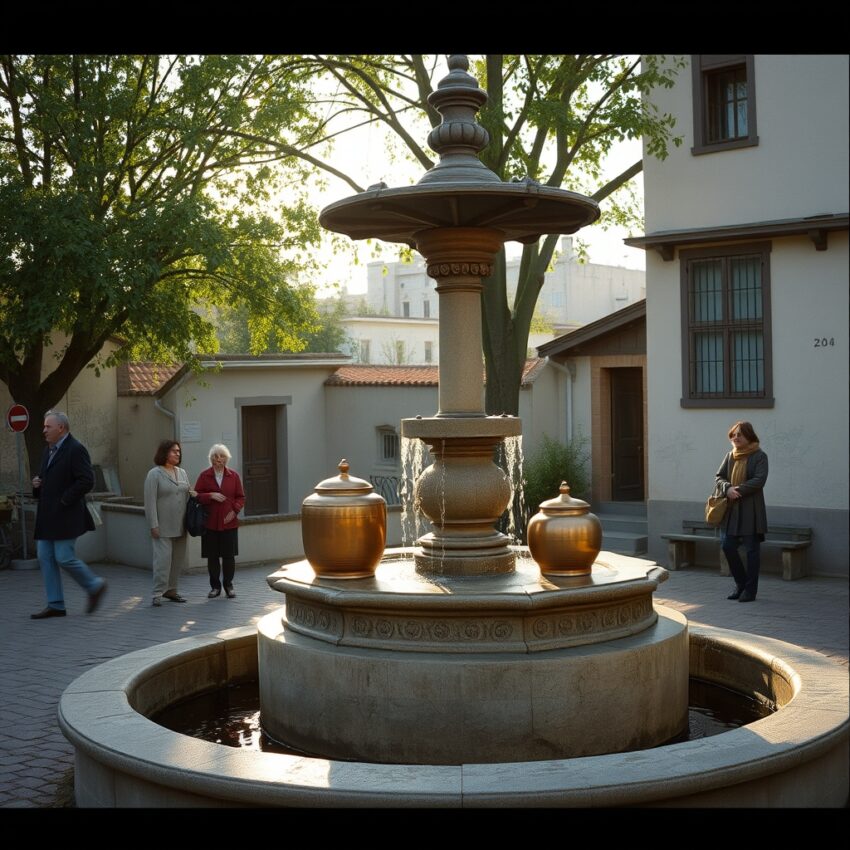
Bir zamanlar bazı saatler mahallenin ortak kalbi gibi atardı ve bu ritmin merkezi çoğu kez çeşme başı olurdu. Öğleden sonranın güneşi duvarlardan biraz çekilip gölgeler uzamaya başladığında, teneke kovaların, emaye maşrapaların ve ince sesli sohbetlerin yolu aynı noktada kesişirdi. Çeşmenin taş yalaklarında suyun serin sesi hiç susmaz, sırasını bekleyenler yalnız su doldurmaz; o günün haberini, evlerin telaşını, çocukların oyununu ve akşama dair küçük hazırlıkları da birbirine taşırdı. Bahçelerden yayılan ıhlamur kokusu çeşme başına kadar iner, sokak tozuyla karışmadan önce havaya yumuşak bir akşamüstü hissi bırakırdı. Bu yüzden mahalle çeşmesi yalnız altyapının bir parçası değil, hatıranın tam ortasında duran bir buluşma saatinin kendisiydi.
Zamanın İzinde açısından bakıldığında mahalle çeşmeleri, eski şehir hayatının en görünür gündelik kurumlarından biriydi. Özellikle suyun her eve aynı konforla ulaşmadığı dönemlerde çeşme başı, hem ihtiyaç hem toplumsal temas alanıydı. Eski gazetelerde susuz yaz günlerinden, yeni açılan mahalle çeşmelerinden ya da vakıf sularının bakımından söz edilirken aslında kentsel hayatın nabzı anlatılırdı. Çünkü çeşme yalnız akışı düzenleyen teknik bir unsur değildi; insanların birbirini gün içinde tekrar tekrar gördüğü, tanışıklığın pekiştiği ve mahallenin kendi zaman çizelgesini kurduğu bir duraktı. Kim erken gelmiş, kim bakır ibriğini getirmiş, kim çocuğunu da yanına almış, bunların hepsi küçük ama kalıcı bir toplumsal hafıza oluştururdu.
Bu sahnenin bugün bile sızı gibi hatırlanmasının nedeni, orada kurulan gündelik yakınlığın yavaşlığıdır. Çeşmeye gidip dönmek hızlı bir iş değildi; yolda selam verilirdi, sıra beklenirdi, bazen su taşarken gülüşmeler olurdu. Çocuklar çeşmenin kenarında ayakkabısını ıslatır, anneler “fazla oyalanma” diye seslenir, yaşlılar gölgede biraz daha kalıp serinliği dinlerdi. Bahçelerin ıhlamur kokusuna dönmesi tam da bu saatlerde anlam kazanırdı; çünkü akşamın yaklaşmasıyla birlikte suyun ferahlığı ve çiçek kokusu aynı hafızada buluşurdu. İnsanlar eve yalnız dolu kaplarla değil, mahallenin o günkü havasını da taşıyarak dönerdi. Bugün bu sahneyi anımsatan şey biraz da bu: su alma bahanesiyle birbirine değen hayatlar.
Mahalle kültüründe çeşme başı aynı zamanda görgünün ve ölçülü toplumsallığın da mekânıydı. Sıraya saygı gösterilir, büyüklerin kabı önce doldurulurdu, suyun israf edilmemesi sık sık hatırlatılırdı. Bu kurallar resmî değildi ama herkesçe bilinir, mahallenin adabı gibi yaşanırdı. Çeşmenin taşına oturmuş bir çocuk, dökülen suyu eliyle takip ederken bile çevresindeki hayatın bir parçası olduğunu öğrenirdi. Şimdiki apartman düzeninde su musluktan sessizce geliyor; pratiklik büyük bir rahatlık sağlıyor ama eski çeşme saatlerinin ortak ritmini de ortadan kaldırıyor. O yüzden bugün özlenen şey yalnız çeşmenin kendisi değil, suya ulaşmanın çevresinde kurulmuş yavaş ilişki biçimi.
Belki de bahçeleri ıhlamur kokusuna çeviren asıl şey ağaçların kendisi kadar, o saatlerin insanda bıraktığı duyguydu. Çeşme başına varınca günün yükü biraz hafifler, akşamın yaklaştığı anlaşılır, mahalle kendi kendini yeniden görürdü. Bir bakır tasın kenarında parlayan su, ıhlamur gölgesi, sokaktan yükselen çocuk sesi ve taş duvara çarpan serinlik aynı sahnede birleşirdi. Bu yüzden mahalle çeşmelerinin buluşma noktasına dönüştüğü saatler bugün hâlâ yalnız geçmiş bir alışkanlık olarak değil, ortak yaşamanın daha duyulur, daha kokulu, daha yavaş bir hali olarak hatırlanıyor.
🇬🇧 English | The Hours When Neighborhood Fountains Turned into Meeting Points as a Scene Never Falling from the Neighborhood Calendar: Why Are the Gardens Turning into the Scent of Linden Still Remembered as an Ache Today
There was a time when certain hours beat like the shared heart of the neighborhood, and the center of that rhythm was often the fountain. When the afternoon sun began to pull away from the walls and the shadows lengthened, tin buckets, enamel dippers, and light-voiced conversations all met at the same point. The cool sound of water never stopped in the stone basins, and those waiting their turn did more than fill containers; they also carried the day’s news, the hurry inside homes, the games of children, and the small preparations for evening. The scent of linden drifting from gardens reached the fountain and left a soft feeling of late afternoon in the air. For that reason, the neighborhood fountain was not only part of infrastructure, but the very hour of gathering placed at the center of memory.
Seen through the lens of time, neighborhood fountains were among the most visible institutions of everyday urban life. Especially in periods when water did not reach every home with equal comfort, the fountain was both necessity and social ground. Old newspapers spoke of dry summers, newly opened public fountains, and the maintenance of charitable water lines, yet what they were really describing was the pulse of the city. A fountain was not only a technical point that managed flow; it was a stop where people saw one another repeatedly throughout the day, where familiarity deepened, and where the neighborhood built its own timetable. Who had come early, who brought a copper pitcher, who arrived with a child beside them, all of this formed a small yet durable social memory.
What makes this scene still linger like an ache is the slowness of the closeness that gathered there. Going to the fountain and returning from it was never a hurried task. Greetings were exchanged on the way, turns were waited for, and sometimes laughter rose when the water overflowed. Children wet their shoes at the edge of the basin, mothers called out not to linger too long, and elders stayed in the shade a little more to listen to the coolness. It was at exactly these hours that gardens seemed to turn into the scent of linden, because as evening approached, floral fragrance and the freshness of water joined in one memory. People returned home not only with full containers, but with the emotional weather of the neighborhood carried alongside them.
In neighborhood culture, the fountain was also a place of manners and measured sociability. People respected the queue, older residents were often served first, and everyone was reminded not to waste water. These rules were not formal, yet they were widely known and lived like the etiquette of the quarter itself. Even a child sitting on the stone edge and tracing the spilled water with a finger learned there how to belong to a shared life. Today water comes silently from taps in apartment kitchens; it brings undeniable comfort, but it also removes the common rhythm once built around fountain hours. That is why what is missed is not only the fountain as an object, but the slow way of relating that formed around reaching water.
Perhaps what turned the gardens into the scent of linden was not only the trees themselves, but the feeling those hours left in the human heart. Reaching the fountain eased the weight of the day, announced the approach of evening, and allowed the neighborhood to see itself once again. Water shining on the rim of a copper bowl, linden shade, children’s voices from the street, and coolness striking old stone gathered into the same frame. That is why the hours when neighborhood fountains became meeting points are still remembered not merely as a past habit, but as a more audible, fragrant, and unhurried form of living together.
🇧🇷 Português (Brasil) | As Horas em que as Fontes do Bairro se Tornavam Pontos de Encontro Como uma Cena que Nunca Saía do Calendário do Bairro: Por Que os Jardins que se Convertiam em Cheiro de Tília Ainda São Lembrados Como uma Pontada Hoje
Houve um tempo em que certas horas batiam como o coração comum do bairro, e o centro desse ritmo muitas vezes era a fonte. Quando o sol da tarde começava a recuar das paredes e as sombras se alongavam, baldes de lata, canecas esmaltadas e conversas de voz baixa se encontravam no mesmo ponto. O som fresco da água nunca se calava nos tanques de pedra, e quem esperava a vez não fazia apenas encher recipientes; levava também as notícias do dia, a pressa dentro das casas, as brincadeiras das crianças e os pequenos preparativos da noite. O cheiro de tília vindo dos jardins chegava até a fonte e deixava no ar uma sensação macia de fim de tarde. Por isso, a fonte do bairro não era só parte da infraestrutura, mas a própria hora do encontro colocada no centro da memória.
Pelo rastro do tempo, as fontes de bairro estavam entre as instituições mais visíveis da vida urbana cotidiana. Sobretudo nos períodos em que a água não chegava a todas as casas com o mesmo conforto, a fonte era ao mesmo tempo necessidade e espaço de contato social. Os jornais antigos falavam de verões secos, de novas fontes abertas e da manutenção das águas de fundação, mas o que de fato descreviam era o pulso da cidade. A fonte não era apenas um ponto técnico de distribuição; era uma parada onde as pessoas se viam várias vezes ao dia, onde a familiaridade se fortalecia e onde o bairro montava seu próprio horário. Quem chegava cedo, quem trazia um jarro de cobre, quem vinha com uma criança ao lado, tudo isso formava uma memória social pequena, mas duradoura.
O que faz essa cena ainda ser lembrada como uma pontada é a lentidão da proximidade construída ali. Ir à fonte e voltar dela nunca era uma tarefa apressada. Cumprimentos eram trocados no caminho, esperava-se a vez, e às vezes surgiam risos quando a água transbordava. As crianças molhavam os sapatos na beira do tanque, as mães chamavam para não demorar tanto, e os mais velhos ficavam um pouco mais na sombra para ouvir a frescura da água. Era justamente nessas horas que os jardins pareciam se transformar em cheiro de tília, porque com a chegada da noite a fragrância das flores e a sensação de frescor se juntavam numa mesma lembrança. As pessoas voltavam para casa não apenas com os recipientes cheios, mas carregando também o clima afetivo do bairro.
Na cultura do bairro, a fonte era também um lugar de modos e de convivência medida. Respeitava-se a fila, os mais velhos muitas vezes eram atendidos primeiro, e lembrava-se a todos que água não devia ser desperdiçada. Essas regras não eram oficiais, mas eram conhecidas e vividas como a etiqueta do próprio lugar. Até uma criança sentada na borda de pedra, seguindo com o dedo a água derramada, aprendia ali como fazer parte de uma vida compartilhada. Hoje a água chega silenciosamente pela torneira dos apartamentos; isso traz conforto inegável, mas também apaga o ritmo comum que antes nascia das horas da fonte. Por isso, o que se sente falta não é apenas da fonte como objeto, mas da relação lenta formada ao redor da água.
Talvez o que transformava os jardins em cheiro de tília não fossem apenas as árvores, mas a emoção que aquelas horas deixavam nas pessoas. Chegar à fonte aliviava um pouco o peso do dia, anunciava a aproximação da noite e permitia que o bairro se visse de novo. A água brilhando na borda de uma tigela de cobre, a sombra da tília, as vozes das crianças na rua e a frescura batendo na pedra antiga se reuniam no mesmo quadro. Por isso, as horas em que as fontes do bairro viravam pontos de encontro continuam sendo lembradas não apenas como um hábito do passado, mas como uma forma mais sensível, perfumada e desacelerada de viver junto.