🇹🇷 Türkçe | anne köftesi ve okul dönüşü tabağa ilk uzanan kaşık: mevsim geçişlerinde neden daha da anlam kazanıyor
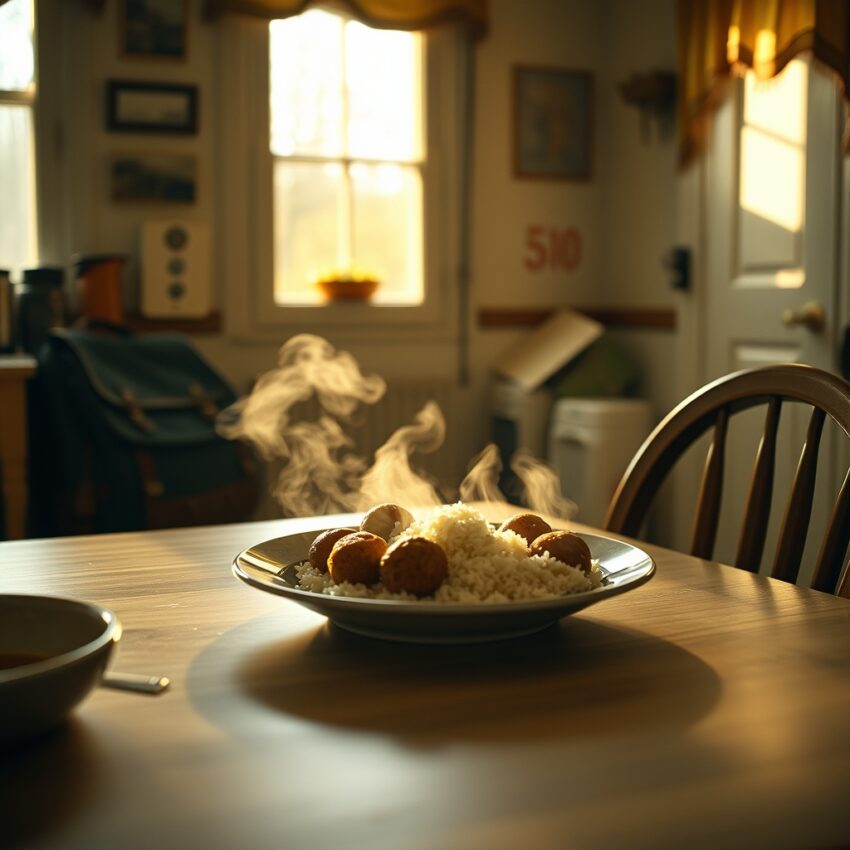
Bir zamanlar okul dönüşü eve girmenin kendine özgü bir sesi vardı. Apartman kapısı kapanır, çanta bir sandalyeye bırakılır, koridorda ayakkabıların aceleyle çıkarıldığı anlaşılır ve mutfaktan gelen tanıdık koku bütün evi doldururdu. Anne köftesi çoğu çocuk için yalnız akşam yemeğinin erken haberi değil, günün yorgunluğunu çözen güvenli bir işaretti. Tabağa ilk uzanan kaşık bazen domatesli sosu toplar, bazen pilavın kenarına değer, bazen de buharı üstünde tüten köftenin yanında kısa bir sabırsızlıkla beklerdi. O ilk an, insanın eve gerçekten döndüğünü hissettiği andı. Özellikle mevsim geçişlerinde, dışarının serinliğiyle içerinin sıcaklığı arasındaki fark arttıkça bu duygu daha da belirginleşirdi.
Damak Hafızası bakımından anne köftesi, tariften çok ritimle ilgilidir. Hangi baharatın ne kadar kullanıldığı kadar, köftenin hangi saatte yoğrulduğu, çocukların ne zaman okuldan döneceğinin hesaba katılması ve mutfağın buna göre hazırlanması önemlidir. Bu yemek birçok evde gösterişli bir sofra vaadi taşımaz; tam tersine gündelik hayatın güvenilir tekrarını temsil eder. Ama tam da bu yüzden güçlüdür. Çünkü insan çocukluğunu çoğu zaman özel günlerin büyük yemeklerinden çok, tekrar eden sıradan öğünlerle hatırlar. Okul dönüşü tabağa ilk uzanan kaşık, gün içinde dağılmış duyguları yeniden toplar. Dışarıdaki kalabalık, öğretmen sesi, teneffüs gürültüsü ve servis telaşı bir anda mutfaktaki daha yumuşak düzene bırakılır.
Mevsim geçişlerinde bu yemeğin neden daha da anlam kazandığı ise duyusal hafızayla ilgilidir. İlk serin rüzgarların başladığı sonbahar günlerinde ya da baharın hala kararsız olduğu akşamlarda çocuk eve hafif üşümüş, biraz yorulmuş, biraz da aç döner. İşte tam bu eşikte sıcak köfte kokusu sıradan bir iştahı aşar; bedeni olduğu kadar ruhu da toparlayan bir karşılama biçimine dönüşür. Pencerede hafifçe sallanan perde, mutfak camında biriken buğu, masaya konmuş çelik çatalın sesi ve tabakta duran domates sosunun kırmızısı, bu anı daha derin kaydeder. Tadı unutulmaz yapan yalnız köftenin kendisi değil, o anın iklimidir.
Anne köftesinin hafızada bu kadar güçlü kalmasının bir başka nedeni, içinde sessiz emek ve görünmeyen dikkat taşımasıdır. Kıyma yoğrulmuş, soğan rendelenmiş, ekmek içi ayarlanmış, tavada kızaran her parça birinin dönüş saatine göre hazırlanmıştır. Çocuk o yaşta bunun hesabını tam olarak bilmez; ama eve geldiğinde yemeğin onu bekliyor oluşundan bakım duygusunu sezgisel olarak anlar. Bu sezgi, yıllar sonra bile aynı kokuyla geri gelir. İlk kaşığın tabağa uzanışı aslında açlıktan çok ait olma hissisinin hareketidir. Çünkü o kaşık, yalnız yemeğe değil, evin içindeki yerini yeniden bulan çocuğa uzanır.
Bugün mevsim geçişlerinde neden bazı yemeklerin daha yoğun biçimde hatırlandığını sorduğumuzda, anne köftesi güçlü cevaplardan biridir. Dışarıdaki hava değişirken insan içeride sabit kalan şeylere daha çok tutunur. Okul dönüşü tabağa ilk uzanan kaşık da tam bu yüzden sıradan bir hareket olmaktan çıkar. O an, çocukluğun güvenli düzeni, mutfakta bekleyen sıcaklık ve evin sessiz şefkati bir araya gelir. Anne köftesi bu yüzden bugün bile yalnız bir tarif olarak değil, geçiş zamanlarında insanı toparlayan bir hafıza yemeği olarak yaşar. İlk lokmada hatırlanan, çoğu zaman etin tadı değil; kapıdan içeri girildiğinde insanı karşılayan o tanıdık dünyadır.
🇬🇧 English | Mother’s Meatballs and the First Spoon Reaching Toward the Plate After School: Why Does It Gain Even More Meaning During Seasonal Transitions
There was a time when coming home from school had a sound of its own. The apartment door would close, the schoolbag would be dropped onto a chair, hurried shoes would be heard coming off in the corridor, and the familiar smell from the kitchen would fill the whole house. For many children, mother’s meatballs were not only the early news of dinner, but a safe sign that loosened the tiredness of the day. The first spoon reaching toward the plate might gather the tomato sauce, touch the side of the rice, or wait with brief impatience beside the steaming meatballs. That first moment was when one truly felt returned home. During seasonal transitions in particular, as the difference between the cool air outside and the warmth inside became sharper, the feeling grew even stronger.
Seen through the lens of taste memory, mother’s meatballs have more to do with rhythm than recipe. The exact spice mixture matters, but so does the hour when the meat was kneaded, the calculation of when the children would come back from school, and the way the kitchen was prepared accordingly. In many homes this dish did not promise a grand table; on the contrary, it represented the reliable repetition of daily life. Yet that is exactly why it is powerful. People often remember childhood not through the largest meals of special occasions, but through ordinary dishes that returned again and again. The first spoon reaching toward the plate after school gathers feelings that had scattered through the day. The crowd outside, the teacher’s voice, the noise of recess, and the rush of transport suddenly give way to the gentler order of the kitchen.
Why this dish gains even more meaning during seasonal transitions has to do with sensory memory. On autumn days when the first cool winds begin, or on spring evenings when the weather is still undecided, the child comes home a little chilled, somewhat tired, and certainly hungry. At that threshold, the smell of warm meatballs goes beyond ordinary appetite and becomes a form of welcome that restores not only the body, but also the spirit. The curtain moving slightly by the window, the mist gathering on the kitchen glass, the sound of a steel fork laid on the table, and the red of tomato sauce on the plate all record the moment more deeply. What makes the taste unforgettable is not the meatball alone, but the climate of that instant.
Another reason mother’s meatballs remain so strong in memory is that they carry quiet labor and invisible attention within them. The minced meat has been kneaded, the onion grated, the bread crumb adjusted, and every piece fried in the pan according to someone’s return time. At that age the child may not fully understand the calculation, yet when arriving home and finding the meal waiting, the feeling of care is grasped instinctively. That instinct returns even years later through the same smell. The first spoon stretching toward the plate is in truth a movement of belonging as much as hunger. It reaches not only toward food, but toward the child who finds a place again within the house.
When we ask today why certain dishes are remembered more intensely during seasonal transitions, mother’s meatballs stand among the strongest answers. As the weather shifts outside, people cling more tightly to what remains steady inside. That is why the first spoon reaching toward the plate after school ceases to be an ordinary gesture. In that moment the secure order of childhood, the warmth waiting in the kitchen, and the quiet tenderness of the home come together. Mother’s meatballs therefore live on not merely as a recipe, but as a memory dish that gathers a person back during times of transition. What is remembered in the first bite is often not the taste of the meat itself, but the familiar world that met one upon stepping through the door.
🇧🇷 Português (Brasil) | As Almôndegas da Mãe e a Primeira Colher que se Estende ao Prato na Volta da Escola: Por que Isso Ganha Ainda Mais Sentido nas Mudanças de Estação
Houve um tempo em que voltar da escola tinha um som próprio. A porta do prédio se fechava, a mochila era deixada sobre uma cadeira, dava para perceber no corredor os sapatos sendo tirados com pressa, e o cheiro conhecido vindo da cozinha tomava a casa inteira. Para muitas crianças, as almôndegas da mãe não eram apenas o aviso antecipado do jantar, mas um sinal seguro que desfazia o cansaço do dia. A primeira colher estendida ao prato às vezes recolhia o molho de tomate, às vezes tocava a lateral do arroz, às vezes esperava com uma pequena impaciência ao lado das almôndegas ainda fumegantes. Aquele primeiro instante era o momento em que a pessoa realmente sentia que tinha voltado para casa. Nas mudanças de estação, sobretudo, quando a diferença entre o ar fresco de fora e o calor de dentro ficava mais marcada, esse sentimento se tornava ainda mais forte.
Pela ótica da memória do paladar, as almôndegas da mãe têm mais a ver com ritmo do que com receita. A quantidade exata de tempero importa, mas importa também a hora em que a carne foi misturada, o cálculo de quando as crianças voltariam da escola e a preparação da cozinha em função disso. Em muitas casas, esse prato não prometia uma mesa grandiosa; pelo contrário, representava a repetição confiável da vida cotidiana. E é justamente por isso que ele é tão forte. As pessoas costumam se lembrar da infância não pelas maiores refeições de dias especiais, mas pelos pratos comuns que voltavam sempre. A primeira colher que vai ao prato na volta da escola reúne sentimentos que haviam se espalhado ao longo do dia. A multidão da rua, a voz da professora, o barulho do recreio e a correria do transporte cedem lugar, de repente, à ordem mais suave da cozinha.
O motivo de esse prato ganhar ainda mais sentido nas mudanças de estação está ligado à memória sensorial. Nos dias de outono em que começam os primeiros ventos frios, ou nas tardes de primavera em que o clima ainda hesita, a criança chega em casa um pouco gelada, um pouco cansada e certamente com fome. Exatamente nesse limiar, o cheiro das almôndegas quentes vai além do apetite comum e se transforma em uma forma de acolhimento que recompõe não só o corpo, mas também o ânimo. A cortina balançando levemente na janela, o vidro da cozinha embaçado, o som do garfo de aço sobre a mesa e o vermelho do molho no prato gravam esse instante com mais profundidade. O que torna o sabor inesquecível não é apenas a almôndega em si, mas o clima daquele momento.
Outra razão para as almôndegas da mãe permanecerem tão fortes na memória é o fato de carregarem trabalho silencioso e atenção invisível. A carne foi temperada, a cebola ralada, o pão ajustado, e cada pedaço foi frito segundo a hora em que alguém voltaria para casa. Nessa idade, a criança talvez não entenda completamente esse cálculo, mas ao chegar e encontrar a comida esperando percebe instintivamente o cuidado. Esse instinto volta mesmo anos depois, trazido pelo mesmo cheiro. A primeira colher avançando em direção ao prato é, na verdade, um movimento de pertencimento tanto quanto de fome. Ela alcança não apenas a comida, mas a criança que volta a encontrar seu lugar dentro da casa.
Quando hoje perguntamos por que certos pratos são lembrados com mais intensidade nas mudanças de estação, as almôndegas da mãe surgem entre as respostas mais fortes. Enquanto o tempo muda lá fora, a pessoa se apega mais ao que permanece estável do lado de dentro. É por isso que a primeira colher que se estende ao prato na volta da escola deixa de ser um gesto comum. Naquele momento, a ordem segura da infância, o calor esperando na cozinha e a ternura silenciosa da casa se encontram. As almôndegas da mãe continuam vivas, portanto, não apenas como receita, mas como um prato de memória capaz de recompor a pessoa nos tempos de transição. O que volta na primeira mordida muitas vezes não é o gosto da carne, mas o mundo conhecido que recebia a criança assim que ela entrava pela porta.