🇹🇷 Türkçe | Cam Açtıran Sabahların Şehir Hafızasında Bıraktığı Kartpostallık İz
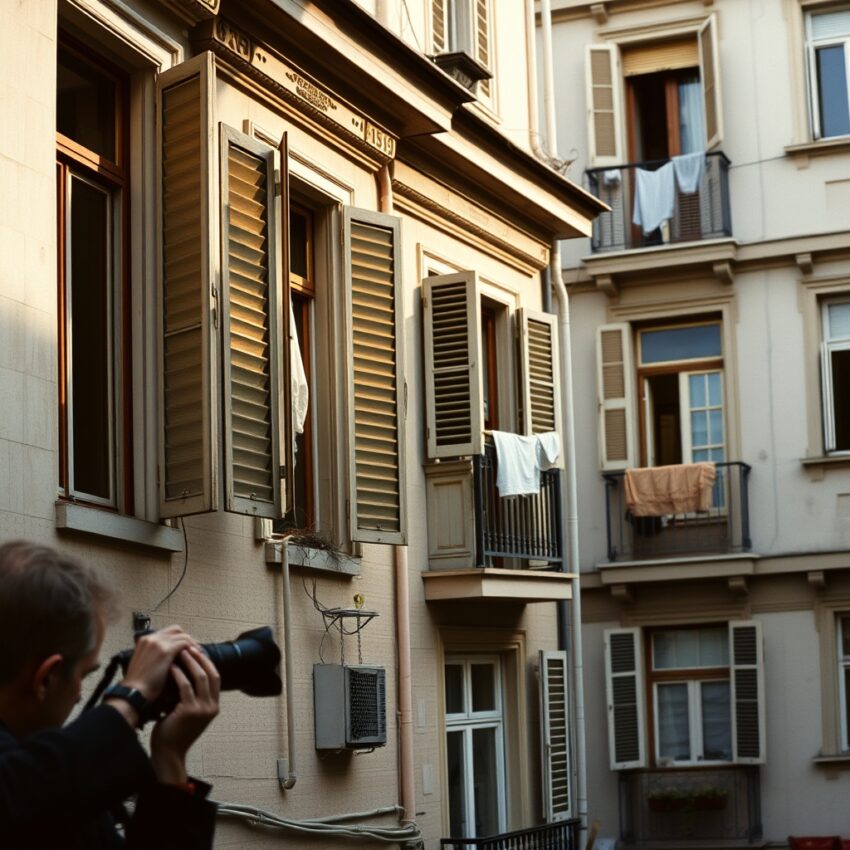
Bir zamanlar bazı sabahlar vardı ki, daha güneş yükselmeden evlerin içini hafifçe ısıtır, insanı pencereye doğru çeken bir serinlik ve aydınlık taşırdı. Kışın sertliğini geride bırakmış, yazın bunaltıcı ağırlığı henüz gelmemiş olurdu; sokaklar tam da bu aralıkta, sanki bir fotoğrafçının beklediği doğru ışığı kendi kendine hazırlardı. Ahşap kepenklerin aralanışı, balkon demirlerine asılı çamaşırların usulca kıpırdayışı, simitçinin henüz tam dolmamış tepsisiyle köşeden görünüşü, bu mevsimlerin şehirde kurduğu görünmez sahnenin parçalarıydı. O günlerde cam açmak yalnız havalandırmak için yapılan bir hareket değildi; şehirle yeniden temas kurmanın, sabahın içine başı uzatıp hayatın sesini dinlemenin küçük ama anlamlı bir ritüeliydi. Bir kuşağın içini ısıtan da biraz buydu: ev ile sokak arasındaki mesafe, birkaç santim açılan pencereyle bir anda kısalırdı.
Zamanın İzinde açısından bakıldığında bu cam açtıran sabahlar, şehir belleğinin yalnız büyük olaylarla değil, mevsimsel duygularla da kurulduğunu gösterir. Özellikle kent fotoğrafçılarının siyah beyazdan renkliye geçen arşivlerinde, en sahici karelerin çoğu böyle günlerden çıkar. Çünkü ışık ne çok keskin ne çok yorgundur; insan yüzleri aceleyle değil, gündelik halleriyle görünür; sokakların taşı, duvarın sıvası, dükkânın tabelası aynı kadraj içinde doğal bir uyum yakalar. Fotoğrafçılar tam da bu yüzden bu mevsimleri severdi. Kartpostallık denilen o görüntü, yalnız estetik bir düzen değil, şehir hayatının kendini en içten biçimde açtığı andı. Caddeden geçen sütçü, apartman boşluğuna karışan kahvaltı kokusu, okul önlüğüyle koşan çocuk, tramvay bekleyen memur; hepsi bir mevsimin duygusunu taşır, sonra yıllar sonra bile bakıldığında tanınan bir ortak hafızaya dönüşürdü.
Bu sabahların unutulmamasının bir başka nedeni de gündelik hayatı yavaşça görünür kılmasıydı. Pencereyi açan biri karşı apartmanın camında saksıların yerini görür, aşağıda kaldırıma su serpen komşunun el hareketini seçer, manavın kasaları dizerken çıkardığı tahtamsı sesi işitirdi. Şehir fotoğrafçıları için bütün bunlar büyük olaylardan daha değerliydi; çünkü bir dönemin asıl ruhu çoğu zaman kalabalık törenlerde değil, sıradanlığın içindeki küçük uyumlarda saklıydı. Eski gazetelerin şehir sayfalarında, belediye ilanlarının yanında ya da kültür eklerinde yer bulan bu kareler, zamanla kentin kendini nasıl görmek istediğinin de belgesi oldu. Balkonlarda güvercin yemleyen yaşlılar, kaldırım kenarında duran çocuk bisikletleri, açık camdan içeri sızan tül perde gölgesi, hepsi şehir yaşamının sıcak ama ölçülü ritmini kayda geçiriyordu. Bu yüzden kartpostallık denilen şey aslında süslenmiş bir şehir değil, kendi halinde güzel görünen bir şehir hafızasıydı.
Bugün o fotoğraflara ya da benzer sabahlara duyulan özlem, yalnız geçmişin daha sakin olduğuna inanmakla açıklanamaz. Asıl özlenen, bir kentin sabah saatlerinde kendini doğal biçimde ele verişidir. Cam açtıran sabahlar bize, şehir hayatının yalnız beton, trafik ve tabeladan ibaret olmadığını; ışığın, havanın, insan seslerinin ve küçük alışkanlıkların da kent kimliğini kurduğunu hatırlatır. Bir kuşağın içini ısıtan o günler, sokakla kurulan ilişkiyi daha doğrudan, daha duyusal ve daha insani hale getiriyordu. Şehir fotoğrafçılarının yakaladığı kareler de tam bu nedenle hâlâ canlıdır: onlar bir mevsimi değil, pencereyi açınca dışarıdan içeri giren yaşam duygusunu saklar. Şehir hafızasının derin izi biraz da burada başlar; insanın yaşadığı şehri ilk kez değil, her sabah yeniden görmesinde.
🇬🇧 English | The Postcard-Like Trace Left in Urban Memory by Mornings That Made Windows Open
There was once a kind of morning that warmed the inside of a home before the sun had fully risen, carrying a brightness and freshness that pulled people toward the window. Winter had already loosened its grip, while the heavy weight of summer had not yet arrived; in that brief interval, the streets seemed to prepare the exact light a city photographer had been waiting for. The opening of wooden shutters, the slight movement of laundry hanging from balcony rails, the simit seller appearing at the corner with a tray not yet fully emptied, all belonged to the invisible stage those seasons built across the city. In such days, opening a window was not simply a way to let in air. It was a small but meaningful ritual of touching the city again, leaning toward the morning, and listening to the sounds of life. Part of what warmed an entire generation was precisely this: the distance between home and street could suddenly shrink with a window opened only a few inches.
Viewed through the lens of time, these window-opening mornings show that urban memory is shaped not only by major events, but also by seasonal feelings. In the archives of city photographers, from black and white images to later color frames, many of the most truthful photographs come from mornings like these. The light was neither too harsh nor too tired; faces appeared not in posed importance, but in their ordinary states; the paving stone, the cracked wall, and the shop sign could all fall into the same frame with natural harmony. This is why photographers loved such seasons. What we call postcard-worthy was not merely a visual arrangement, but the moment when city life revealed itself most sincerely. The milkman crossing the avenue, the smell of breakfast drifting into a building stairwell, a child running in a school apron, an office worker waiting for the tram, all carried the feeling of a season and later became part of a shared memory instantly recognizable years afterward.
Another reason those mornings remain unforgettable is that they slowly made everyday life visible. A person opening the window could notice the position of flowerpots in the opposite apartment, the hand movement of a neighbor sprinkling water on the pavement below, the wooden sound made by a greengrocer arranging crates. For city photographers, such moments often mattered more than grand events, because the real spirit of an era usually hides not in ceremonies, but in the quiet harmonies of ordinary life. Published in old newspapers beside municipal notices or tucked into cultural pages, these images gradually became records of how a city wished to see itself. Older residents feeding pigeons from balconies, children’s bicycles resting by the curb, the shadow of a lace curtain falling inward through an open window, all preserved the warm yet measured rhythm of urban life. What became postcard-like, then, was not an embellished city, but a city that looked beautiful simply by being itself.
The longing we feel today when looking at those photographs, or imagining those mornings, cannot be explained only by a belief that the past was calmer. What is truly missed is the natural way a city disclosed itself in the early hours. Mornings that made people open the window remind us that urban life is not made only of concrete, traffic, and signs; light, air, human voices, and small habits also build the identity of a place. The days that warmed a generation from within made the relationship with the street more direct, more sensory, and more human. The images captured by city photographers remain alive for exactly that reason: they hold not just a season, but the feeling of life entering indoors from outside the moment a window is opened. The deep trace in urban memory begins there, in seeing the city not for the first time, but anew each morning.
🇧🇷 Português (Brasil) | O Rastro de Cartão-Postal que as Manhãs de Janela Aberta Deixaram na Memória da Cidade
Houve um tempo em que certas manhãs aqueciam o interior da casa antes mesmo de o sol subir por inteiro, trazendo uma claridade fresca que empurrava as pessoas em direção à janela. O inverno já tinha ficado para trás, mas o peso abafado do verão ainda não havia chegado; nesse intervalo, as ruas pareciam preparar sozinhas a luz exata que um fotógrafo urbano esperava. A abertura dos postigos de madeira, a roupa balançando devagar nos varais da varanda, o vendedor de simit aparecendo na esquina com a bandeja ainda cheia, tudo fazia parte do palco invisível que essas estações montavam pela cidade. Naqueles dias, abrir a janela não era apenas deixar o ar entrar. Era um pequeno ritual de reencontro com a rua, de inclinar o rosto para a manhã e escutar a vida. Parte do que aquecia uma geração por dentro vinha justamente daí: a distância entre casa e rua diminuía de repente com poucos centímetros de janela aberta.
Quando olhamos pelo rastro do tempo, essas manhãs que faziam abrir as janelas mostram que a memória urbana não é formada apenas por grandes acontecimentos, mas também por sentimentos de estação. Nos arquivos dos fotógrafos de cidade, da fotografia em preto e branco às imagens em cor, muitos dos registros mais verdadeiros nasceram em manhãs assim. A luz não era dura demais nem cansada demais; os rostos apareciam não em pose, mas em sua naturalidade cotidiana; a pedra da calçada, a parede com marcas do tempo e a placa da loja cabiam no mesmo enquadramento com harmonia. Por isso os fotógrafos gostavam tanto dessas épocas. O que chamamos de cena digna de cartão-postal não era só um arranjo bonito, mas o instante em que a cidade se mostrava da forma mais sincera. O leiteiro atravessando a rua, o cheiro do café da manhã subindo pela escada do prédio, a criança correndo com o uniforme, o funcionário esperando o bonde, tudo carregava a emoção daquela estação e depois se transformava em memória coletiva.
Essas manhãs também ficaram marcadas porque tornavam o cotidiano visível com delicadeza. Quem abria a janela via os vasos no apartamento da frente, percebia o gesto do vizinho jogando água na calçada, ouvia o som seco das caixas de madeira sendo organizadas pelo verdureiro. Para os fotógrafos urbanos, esses detalhes valiam mais do que grandes solenidades, porque o verdadeiro espírito de uma época quase sempre mora nas harmonias discretas da vida comum. Publicadas em jornais antigos ao lado de avisos municipais ou nas páginas culturais, essas fotos acabaram se tornando documentos da forma como a cidade desejava se enxergar. Senhores alimentando pombos na varanda, bicicletas infantis apoiadas junto ao meio-fio, a sombra de uma cortina fina entrando pela janela aberta, tudo registrava o ritmo caloroso e contido da vida urbana. O que era de cartão-postal, portanto, não era uma cidade enfeitada, mas uma cidade bonita em sua simplicidade.
Hoje, a saudade dessas imagens e dessas manhãs não se explica apenas pela ideia de que o passado era mais tranquilo. O que realmente faz falta é a maneira natural com que a cidade se revelava nas primeiras horas do dia. As manhãs que nos faziam abrir a janela lembram que a vida urbana não é feita só de concreto, trânsito e letreiros; luz, ar, vozes humanas e pequenos hábitos também constroem a identidade de um lugar. Os dias que aqueciam uma geração por dentro tornavam a relação com a rua mais direta, mais sensorial e mais humana. As cenas capturadas pelos fotógrafos continuam vivas exatamente por isso: elas guardam não apenas uma estação, mas a sensação de a vida entrar em casa pela janela aberta. É aí que começa a marca profunda na memória urbana, no gesto de ver a cidade de novo a cada manhã.