🇹🇷 Türkçe | Apartman Girişlerinde Biriken Mahalle Sıcaklığı
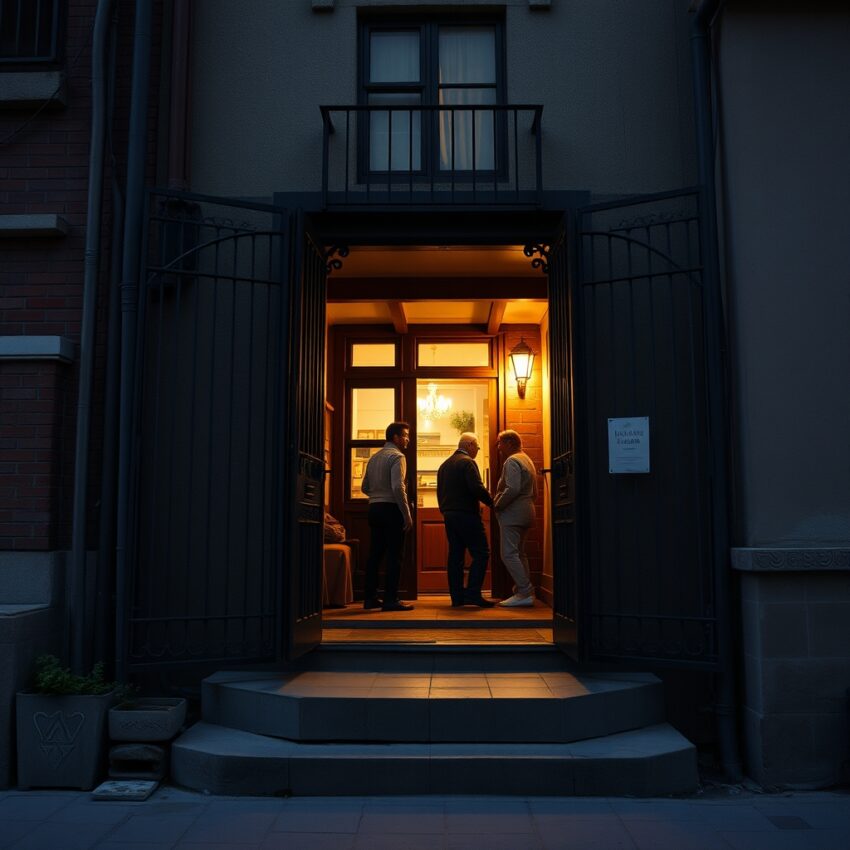
Bir zamanlar apartman girişleri yalnız geçilip gidilen alanlar değildi. Özellikle yaz akşamlarında, günün sıcağı çekilirken ve kapılar daha uzun süre açık kalırken, apartmanların giriş holleri eski mahalle hayatının en canlı ama en sakin sahnelerinden birine dönüşürdü. Merdiven boşluğuna hafif serinlik çöker, kömürlükten yükselen o kendine özgü tozlu koku duvarlara siner, demir kapının aralığından sokağın sesleri içeri süzülürdü. Çocuklar oyun arasında bir yudum su içmek için içeri dalar, anneler kapı eşiğinde soluklanır, apartman sakinleri yukarı çıkmadan önce kısa bir sohbeti burada kurardı. Kömürlük kokan apartman girişlerinin sıcaklığı biraz da buradan gelirdi: orası ne tam sokaktı ne de tam ev; ikisinin arasında, mahalleye ait ortak bir soluk alma yeriydi.
Mahalle Kültürü açısından apartman girişi, komşuluğun gündelik biçimde görünür olduğu küçük bir sahnedir. Postacının zili, bakkal çırağının kapıya bıraktığı torba, merdivene oturup lastik ayakkabısını bağlayan çocuk, elinde vantilatör pervanesiyle tamirci çağırmayı düşünen komşu, hepsi bu ara mekânda birbirine rastlardı. Kömürlük kokusu ise bu alanın belleğini kuran güçlü ayrıntılardan biriydi. Kışın ısı kaynağı olan kömür, yazın kullanılmasa bile kokusunu orada bırakır; apartmanın geçmiş mevsimlerini yaz akşamına taşırdı. Böylece giriş holü, yalnız o ânın değil, bütün yılın izini taşıyan bir yer olurdu. Çocuk için biraz gizemli, yetişkin için tanıdık, yaşlı için serinletici bu alan, eski mahallelerin ortak ritmini saklardı.
Bu girişlerde kurulan sıcaklık, lüks ya da düzenli tasarımın değil, tekrar eden insan temasının sonucuydu. Bir sandalyenin birkaç dakika kapı önüne çekilmesi, apartman yöneticisinin aidat defterini elinde tutarken ayaküstü sohbet etmesi, akşamüstü pazardan dönen birinin poşetini merdiven başına bırakıp komşusuyla iki cümle konuşması, bütün bunlar apartman girişini sosyal bir eşiğe dönüştürürdü. Yaz akşamlarında sokaktan gelen ses içeriyi, içeriden yükselen yemek kokusu sokağı etkilerdi. Kömürlük kokusu da bu karışıma ağır ama tanıdık bir katman eklerdi. O koku, bugünün steril apartman lobilerinde pek bulunmayan bir şey taşırdı: yaşanmışlık hissi. Duvarlar biraz eskimiş, zemin biraz yıpranmış olabilir; ama tam da bu yüzden giriş, mahalle hayatının sıcaklığını saklayabilirdi.
Eski mahallelerin en sıcak sahnelerinden biri olarak apartman girişlerinin hafızada kalması, komşuluğun büyük sözlerle değil küçük karşılaşmalarla kurulduğunu hatırlatır. İnsanlar birbirinin hayatına burada usulca değdi. Bir cenaze haberi, bir düğün daveti, okuldan gelen çocuğun karnesi, askere gidecek gencin vedası, hepsi çoğu zaman ilk kez bu ortak alanda duyulurdu. Yaz akşamlarında kömürlük kokan apartman girişleri bu yüzden sıcak hissedilirdi; çünkü orada insanlar birbirini yalnız tanımaz, gündelik hayatın ağırlığını da birlikte taşırdı. Bugün o kokuyu anımsayanlar aslında bir mekânı değil, o mekânın mümkün kıldığı komşuluk dilini hatırlar. Sıcak olan duvarlar değil, duvarların arasında kurulan küçük insan yakınlığıdır.
🇬🇧 English | The Neighborhood Warmth Gathered in Apartment Entrances
There was a time when apartment entrances were not spaces people simply passed through. Especially on summer evenings, as the heat of the day withdrew and doors stayed open longer, the entrance halls of buildings turned into one of the liveliest yet calmest scenes of old neighborhood life. A slight coolness settled over the stairwell, the dusty smell rising from the coal storage room clung to the walls, and the sounds of the street filtered in through the half-open iron gate. Children rushed inside between games to drink water, mothers paused on the threshold to catch their breath, and residents stopped here for a brief conversation before going upstairs. Part of the warmth of apartment entrances that smelled of coal came from exactly this: they were neither fully street nor fully home, but a shared breathing space belonging to the neighborhood.
From the standpoint of neighborhood culture, the apartment entrance was a small stage on which neighborliness became visible in daily form. The ring of the postman, the grocery boy leaving a parcel by the door, the child sitting on the step to tie a rubber shoe, the resident thinking of calling a repairman while holding a fan blade in hand, all crossed paths in that in-between zone. The smell of coal was one of the strongest details shaping its memory. Coal was the fuel of winter, yet even in summer, when it was unused, its scent remained there, carrying the previous season into warm evenings. In that way, the entrance hall became a place that held not only the moment, but traces of the entire year. Slightly mysterious to children, familiar to adults, cooling for the elderly, it preserved the common rhythm of older neighborhoods.
The warmth built in these entrances was not the result of luxury or polished design, but of repeated human contact. A chair pulled to the doorway for a few minutes, a building manager holding the dues notebook while speaking standing up, someone returning from the market and setting down bags on the landing to exchange two sentences with a neighbor, all of this turned the entrance into a social threshold. On summer evenings, street sounds influenced the interior while food smells from inside drifted outward. The scent of coal added another layer to this mixture, dense yet familiar. It carried something rarely found in the sterile lobbies of today: a sense of having been lived in. The walls may have been worn and the floor somewhat tired, but for that very reason the entrance could hold the warmth of neighborhood life.
The fact that apartment entrances remain in memory as one of the warmest scenes of old neighborhoods reminds us that neighborliness was built not through grand declarations, but through small encounters. People touched each other’s lives gently there. News of a funeral, an invitation to a wedding, a child’s school report, or the farewell of a young man leaving for military service was often first heard in this common space. That is why apartment entrances smelling of coal on summer evenings felt warm: people did not merely recognize one another there, they also carried the weight of daily life together. Those who remember that smell today are recalling not just a place, but the language of neighborliness that place made possible. The warmth belonged not to the walls, but to the small human closeness formed between them.
🇧🇷 Português (Brasil) | O Calor do Bairro Reunido nas Entradas dos Prédios
Houve um tempo em que as entradas dos prédios não eram espaços por onde se passava sem parar. Principalmente nas noites de verão, quando o calor do dia diminuía e as portas ficavam abertas por mais tempo, os halls de entrada se transformavam em uma das cenas mais vivas e mais tranquilas da antiga vida de bairro. Um leve frescor caía sobre a escada, o cheiro empoeirado vindo do depósito de carvão impregnava as paredes, e os sons da rua atravessavam o portão de ferro entreaberto. As crianças entravam correndo entre uma brincadeira e outra para beber água, as mães descansavam por um instante no batente, e os moradores conversavam um pouco ali antes de subir. Parte do calor dessas entradas com cheiro de carvão vinha justamente disso: elas não eram nem totalmente rua nem totalmente casa, mas um lugar comum de respiração pertencente ao bairro.
Do ponto de vista da cultura de vizinhança, a entrada do prédio era um pequeno palco onde a convivência aparecia no cotidiano. O toque do carteiro, o ajudante da mercearia deixando uma sacola na porta, a criança sentada no degrau para amarrar o sapato, o morador segurando a hélice de um ventilador e pensando em chamar o consertador, todos se cruzavam nesse espaço intermediário. O cheiro de carvão era um dos detalhes mais fortes da memória desse lugar. No inverno, o carvão aquecia; no verão, mesmo sem uso, o seu cheiro permanecia ali e levava a estação anterior para dentro das noites quentes. Assim, o hall de entrada guardava não só o instante, mas marcas do ano inteiro. Um pouco misterioso para as crianças, familiar para os adultos e refrescante para os mais velhos, ele conservava o ritmo comum dos bairros antigos.
O calor construído nesses espaços não vinha de luxo nem de projeto refinado, mas do contato humano repetido. Uma cadeira puxada para a porta por alguns minutos, o síndico segurando o caderno das despesas enquanto conversava em pé, alguém voltando da feira e apoiando as sacolas no patamar para trocar duas frases com o vizinho, tudo isso transformava a entrada num limiar social. Nas noites de verão, o som da rua influenciava o interior, enquanto o cheiro de comida que subia dos apartamentos saía ao encontro do lado de fora. O cheiro de carvão acrescentava a essa mistura uma camada densa, mas conhecida. Levava consigo algo raro nos lobbies estéreis de hoje: uma sensação de vida realmente vivida. As paredes podiam estar gastas, o piso um pouco marcado, mas era justamente por isso que a entrada conseguia guardar o calor da vida do bairro.
O fato de as entradas dos prédios permanecerem na memória como uma das cenas mais acolhedoras dos bairros antigos lembra que a vizinhança era construída não por grandes discursos, mas por encontros pequenos. Ali, as pessoas tocavam suavemente a vida umas das outras. A notícia de um velório, o convite para um casamento, o boletim escolar de uma criança ou a despedida do jovem que iria servir ao exército muitas vezes eram ouvidos primeiro nesse espaço comum. É por isso que as entradas com cheiro de carvão nas noites de verão pareciam quentes: ali, as pessoas não apenas se reconheciam, mas dividiam o peso da vida cotidiana. Quem ainda se lembra desse cheiro recorda não só um lugar, mas a linguagem de vizinhança que esse lugar tornava possível. O calor não estava nas paredes, e sim na proximidade humana criada entre elas.