🇹🇷 Türkçe | faks makinesi başında geçen saatler: tamircilerin elinde neden ikinci bir ömür bulduğunu açıklıyor komşu pencerelerine yaslanarak kışın buğulu camına vurup geçerek
Bir zamanlar ofislerin, dükkânların ve apartman altı küçük işletmelerin içinde kendine özgü bir telaş vardı; o telaşın merkezinde çoğu kez faks makinesi dururdu. Kâğıdın içeri çekilirken çıkardığı ses, karşı taraftan gelen belgenin yavaş yavaş belirivermesi ve bir telefon hattına bağlı bu tuhaf kutunun uzak bir yerle kurduğu görünmez bağ, insanlara modern zamanın elle tutulur hâlini hissettirirdi. Kış günlerinde camları buğulanan mahalle dükkânlarının önünden geçerken içeride bir faksın çalıştığını duymak, sokağın ritmine bile küçük bir resmiyet katardı. Komşu pencerelerine yaslanan insanlar, içeride ne olup bittiğini tam bilmeseler de, o mekanik uğultunun işlerin yolunda gittiğine dair bir işaret taşıdığını sezebilirdi.
Teknoloji Mirası açısından faks makinesi önemliydi; çünkü yazıyı ve imzayı neredeyse anında uzak mesafeye taşıyarak bir dönemin iş yapma terbiyesini değiştirdi. Mektubun bekleyişi ile telefonun anlığı arasında kurulan bu ara köprü, özellikle noterlerde, muhasebecilerde, acentelerde ve tamir dükkânlarında gündelik hayatın parçası olmuştu. Ama faksı asıl ilginç kılan, kullanım ömrü bitti sanılırken tamircilerin elinde yeniden can bulmasıydı. Yeni cihaz almak yerine eski makineyi tamir ettirmek, yalnız ekonomik bir tercih değildi; aynı zamanda çalışan bir nesneyi bırakmama alışkanlığıydı. Mahalle tamircisi kapağı açar, ruloları kontrol eder, sıkışan dişliyi temizler, telefon hattını dinler ve cihazı yeniden çalıştırdığında dükkân sahibi yalnız bir aleti değil, işinin akışını da geri kazanmış olurdu.
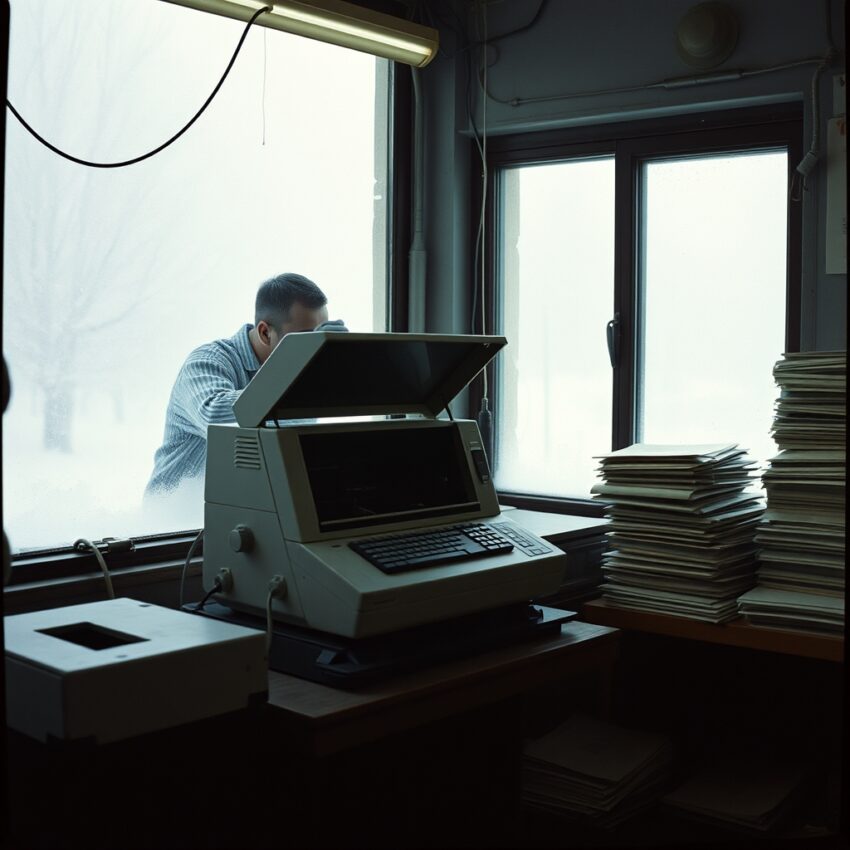
Bu ikinci ömrün arkasında biraz da eski şehir hayatının israf etmeyen mantığı vardı. Bir eşya bozulduğunda hemen gözden çıkarılmaz, önce “usta bir baksın” denirdi. Faks makineleri de bu kültür içinde, kolay vazgeçilmeyen araçlardan biri oldu. Çünkü onlar yalnız belge iletmiyor; dükkânın güvenilirliğini, kurumsallık hissini ve zamanında iş yetiştirme becerisini de temsil ediyordu. Kışın buğulu camına vurup geçen mahalle hayatı içeride sürerken, tamircinin tornavidası, temizlik bezi ve sabrı sayesinde makine yeniden çalışmaya başlardı. Bu sahne, analog ile dijital arasında sıkışmış bir çağın ruhunu taşır: hâlâ mekanik dokunuşa ihtiyaç duyan, ama hız talebinden de vazgeçmeyen bir dönem.
Bugün çoğu belge ekrana düşüyor, imzalar dijitalleşiyor ve iletişim çok daha sessiz akıyor. Buna rağmen faks makinesini hatırlatan şey, yalnız teknolojik bir geçiş değil; tamir edilerek uzatılan ömrün kendisi. Tamircilerin elinde ikinci bir hayat bulan bu cihazlar, bir dönemin emek anlayışını ve eşyayla kurduğu sadakati anlatıyor. Komşu pencerelerine yaslanarak dışarıyı seyredenler için içerideki faks sesi belki sıradan bir ayrıntıydı; ama gerçekte o ses, çalışmaya devam eden küçük bir dünyanın ritmiydi. Bu yüzden faks makinesi bugün unutulmuş görünse bile, şehir hafızasında hâlâ tamir edilen, beklenen ve yeniden devreye giren bir sabrın sembolü olarak duruyor.
🇬🇧 English | Hours Spent Beside the Fax Machine: Explaining Why It Found a Second Life in the Hands of Repairmen, Leaning Against Neighbors’ Windows and Tapping Winter’s Fogged Glass as It Passed
There was once a distinctive hurry inside offices, shops, and small ground-floor businesses, and at the center of that hurry the fax machine often stood. The sound of paper being pulled in, the slow appearance of a document arriving from the other side, and the invisible connection this strange box established through a telephone line made people feel that modern time had become tangible. On winter days, when the windows of neighborhood shops were fogged with condensation, hearing a fax machine at work inside gave even the street a faint sense of official purpose. People leaning against neighboring windows might not have known exactly what was happening within, yet they could sense that the machine’s mechanical hum was a sign that business was moving forward.
As technological heritage, the fax machine mattered because it changed the discipline of work by carrying writing and signatures across distance almost instantly. It formed a bridge between the waiting of letters and the immediacy of the telephone, becoming part of daily routine in notary offices, accounting rooms, agencies, and repair shops. What made it especially interesting, however, was the way it came back to life in the hands of repairmen just when many assumed its usefulness had ended. Choosing to repair an old machine instead of buying a new one was not only an economic decision, but also a habit of refusing to discard something that still ought to work. The neighborhood repairman opened the case, checked the rollers, cleaned the jammed gear, listened to the telephone line, and when the machine began working again the shop owner recovered not only a device, but the flow of the business itself.
Behind that second life stood the frugal logic of older urban life. When an object broke, it was not dismissed at once; someone would first say, “let the repairman have a look.” Fax machines became one of the devices that people were reluctant to abandon within that culture. They did more than send documents; they represented reliability, a sense of formality, and the ability to finish work on time. While neighborhood life brushed past the fogged winter glass outside, the repairman’s screwdriver, cloth, and patience brought the machine back into motion. The scene carries the spirit of an era caught between analog and digital, one that still needed mechanical touch, yet could no longer give up speed.
Today most documents arrive on screens, signatures are digital, and communication flows much more silently. Even so, what keeps the fax machine memorable is not only a technological transition, but the life extended through repair. These machines, finding a second existence in the hands of repairmen, speak of an era’s understanding of labor and loyalty toward objects. For those leaning against neighboring windows and watching the street, the sound from inside may have seemed like an ordinary detail. In truth, it was the rhythm of a small world still at work. That is why the fax machine, though now seemingly forgotten, remains in urban memory as a symbol of patience: repaired, awaited, and brought back into service once again.
🇧🇷 Português (Brasil) | Horas Passadas ao Lado da Máquina de Fax: Explica por que Ela Encontrou uma Segunda Vida nas Mãos dos Consertadores, Encostando-se às Janelas dos Vizinhos e Tocando o Vidro Embaçado do Inverno ao Passar
Houve um tempo em que escritórios, lojas e pequenos comércios no térreo dos prédios tinham uma pressa muito própria, e no centro dessa pressa muitas vezes estava a máquina de fax. O som do papel sendo puxado para dentro, o surgimento lento do documento enviado de longe e a ligação invisível que aquela caixa estranha criava por meio da linha telefônica faziam as pessoas sentirem a modernidade de modo palpável. Nos dias de inverno, quando os vidros das lojas do bairro ficavam embaçados, ouvir um fax funcionando lá dentro dava até à rua uma leve sensação de formalidade. Quem se encostava às janelas vizinhas talvez não soubesse exatamente o que acontecia ali, mas intuía que o zumbido mecânico do aparelho significava que as coisas estavam andando.
Como herança tecnológica, a máquina de fax foi importante porque mudou a disciplina do trabalho ao levar escrita e assinatura a longas distâncias quase de imediato. Ela formava uma ponte entre a espera da carta e o instante do telefone, tornando-se parte da rotina em cartórios, escritórios de contabilidade, agências e oficinas. O que a torna ainda mais interessante, porém, é o fato de ter voltado à vida nas mãos dos consertadores justamente quando muitos pensavam que ela já estava superada. Escolher consertar uma máquina antiga em vez de comprar outra não era apenas uma decisão econômica, mas também um hábito de não abandonar algo que ainda podia funcionar. O consertador do bairro abria a tampa, verificava os rolos, limpava a engrenagem travada, testava a linha telefônica e, quando o aparelho voltava a funcionar, o dono recuperava não só uma máquina, mas também o fluxo do próprio trabalho.
Por trás dessa segunda vida estava um pouco da lógica sem desperdício da antiga vida urbana. Quando um objeto quebrava, ele não era descartado imediatamente; primeiro se dizia: “deixa o mestre olhar”. As máquinas de fax se tornaram um dos equipamentos mais difíceis de abandonar dentro dessa cultura. Isso porque faziam mais do que enviar documentos: representavam confiança, senso de formalidade e capacidade de entregar o serviço no prazo. Enquanto a vida do bairro tocava o vidro embaçado do inverno pelo lado de fora, a chave de fenda, o pano de limpeza e a paciência do consertador faziam a máquina voltar à atividade. A cena carrega o espírito de uma época presa entre o analógico e o digital, ainda dependente do toque mecânico, mas já incapaz de renunciar à velocidade.
Hoje a maioria dos documentos chega pela tela, as assinaturas se tornaram digitais e a comunicação corre de forma muito mais silenciosa. Ainda assim, o que mantém viva a lembrança da máquina de fax não é apenas uma etapa tecnológica, mas a própria vida prolongada pelo conserto. Esses aparelhos, ao encontrarem uma segunda existência nas mãos dos consertadores, falam da relação de uma época com o trabalho e com a fidelidade aos objetos. Para quem se encostava às janelas dos vizinhos observando a rua, o som vindo de dentro talvez parecesse um detalhe comum. Na verdade, era o ritmo de um pequeno mundo que continuava funcionando. Por isso a máquina de fax, mesmo parecendo esquecida, ainda ocupa lugar na memória urbana como símbolo de uma paciência que conserta, espera e coloca tudo de novo em serviço.