🇹🇷 Türkçe | Hatıraların tozlu raflarında fotoğraf stüdyolarının aile tarihini çerçevelediği dönem: bugüne hangi sessiz alışkanlıkları bıraktı çiçek kokulu sokaklar
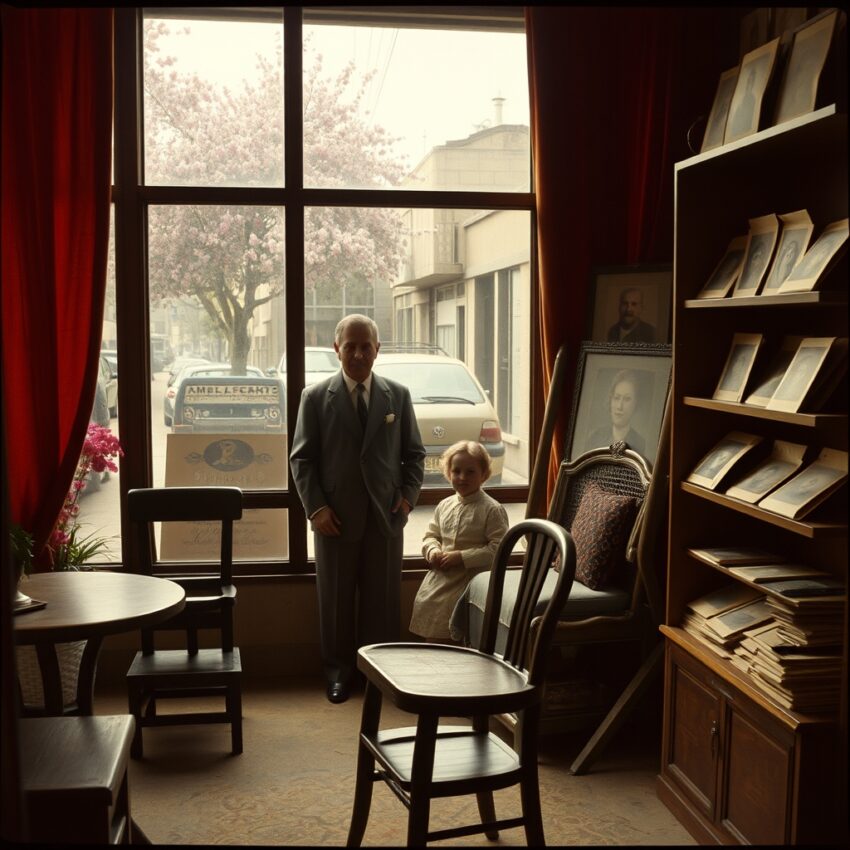
Bir zamanlar bir aile fotoğrafı çektirmek, bugünkü gibi hızlıca geçilen bir iş değil; neredeyse küçük bir tören sayılırdı. Sokağın köşesindeki fotoğraf stüdyosuna gidileceği gün, evde bir hazırlık telaşı başlar; çocukların saçları taranır, en düzgün elbiseler çıkarılır, babanın ceketi fırçalanır, annenin yakası bir kez daha düzeltilirdi. Çiçek kokulu sokaklardan yürüyerek gidilen o stüdyolar, yalnızca bir dükkân değil; aile tarihinin görünür hale geldiği sessiz sahnelerdi. Camekânın arkasında duran sepya portreler, kadife perdeler, yuvarlak masalar ve dikkatle yerleştirilmiş sandalyeler, insanlara kendi hayatlarının önemli olduğunu hissettirirdi. Tozlu raflarda biriken zarflar ve karton paspartular, zamanın elden ele saklandığı küçük emanetler gibiydi.
Zamanın İzinde bakıldığında fotoğraf stüdyolarının kıymeti, yalnız görüntü üretmelerinden gelmez. Onlar aynı zamanda ailelerin kendilerini nasıl görmek istediğini, hangi duruşu ciddiyet saydığını ve hafızayı nasıl düzenlediğini gösterirdi. Eski gazetelerde vesikalık, düğün, askerlik ya da okul hatırası için verilen ilanlar; bu stüdyoların gündelik hayatın ne kadar merkezinde olduğunu hissettirir. Bir aile aynı kadrajda yer aldığında, yalnız yüzler değil, kuşaklar arasındaki hiyerarşi, yakınlık ve özen de görünür hale gelirdi. Çocukların ön sıraya alınması, büyüğün sandalyeye oturtulması, herkesin gözünü aynı noktaya çevirmesi tesadüf değildi. Fotoğraf, dağınık geçen bir hayatı birkaç saniyeliğine toparlayan bir ciddiyet çağrısıydı. Belki de bu yüzden aile albümleri, çoğu evde en üst rafta ya da çekmecenin en güvenli yerinde saklanırdı.
Bu dönemin sessiz alışkanlıkları bugün hâlâ fark edilmeden sürüyor. Kameraya bakarken istemsizce toparlanmak, omzu düzeltmek, çocukları yan yana dizmek, önemli günlerde “bir aile fotoğrafı çekilelim” deme ihtiyacı duymak; eski stüdyo terbiyesinin bugüne uzanan izleridir. O yıllarda fotoğraf çekimi az olduğu için herkes kadrajın kıymetini bilirdi. Kimse rastgele oturmaz, kimse yüzünü yarım çevirmeyi önemsemez görünmezdi. Çiçek kokulu sokaklardan geçip stüdyoya varan aileler, görüntünün yalnız o ana değil, gelecek kuşakların bakışına da ait olacağını sezerek davranırdı. Bu yüzden stüdyo çıkışında alınan küçük karton zarflar eve neredeyse bir hatıra eşyası gibi taşınır, komşulara gösterilir, sandıkta bohçaların arasına yerleştirilirdi.
Bugün dijital görüntülerin bolluğu içinde o eski stüdyoların bıraktığı en güçlü miras, belki de hatıraya karşı duyulan saygıdır. Fotoğrafın çekildiği anı ciddiye almak, yakınları bir araya getirmenin değerini bilmek, bir yüz ifadesini aile hikâyesinin parçası saymak o dönemin sessiz ahlakındandı. Çiçek kokulu sokaklar artık aynı biçimde kalmamış olabilir; ama ailece kadraja girerken içimizde beliren o hafif toparlanma duygusu, fotoğraf stüdyolarının tozlu raflarından bugüne taşınmış görünmez bir alışkanlıktır. Eski bir vesikalığa ya da sararmış aile portresine baktığımızda hissettiğimiz şey sadece geçmiş değil; geçmişin kendini saklama biçimidir. İşte bu yüzden o stüdyolar, yalnız görüntü değil, bir aile olma hissinin çerçevesini de bırakmıştır.
🇬🇧 English | The Era When Photo Studios Framed Family History on the Dusty Shelves of Memory: What Quiet Habits Did Flower-Scented Streets Leave to Today?
There was once a time when having a family photograph taken was not a quick errand, but something close to a small ceremony. On the day a household was to visit the photo studio at the corner of the street, preparations began at home: children had their hair carefully combed, the best clothes were brought out, the father’s jacket was brushed, and the mother’s collar was adjusted one last time. Reached by walking through flower-scented streets, those studios were not merely shops, but quiet stages where family history became visible. Sepia portraits behind the window, velvet curtains, round tables, and carefully placed chairs made ordinary people feel that their lives were worth preserving. The envelopes and cardboard mounts gathering dust on the shelves were like little trusts in which time itself had been stored by hand.
Seen along the trail of time, the value of photo studios came not only from producing images. They also revealed how families wished to see themselves, what posture they considered dignified, and how they arranged memory. Old newspaper advertisements for identity photos, wedding portraits, military keepsakes, or school mementos make clear how central these studios once were to daily life. When a family stood together in the same frame, not only faces but also hierarchy, intimacy, and care became visible. Children were placed in front, the eldest was seated, and everyone was directed toward the same point with intention. Photography was a call to gather a scattered life into seriousness for a few seconds. Perhaps that is why family albums were often kept on the highest shelf or in the safest drawer of the house.
Many of the quiet habits from that era continue today almost without notice. The instinct to straighten oneself when facing a camera, to square the shoulders, to line children up side by side, to say “let’s take a family picture” on important days, all of these are traces of the old studio discipline. Because photographs were rare then, everyone knew the weight of the frame. No one sat carelessly, and no one treated a turned face as unimportant. Families who walked through flower-scented streets to reach the studio behaved as if they understood that the image would belong not only to that day, but also to the gaze of future generations. For that reason, the small cardboard envelopes handed over after a session were carried home almost like objects of memory, shown to neighbors, then placed carefully among linens and keepsakes.
Today, in an age flooded with digital images, the strongest legacy left by those old studios may be a sense of respect toward remembrance itself. To take the moment seriously, to value gathering loved ones into one frame, and to treat an expression as part of family history were all part of that era’s quiet ethic. The flower-scented streets may no longer remain in the same form, yet the slight instinct to compose ourselves when entering a family photograph is an invisible habit carried from those dusty studio shelves into the present. When we look at an old identity portrait or a yellowed family print, what we feel is not only the past, but the past’s own way of preserving itself. That is why those studios left behind not only images, but also the frame of what it meant to feel like a family.
🇧🇷 Português (Brasil) | A Época em que os Estúdios Fotográficos Emolduravam a História da Família nas Prateleiras Embrulhadas de Poeira das Memórias: Que Hábitos Silenciosos as Ruas Perfumadas de Flores Deixaram para Hoje?
Houve um tempo em que tirar uma fotografia de família não era uma tarefa rápida, mas quase uma pequena cerimônia. No dia em que a família iria ao estúdio da esquina, começava em casa uma preparação cuidadosa: os cabelos das crianças eram penteados, as melhores roupas saíam do armário, o paletó do pai era escovado e a gola da mãe recebia um último ajuste. Alcançados depois de uma caminhada por ruas perfumadas de flores, esses estúdios não eram apenas lojas, mas palcos silenciosos onde a história da família se tornava visível. Os retratos em sépia na vitrine, as cortinas de veludo, as mesas redondas e as cadeiras bem posicionadas faziam as pessoas sentirem que a própria vida merecia ser guardada. Os envelopes e paspaturês de papelão acumulados nas prateleiras empoeiradas pareciam pequenos depósitos de tempo mantidos pelas mãos.
No rastro do tempo, o valor dos estúdios fotográficos não vinha apenas do fato de produzirem imagens. Eles também mostravam como as famílias desejavam se ver, que postura consideravam séria e como organizavam a memória. Anúncios antigos de jornais para retratos de identidade, casamentos, lembranças do serviço militar ou fotografias escolares revelam o quanto esses estúdios estavam no centro da vida cotidiana. Quando uma família aparecia no mesmo enquadramento, não se viam apenas rostos, mas também hierarquia, proximidade e cuidado. As crianças eram colocadas à frente, a pessoa mais velha se sentava, e todos dirigiam o olhar para o mesmo ponto. A fotografia era um chamado para reunir, por alguns segundos, uma vida espalhada em um gesto de compostura. Talvez por isso os álbuns de família fossem guardados na prateleira mais alta ou na gaveta mais segura da casa.
Muitos dos hábitos silenciosos daquela época continuam até hoje sem que se perceba. Endireitar o corpo diante da câmera, ajustar os ombros, alinhar as crianças lado a lado, sentir necessidade de dizer “vamos tirar uma foto de família” em dias importantes: tudo isso é vestígio da antiga disciplina do estúdio. Como as fotos eram raras, todos sabiam o peso do enquadramento. Ninguém se sentava de qualquer maneira, ninguém tratava um rosto meio virado como algo sem importância. As famílias que atravessavam ruas perfumadas de flores até chegar ao estúdio se comportavam como se soubessem que aquela imagem pertenceria não só ao dia presente, mas também ao olhar das gerações futuras. Por isso, os pequenos envelopes de cartão recebidos no fim da sessão eram levados para casa quase como objetos de memória, mostrados aos vizinhos e depois guardados entre enxovais e lembranças.
Hoje, em meio à abundância das imagens digitais, talvez a herança mais forte desses velhos estúdios seja o respeito pela lembrança. Levar a sério o momento da fotografia, valorizar o gesto de reunir os parentes no mesmo quadro e considerar uma expressão facial como parte da história da família fazia parte da ética silenciosa daquele tempo. As ruas perfumadas de flores talvez já não existam da mesma forma, mas a leve vontade de nos compor ao entrar numa foto de família continua sendo um hábito invisível trazido das prateleiras empoeiradas desses estúdios até o presente. Quando olhamos um retrato antigo ou uma fotografia de família amarelada, sentimos não apenas o passado, mas a maneira que o passado tinha de se guardar. É por isso que esses estúdios deixaram não só imagens, mas também a moldura do que significa sentir-se família.