🇹🇷 Türkçe | Okul Dönüşü Sofraya İlk Uzanan Kaşığın Hatırladığı Tat
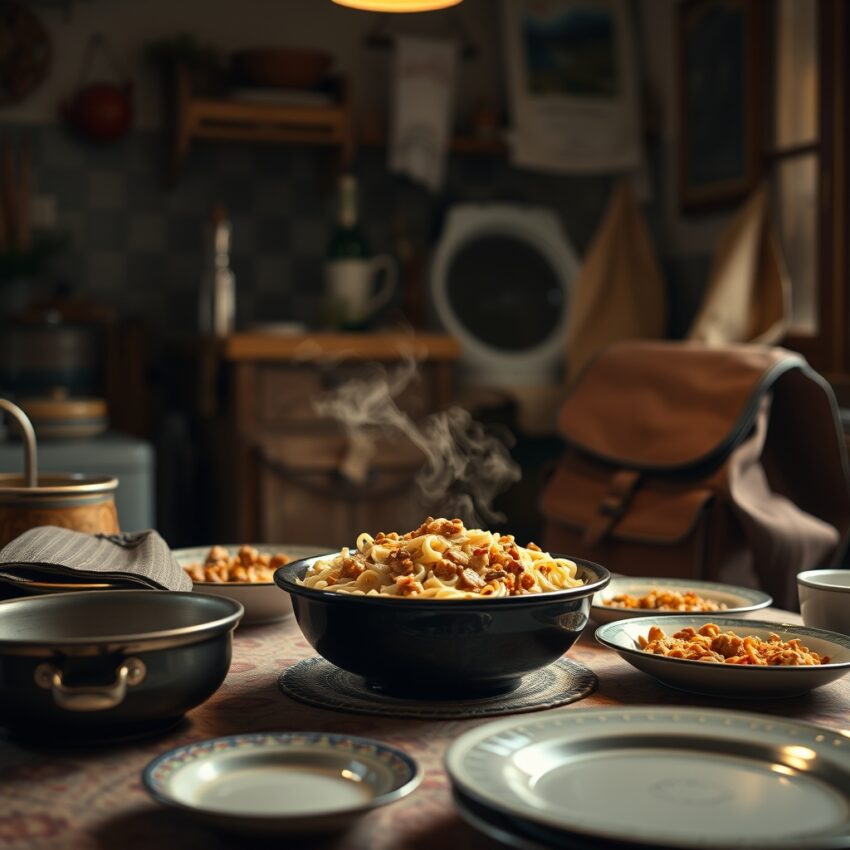
Bir zamanlar okuldan eve dönmenin en güvenli işaretlerinden biri mutfaktan yükselen tanıdık kokuydu. Kapı açılır açılmaz çantanın ağırlığı hafifler, mutfak tarafından gelen tereyağı, kavrulmuş erişte ve ceviz kokusu akşamın nasıl geçeceğini haber verirdi. Cevizli erişte pilavı, özellikle okul dönüşü saatlerinde sofraya konduğunda sıradan bir yemek olmaktan çıkar, çocukluğun düzenli sevinçlerinden birine dönüşürdü. Büyük tencerelerde yapılan ama tabakta ev sıcaklığı kadar kişisel duran bu yemek, hem doyurucu hem de yumuşak bir teselli taşırdı. İlk uzanan kaşık çoğu zaman en aç olan çocuğun olurdu; ama o ilk hareket yalnız açlığı değil, eve dönmüş olmanın rahatlığını da ifade ederdi. Bu yüzden cevizli erişte pilavı hafızada yalnız tadıyla değil, geliş saatinin duygusuyla da yaşar.
Damak Hafızası açısından bu tarifin aile içinde özel bir yere sahip olması, malzemelerinin sadeliği ile taşıdığı duygunun büyüklüğü arasındaki dengeden gelir. Erişte, ceviz, tereyağı, bazen biraz karabiber, kimi evde yanına yoğurt, kimi evde hafif bir turşu eşliği… Bunlar pahalı ya da zor bulunan unsurlar değildir. Ama tam da bu erişilebilirlik, yemeği aile mutfağının kalıcı parçası yapar. Çünkü özel olan şey çoğu zaman malzemenin nadirliği değil, yemeğin hangi anda, hangi duyguyla ve kimin eliyle hazırlandığıdır. Okuldan dönülen saatlerde annelerin ya da büyükannelerin tencerenin kapağını aralarken kurduğu ritim, eriştenin tencerede hafifçe kabarması, cevizin üstte bıraktığı kırıklı doku, bütün bunlar çocuk için güven ve devamlılık duygusunu pekiştirirdi.
Bu yemeğin aile tarifleri arasında ayrı bir yer tutmasının bir başka nedeni de kuşaklar arası aktarım kolaylığıdır. Cevizli erişte pilavı gösterişli bir mutfak tekniği istemez; ama tam kıvamında olması için dikkat ve deneyim gerektirir. Eriştenin ne kadar kavrulacağı, cevizin ne zaman ekleneceği, pilavın tane tane mi yoksa biraz daha yumuşak mı sevildiği her evde farklı bir küçük sır taşır. İşte aile tarifi dediğimiz şey de burada başlar. Aynı yemek, başka bir mutfakta benzer görünse bile çocukluğun evinde taşıdığı anlamı ancak o evin ölçüsüyle kazanır. Bu nedenle yıllar sonra başka bir yerde yenilen erişte pilavı çoğu zaman “bizdeki gibi değil” cümlesini doğurur. Çünkü hatırlanan şey salt lezzet değil, ölçünün duygusal hafızasıdır.
Okul dönüşü tabağa ilk uzanan kaşığın bu kadar güçlü bir imgeye dönüşmesi de bundandır. O ilk kaşık, yalnız iştahı değil, beklenmiş olmayı da temsil eder. Çocuk eve zamanında ulaşmıştır, yemek hazırlanmıştır, masa kurulmuştur ve günün dağınıklığı sofrada yeniden toparlanmaktadır. Eriştenin kısa, sıcak ve kolay paylaşılır yapısı da bu toparlayıcı role uygundur. Büyük sofralarda herkes kendi payını rahatça alır; ceviz kimi tabakta daha çok, kiminde daha az görünür ama yemeğin ortaklığı bozulmaz. Bu tabak, ev içinde abartısız bir bolluk hissi yaratır. Ne şölen kadar ağır ne de atıştırmalık kadar geçicidir; tam arasında, aile düzeninin günlük merkezi gibidir.
Bugün cevizli erişte pilavı anıldığında pek çok kişinin aklına yalnız bir yemek değil, okul dönüşü saati, mutfak buğusu ve ilk kaşığın verdiği sakinlik gelir. Bu tarifin aile içinde özel bir yere sahip olması, biraz da çocukluğun en savunmasız ve en açık anına denk gelmesindendir. Eve dönülen o saatlerde insan hem çok aç hem çok alıcıdır; sofradaki tat da bu yüzden doğrudan hafızaya kazınır. Cevizli erişte pilavı, aile tarifleri arasında yerini yalnız lezzetiyle değil, eve dönüş duygusunu her seferinde aynı yumuşaklıkla karşılayabildiği için korur.
🇬🇧 English | The Flavor Remembered by the First Spoon Reaching the Table After School
There was a time when one of the surest signs of coming home from school was the familiar smell rising from the kitchen. The moment the door opened, the weight of the schoolbag seemed to lighten, and the scent of butter, toasted noodles, and walnuts coming from the stove announced how the evening would unfold. When walnut noodle pilaf appeared on the table at the hour of return from school, it ceased to be an ordinary meal and became one of childhood’s orderly joys. Made in large pots yet feeling as personal on the plate as the warmth of home itself, it carried both nourishment and a gentle form of comfort. The first spoon usually belonged to the hungriest child, but that first movement expressed more than hunger; it expressed the relief of having arrived home. That is why walnut noodle pilaf lives in memory not only through its taste, but through the emotional hour in which it was served.
From the perspective of taste memory, the reason this recipe holds a special place within the family lies in the balance between the simplicity of its ingredients and the depth of feeling it carries. Noodles, walnuts, butter, sometimes a little black pepper, in some homes a spoon of yogurt at the side, in others a light pickle alongside: none of these are rare or expensive elements. Yet precisely that accessibility makes the dish a lasting part of family cooking. What is special is often not the rarity of the ingredient, but the moment in which the meal is prepared, the feeling surrounding it, and the hand that makes it. The rhythm with which mothers or grandmothers lifted the lid at the hour children returned from school, the slight swelling of noodles in the pot, the broken texture left by the walnuts on top, all strengthened for the child a sense of safety and continuity.
Another reason the dish occupies a distinct place among family recipes is the ease with which it moves between generations. Walnut noodle pilaf does not require theatrical technique, yet it demands attention and experience to reach its proper consistency. How long the noodles are toasted, when the walnuts are added, whether the pilaf is loved loose and separate or slightly softer, each home carries a small secret of its own. That is where a family recipe truly begins. The same dish may look similar in another kitchen, but it gains its full meaning only through the measure of one’s childhood home. For that reason, a noodle pilaf eaten elsewhere years later often brings the sentence it is not like ours. What is remembered is not taste alone, but the emotional memory of proportion.
That is also why the image of the first spoon reaching the plate after school becomes so powerful. The first spoon represents not only appetite, but also the feeling of having been awaited. The child has arrived on time, the food has been prepared, the table has been set, and the disorder of the day is being gathered back together around the meal. The short, warm, easily shared form of the noodles suits this gathering role perfectly. At large tables everyone can take a portion with ease; walnuts may appear more in one plate and less in another, yet the shared quality of the dish is never broken. This plate creates an understated sense of abundance within the household. It is neither as heavy as a feast nor as fleeting as a snack; it sits in the middle, like the daily center of family order.
Today, when walnut noodle pilaf is mentioned, many people remember not only a meal but also the hour after school, the steam of the kitchen, and the calm provided by that first spoonful. The reason this recipe holds a special place within the family also lies in the fact that it belongs to one of childhood’s most open and vulnerable moments. At the hour of coming home, a person is both very hungry and very receptive; the taste on the table therefore enters memory directly. Walnut noodle pilaf keeps its place among family recipes not only through flavor, but because it greets the feeling of returning home with the same softness every time.
🇧🇷 Português (Brasil) | O Sabor Lembrado pela Primeira Colher que Tocava o Prato na Volta da Escola
Houve um tempo em que um dos sinais mais seguros de voltar da escola era o cheiro conhecido que vinha da cozinha. Assim que a porta se abria, o peso da mochila parecia diminuir, e o aroma de manteiga, macarrão tostado e nozes dizia como a noite iria seguir. Quando o pilaf de macarrão com nozes aparecia à mesa na hora da volta da escola, deixava de ser uma refeição comum e se transformava numa das alegrias organizadas da infância. Feito em panelas grandes, mas com uma presença no prato tão pessoal quanto o calor da casa, ele trazia ao mesmo tempo sustento e consolo delicado. A primeira colher costumava pertencer à criança mais faminta, mas esse primeiro gesto não falava apenas da fome; falava do alívio de ter voltado para casa. Por isso o pilaf de macarrão com nozes vive na memória não só pelo gosto, mas também pela hora emocional em que era servido.
Do ponto de vista da memória do paladar, o motivo de essa receita ocupar um lugar especial na família vem do equilíbrio entre a simplicidade dos ingredientes e a profundidade do sentimento que ela carrega. Macarrão, nozes, manteiga, às vezes um pouco de pimenta-do-reino, em algumas casas iogurte ao lado, em outras um picles leve para acompanhar… Nada disso é raro ou caro. E é justamente essa acessibilidade que faz do prato uma peça duradoura da cozinha familiar. O que é especial quase nunca está na raridade do ingrediente, mas no momento em que a comida é feita, no sentimento que a cerca e na mão que a prepara. O ritmo com que mães ou avós levantavam a tampa da panela na hora em que as crianças chegavam da escola, o macarrão inchando de leve, a textura quebrada deixada pelas nozes por cima, tudo isso reforçava na criança o sentimento de segurança e continuidade.
Outra razão para esse prato ocupar um lugar separado entre as receitas da família é a facilidade com que ele atravessa gerações. O pilaf de macarrão com nozes não exige uma técnica vistosa, mas pede atenção e experiência para chegar ao ponto certo. Quanto tempo o macarrão deve tostar, em que momento as nozes entram, se o prato deve ficar mais soltinho ou um pouco mais macio, cada casa guarda um pequeno segredo. É aí que começa de fato a receita de família. O mesmo prato pode parecer semelhante em outra cozinha, mas só ganha seu sentido completo com a medida da casa da infância. Por isso, muitos anos depois, provar um macarrão assim em outro lugar costuma trazer a frase não é como o da nossa casa. O que se recorda não é só o sabor, mas a memória afetiva da medida.
É também por isso que a imagem da primeira colher alcançando o prato na volta da escola se torna tão forte. Essa primeira colher representa não apenas o apetite, mas a sensação de ter sido esperado. A criança chegou em casa, a comida está pronta, a mesa foi posta e a desordem do dia está sendo reorganizada ao redor da refeição. A forma curta, quente e fácil de repartir do macarrão combina perfeitamente com esse papel de reunir. Em mesas grandes, cada um pode tirar sua porção com tranquilidade; pode haver mais nozes em um prato e menos em outro, mas o caráter coletivo da comida não se perde. Esse prato cria uma sensação discreta de abundância dentro de casa. Ele não é pesado como uma festa nem passageiro como um lanche; fica no meio, como o centro cotidiano da ordem familiar.
Hoje, quando se fala em pilaf de macarrão com nozes, muita gente lembra não só de uma comida, mas também da hora da volta da escola, do vapor da cozinha e da calma trazida pela primeira colher. O motivo de essa receita ocupar um lugar especial na família está também no fato de pertencer a um dos momentos mais abertos e vulneráveis da infância. Na hora de voltar para casa, a pessoa está ao mesmo tempo com muita fome e muito receptiva; por isso o sabor da mesa entra diretamente na memória. O pilaf de macarrão com nozes mantém seu lugar entre as receitas de família não apenas pelo gosto, mas porque recebe a sensação de voltar para casa sempre com a mesma suavidade.