🇹🇷 Türkçe | Bir kuşağın içini ısıtan günlerde okul önlüklerinin aynı hayali taşıdığı sabahlar: şehir belleğinde nasıl derin bir iz açtı cam açtıran sabahlar
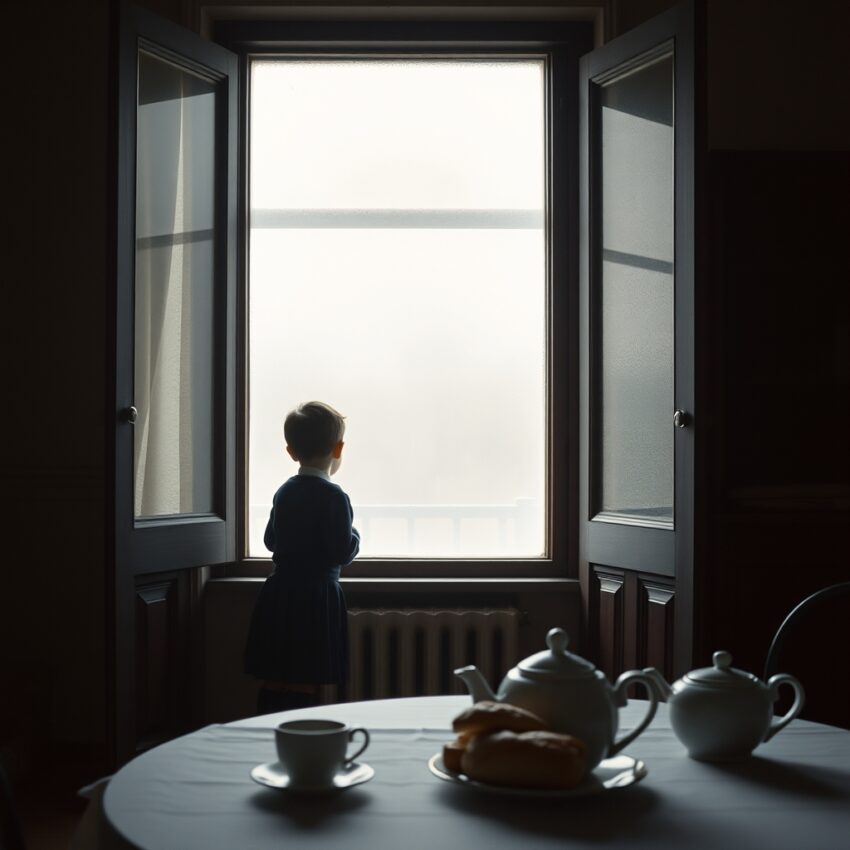
Bazı sabahlar vardır; henüz güneş tam yükselmeden insanın içini tanıdık bir telaşla doldurur. Eski şehir hayatında okul sabahları tam da böyle bir ağırlığa ve sıcaklığa sahipti. Sobanın geceden kalan ılıklığı, koridorda birbirine sürtünen rugan ayakkabıların sesi, ütülenmiş okul önlüğünün kolalı kumaşı ve mutfaktan gelen çayın, kızarmış ekmeğin kokusu, daha gün başlamadan bir düzen kurardı. Çocuklar saçlarını aceleyle tarar, anneler yakaları düzeltir, babalar pencereye yaklaşıp havaya bakardı. O pencereyi açtıran şey yalnız içeride biriken buğu değildi; sokağın sesini duymak, minibüsün geçip geçmediğini anlamak, simitçinin sesini seçmek ve güne hangi yüzle başlanacağını hissetmekti. İşte şehir belleğinde kalan iz de biraz burada başlıyordu: okul sabahı, ev ile sokak arasındaki o ilk eşikte kuruluyordu.
Zamanın İzinde bakıldığında okul önlüğü, yalnız bir kıyafet değil, bir dönemin ortak hayal disiplinidir. Aynı renk kumaşın içinde farklı evlerden çıkan çocuklar, kentin birbirinden uzak mahallelerini görünmez bir çizgiyle birbirine bağlardı. Kimi apartman dairesinden, kimi avlulu evden, kimi dar sokak başındaki ahşap yapıdan çıkardı; ama hepsi benzer bir sabah ritmine sahipti. Eski gazetelerde eğitim yılının açılışına dair haberlerde hep düzen, umut ve gelecek vurgusu bulunması boşuna değildi. Çünkü okul, yalnız öğrenim değil, şehrin kendi kendine verdiği terbiyenin de bir parçasıydı. Pencerenin açılması, perdelerin aralanması, çocukların aynı saatlerde sokağa karışması, kentin hafızasında tekrarlanan bir sahne hâline gelmişti. Bu yüzden o sabahlar kişisel olduğu kadar toplumsaldı.
Cam açtıran sabahların asıl derinliği gündelik ayrıntılarda saklıydı. Çantanın tokasının kapanma sesi, defterlerin kenarına geçirilen şeffaf kaplık, önlüğün cebine sıkıştırılan mendil, annelerin “üşütme” diye ardından seslenmesi, okul servisinin ya da mahalle dolmuşunun köşede görünmesi… Bütün bunlar bir kuşağın çocukluk hafızasını örerken, şehir hayatına da ritim verirdi. Sokak o saatte başka türlü kokardı; sabah serinliği kömür dumanına, taze ekmeğe, ıslak kaldırım taşlarına karışırdı. Çocuk camdan başını uzattığında yalnız havayı değil, bütün kentin uyanışını içine çekerdi. Bugün pek çok insanın eski okul günlerini düşünürken önce pencere önlerini, buğulu camları ve sokağa karışan ayak seslerini hatırlaması boşuna değildir. Hafızayı kalıcı kılan, büyük olaylardan çok bu küçük tekrarların toplamıdır.
Okul önlüğünün aynı hayali taşıması biraz da eşitlenmiş bir gelecek duygusundan geliyordu. Kumaşlar eskise, yakalar elde yıkansa, ayakkabılar bir büyük kardeşten küçüğe kalsa bile sabahın kurduğu ciddiyet herkese benzer bir umut verirdi. Mahalle fırınından yeni çıkmış ekmekle yapılan kahvaltı, alelacele içilen süt, deftere yazılmış ödevlerin son kez gözden geçirilmesi ve ardından kapının çekilip sokağa inilmesi, ailenin geleceğe küçük ama kararlı bir yatırım gibiydi. Şehir belleğinde bu sabahların sıcak kalmasının nedeni de burada yatıyor. Çünkü okul sabahı yalnız çocukların değil, ailelerin de umut sahnesiydi. Anne pencereye son kez bakar, baba saati kontrol eder, çocuk merdiveni inerken kentin yarını da onunla birlikte aşağıya süzülürdü.
Bugün o sabahların çoğu biçim değiştirmiş olabilir; önlükler kalkmış, sokak sesleri azalmış, pencereler daha sık kapalı kalmış olabilir. Ama bir kuşağın içini ısıtan şey hâlâ aynı: güne birlikte hazırlanmanın verdiği güven. Cam açtıran sabahlar şehir belleğinde derin iz bıraktıysa, bunun nedeni okul yolunun yalnız bir güzergâh değil, ortak hayatın törensel başlangıcı olmasıdır. Bu sahnelerde kent, yalnız binalardan ve caddelerden ibaret değildi; ütü kokusundan, buğulu camdan, simit sesinden, çocuk adımlarından oluşan canlı bir dokuydu. Geçmişe dönüp bakıldığında insanın içini ürperten de budur. Eski okul sabahları, yalnız eğitim hatırası değil, bir şehrin umut etmeyi bildiği saatlerdi.
🇬🇧 English | On the Mornings When School Uniforms Carried the Same Dream in Days That Warmed a Generation’s Heart: How Did the Mornings That Made Us Open the Window Leave Such a Deep Mark on Urban Memory?
There are certain mornings that fill the heart with a familiar hurry before the sun has fully risen. In the life of the old city, school mornings carried exactly that kind of warmth and weight. The remaining heat of the stove, the sound of polished shoes brushing along the corridor, the crisp cloth of a freshly ironed school uniform, and the smell of tea and toasted bread coming from the kitchen established an order before the day had truly begun. Children hurried through combing their hair, mothers straightened collars, fathers went to the window to read the weather. What made them open the window was not only the fog gathered on the glass. It was the desire to hear the street, to know whether the minibus had passed, to catch the cry of the simit seller, and to sense what face the day would wear. The trace left in urban memory began exactly there, on that threshold where the house met the street.
Seen in the path of time, the school uniform was not merely clothing but a discipline of shared hope. Children stepping out from different homes in the same fabric connected distant neighborhoods of the city through an invisible line. Some came from apartment blocks, some from courtyard houses, some from old wooden homes at the turn of narrow streets, yet they all belonged to a similar morning rhythm. It was no accident that old newspaper reports on the opening of the school year spoke so often of order, promise, and the future. School represented not only education, but also a form of civic self-training. Windows opening, curtains parting, children joining the street at the same hour: these became repeating scenes in the city’s own memory. That is why those mornings were social as much as personal.
The true depth of those mornings that made people open the window was hidden in ordinary details. The click of a schoolbag clasp, transparent covers wrapped around notebooks, a handkerchief tucked into the pocket of a uniform, mothers calling out not to catch cold, the school service or neighborhood dolmus appearing at the corner. As these moments wove childhood memory for a generation, they also gave rhythm to urban life. The street even smelled different at that hour. Morning chill mixed with coal smoke, fresh bread, and damp paving stones. When a child leaned out of the window, they did not breathe only the air. They breathed in the whole awakening of the city. That is why so many people, when they think of their old school days, first remember fogged windows, the edge of the sill, and the footsteps dissolving into the street. Memory lasts because of such repeated small scenes rather than major events.
The idea that school uniforms carried the same dream also came from a shared sense of future. The cloth might wear thin, collars might be washed by hand, shoes might pass down from one sibling to another, yet the seriousness of the morning gave everyone a similar hope. Breakfast made from bread fresh from the neighborhood bakery, milk drunk in haste, homework checked one final time, and then the front door closing behind the child as they stepped onto the street: all of it felt like a small but determined investment in tomorrow. That is why these mornings stayed warm in urban memory. The school morning was a stage not only for children, but for families as well. A mother looked once more from the window, a father checked the time, and as the child descended the stairs, the city’s idea of its own future seemed to descend with them.
Today many of those mornings have changed shape. Uniforms may have disappeared, street sounds may have grown thinner, and windows may stay shut more often. Yet what still warms a generation’s heart is the same thing: the security of preparing for the day together. If those window-opening mornings left such a deep mark on urban memory, it is because the road to school was never only a route. It was the ceremonial beginning of common life. In those scenes, the city was made not only of buildings and avenues, but of ironing steam, misted glass, the call of the simit seller, and children’s quick steps. That is what still sends a quiet shiver through anyone looking back. Old school mornings were not just memories of education. They were the hours when a city knew how to hope.
🇧🇷 Português (Brasil) | Nas Manhãs em que os Uniformes Escolares Carregavam o Mesmo Sonho em Dias que Aqueciam o Coração de uma Geração: Como as Manhãs que Faziam Abrir a Janela Deixaram uma Marca Tão Profunda na Memória da Cidade?
Existem certas manhãs que enchem o coração de uma pressa conhecida antes mesmo de o sol subir por completo. Na vida das cidades antigas, as manhãs de escola tinham exatamente esse peso e esse calor. O resto de calor do fogão, o som dos sapatos de verniz roçando no corredor, o tecido engomado do uniforme passado a ferro e o cheiro de chá com pão tostado vindo da cozinha criavam uma ordem antes de o dia realmente começar. As crianças penteavam o cabelo às pressas, as mães acertavam as golas, os pais iam até a janela para ver o tempo. O que fazia abrir a janela não era apenas o vidro embaçado. Era a vontade de ouvir a rua, de saber se a lotação já tinha passado, de reconhecer a voz do vendedor de simit e de perceber com que rosto o dia começaria. A marca deixada na memória da cidade nascia justamente ali, naquele limite em que a casa encontrava a rua.
No rastro do tempo, o uniforme escolar não era apenas uma roupa, mas uma disciplina de esperança compartilhada. Crianças saindo de casas diferentes com o mesmo tecido ligavam bairros distantes por uma linha invisível. Algumas vinham de prédios, outras de casas com quintal, outras ainda de construções antigas de madeira no começo de ruas estreitas, mas todas pertenciam ao mesmo ritmo da manhã. Não era por acaso que os jornais antigos, ao falar do início do ano letivo, insistiam tanto em ordem, promessa e futuro. A escola não significava apenas ensino, mas também uma forma de a cidade educar a si mesma. Janelas se abrindo, cortinas sendo afastadas, crianças tomando a rua no mesmo horário: tudo isso se tornou uma cena repetida na própria memória urbana. Por isso, aquelas manhãs eram sociais tanto quanto pessoais.
A profundidade dessas manhãs que faziam abrir a janela estava escondida nos detalhes comuns. O clique do fecho da mochila, as capas transparentes colocadas nos cadernos, o lenço dobrado no bolso do uniforme, a mãe gritando para a criança não pegar friagem, a perua escolar ou o dolmus do bairro aparecendo na esquina. Enquanto esses instantes teciam a infância de uma geração, também davam ritmo à vida da cidade. A rua tinha até outro cheiro nessa hora. O frio da manhã se misturava à fumaça de carvão, ao pão fresco e às pedras molhadas da calçada. Quando a criança colocava a cabeça para fora da janela, não respirava apenas o ar. Respirava o despertar inteiro da cidade. É por isso que tanta gente, ao pensar nos antigos dias de escola, lembra primeiro da janela embaçada, do parapeito e dos passos descendo para a rua. O que fixa a memória é a soma desses pequenos retornos.
A ideia de que os uniformes escolares carregavam o mesmo sonho também vinha de um sentimento de futuro compartilhado. O tecido podia estar gasto, a gola podia ser lavada à mão, os sapatos podiam passar de um irmão para outro, mas a seriedade da manhã entregava a todos uma esperança parecida. O café da manhã feito com pão recém-saído da padaria do bairro, o leite tomado correndo, a lição conferida uma última vez e, depois, a porta se fechando para a criança descer à rua: tudo isso parecia um investimento pequeno, mas decidido, no amanhã. É por isso que essas manhãs permaneceram quentes na memória da cidade. A manhã de escola era uma cena não apenas das crianças, mas também das famílias. A mãe olhava mais uma vez pela janela, o pai conferia o relógio e, enquanto a criança descia a escada, o futuro que a cidade imaginava para si parecia descer junto.
Hoje muitas dessas manhãs mudaram de forma. Os uniformes talvez tenham desaparecido, os sons da rua talvez tenham diminuído e as janelas talvez fiquem mais fechadas. Ainda assim, o que aquece o coração de uma geração continua sendo o mesmo: a segurança de preparar o dia em conjunto. Se aquelas manhãs de janela aberta deixaram uma marca tão profunda na memória urbana, é porque o caminho para a escola nunca foi apenas um trajeto. Era o início cerimonial da vida em comum. Nessa cena, a cidade não era feita só de prédios e avenidas, mas de vapor de ferro de passar, vidro embaçado, voz de vendedor e passos rápidos de criança. É isso que ainda causa um leve arrepio quando se olha para trás. As antigas manhãs de escola não foram apenas lembranças de estudo. Foram as horas em que uma cidade sabia esperar com esperança.