🇹🇷 Türkçe | Kase Kase Soğuyan Çocukluk
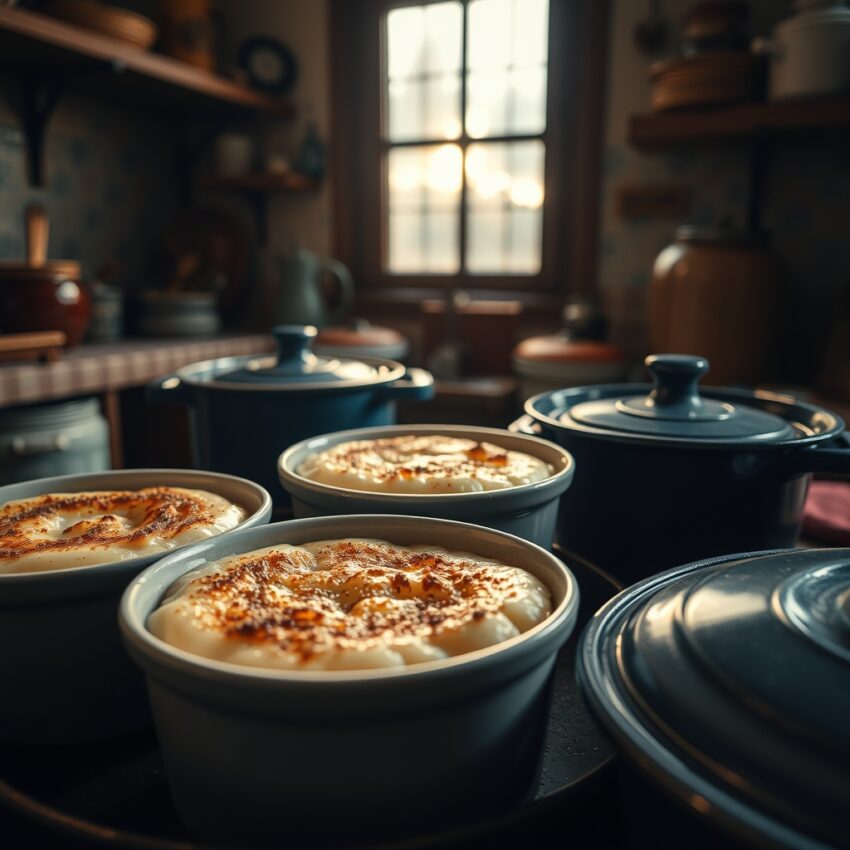
Bir zamanlar bazı tatlılar yalnız yenmez, beklenirdi. Fırın sütlaç da onlardan biriydi. Mahalle fırınının önünden geçerken havaya karışan hafif yanık süt kokusu, daha tatlı eve gelmeden iştahı uyandırırdı. Üstü nar gibi kızarmış, kenarları incecik kabuk tutmuş, içi hâlâ sıcak ama sabırsız çocuk dilini yakacak kadar da canlı olan o sütlaç kâsesi, birçok evde akşamüstünün en sakin sevincini taşırdı. Kaşık ilk kez yüzeye değdiğinde çıkan o hafif çatlama sesi, altındaki yumuşak kıvamla birleşir; insanın damağında yalnız bir lezzet değil, bütün bir ev düzeni belirirdi. Bu yüzden fırın sütlaç günleri hafızada yemek takviminden fazlası olarak kalır. Onlar, mutfakla mahalle fırını arasındaki görünmez işbirliğini, aile sofrasındaki ölçülü mutluluğu ve çocukluğun sade ödüllerini hatırlatır.
Damak Hafızası açısından fırın sütlaç, eski mutfak kültürünün en zarif ortak tatlarından biridir. Pirinç, süt, şeker ve sabırla yapılan bu tatlı, malzemesinin sadeliğiyle değil, kıvam ve zaman bilgisiyle öne çıkar. Evde tencerede pişen sütlacın fırına verilişi başlı başına bir aşamadır; kâselerin dikkatle dizilmesi, üstünün kararacağı ana güvenilmesi, sonra eve dönüşte tatlının sarsılmadan taşınması, bütün bunlar aile içindeki küçük bir ustalık düzenini gösterir. Birçok çocuk için fırın sütlaç, sofraya hemen konan bir tatlı değil, “biraz dinlensin” denilen bir sabır dersiydi. Sıcak mı yenmeli, ılık mı beklemeli, üstündeki kızarmış katman en son mu bırakılmalı, ilk kaşık tam ortadan mı alınmalı; tatlı etrafında oluşan bu küçük kurallar, aile kültürünün tatlıya sinmiş hâlidir.
Fırın sütlacın çocukluğu ilk lokmada hatırlatmasının nedeni, lezzetinden çok katmanlı hatıra yapısıdır. Çünkü onun tadı yalnız şekerli değildir; yanında çoğu zaman mutfağın akşam ışığı, emaye tencerelerin sesi, annenin “dökmeden taşı” uyarısı, buzdolabının kapağını erken açmaya çalışan çocuk eli ve misafir gelirse yeter mi diye yapılan kısa hesaplar vardır. Bazen mahalle fırınına götürülmüş tepsilerle birlikte beklenen sıra, bazen de fırıncıdan gelen “biraz daha kızarsın mı?” sorusu, tatlının hatırasını evin dışına taşır. Böylece sütlaç, yalnız aile içinde yapılan bir tat olmaktan çıkar; mahallenin ortak damak düzenine de katılır. İlk lokmada çocukluğun hatırlanması biraz da bu yüzden olur. Kaşık ağza giderken yalnız tat değil, mutfak sesi, fırın sıcağı ve aile cümleleri de geri gelir.
Bugün pek çok tatlı daha gösterişli, daha yoğun, daha hızlı tüketiliyor olabilir. Ama fırın sütlaç hâlâ özel bir yerde durur çünkü onun gücü abartıda değil dengededir. Sütü bastırmayan şeker, göze çarpan ama tadı ezmeyen yanık yüzey, insanı yormayan kıvam ve sade sunum, eski evlerin ölçülü mutfak anlayışını sürdürür. Birçok yetişkinin bugün ilk kaşıkta çocukluğunu hatırlaması da bundandır. Damağa gelen şey yalnız tanıdık bir tarif değil; güven duygusu, sofra sakinliği ve ev içinde korunmuş küçük bir şefkattir. Kâse elle tutulduğunda hissedilen serinlik, kaşığın kenara vurduğunda çıkardığı ses, üstteki kızarmış katmanın kırılışı, insanı aniden yıllar önceki bir mutfağa götürebilir.
Fırın sütlaç günleri, kültürel mirasın bazen en sessiz biçimde sürdüğünü gösterir. Gösterişli törenlere gerek kalmadan, yalnız bir tatlının ilk lokmasıyla bile geçmiş yeniden kurulabilir. Çünkü bazı yiyecekler mideyi değil, doğrudan hafızayı doyurur. Fırın sütlaç da böyledir. İlk lokmada çocukluğu hatırlatır; çünkü içinde yalnız pirinç, süt ve şeker değil, eski mutfakların temposu, mahalle fırınlarının sıcaklığı ve aile sofralarının yavaş mutluluğu vardır.
🇬🇧 English | Childhood Cooling in Bowl after Bowl
There was a time when certain desserts were not simply eaten; they were awaited. Oven-baked rice pudding was one of them. Passing by the neighborhood bakery, the light scent of browned milk drifting into the air awakened appetite before the dessert even arrived home. That bowl of pudding, with its top blushed deep from the oven, its edges holding the thinnest skin, its center still warm enough to burn the impatient tongue of a child, carried one of the calmest joys of late afternoon in many homes. When the spoon touched the surface for the first time, there was a faint crack before it met the softness underneath, and on the palate it formed not only a flavor, but the outline of an entire domestic order. That is why the days of oven-baked rice pudding remain in memory as more than a dessert calendar. They recall the invisible cooperation between kitchen and neighborhood bakery, the measured happiness at the family table, and the simple rewards of childhood.
From the perspective of taste memory, oven-baked rice pudding is one of the most graceful shared desserts of old kitchen culture. Made from rice, milk, sugar, and patience, it stands out not through extravagance of ingredients but through knowledge of texture and timing. The moment the pudding cooked on the stove is transferred into bowls and sent to the oven is a ritual in itself. The bowls are lined up carefully, the cook trusts the moment when the top will brown just enough, and on the way home the dessert must be carried without disturbing its balance. All this reveals a small craft order within the family. For many children, baked rice pudding was not a dessert immediately set before them, but a lesson in waiting: “Let it rest a little.” Should it be eaten hot, or left warm? Should the browned layer on top be saved for last? Should the first spoonful come from the center? These little rules forming around the dessert are family culture absorbed into taste.
The reason baked rice pudding still recalls childhood in the very first bite lies in the layered structure of its memory. Its taste is not sweet alone. Alongside it come the evening light in the kitchen, the sound of enamel pots, a mother’s warning not to spill while carrying the bowls, a child’s hand trying to open the refrigerator too soon, and the quick calculation of whether there will be enough if guests arrive. Sometimes there was the waiting line beside trays taken to the bakery; sometimes the baker asking, “Shall I leave them a little longer to brown?” In this way the memory of the dessert extends beyond the house. The pudding stops being only a family-made sweet and joins the neighborhood’s shared palate. That is why childhood returns in the first bite. As the spoon reaches the mouth, not only flavor returns, but also kitchen sounds, oven warmth, and family phrases.
Today many desserts may be richer, more decorative, and consumed more quickly. Yet oven-baked rice pudding still holds a special place because its strength lies not in excess, but in balance. Sugar that does not overwhelm the milk, a browned top that draws the eye without crushing the taste, a texture that does not tire the palate, and a plain presentation all preserve the measured kitchen understanding of older homes. That is why so many adults still remember childhood in the first spoonful. What arrives on the tongue is not merely a familiar recipe, but a feeling of safety, calm at the table, and a small form of care once protected inside the house. The coolness felt when holding the bowl, the sound of the spoon touching the ceramic edge, the breaking of the browned layer on top, can carry a person back at once into a kitchen from years ago.
The days of oven-baked rice pudding show that cultural heritage sometimes survives in its quietest form. Without ceremony or spectacle, the past can be rebuilt through the first spoonful of a dessert. Some foods do not feed the stomach alone, but memory itself. Oven-baked rice pudding is one of them. It recalls childhood in the very first bite because it contains not only rice, milk, and sugar, but also the rhythm of old kitchens, the warmth of neighborhood bakeries, and the slow happiness of family tables.
🇧🇷 Português (Brasil) | A Infância Esfriando em Tigela após Tigela
Houve um tempo em que certas sobremesas não eram apenas comidas; eram esperadas. O arroz-doce de forno era uma delas. Ao passar em frente à padaria do bairro, o leve cheiro de leite tostado que se misturava ao ar já abria o apetite antes mesmo de a sobremesa chegar em casa. Aquela tigela com a superfície bem dourada, as bordas com uma película fina e o centro ainda quente o bastante para queimar a língua apressada de uma criança levava para muitas casas uma das alegrias mais tranquilas do fim da tarde. Quando a colher tocava a superfície pela primeira vez, havia um leve estalo antes de encontrar a cremosidade por baixo, e no paladar se formava não apenas um sabor, mas o desenho inteiro de uma ordem doméstica. Por isso os dias de arroz-doce de forno ficam na memória como algo maior do que um simples doce. Eles lembram a cooperação invisível entre cozinha e padaria do bairro, a felicidade medida da mesa de família e as recompensas simples da infância.
Do ponto de vista da memória gustativa, o arroz-doce de forno é uma das sobremesas compartilhadas mais elegantes da antiga cultura de cozinha. Feito de arroz, leite, açúcar e paciência, ele se destaca não pelo exagero dos ingredientes, mas pelo domínio do ponto e do tempo. O momento em que o arroz-doce sai da panela, entra nas tigelas e segue para o forno é quase um ritual. As tigelas são alinhadas com cuidado, confia-se no ponto exato em que a superfície vai dourar, e na volta para casa é preciso transportar tudo sem abalar a textura. Isso revela uma pequena ordem de habilidade dentro da família. Para muitas crianças, o arroz-doce de forno não era uma sobremesa servida imediatamente, mas uma lição de espera: “deixa descansar um pouco”. Deve ser comido quente ou morno? A camada dourada deve ficar para o fim? A primeira colherada vem do centro? Essas pequenas regras em torno da sobremesa são a cultura familiar dissolvida no sabor.
O motivo pelo qual o arroz-doce ainda hoje faz lembrar a infância na primeira colherada está na estrutura em camadas dessa lembrança. O sabor não é apenas doce. Junto com ele vêm a luz do entardecer na cozinha, o som das panelas esmaltadas, o aviso da mãe para não derramar ao carregar as tigelas, a mão da criança tentando abrir a geladeira cedo demais e o cálculo rápido sobre se haverá o suficiente caso apareçam visitas. Às vezes havia a fila esperando ao lado das travessas levadas à padaria; às vezes o padeiro perguntava se podia deixar dourar um pouco mais. Assim, a memória da sobremesa ultrapassa os limites da casa. O arroz-doce deixa de ser apenas um doce feito em família e passa a integrar o paladar compartilhado do bairro. É por isso que a infância volta na primeira colherada. Quando a colher chega à boca, não retorna apenas o sabor, mas também os sons da cozinha, o calor do forno e as frases da família.
Hoje muitas sobremesas podem ser mais carregadas, mais vistosas e consumidas com mais rapidez. Ainda assim, o arroz-doce de forno continua ocupando um lugar especial porque sua força está no equilíbrio, não no excesso. O açúcar não apaga o leite, a superfície tostada chama atenção sem dominar o gosto, a textura não cansa e a apresentação simples preserva a medida das cozinhas antigas. É por isso que tantos adultos ainda lembram a infância na primeira colherada. O que chega ao paladar não é apenas uma receita conhecida, mas uma sensação de segurança, calma à mesa e uma pequena forma de afeto guardada dentro de casa. O frescor da tigela na mão, o som da colher tocando a borda, o rompimento da camada dourada, tudo isso pode levar alguém de volta, num instante, a uma cozinha de anos atrás.
Os dias de arroz-doce de forno mostram que o patrimônio cultural às vezes sobrevive da maneira mais silenciosa. Sem cerimônia nem espetáculo, o passado pode ser reconstruído com a primeira colherada de uma sobremesa. Há alimentos que não alimentam apenas o corpo, mas a memória. O arroz-doce de forno é um deles. Faz lembrar a infância logo no primeiro gosto porque leva consigo não só arroz, leite e açúcar, mas também o ritmo das cozinhas antigas, o calor das padarias de bairro e a felicidade lenta das mesas de família.