🇹🇷 Türkçe | mahalle pastanesi poğaçası sofraya geldiğinde neden bütün ev aynı kokuyla dolardı uzayan ikindi gölgelerinde gündüzden geceye uzanan ritimle
Bir zamanlar ikindi saati yaklaştığında bazı evlerde kapının açılma sesiyle birlikte bütün odalara yayılan tanıdık bir koku olurdu. Mahalle pastanesinden alınmış kâğıt paketin içindeki sıcak poğaça, eve yalnızca bir yiyecek değil, günün ritmini değiştiren küçük bir rahatlık getirirdi. Mutfakta demlenen çayla buluşan tereyağlı hamur kokusu, salonda ders çalışan çocuğa, balkonda örgü ören büyüğe, işten yeni dönmüş birine aynı anda ulaşırdı. Poğaçanın sofraya gelişi akşam yemeğinin ağırlığından farklıydı; bu, günün ortasında ya da akşama yaklaşırken ev halkını aynı masaya kısa süreliğine toplayan yumuşak bir davetti. Uzayan gölgelerle birlikte o koku, evin içini görünmez bir sofraya dönüştürürdü.
Damak Hafızası açısından mahalle pastanesi poğaçasının gücü malzemesinden çok dolaşımındaydı. Sabah çok erken başlayan fırın emeği, vitrinde dizilmiş tepsiler, “yeni çıktı” denilen o an ve eve taşınırken paketten sızan sıcaklık, poğaçayı sıradan bir hamur işinden ayırıyordu. Her mahallenin poğaçası biraz başka kokar, kimi daha susamlı, kimi daha yağlı, kimi peynirli içinin cömertliğiyle tanınırdı. İnsanlar pastaneleri sadece ürünün lezzetiyle değil, oradaki ustanın eli ve dükkânın saatine sadakatiyle hatırlardı. Poğaçanın eve gelişi, bu yüzden yerel bir güven duygusunu da taşırdı. Mahallenin bildik pastanesi, ailenin gün içinde kendine açtığı kısa nefes aralığını mümkün kılan sessiz bir kurum gibiydi.
Bu kokunun bütün evi sarmasının nedeni biraz da ev içi yaşamın o yıllardaki açıklığıyla ilgiliydi. Kapılar çoğu zaman tam kapanmaz, mutfaktan salona ses ve koku rahatça yayılır, çay bardakları daha poğaça masaya konmadan hazırlanırdı. Çocuklar paket kâğıdının hışırtısından ne geldiğini anlar, büyükler “önce ellerinizi yıkayın” dese de ilk sıcak lokmanın sabırsızlığı hep hissedilirdi. Sofra büyük kurulmasa da tabaklar hemen çıkar, bazen reçel, bazen beyaz peynir, bazen yalnızca çay eşlik ederdi. Poğaça, bir öğünden çok geçiş anıydı; gündüz ile akşam, yorgunluk ile sohbet, bireysel uğraş ile aile yakınlığı arasında kurulmuş kısa bir köprü. O yüzden kokusu yalnız mutfakta kalmaz, evin bütün odalarına dağılarak herkesi aynı anda çağırırdı.
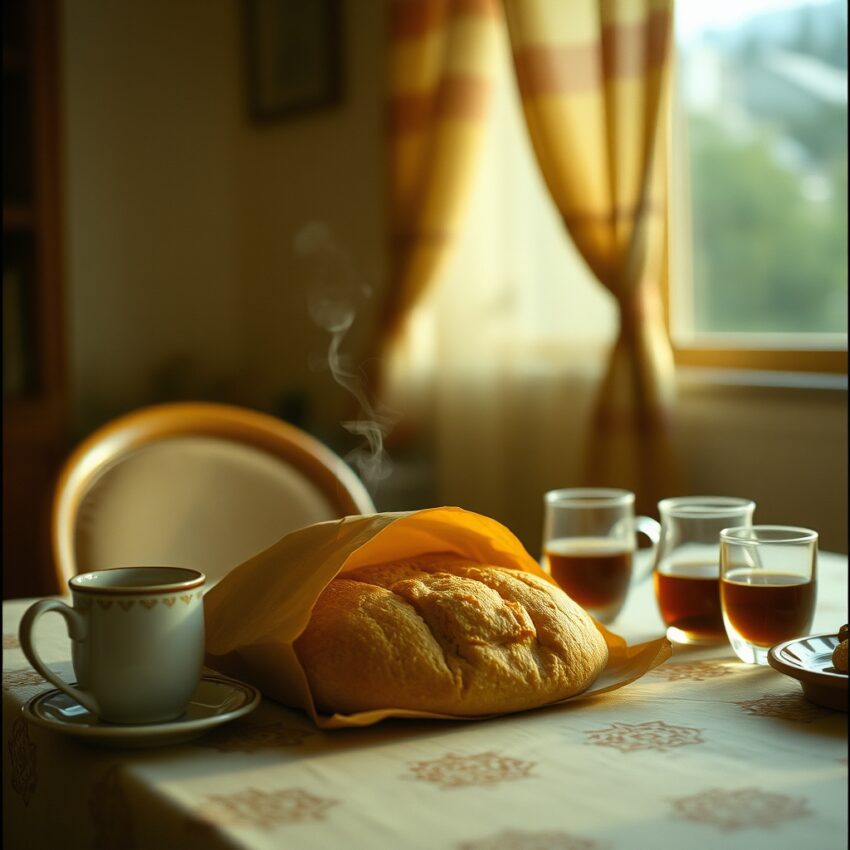
Uzayan ikindi gölgeleriyle gündüzden geceye uzanan ritim, mahalle pastanesi poğaçasının en doğal zamanıydı. Sokağın sesi biraz çekilir, esnaf kepenk indirmeye henüz başlamaz, eve dönenlerin ayak sesleri apartman boşluğunda yankılanırdı. İşte bu saatlerde gelen poğaça, günün yorgunluğunu yumuşatır, eve erken akşam huzuru getirirdi. Kâğıt torbadan çıkan buhar, masaya dizilen ince belli bardaklar ve ilk ısırıkla yayılan tereyağlı koku, bir evin kendini yeniden toplamasına yardım ederdi. Bugün hâlâ bazı tatların neden geçmişe bu kadar hızlı bağlandığını anlamak için bu sahneye dönmek yeterli. Çünkü hatırlanan yalnız tat değil; kokuyla birlikte gelen düzen, bekleyiş ve birlikte oturma duygusudur.
Bugün poğaça her yerde bulunabiliyor, ama mahalle pastanesinden eve taşınan o eski kokunun hafızadaki ağırlığı başka. Çünkü o koku, standart bir yiyecekten çok yerel hayatın ritmini taşırdı. Aynı dükkândan alınan poğaça, aynı saatlerde demlenen çay, aynı masada toplanan aile ve aynı pencereden süzülen akşam ışığı yıllar boyunca birbirine eklenerek bir damak hafızası kurdu. Mahalle pastanesi poğaçası sofraya geldiğinde bütün evin aynı kokuyla dolmasının nedeni yalnız sıcak hamur değildi; ev halkının o koku etrafında ortak bir zamana girmesiydi. Bu yüzden bugün bile bir poğaça paketi açıldığında, insan bazen yalnızca acıkmaz; eski evlerin içindeki o güvenli, düzenli ve yumuşak akşamüstünü de hatırlar.
🇬🇧 English | Why the Whole House Filled with the Same Scent When the Neighborhood Bakery Pogaca Reached the Table in the Lengthening Afternoon Shadows with a Rhythm Stretching from Day into Night
There was a time when, as afternoon approached, the sound of the door opening in some homes was followed by a familiar aroma spreading through every room. The warm pogaca inside a paper package from the neighborhood bakery brought home not only food, but also a small comfort that changed the rhythm of the day. Meeting the tea brewing in the kitchen, the scent of buttery dough reached at the same time the child studying in the living room, the elder knitting on the balcony, and the person just returning from work. The arrival of pogaca at the table was different from the weight of dinner; it was a soft invitation that briefly gathered the household around the same table in the middle of the day or as evening approached. Along with the lengthening shadows, that aroma turned the inside of the house into an invisible table.
Seen through the lens of taste memory, the strength of neighborhood bakery pogaca lay less in its ingredients than in its circulation. The labor that began very early in the morning, the trays lined up in the display, the moment when the baker said, “These just came out,” and the warmth escaping from the package while it was carried home all distinguished pogaca from an ordinary pastry. Every neighborhood’s pogaca had a slightly different scent: some were known for more sesame, some for richer dough, some for the generosity of the cheese filling. People remembered bakeries not only for flavor, but also for the hand of the master and the shop’s faithfulness to its hours. For that reason, bringing pogaca home also carried a local sense of trust. The familiar bakery of the neighborhood was almost a quiet institution that made possible the family’s brief breathing space within the day.
Part of the reason this aroma filled the whole house was connected to the openness of domestic life in those years. Doors were often not fully closed, sound and scent moved freely from the kitchen into the sitting room, and the tea glasses were prepared even before the pogaca reached the table. Children understood what had arrived from the rustle of the paper bag, and even if the elders said, “Wash your hands first,” the impatience for the first warm bite could always be felt. Even when no large table was set, plates appeared at once; sometimes jam accompanied it, sometimes white cheese, sometimes only tea. Pogaca was less a meal than a transitional moment, a short bridge built between day and evening, fatigue and conversation, individual tasks and family closeness. That is why its scent did not remain in the kitchen, but spread into every room and called everyone at once.
The rhythm stretching from day into night, with lengthening afternoon shadows, was the most natural time for neighborhood bakery pogaca. The sound of the street would soften a little, shopkeepers had not yet begun to close their shutters, and the footsteps of those coming home echoed in the stairwell. At exactly those hours, the arriving pogaca softened the tiredness of the day and brought an early evening calm into the house. The steam rising from the paper bag, the thin-waisted tea glasses lined up on the table, and the buttery smell released with the first bite helped a home gather itself again. Even today, to understand why certain tastes connect so quickly to the past, it is enough to return to this scene. What is remembered is not only the flavor, but the sense of order, expectation, and sitting together that arrived with the scent.
Today pogaca can be found everywhere, yet the old aroma carried home from the neighborhood bakery holds a different weight in memory. That is because the aroma carried the rhythm of local life more than that of a standard food. Pogaca bought from the same shop, tea brewed at the same hours, a family gathering around the same table, and evening light falling from the same window joined together over the years to build a taste memory. The reason the whole house filled with the same scent when neighborhood bakery pogaca reached the table was not only warm dough; it was the fact that everyone in the house entered a shared moment around that aroma. That is why even today, when a package of pogaca is opened, one does not only become hungry; one also remembers the safe, ordered, and gentle late afternoon inside old homes.
🇧🇷 Português (Brasil) | Por que a Casa Inteira se Enchia do Mesmo Cheiro Quando o Pogaca da Padaria do Bairro Chegava à Mesa nas Longas Sombras da Tarde com um Ritmo que se Estendia do Dia para a Noite
Houve um tempo em que, quando a tarde se aproximava, o som da porta se abrindo em certas casas era seguido por um cheiro conhecido que se espalhava por todos os cômodos. O pogaca ainda quente dentro do pacote de papel vindo da padaria do bairro levava para casa não apenas comida, mas um pequeno conforto capaz de mudar o ritmo do dia. Ao encontrar o chá que fervia na cozinha, o aroma da massa amanteigada alcançava ao mesmo tempo a criança estudando na sala, o mais velho tricotando na varanda e quem acabara de voltar do trabalho. A chegada do pogaca à mesa era diferente do peso do jantar; era um convite suave que reunia por alguns minutos a família na mesma mesa no meio da tarde ou na passagem para a noite. Junto com as sombras que se alongavam, aquele cheiro transformava a casa numa mesa invisível.
Pela ótica da memória do paladar, a força do pogaca da padaria do bairro estava menos nos ingredientes do que em sua circulação. O trabalho do forno começando muito cedo, as bandejas alinhadas na vitrine, o instante em que o padeiro dizia “acabou de sair” e o calor escapando do pacote no caminho para casa distinguiam o pogaca de um simples salgado. O pogaca de cada bairro tinha um cheiro um pouco diferente: alguns eram lembrados pelo gergelim, outros pela massa mais rica, outros ainda pela generosidade do recheio de queijo. As pessoas lembravam as padarias não só pelo sabor, mas também pela mão do mestre e pela fidelidade do lugar aos seus horários. Por isso, levar pogaca para casa trazia também uma sensação local de confiança. A padaria conhecida do bairro funcionava quase como uma instituição silenciosa que permitia à família uma pequena pausa dentro do dia.
Parte da razão para esse cheiro ocupar a casa inteira estava ligada à abertura da vida doméstica daqueles anos. As portas nem sempre ficavam totalmente fechadas, o som e o aroma passavam livremente da cozinha para a sala, e os copos de chá já eram preparados antes mesmo de o pogaca chegar à mesa. As crianças entendiam o que vinha pelo barulho do saco de papel, e embora os mais velhos dissessem “lavem as mãos primeiro”, a impaciência pela primeira mordida quente sempre se fazia sentir. Mesmo sem uma mesa grande, os pratos apareciam rapidamente; às vezes havia geleia, às vezes queijo branco, às vezes apenas chá. O pogaca era menos uma refeição do que um momento de transição, uma pequena ponte entre o dia e a noite, entre o cansaço e a conversa, entre a ocupação individual e a proximidade familiar. Por isso, seu cheiro não ficava na cozinha, mas se espalhava por todos os cômodos e chamava todos ao mesmo tempo.
O ritmo que se estendia do dia para a noite, com as longas sombras da tarde, era o tempo mais natural para o pogaca da padaria do bairro. O som da rua diminuía um pouco, os comerciantes ainda não tinham começado a baixar as portas, e os passos de quem voltava para casa ecoavam na escada. Justamente nessas horas, o pogaca chegando suavizava o cansaço do dia e trazia para dentro de casa uma calma antecipada de início de noite. O vapor saindo do saco de papel, os copos de chá alinhados sobre a mesa e o cheiro amanteigado liberado na primeira mordida ajudavam a casa a se recompor. Ainda hoje, para entender por que certos sabores se ligam tão depressa ao passado, basta voltar a essa cena. O que se recorda não é só o sabor, mas também a sensação de ordem, espera e convivência que chegava junto com o aroma.
Hoje o pogaca pode ser encontrado em todo lugar, mas o antigo cheiro levado da padaria do bairro até a casa pesa de outro modo na memória. Isso acontece porque o aroma carregava mais o ritmo da vida local do que o de um alimento padronizado. O pogaca comprado na mesma loja, o chá preparado nas mesmas horas, a família reunida na mesma mesa e a luz do fim da tarde entrando pela mesma janela se somaram durante anos para construir uma memória de paladar. A razão para a casa inteira se encher do mesmo cheiro quando o pogaca chegava à mesa não era apenas a massa quente; era o fato de que todos entravam num tempo comum ao redor daquele aroma. Por isso, ainda hoje, quando se abre um pacote de pogaca, a pessoa às vezes não sente apenas fome; lembra também daquele fim de tarde antigo, seguro, organizado e suave dentro das velhas casas.