🇹🇷 Türkçe | mahalle muhallebicisi kazandibi: mevsim geçişlerinde neden daha da anlam kazanıyor ve eski mutfak kültürünü nasıl yaşatıyor
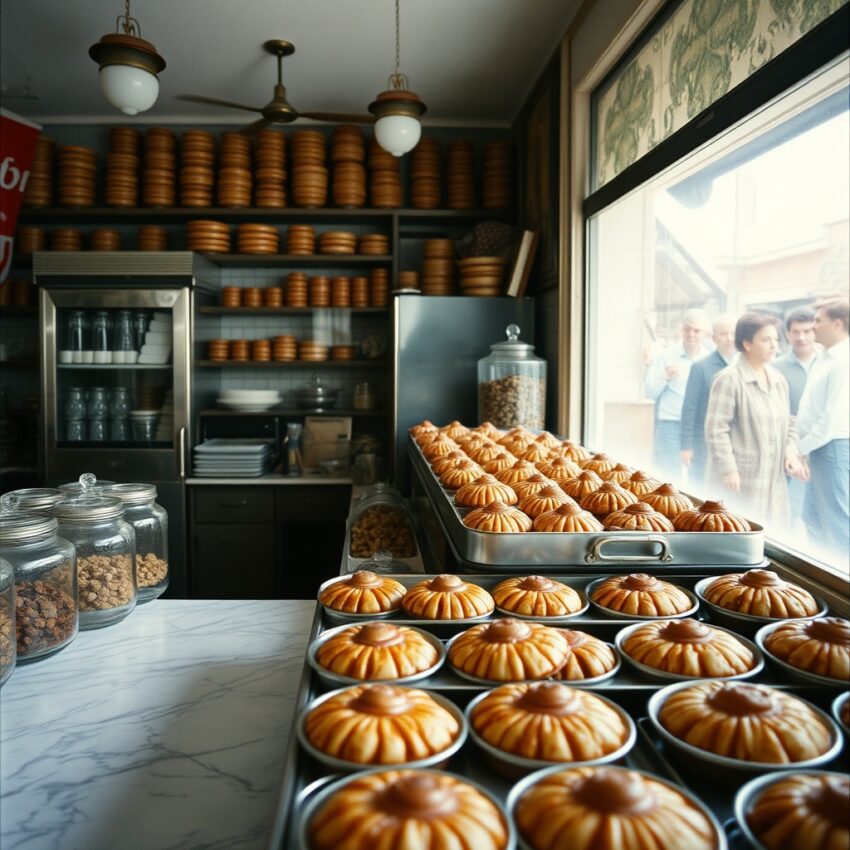
Bir zamanlar mahalle muhallebicisinin camekânında duran kazandibi, sadece tatlı değil mevsimin değiştiğini haber veren ince bir işaret gibiydi. Kışın ağır yemeklerinden çıkılıp baharın serin akşamlarına ya da yaz sonunun hafif hüzünlü günlerine girilirken, yanık süt kokusunu taşıyan o ince tabaklar insana mutfak düzeninin de mevsimle birlikte yumuşadığını hissettirirdi. Muhallebicinin mermer tezgâhı, duvardaki sararmış fiyat listesi, cam fanusların içindeki bisküviler ve arkadan gelen tencere sesi, kazandibinin çevresinde mütevazı ama güçlü bir dünya kurardı. İlk kaşıkta hissedilen hafif yanık tat ile sütlü serinliğin bir araya gelişi, eski şehir hayatında geçiş zamanlarını anlatan zarif bir dil gibiydi.
Damak Hafızası açısından kazandibi, eski mutfak kültürünün hem ustalık hem ölçü isteyen tatlılarından biridir. Muhallebici vitrinine konan her tepsi, yalnız şeker ve sütle hazırlanan bir tatlı değil; kıvamı tutturmanın, dibi karamelize etmenin ve sadeliği incelikle sunmanın sonucuydu. Eski dönemlerde mahalle muhallebicileri, büyük pastaneler kadar gösterişli olmasa da gündelik hayatın daha samimi lezzet duraklarıydı. Okul çıkışı uğranır, akşamüstü eve dönerken paket alınır, misafir geleceğinde “taze kazandibi var mı?” diye sorulurdu. Bu tatlının eski mutfak kültürünü yaşatması biraz da buradan gelir. Çünkü o, ev yapımı sütlü tatlı terbiyesiyle esnaf ustalığını aynı tabakta buluşturur.
Mevsim geçişlerinde daha anlamlı hale gelmesinin nedeni, kazandibinin tam da aradaki hâllere uygun bir tat taşımasıdır. Ne baklava kadar ağır ne de yalnız yazlık bir süt tatlısı kadar geçicidir. Serin servis edilir ama dibi hafif yanık olduğu için içinde ocak başı sıcaklığını da saklar. Bu ikili yapı, bahardan yaza, yazdan sonbahara ya da kıştan ilk ılık günlere geçerken damakta özel bir yer açar. İnsan bu tatlıyı yerken sadece tat almaz; mevsimin değiştiğini, mutfakta kullanılan malzemelerin ve akşam sofralarının havasının dönüşmekte olduğunu da hisseder. Mahalle muhallebicisinden alınan küçük bir paket kazandibi, çoğu zaman “havalar değişiyor” cümlesinin yenilebilir hâline dönüşürdü.
Eski mutfak kültürünü yaşatmasının bir başka nedeni de sadeliği bozmadan zarafet taşımasıdır. Kazandibi gösterişli süsler istemez; iyi yapılmışsa kendi yüzeyindeki yanık iz, kendi kıvamındaki denge ve kendi serinliğindeki ölçü yeterlidir. Bu da eski mutfak anlayışının temel özelliklerinden birini yansıtır: malzemeyi abartmadan lezzeti derinleştirmek. Evlerde tencere başında sütlü tatlı karıştıran annelerin, nişasta ölçüsüne dikkat eden büyükannelerin ve mahalle muhallebicisinde tepsiyi sabırla çeviren ustaların ortak çizgisi buradadır. Kazandibi, bir yandan esnaf vitrininin ürünü gibi görünürken öte yandan ev içi terbiyenin, ölçünün ve temiz tadın devamı olur.
Bugün hâlâ mevsim geçişlerinde daha anlamlı hissedilmesinin ve unutulmamasının nedeni, onun damakta bıraktığı tat kadar hayat düzenine bağlanmasıdır. Bazı tatlılar kutlama içindir, bazıları gösteriş içindir; kazandibi ise çoğu zaman gündelik hayata zarifçe yerleşir. Akşam yürüyüşünden dönerken alınır, ailece pay edilir, çayın yanında yenir, bazen de eve sessiz bir ödül gibi getirilirdi. Bu yüzden mahalle muhallebicisinin kazandibisi, yalnız bir tatlı olarak değil, eski şehirlerde mevsimle birlikte değişen ruh hâlinin lezzetli bir karşılığı olarak kaldı. Eski mutfak kültürünü bugün hâlâ yaşatabilmesinin sırrı da tam burada: sadelikle ustalığı, serinlikle ocağın izini ve gündelik hayatla hatırayı aynı kaşıkta buluşturmasında.
🇬🇧 English | Neighborhood Pudding Shop Kazandibi: Why Does It Gain Even More Meaning During Seasonal Transitions and How Does It Keep Old Kitchen Culture Alive?
There was a time when the kazandibi resting behind the glass of the neighborhood pudding shop was more than a dessert. It was a subtle sign that the season was changing. As people moved out of winter’s heavier meals into the cool evenings of spring or the lightly melancholy days at summer’s end, those thin plates carrying the scent of burnt milk made one feel that the order of the kitchen was softening along with the weather. The marble counter of the pudding shop, the yellowed price list on the wall, the biscuit jars in the glass case, and the sound of pots coming from the back room created a modest yet powerful world around kazandibi. The meeting of cool milkiness and the slight burnt taste felt in the first spoonful was like an elegant language for describing transitional times in old city life.
As part of taste memory, kazandibi is one of the desserts of old kitchen culture that demands both skill and measure. Every tray placed in the display of the neighborhood pudding shop was not simply a sweet made from milk and sugar. It was the result of achieving the right consistency, caramelizing the bottom, and presenting simplicity with refinement. In earlier decades, neighborhood pudding shops were less showy than large pastry houses, yet they were more intimate stations of daily flavor. People stopped by after school, picked up a parcel on the way home in the evening, and asked, “is the kazandibi fresh?” when guests were expected. Part of the way this dessert keeps old kitchen culture alive comes from exactly that place. It brings together the discipline of homemade milk desserts and the craftsmanship of neighborhood shopkeeping on the same plate.
The reason it becomes more meaningful during seasonal transitions is that kazandibi carries a taste perfectly suited to in-between states. It is neither as heavy as baklava nor as fleeting as a dessert made only for the hottest days. It is served cool, yet because of its lightly burnt bottom it still holds the warmth of the stove within it. That double quality creates a special place on the palate while moving from spring to summer, from summer to autumn, or from winter toward the first mild days. While eating it, a person senses more than flavor. One also feels that the season is changing and that the mood of the kitchen, the ingredients used, and the evening table are shifting as well. A small packet of kazandibi brought home from the neighborhood pudding shop often became the edible form of saying, “the weather is turning.”
Another reason it preserves old kitchen culture is that it carries elegance without disturbing simplicity. Kazandibi does not require elaborate decoration. If it is made well, the marks of caramelization on its own surface, the balance of its texture, and the calm of its cool serving are enough. This reflects one of the main qualities of older cooking culture: deepening flavor without exaggerating ingredients. The mothers stirring milk desserts at the stove, the grandmothers carefully measuring starch, and the neighborhood pudding masters patiently turning their trays all belong to the same line. Kazandibi may seem to belong to the shop window, yet at the same time it continues the domestic values of measure, clarity, and clean taste.
The reason it still feels especially meaningful in times of seasonal change, and why it has not been forgotten, lies in the fact that it attaches itself not only to taste, but to the rhythm of life. Some desserts belong to celebration, some to display. Kazandibi, by contrast, settles gracefully into ordinary days. It is bought while returning from an evening walk, shared within the family, eaten beside tea, and sometimes brought home as a quiet reward. That is why the kazandibi of the neighborhood pudding shop remained in memory not only as a dessert, but as a flavorful counterpart to the changing mood of the seasons in old cities. The secret of how it still keeps old kitchen culture alive lies exactly there: in bringing together simplicity and mastery, coolness and the trace of the stove, daily life and memory in the same spoonful.
🇧🇷 Português (Brasil) | O Kazandibi da Muhallebici do Bairro: Por Que Ganha Ainda Mais Sentido nas Mudanças de Estação e Como Mantém Viva a Antiga Cultura da Cozinha?
Houve um tempo em que o kazandibi exposto atrás do vidro da muhallebici do bairro era mais do que uma sobremesa. Era um sinal delicado de que a estação estava mudando. Quando se saía dos pratos mais pesados do inverno em direção às noites frescas da primavera ou aos dias levemente melancólicos do fim do verão, aqueles pratos finos com cheiro de leite queimado faziam sentir que a ordem da cozinha também se tornava mais suave junto com o clima. O balcão de mármore da muhallebici, a tabela de preços amarelada na parede, os potes de biscoito atrás do vidro e o barulho das panelas vindo do fundo criavam ao redor do kazandibi um mundo modesto, porém forte. O encontro entre o frescor leitoso e o leve sabor queimado percebido na primeira colherada parecia uma linguagem elegante para narrar os tempos de transição na antiga vida urbana.
Dentro da memória do paladar, o kazandibi é uma das sobremesas da antiga cultura da cozinha que exige ao mesmo tempo habilidade e medida. Cada travessa colocada na vitrine da muhallebici do bairro não era apenas um doce feito com leite e açúcar. Era o resultado de acertar o ponto, caramelizar o fundo e apresentar a simplicidade com delicadeza. Nas décadas passadas, as muhallebicis do bairro eram menos vistosas que as grandes confeitarias, mas funcionavam como paradas de sabor mais íntimas da vida cotidiana. Passava-se ali na saída da escola, levava-se um pacote ao voltar para casa no fim da tarde e perguntava-se “tem kazandibi fresco?” quando se esperavam visitas. Parte da forma como essa sobremesa mantém viva a antiga cultura da cozinha vem justamente daí. Ela reúne, no mesmo prato, a disciplina dos doces caseiros à base de leite e o artesanato do comércio de bairro.
O motivo de ganhar mais sentido nas mudanças de estação é que o kazandibi traz um sabor perfeitamente adequado aos momentos intermediários. Não é tão pesado quanto a baklava, nem tão passageiro quanto uma sobremesa feita apenas para os dias mais quentes. É servido frio, mas, por causa do fundo levemente queimado, ainda guarda dentro de si o calor do fogão. Essa dupla natureza abre um lugar especial no paladar ao passar da primavera para o verão, do verão para o outono ou do inverno para os primeiros dias amenos. Ao comê-lo, a pessoa não sente apenas o gosto. Sente também que a estação mudou, que o humor da cozinha está se transformando e que os ingredientes e a mesa do fim de tarde entram em outro ritmo. Um pequeno pacote de kazandibi levado para casa muitas vezes virava a forma comestível de dizer: “o tempo está mudando”.
Outra razão para ele preservar a antiga cultura da cozinha está em carregar elegância sem romper com a simplicidade. O kazandibi não precisa de enfeites exagerados. Se é bem feito, bastam as marcas de queimado na própria superfície, o equilíbrio da textura e a serenidade do serviço frio. Isso reflete uma das qualidades centrais da cozinha antiga: aprofundar o sabor sem exagerar nos ingredientes. As mães que mexiam doces de leite junto ao fogão, as avós que mediam o amido com cuidado e os mestres da muhallebici que giravam a travessa com paciência pertencem à mesma linhagem. O kazandibi pode parecer algo da vitrine do comerciante, mas ao mesmo tempo continua os valores domésticos de medida, clareza e sabor limpo.
A razão de ele ainda hoje parecer mais significativo nas mudanças de estação, e de não ter sido esquecido, está no fato de se ligar não apenas ao paladar, mas ao ritmo da vida. Algumas sobremesas pertencem à celebração, outras ao exibicionismo. O kazandibi, ao contrário, se instala com elegância no cotidiano. Compra-se na volta de um passeio no fim da tarde, divide-se em família, come-se com chá e às vezes se leva para casa como uma recompensa silenciosa. É por isso que o kazandibi da muhallebici do bairro ficou na memória não só como sobremesa, mas como a tradução saborosa do estado de espírito que muda com as estações nas cidades antigas. O segredo de como ainda mantém viva a antiga cultura da cozinha está exatamente aí: em reunir simplicidade e domínio técnico, frescor e marca do fogão, vida cotidiana e lembrança na mesma colherada.