Skip to content

Eski Pano

🇹🇷 Geçmişin güzelliğini keşfedin 🇬🇧 Exploring the beauty of the past 🇧🇷 Explorando a beleza do passado

Menu
  • Hakkımızda | About Us | Sobre Nós
  • İletişim | Contact | Contato
Menu

Akşamüstü Ritüeli: Mahalle Kahvehaneleri ve Çay Kokulu Sohbetler | Afternoon Rituals: Neighborhood Coffeehouses and Tea-Scented Conversations | Rituais de Tarde: Cafés de Bairro e Conversas com Aroma de Chá

Posted on 04/03/202604/03/2026 by admin

🇹🇷 Türkçe | Akşamüstü Ritüeli: Mahalle Kahvehaneleri ve Çay Kokulu Sohbetler

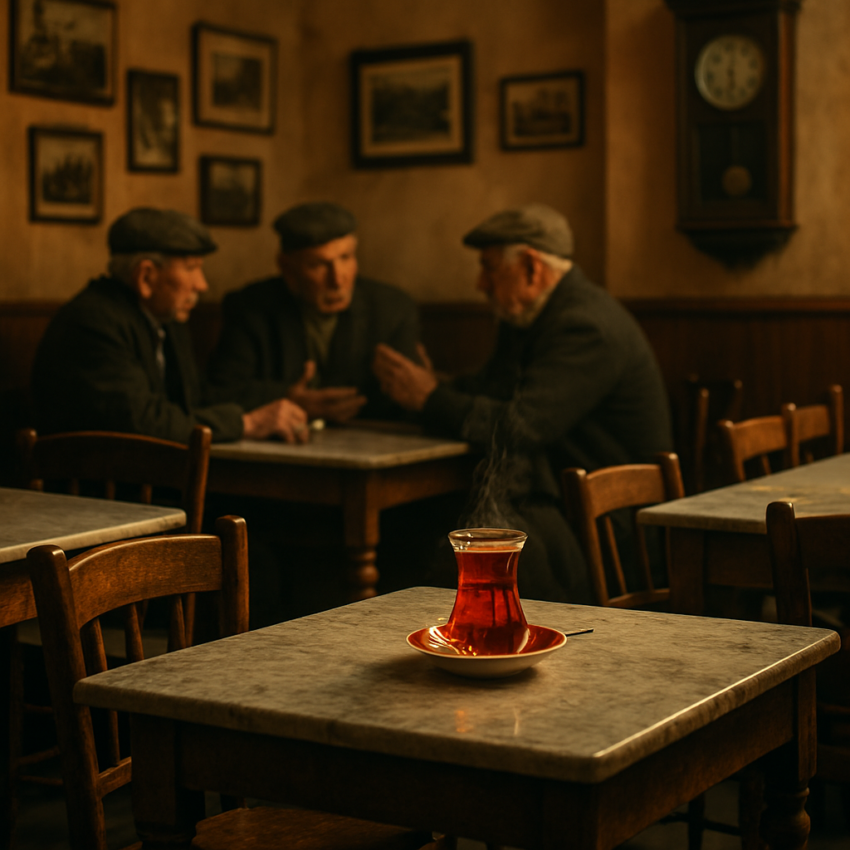
Mahallenin köşesinde, camları hafif buğulanmış küçük bir kahvehane vardır; kapısı her açıldığında içerden taş okey sesleri, kaşıkların bardaklara çarpışı ve taze demlenmiş çayın o tanıdık kokusu sokağa yayılır. Bu mekân, dışarıdan bakıldığında sıradan bir dükkân gibi görünse de, aslında mahallenin atan kalbidir. Burada oturmak, sadece bir çay içmek değil; mahallenin nabzını tutmak, insanlarla yan yana olmanın sıcaklığını hissetmektir. Kahvehane, dijital dünyadan çok önce kurulmuş bir sosyal ağdır; yüz yüze, göz göze ve samimiyetle işler.

Osmanlı dönemindeki “kıraathane” geleneğinden doğan kahvehaneler, başlangıçta okuma, dinleme ve sohbet etme mekânlarıydı. Zamanla bu işlev genişledi ve mahallede olan bitenin konuşulduğu bir haber merkezine dönüştü. Kim evlenmiş, kim askerden dönmüş, hangi sokakta bir sorun var—hepsi önce kahvehanede konuşulurdu. Askıda çay geleneği, maddi durumu olmayanın da bu sosyal çemberin dışında kalmamasını sağlardı. Akşamüstleri bir maç varsa, sandalyeler ekrana doğru çevrilir; herkes aynı heyecanı, aynı sevinci veya hayal kırıklığını paylaşırdı. Siyasetten spora, günlük hayattan anılara uzanan sohbetler, bu masalarda saatlerce sürerdi.

Kahvehanelerin atmosferi kendine özgüdür. Mermer masalar yılların izini taşır, ahşap sandalyeler gıcırdayarak geçmişi fısıldar. Duvarlarda asılı duran eski saatler, zamanın burada daha yavaş aktığını hatırlatır. Ocak başında ise her şeyi bilen, herkesi tanıyan emektar kahveci vardır. O, sadece çay demleyen biri değil; kimin ne zaman geldiğini, kimin yüzünden derdi olduğunu sezebilen sessiz bir gözlemcidir. Gençler, yaşlılar, işsizler, emekliler—herkes bu mekânda yan yana oturur ve aynı masanın parçası olur.

Bugünün modern kafelerinde kulaklıklar ve bireysel ekranlar ön plandayken, mahalle kahvehanelerinde kolektif bir ruh hâlâ yaşar. Burada yalnızlık paylaşılır, dert hafifler ve sohbet, çayın buharıyla birlikte yükselir. İşte bu yüzden, kahvehaneler hâlâ özlenir; çünkü onlar sadece bir mekân değil, birlikte olmanın en sade ve en güçlü hâlidir.


🇬🇧 English | Afternoon Rituals: Neighborhood Coffeehouses and Tea-Scented Conversations

On the corner of the neighborhood stands a small coffeehouse, its windows slightly fogged, where the sound of clacking backgammon pieces and the aroma of freshly brewed tea spill into the street each time the door opens. From the outside, it may look like an ordinary place, but in truth, it is the beating heart of the neighborhood. Sitting here is not just about drinking tea; it is about feeling the warmth of being together and sensing the rhythm of local life. Long before the digital age, this was a social network built on face-to-face connection and shared presence.

Rooted in the Ottoman-era tradition of the “kıraathane,” or reading house, coffeehouses were originally spaces for listening, reading, and discussion. Over time, their role expanded into becoming the neighborhood’s information hub. Who got married, who returned from military service, what problem emerged on which street—all news was first exchanged here. The tradition of “suspended tea” ensured that even those without money could remain part of the social circle. In the afternoons, if there was a football match, chairs were turned toward the screen, and everyone shared the same excitement, joy, or disappointment. Conversations flowed from politics to sports, from daily life to memories, lasting for hours around these tables.

The atmosphere of a coffeehouse is unmistakable. Marble tables carry the marks of years, wooden chairs creak softly, whispering stories of the past. Old clocks hanging on the walls remind visitors that time moves more slowly here. At the stove stands the veteran coffeehouse owner, who knows everyone and everything. He is not just someone who brews tea, but a quiet observer who senses worries without words. Young and old, unemployed and retired, all sit side by side and become part of the same table.

In contrast to modern cafés dominated by headphones and personal screens, neighborhood coffeehouses preserve a collective spirit. Here, loneliness is shared, burdens grow lighter, and conversation rises with the steam of tea. This is why these places are still deeply missed—they are not just locations, but the purest expression of togetherness.


🇧🇷 Português (Brasil) | Rituais de Tarde: Cafés de Bairro e Conversas com Aroma de Chá

Na esquina do bairro há um pequeno café, com janelas levemente embaçadas, de onde saem os sons das peças de jogo batendo nas mesas e o aroma do chá recém-preparado sempre que a porta se abre. À primeira vista, pode parecer apenas um lugar comum, mas na verdade é o coração pulsante da vizinhança. Sentar ali não é apenas tomar chá; é sentir o calor do convívio e perceber o ritmo da vida local. Muito antes do mundo digital, esse espaço já funcionava como uma rede social baseada no contato direto e na presença compartilhada.

Com origem na tradição otomana do “kıraathane”, ou casa de leitura, os cafés de bairro eram inicialmente locais de escuta, leitura e conversa. Com o tempo, tornaram-se o principal centro de informações da comunidade. Quem se casou, quem voltou do serviço militar, qual problema surgiu em determinada rua—tudo era comentado ali primeiro. A tradição do “chá pendurado” garantia que mesmo quem não tinha dinheiro não ficasse excluído do círculo social. À tarde, quando havia um jogo importante, as cadeiras se voltavam para a tela, e todos compartilhavam a mesma emoção, alegria ou frustração. As conversas se estendiam da política ao esporte, do cotidiano às lembranças, durando horas ao redor das mesas.

A atmosfera desses cafés é única. Mesas de mármore carregam as marcas do tempo, cadeiras de madeira rangem suavemente, como se sussurrassem histórias antigas. Relógios antigos nas paredes lembram que ali o tempo passa mais devagar. Perto do fogão está o dono experiente do café, que conhece todos e observa tudo. Ele não é apenas quem serve o chá, mas um observador silencioso capaz de perceber preocupações sem palavras. Jovens, idosos, desempregados e aposentados sentam-se lado a lado, formando parte da mesma mesa.

Em contraste com os cafés modernos, cheios de telas individuais e fones de ouvido, os cafés de bairro preservam um espírito coletivo. Ali, a solidão é compartilhada, os problemas se tornam mais leves e a conversa sobe junto com o vapor do chá. Por isso, esses lugares ainda são tão lembrados: não são apenas espaços físicos, mas a forma mais simples e poderosa de estar junto.


Category: Mahalle Kültürü / Neighborhood Culture / Cultura do Bairro

Yazı gezinmesi

← Tahta Kaşıktan Bakır Kazana: Mutfaktaki Kadim Miras | From Wooden Spoons to Copper Cauldrons: Ancient Kitchen Heritage | Das Colheres de Madeira aos Caldeirões de Cobre: Herança Culinária Antiga
Evlerin Sessiz Tanıkları: Körüklü Fotoğraf Makineleri | Silent Witnesses of Homes: Folding Bellows Cameras | Testemunhas Silenciosas das Casas: Câmeras de Fole →

Bir yanıt yazın Yanıtı iptal et

E-posta adresiniz yayınlanmayacak. Gerekli alanlar * ile işaretlenmişlerdir

🇹🇷 Retro, Tarih ve Nostaljik Hikayeler
🇬🇧 Retro, History & Vintage Stories
🇧🇷 Histórias Retro, Históricas e Vintage

Son Yazılar | Recent Posts | Postagens recentes

  • Anneanne Kurabiyesi: Aile Tarifleri İçinde Neden Özel bir Yere Sahip ve Eski Mutfak Kültürünü Nasıl Yaşatıyor | Grandmother’s Cookie: Why Does It Hold a Special Place Among Family Recipes and How Does It Keep Old Kitchen Culture Alive? | Biscoito de Vó: Por Que Ele Tem Um Lugar Especial Entre as Receitas de Família E Como Mantém Viva a Antiga Cultura da Cozinha?
  • Berberden Taşan Muhabbet Günleri: Mahalle Esnafıyla Bağı Nasıl Güçlendirdi | the Days When Conversation Spilled Out of the Barber Shop: How Did It Strengthen the Bond with Neighborhood Tradesmen? | Os Dias Em Que a Conversa Transbordava da Barbearia: Como Isso Fortaleceu o Vínculo Com Os Comerciantes do Bairro?
  • Porselen Şekerlik ve Taşınmalar Boyunca Eve Eşlik Eden Hatırası: bir Dönemin Zevk Anlayışını Nasıl Yansıttı | the Porcelain Sugar Bowl and the Memory That Accompanied the Home Through Moves: How Did It Reflect the Taste of an Era? | O Açucareiro de Porcelana E a Lembrança Que Acompanhou a Casa Ao Longo Das Mudanças: Como Ele Refletiu o Gosto de Uma Época?
  • Gramofon Başında Geçen Saatler: Tamircilerin Elinde Neden İkinci bir Ömür Bulduğunu Açıklıyor Pencere Önlerinde Bekleyen Akşamlarda bir Posta Kartının Arkasında Saklıymış gibi | the Hours Spent Beside the Gramophone: Why Did It Find a Second Life in the Hands of Repairmen, as if Hidden on the Back of a Postcard During Evenings Waiting by the Window? | as Horas Passadas Ao Lado do Gramofone: Por Que Ele Encontrava Uma Segunda Vida Nas Mãos dos Consertadores, Como Se Estivesse Escondido No Verso de Um Cartão-Postal Nas Noites À Espera da Janela?
  • Bir Kuşağın İçini Isıtan Günlerde Fuar Alanlarının Memlekete Vitrin Olduğu Mevsimler: Şehir Belleğinde Nasıl Derin bir İz Açtı Cam Açtıran Sabahlar | In the Days That Warmed a Generation from Within, the Seasons When Fairgrounds Became the Country’s Showcase: How Did Window-Opening Mornings Leave Such a Deep Mark on Urban Memory? | Nos Dias Que Aqueciam Por Dentro Uma Geração, as Estações Em Que Os Parques de Feira Se Tornavam a Vitrine do País: Como as Manhãs Que Pediam Janelas Abertas Deixaram Uma Marca Tão Profunda Na Memória da Cidade?

Son Yorumlar | Recent Comments | Comentários recentes

  1. GregoryLossy - Seramik Sürahi ve Gündelik Kullanımın İçinde Görünmeden Bıraktığı İz: bir Dönemin Zevk Anlayışını Nasıl Yansıttı | the Ceramic Pitcher and the Trace İt Left Almost İnvisibly in Everyday Use: How İt Reflected an Era’s Sense of Taste | A Jarra de Cerâmica E o Rastro Quase İnvisível Que Deixou No Uso Cotidiano: Como Refletiu o Senso de Gosto de Uma Época
  2. GregoryLossy - Seramik Sürahi ve Gündelik Kullanımın İçinde Görünmeden Bıraktığı İz: bir Dönemin Zevk Anlayışını Nasıl Yansıttı | the Ceramic Pitcher and the Trace İt Left Almost İnvisibly in Everyday Use: How İt Reflected an Era’s Sense of Taste | A Jarra de Cerâmica E o Rastro Quase İnvisível Que Deixou No Uso Cotidiano: Como Refletiu o Senso de Gosto de Uma Época
  3. GregoryLossy - Seramik Sürahi ve Gündelik Kullanımın İçinde Görünmeden Bıraktığı İz: bir Dönemin Zevk Anlayışını Nasıl Yansıttı | the Ceramic Pitcher and the Trace İt Left Almost İnvisibly in Everyday Use: How İt Reflected an Era’s Sense of Taste | A Jarra de Cerâmica E o Rastro Quase İnvisível Que Deixou No Uso Cotidiano: Como Refletiu o Senso de Gosto de Uma Época
  4. Susiewedia - Seramik Sürahi ve Gündelik Kullanımın İçinde Görünmeden Bıraktığı İz: bir Dönemin Zevk Anlayışını Nasıl Yansıttı | the Ceramic Pitcher and the Trace İt Left Almost İnvisibly in Everyday Use: How İt Reflected an Era’s Sense of Taste | A Jarra de Cerâmica E o Rastro Quase İnvisível Que Deixou No Uso Cotidiano: Como Refletiu o Senso de Gosto de Uma Época
  5. GregoryLossy - Seramik Sürahi ve Gündelik Kullanımın İçinde Görünmeden Bıraktığı İz: bir Dönemin Zevk Anlayışını Nasıl Yansıttı | the Ceramic Pitcher and the Trace İt Left Almost İnvisibly in Everyday Use: How İt Reflected an Era’s Sense of Taste | A Jarra de Cerâmica E o Rastro Quase İnvisível Que Deixou No Uso Cotidiano: Como Refletiu o Senso de Gosto de Uma Época

Arşivler | Archives | Arquivos

  • Mayıs 2026
  • Nisan 2026
  • Mart 2026
  • Şubat 2026

Kategoriler | Categories | Categorias

  • Damak Hafızası / Taste of Memory / Memória do Paladar
  • Mahalle Kültürü / Neighborhood Culture / Cultura do Bairro
  • Obje Hikayeleri / Object Stories / Histórias de Objetos
  • Teknoloji Mirası / Tech Heritage / Herança Tecnológica
  • Zamanın İzinde / Traces of Time / Trilhas do Tempo
eskipano.com'da yer alan bilgi, yorum ve değerlendirmeler yatırım danışmanlığı kapsamında değildir. Yatırım danışmanlığı hizmeti; aracı kurumlar, portföy yönetim şirketleri, mevduat kabul etmeyen bankalar ve yatırımcı arasında imzalanacak sözleşme çerçevesinde sunulmaktadır.

Sitede paylaşılan içerikler genel bilgilendirme amacı taşımakta olup, bunları hazırlayanların kişisel görüş ve değerlendirmelerine dayanabilir. Bu içerikler, ziyaretçilerin mali durumu ile risk ve getiri tercihleri dikkate alınarak hazırlanmış özel öneriler niteliğinde değildir. Bu nedenle yalnızca burada yer alan bilgi, yorum ve değerlendirmelere dayanılarak yatırım kararı verilmesi, beklentilere uygun sonuçlar doğurmayabilir.

eskipano.com üzerinde yayımlanan bazı içeriklerde reklam, sponsorluk, tanıtım, iş birliği, bağlı kuruluş bağlantıları (affiliate links) veya ticari yönlendirmeler yer alabilir. Bu tür içerikler, ilgili durumun niteliğine göre açıkça belirtilmeye çalışılsa da, kullanıcıların sitede yer alan her içeriği kendi değerlendirmeleri çerçevesinde incelemesi tavsiye edilir. Reklam, sponsorluk veya benzeri ticari unsurlar içeren içerikler, hiçbir şekilde kesin tavsiye, garanti ya da taahhüt anlamına gelmez.

eskipano.com'da yayımlanan içeriklerde doğruluk ve güncellik konusunda azami özen gösterilmekle birlikte, sitede yer alan bilgi ve verilerde oluşabilecek hata, eksiklik, gecikme ya da farklılıklardan; ayrıca bu bilgilerin kullanılması veya kullanılmaması nedeniyle ortaya çıkabilecek doğrudan ya da dolaylı zararlardan, kar kaybından veya üçüncü kişilerin uğrayabileceği zararlardan site yönetimi sorumlu tutulamaz.
  • Gizlilik Politikası | Privacy Policy | Política de Privacidade
  • Hakkımızda | About Us | Sobre Nós
  • İletişim | Contact | Contato
  • Site Haritası | Sitemap | Mapa do site
© 2026 Eski Pano | Powered by Minimalist Blog WordPress Theme