🇹🇷 Türkçe | Kış Gecelerinde Kutu İçinde Parlayan Çocukluk Sevinci
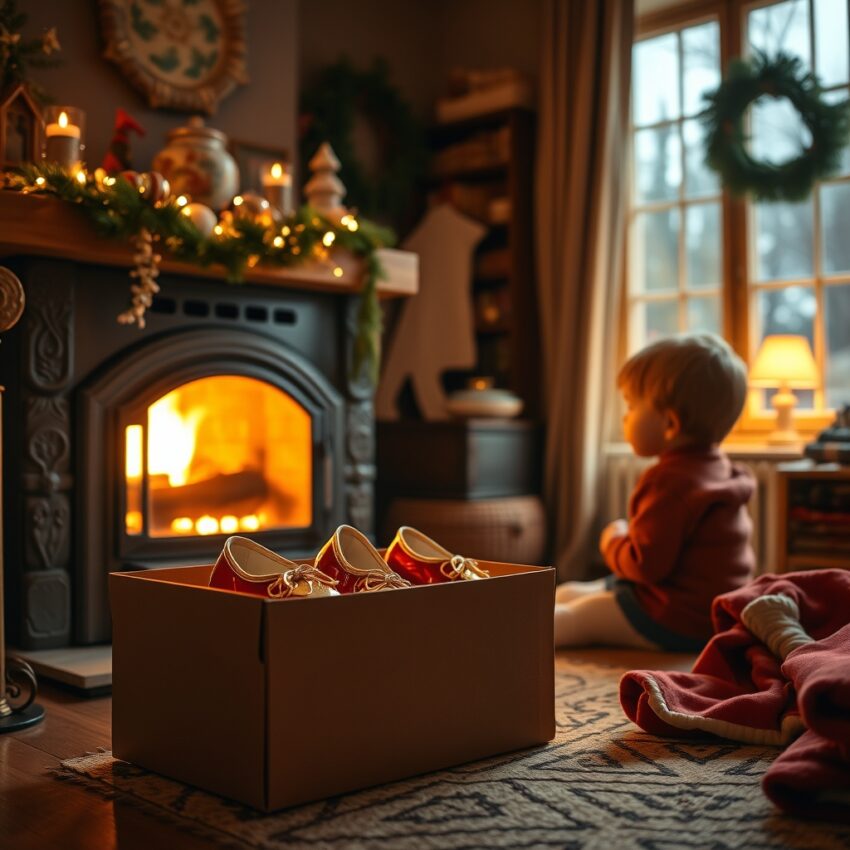
Bir zamanlar bayramlık ayakkabı, yalnız ayağa giyilecek yeni bir eşya değil; günler öncesinden başlayan bir bekleyişin merkezindeki parlak vaatti. Özellikle kışa denk gelen bayramlarda, akşam erken iner, soba çevresinde toplanılır ve odanın bir köşesinde duran ayakkabı kutusu çocuğun gözünde neredeyse başlı başına bir bayram işaretine dönüşürdü. Kutunun kapağı sık sık açılmazdı; çünkü yeni kalması, temiz kalması ve o büyük güne saklanması istenirdi. Ama tam da bu yüzden çocuk hafızasında büyürdü. Ayakkabının rugan parlaklığı, bağcığının sertliği, tabanından gelen yeni eşya kokusu ve kutu kapağını hafifçe aralayarak ona bakmanın verdiği gizli heyecan, uzun yıllar sonra bile silinmeyen bir duyguya dönüşürdü.
Mahalle Kültürü açısından düşünüldüğünde bayramlık ayakkabı, çocukluğun toplumsal hafızasında önemli bir yer tutar. Çünkü bu ayakkabı sadece bireysel sevinç değildi; mahallenin ortak takvimine bağlı bir ritimdi. Terzide son prova yapılır, evde bayramlık kıyafetler ütülenir, şekerlik hazırlanır ve çocuklar arasında kimin ayakkabısının nasıl olduğu fısıltıyla konuşulurdu. Kış gecelerinde sobanın üstünde kestane kokusu dolaşırken, bir yandan da ertesi sabah ya da birkaç gün sonrası düşünülürdü. Bayramlık ayakkabı, bayram sabahı sokağa çıkıldığında çocuğun yalnız yeni görünmesini değil, bayramın düzenine uygun biçimde hazırlanmış olmasını da temsil ederdi. Bu yüzden o heyecan, eşyadan çok bir topluluğa dahil olmanın sevinciydi.
Çocuk hafızasında neden hiç silinmediğini anlamak için bekleyiş duygusuna bakmak gerekir. Günümüzde birçok eşya hemen alınır, hemen giyilir ve hızla gündelikleşir. Oysa bir zamanlar bayramlık ayakkabı çoğu kez saklanır, kutusunda bekletilir ve sadece özel gün için ayrılırdı. Beklemek ise nesneye duygusal yoğunluk kazandırırdı. Çocuk, kutunun yerini bilir; bazen annesi fark etmeden kapağını aralar, bazen gece yatmadan önce son kez bakar, bazen de kardeşiyle hangisinin daha parlak olduğu üzerine küçük bir tartışmaya girerdi. O kutu, bir tür sessiz takvim işlevi görürdü. Bayrama kaç gün kaldığı, çoğu zaman takvim yaprağından çok o ayakkabının henüz giyilmemiş olmasından anlaşılırdı.
Gündelik hayatın ince ayrıntıları bu hafızayı iyice kökleştirir. Babanın akşam işten dönerken ayakkabıyı getirmesi, annenin kutuyu yüksek bir yere kaldırması, evdeki çocukların sırayla denemek istemesi ama “kirletmeyin” diye uyarılması, hepsi aynı sahnenin parçalarıdır. Bayram sabahı geldiğinde ayakkabının ilk kez ayağa geçirilmesi de başlı başına törensel bir andı. Kalın çorapların üstüne dikkatle giydirilir, bağcıklar özenle bağlanır, çocuk birkaç adım atıp “vuruyor mu?” diye sorulurdu. Sokağa çıkıldığında taş zemine değen o yeni taban sesi, çocuğun kendini biraz daha büyük, biraz daha düzenli ve biraz daha görülmüş hissetmesini sağlardı. Bu sesin hafızada kalması boşuna değildir.
Bayramlık ayakkabı heyecanının silinmemesi, çocuklukta mutluluğun çoğu zaman küçük ama törensel nesneler etrafında kurulduğunu gösterir. O ayakkabı, yoksunlukla bolluk arasında gidip gelen evlerde bile sevinci somutlaştıran bir işaret olurdu. Yeni bir çift ayakkabı sayesinde çocuk, bayramın kendisi için de geldiğini hissederdi. Bugün dönüp bakıldığında özlenen sadece o rugan parlaklığı ya da kutu kokusu değildir; beklemeyi bilen, özel günün ağırlığını hisseden ve küçük bir nesneye büyük anlam yükleyebilen çocukluk hâlidir. Kış gecelerinde soba ışığına yakın bir yerde duran ayakkabı kutusu, bu yüzden çocuk hafızasında hiç silinmeyen en sıcak görüntülerden biri olarak kalır.
🇬🇧 English | Childhood Joy Shining from a Box on Winter Nights
There was a time when holiday shoes were not merely a new item to wear on one’s feet, but the bright promise at the center of a waiting period that began days in advance. Especially when the holiday fell in winter, evening descended early, families gathered around the stove, and the shoe box resting in one corner of the room became in the child’s eyes almost a holiday sign in itself. The lid was not opened often, because the shoes were meant to remain new, clean, and protected for the great day. Yet that very restraint made them grow larger inside memory. The shine of patent leather, the stiffness of the laces, the scent of new material rising from the sole, and the secret thrill of lifting the lid just slightly all turned into a feeling that survived long after childhood itself had passed.
From the perspective of neighborhood culture, holiday shoes held an important place in the collective memory of children because the excitement was never entirely individual. It belonged to a common calendar shared by the entire street. Final fittings were done at the tailor, holiday clothes were ironed at home, candy bowls were prepared, and children quietly compared whose shoes looked how. While the smell of chestnuts drifted above the stove on winter nights, thoughts were already turning toward the coming morning or the next few days. Holiday shoes represented more than looking new when stepping outside. They meant being properly prepared for the social order of the feast. That is why the excitement was not only about the object itself, but about the joy of taking one’s place inside a community ritual.
To understand why the feeling was never erased from a child’s memory, one has to understand waiting. Today many things are bought and immediately used, becoming ordinary within hours. But holiday shoes once waited inside their box, set aside only for the special day. Waiting gave the object emotional weight. A child knew exactly where the box was kept, sometimes lifting the lid in secret, sometimes taking one last look before sleep, sometimes entering into a small argument with a sibling over whose pair was brighter. That box became a kind of silent calendar. How many days remained until the holiday was understood less from the date on paper than from the fact that the shoes were still untouched.
Small domestic details root this memory even more deeply. A father returning from work with the box, a mother placing it high out of reach, children wanting to try the shoes in turn but being warned not to soil them, all belong to the same scene. When the holiday morning finally arrived, putting on the shoes for the first time became almost ceremonial. They were carefully pulled over thick socks, the laces were tied with attention, and the child was asked to take a few steps and say whether they hurt. Once outside, the sound of the new sole striking the stone pavement made the child feel slightly older, more orderly, and more visible. It is no accident that this sound remained in memory.
The reason the excitement of holiday shoes never disappeared is that childhood happiness was often built around small yet ceremonial objects. In homes moving between scarcity and sufficiency, a new pair of shoes could give joy a clear shape. Through them, the child felt that the holiday had truly arrived for them as well. Looking back now, what is missed is not only the shine of the leather or the smell of the box, but the child’s state of mind that knew how to wait, how to feel the gravity of a special day, and how to give great meaning to a small object. The shoe box standing near the stove light on winter nights therefore remains one of the warmest images childhood memory never erased.
🇧🇷 Português (Brasil) | A Alegria da Infância Brilhando Dentro de uma Caixa nas Noites de Inverno
Houve um tempo em que os sapatos de festa não eram apenas um item novo para calçar, mas a promessa luminosa no centro de uma espera que começava dias antes. Principalmente quando a festa chegava no inverno, a noite caía cedo, a família se reunia em volta do fogão, e a caixa colocada num canto do quarto se transformava, aos olhos da criança, quase num sinal da própria festa. A tampa não era aberta o tempo todo, porque o sapato precisava continuar novo, limpo e guardado para o grande dia. Mas era justamente essa contenção que o fazia crescer dentro da memória. O brilho do verniz, a rigidez do cadarço, o cheiro de coisa nova vindo da sola e a emoção secreta de levantar a tampa só um pouco viravam uma sensação que resistia por muitos anos.
Do ponto de vista da cultura do bairro, os sapatos de festa ocupavam um lugar importante na memória coletiva das crianças porque a alegria nunca era totalmente individual. Ela seguia um calendário comum da rua. Fazia-se a última prova na costureira, a roupa era passada em casa, o pote de doces era preparado e as crianças comentavam baixinho como eram os sapatos umas das outras. Enquanto o cheiro de castanha assada circulava sobre o fogão nas noites frias, o pensamento já estava voltado para a manhã seguinte ou para os dias que faltavam. Os sapatos de festa representavam mais do que estar com aparência nova ao sair. Significavam estar preparado para a ordem social daquele dia especial. Por isso, a emoção não vinha apenas do objeto, mas da alegria de participar de um ritual coletivo.
Para entender por que essa emoção nunca se apagou da memória infantil, é preciso olhar para a espera. Hoje muitas coisas são compradas e usadas na mesma hora, ficando comuns rapidamente. Naquele tempo, porém, o sapato de festa era guardado na caixa e reservado só para a ocasião especial. Esperar dava peso emocional ao objeto. A criança sabia exatamente onde a caixa estava, às vezes levantava a tampa escondida, às vezes dava uma última olhada antes de dormir, às vezes discutia com o irmão sobre qual par era mais bonito. A caixa virava uma espécie de calendário silencioso. Quantos dias faltavam para a festa era percebido menos pela folha do calendário e mais pelo fato de que os sapatos ainda não tinham sido usados.
Os detalhes da casa aprofundam ainda mais essa lembrança. O pai chegando do trabalho com a caixa, a mãe colocando-a num lugar alto, as crianças querendo experimentar uma por uma e ouvindo que não podiam sujar, tudo faz parte da mesma cena. Quando a manhã festiva finalmente chegava, calçar o sapato pela primeira vez era quase uma cerimônia. Ele era colocado com cuidado sobre a meia grossa, o cadarço era amarrado com atenção, e a criança dava alguns passos para responder se apertava. Ao sair para a rua, o som da sola nova batendo na pedra fazia a criança se sentir um pouco mais crescida, mais organizada e mais notada. Não é por acaso que esse som ficou guardado.
O fato de a emoção dos sapatos de festa nunca ter desaparecido mostra que a felicidade infantil muitas vezes se construía ao redor de objetos pequenos, mas cerimoniais. Mesmo em casas onde a vida oscilava entre falta e alívio, um par novo de sapatos dava forma concreta à alegria. Por meio dele, a criança sentia que a festa tinha chegado também para ela. Quando se olha para trás, o que faz falta não é apenas o brilho do verniz ou o cheiro da caixa, mas o estado infantil de saber esperar, sentir o peso de um dia especial e dar grande significado a um objeto pequeno. Por isso a caixa perto da luz do fogão, nas noites de inverno, continua sendo uma das imagens mais quentes que a memória infantil nunca apagou.