🇹🇷 Türkçe | açık pencere arkasından gelen radyo sesi ile geçen saatler bir neslin güven duygusunu nasıl besledi
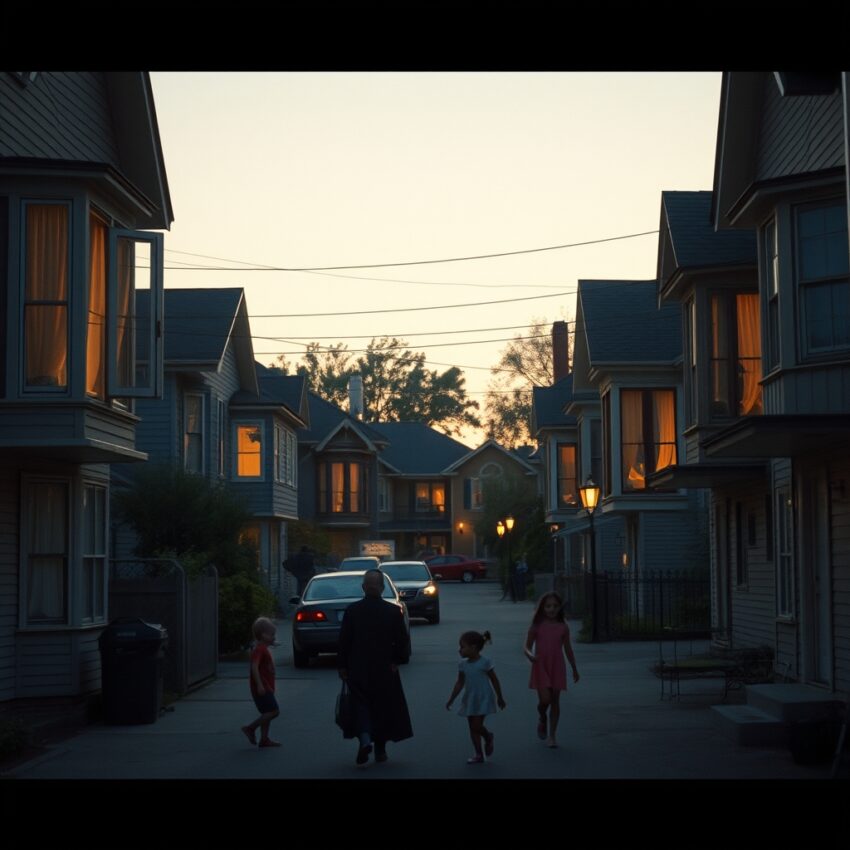
Bir zamanlar güven duygusu büyük sözlerle değil, gündelik hayatın küçük ve tekrar eden sesleriyle kurulurdu. Açık pencerenin ardından gelen radyo sesi de bunların en tanıdık olanlarındandı. Yaz akşamüstüsünde ya da sonbahar ikindisinde, sokaktan geçen biri hangi evde hangi programın açık olduğunu az çok anlayabilirdi. Bir yerde hafif cızırtılı bir haber bülteni, başka bir pencerede eski bir Türk sanat müziği kaydı, biraz ötede çocuk programının tanıdık jingle’ı duyulurdu. Bu sesler mahalleyi görünmez biçimde birbirine bağlar, evlerin yalnız duvarlardan ibaret olmadığını hissettirirdi. İçeride bir hayat vardı ve o hayat, radyo aracılığıyla sokağa usulca taşardı.
Mahalle Kültürü içinde radyo, ev ile sokak arasında kurulan en yumuşak köprülerden biriydi. Televizyonun her eve hâkim olmadığı dönemlerde radyo, haberin, müziğin, tiyatronun, spor anlatısının ve günlük ritmin ortak kaynağıydı. Pencerenin açık bırakılması ise bu ortaklığı daha da görünür kılardı. Ev halkı içeride kendi işini yaparken, radyodan gelen ses mahallede dolaşan çocuklara, bakkala uğrayan komşuya, akşamüstü taburesini kapı önüne çıkaran yaşlılara kadar ulaşırdı. Böylece bir evin sesi ötekine karışır, mahalle aynı anda birçok ev içi ritimden oluşan büyük bir organizma gibi davranırdı. Güven duygusu da tam burada büyürdü; çünkü insan çevresindeki hayatın sürdüğünü işiterek rahatlar.
Bu sesin bir nesli beslemesinin nedeni, onun düzenli ve tanıdık oluşunda saklıdır. Her gün benzer saatlerde duyulan anonslar, hava durumu bültenleri, belirli müzik kuşakları ya da akşam haberleri, çocuklar için günün ritmini öğrenmenin yollarından biriydi. Okuldan dönen çocuk, açık pencereden gelen belirli bir melodiyi duyunca annesinin mutfakta olduğunu anlar; babanın işten dönmesine ne kadar kaldığını tahmin ederdi. Yaşlılar radyo sesinin kesilmediği mahallede yalnızlık duygusunu daha az hissederdi. Ev kadınları temizlik yaparken ya da akşam yemeğini hazırlarken radyonun sürekliliğinden destek alırdı. Bu süreklilik, teknolojinin gürültülü bir hakimiyeti değil; aksine hayatı usulca düzenleyen bir arka plan güveniydi.
Açık pencere arkasından gelen radyo sesi aynı zamanda mahallede karşılıklı gözetimin yumuşak bir biçimini de yaratırdı. Kimse birbirini doğrudan izlemez, ama seslerin varlığı herkesin birbirinden haberdar olmasını sağlardı. Bir evin penceresi birkaç gün kapalı kalınca merak edilir, normal saatte duyulmayan radyo sesi eksiklik hissi yaratırdı. Akşam haberlerinden sonra sokakta hareketin azalması, bir müzik programıyla birlikte balkonlarda serinliğe çıkanların artması, mahalle zamanının radyo ile birlikte akmasına neden olurdu. Çocuk için bu, dünyanın yerli yerinde olduğu hissiydi. Büyükler içinse tanıdık hayat akışının bozulmadığını gösteren küçük ama önemli bir işaretti.
Bugünden geriye bakıldığında o saatlerin neden güven verdiği daha iyi görülüyor. Çünkü radyo sesi yalnız içerik taşımıyordu; devamlılık taşıyordu, komşuluk taşıyordu, evlerin yaşadığını haber veriyordu. Açık pencere, sesi dışarı bırakırken aynı zamanda mahallenin havasını da içeri alıyordu. Böylece içerisiyle dışarısı arasında tek yönlü değil, karşılıklı bir güven dolaşımı kuruluyordu. Şimdi ses dünyası çok daha parçalı ve kişisel olabilir; ama geçmişte açık pencere arkasından gelen radyo, bir nesle yalnız program değil, aidiyet hissi de veriyordu. Bu yüzden bugün uzak bir evden gelen loş bir radyo sesi hâlâ birçok insanın içinde tarif edilmesi zor bir huzur uyandırıyor.
🇬🇧 English | How Did the Hours Passed with the Radio Sound Coming from Behind an Open Window Nourish a Generation’s Sense of Security?
There was a time when a sense of security was built not through grand declarations, but through the small and repeated sounds of ordinary life. The sound of a radio drifting from behind an open window was one of the most familiar among them. On a summer afternoon or an autumn evening, anyone passing through the street could roughly tell what kind of program was playing in which home. In one place there was the slightly crackling voice of the news, in another an old classical song, and a little farther away the recognizable jingle of a children’s program. These sounds bound the neighborhood together in an invisible way, making it clear that homes were not only walls. There was life inside, and through the radio that life gently spilled into the street.
Within neighborhood culture, the radio was one of the softest bridges between home and street. Before television ruled every household, radio was the common source of news, music, drama, sports commentary, and the daily rhythm itself. Leaving the window open made that common world even more visible. While people inside continued their own routines, the broadcast reached children in the street, a neighbor stopping by the grocer, or an elder taking a stool outside in the evening cool. In that way, the sound of one house mixed with another, and the whole area behaved like a large organism shaped by many domestic rhythms at once. A sense of safety grew precisely there, because hearing life continue around you is itself reassuring.
One reason the sound nourished a generation lies in its regularity and familiarity. Announcements at similar hours every day, weather bulletins, repeated music programs, or the evening news all helped children learn the rhythm of time. A child returning from school could hear a certain melody through an open window and know that the mother was in the kitchen, or guess how long remained before the father came home from work. Older residents felt less alone in a neighborhood where radios never entirely fell silent. Women doing housework or preparing dinner drew strength from the continuity of the broadcast. This continuity was not a loud domination of technology, but a background trust quietly arranging the flow of life.
The radio behind the open window also created a gentle form of mutual awareness in the neighborhood. No one watched one another directly, yet the presence of sound kept everyone informed of everyone else’s existence. If a window stayed closed for several days, people noticed. If the usual program did not come on at its ordinary time, an absence was felt. The way street movement slowed after the evening news, or the way more people emerged onto balconies during a music show, meant that neighborhood time itself moved in step with the radio. For children, this was the feeling that the world was in its proper place. For adults, it was a small but important sign that the familiar order of life remained intact.
From today’s distance, it becomes easier to understand why those hours felt secure. The radio did not carry content alone. It carried continuity, neighborliness, and proof that homes were alive. The open window let the sound move outward while also drawing the air of the neighborhood inward. A two-way circulation of trust formed between indoors and outdoors. The contemporary world may be more fragmented and private in its sounds, yet the old radio behind the open window offered a generation not only programs, but belonging. That is why the faint sound of a distant radio can still awaken, in many people, a calm they find difficult to explain.
🇧🇷 Português (Brasil) | Como as Horas Passadas com o Som do Rádio Vindo de trás de uma Janela Aberta Alimentaram o Sentimento de Segurança de uma Geração?
Houve um tempo em que o sentimento de segurança não era construído com grandes discursos, mas com os sons pequenos e repetidos da vida comum. O som do rádio vindo de trás de uma janela aberta era um dos mais familiares entre eles. Numa tarde de verão ou num fim de tarde de outono, quem passava pela rua conseguia perceber mais ou menos que tipo de programa tocava em cada casa. Em um lugar, a voz levemente chiada do noticiário; em outro, uma canção antiga; mais adiante, a vinheta conhecida de um programa infantil. Esses sons ligavam o bairro de forma invisível e faziam sentir que as casas não eram apenas paredes. Havia vida ali dentro, e essa vida escorria suavemente para a rua por meio do rádio.
Dentro da cultura de bairro, o rádio era uma das pontes mais delicadas entre a casa e a rua. Antes de a televisão dominar todos os lares, ele era a fonte comum de notícias, música, teatro, transmissões esportivas e do próprio ritmo do dia. Manter a janela aberta tornava esse mundo comum ainda mais visível. Enquanto as pessoas seguiam sua rotina dentro de casa, a transmissão chegava às crianças brincando na rua, ao vizinho que passava no armazém e ao idoso que puxava um banquinho para a porta no frescor da tarde. Assim, o som de uma casa se misturava ao de outra, e o bairro inteiro se comportava como um grande organismo formado por muitos ritmos domésticos ao mesmo tempo. O sentimento de segurança crescia exatamente aí, porque ouvir a vida continuar ao redor já é uma forma de alívio.
Uma das razões para esse som ter alimentado uma geração está em sua regularidade e familiaridade. Os anúncios ouvidos em horários parecidos todos os dias, a previsão do tempo, certos programas musicais e o jornal da noite ajudavam as crianças a aprender o ritmo do tempo. A criança que voltava da escola podia ouvir uma melodia conhecida pela janela aberta e entender que a mãe estava na cozinha, ou calcular quanto faltava para o pai chegar do trabalho. Os moradores mais velhos sentiam menos solidão num bairro em que o rádio nunca desaparecia por completo. As mulheres que arrumavam a casa ou preparavam o jantar se apoiavam na continuidade da transmissão. Essa continuidade não era um domínio barulhento da tecnologia, mas uma confiança de fundo que organizava a vida com suavidade.
O rádio vindo de trás da janela aberta também criava uma forma branda de vigilância recíproca no bairro. Ninguém observava diretamente o outro, mas a presença dos sons fazia com que todos soubessem que havia vida ao redor. Se uma janela permanecia fechada por dias, isso chamava atenção. Se um programa costumeiro não era ouvido na hora certa, surgia uma sensação de falta. O modo como a rua ficava mais calma depois do noticiário da noite, ou como mais gente aparecia na varanda durante um programa musical, fazia o tempo do bairro caminhar junto com o rádio. Para a criança, isso significava sentir que o mundo estava em ordem. Para os adultos, era um pequeno mas importante sinal de que a vida conhecida seguia no lugar.
Olhando de hoje para trás, fica mais claro entender por que aquelas horas davam segurança. O rádio não levava apenas conteúdo. Levava continuidade, vizinhança e a prova de que as casas estavam vivas. A janela aberta deixava o som sair, mas também permitia que o ar do bairro entrasse. Formava-se assim uma circulação de confiança entre dentro e fora. O mundo de hoje pode ter uma paisagem sonora mais fragmentada e mais individual, mas o rádio antigo atrás da janela aberta oferecia a uma geração não só programas, e sim pertencimento. Talvez seja por isso que o som distante de um rádio ainda desperte em tanta gente uma calma difícil de explicar.