🇹🇷 Türkçe | Sokak lambalarının altında büyüyen anılarda piknik trenlerinin aile neşesini raylara taşıdığı hafta sonları: unutulan ayrıntılarıyla bize ne söylüyor çiçek kokulu sokaklar
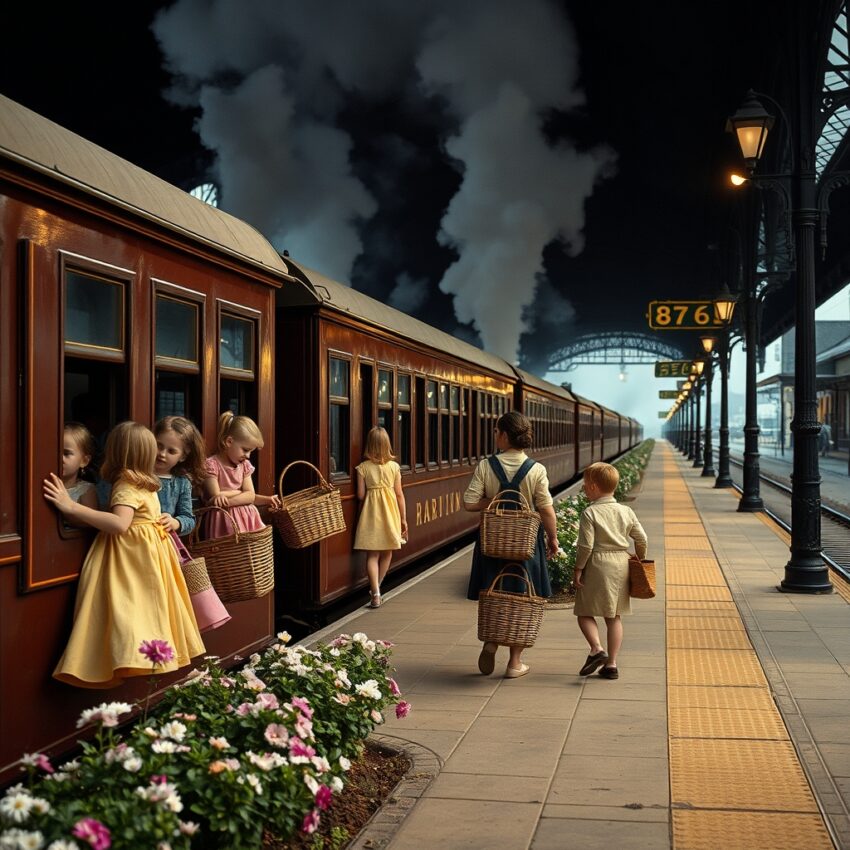
Bir zamanlar hafta sonu denince yalnız dinlenmek değil, evin içinden başlayıp istasyona kadar uzanan küçük bir seferberlik anlaşılırdı. Daha cumartesi sabahı erkenden mutfakta teneke kapakların, emaye tabakların, ince belli bardakların sesi duyulur; sofralık domatesler seçilir, haşlanmış yumurtalar bezlere sarılır, limonata şişeleri gazete kâğıdına dikkatle yerleştirilirdi. Çocuklar bir yandan sevinçle ayakkabılarını ararken bir yandan pencereye koşup sokağın aydınlığını kontrol ederdi. Çünkü piknik trenine yetişmek, yalnız bir yolculuğa çıkmak değil, bütün ailenin gün boyu sürecek neşesini rayların ritmine teslim etmek demekti. İstasyona giden yolda sokak lambaları henüz sönmemişse, çiçek tarhlarının üstünde kalan loş ışık bile bu telaşa başka bir güzellik katardı.
Zamanın İzinde bakıldığında piknik trenleri, kent hayatının ailece nefes alma biçimlerinden biriydi. Şehir merkezinde sıkışan haftanın ardından banliyö hatlarına ya da sayfiye duraklarına uzanan bu seferler, ulaşım aracı olmanın ötesinde bir toplumsal buluşma alanı kurardı. Tahta banklarda yan yana oturan aileler, kucağında sepet taşıyan anneler, pencereden dışarıyı sayan çocuklar ve ceketi koluna atmış babalar, aynı vagonda birbirine benzeyen ama ayrı ayrı hikâyeler taşırdı. Trenin tekerlek sesi konuşmaların arasına düzenli bir ölçü gibi girer; şehir geride kalırken insanların yüzünde haftanın sertliği değil, gevşemeye başlayan bir huzur görünürdü. Eski gazetelerde gezi trenlerinden, mesire yerlerine giden kalabalıklardan söz edilmesi boşuna değildi. O trenler, modernleşen şehir hayatının içindeki sade mutluluğun gündelik taşıyıcısıydı.
Bu yolculukların unutulan ayrıntıları asıl hafızayı kuran şeylerdi. Perona inen buharın kısa süreli sisi, mendile sarılmış peynirli çörekler, kompartımanda camı biraz aralamak için yapılan küçük tartışmalar, yan koltuktaki teyzenin “çocuk üşümesin” diye yaptığı uyarı, hepsi o günlerin dokusuna işlenmişti. Tren hareket ettiğinde çocuklar dışarıdaki direkleri sayar, anneler sepetin yerini düzeltir, babalar istasyon isimlerini yarı yüksek sesle okurdu. Çiçek kokulu sokaklar burada yalnız varış yerini değil, yolculuğun kendisini de anlatır. Çünkü mesire alanına varmadan önce bile istasyon çevresinde açan hanımeli, yasemin ya da iğde kokusu, ailenin hafızasına o günün havasını mühürlerdi. Bugün geçmişe bakınca o sokakların niçin bu kadar canlı hatırlandığını biraz da bu açıklar: Koku, hareket hâlindeki mutluluğun en sadık tanığıdır.
Piknik trenleri aynı zamanda aile içi rollerin daha yumuşak bir hâl aldığı alanlardı. Evde düzeni kuran anne, istasyonda çocuklarla birlikte heyecana kapılır; çoğu zaman ciddi görünen baba, pencere kenarını kimin alacağı üzerine yapılan küçük pazarlığa gülerek katılırdı. Büyükanne, bez torbadan çıkardığı poğaçayı bölüştürür; kuzenler henüz inmeden çimenlerde oynayacakları oyunu planlamaya başlardı. O vagonda yalnız yol alınmaz, aile olmanın gündelik biçimi yeniden kurulurdu. Rayların sallantısı, konuşmaları daha samimi, sessizlikleri daha huzurlu kılardı. Belki de bu yüzden bugün toplu taşıma araçları çok daha hızlı ve konforlu olsa da, aynı sıcaklığı hatırada bırakmakta zorlanıyorlar. Piknik treninin değeri yalnız götürdüğü yerde değil, yolda kurduğu müşterek zamandaydı.
Çiçek kokulu sokakların bize bugün söylediği şey tam da budur: Geçmişin neşesi büyük olaylardan çok, ortak hazırlanışların ve küçük ayrıntıların içinde saklıydı. Sokak lambasının altında bekleyen sabah serinliği, elde taşınan hasır sepet, rayların metal kokusuna karışan yasemin, trene binmeden önce duyulan hafif telaş… Bunlar yalnız nostaljik süsler değil, bir dönemin ailece yaşama kültürünün ipuçlarıdır. Piknik trenleri artık aynı anlamı taşımıyor olabilir; ama onların bıraktığı iz, şehir hayatında birlikte yola çıkmanın ne kadar kıymetli bir duygu olduğunu hâlâ hatırlatıyor. Bugün bir istasyon önünden geçerken çiçek kokusu ansızın geçmişi çağırıyorsa, bunun nedeni rayların yalnız insanları değil, aile neşesini de taşımış olmasıdır.
🇬🇧 English | In the Memories Growing Beneath Streetlights, the Weekends When Picnic Trains Carried Family Cheer Along the Rails: What Do the Flower-Scented Streets Tell Us with Their Forgotten Details?
There was a time when a weekend did not simply mean rest. It meant a small mobilization beginning inside the house and stretching all the way to the station. Early on Saturday morning, the sounds of tin lids, enamel plates, and tea glasses would already be heard in the kitchen. Tomatoes were selected for the outing, boiled eggs wrapped in cloth, bottles of lemonade carefully packed in old newspaper. Children searched for their shoes in excitement while running back to the window to check the brightness outside. Catching the picnic train meant more than setting off on a journey. It meant entrusting the family’s daylong joy to the rhythm of the rails. And if the streetlights had not yet fully faded on the road to the station, their dim glow over flowerbeds added one more layer of beauty to the hurry.
Seen in the path of time, picnic trains were one of the ways urban families learned to breathe together. After a week compressed by city routines, the suburban or summer excursion lines created not merely transportation, but a shared social stage. Families sitting side by side on wooden benches, mothers carrying baskets on their laps, children counting things through the window, fathers with jackets folded over one arm all carried separate stories within the same carriage. The clatter of wheels entered their conversation like a regular meter, and as the city receded, the hard edge of the week loosened from their faces. Old newspapers often mentioned excursion trains and crowds heading toward picnic grounds for good reason. Those trains carried an ordinary happiness at the heart of a modernizing city.
The forgotten details were what built the real memory of those journeys. The brief mist of steam along the platform, the cheese pastries wrapped in handkerchiefs, the little debates about how far to open the window, the older woman in the next seat warning that the child should not catch cold, all of it was woven into the texture of those days. Once the train moved, children counted poles outside, mothers straightened the baskets, fathers read station names aloud in half-serious voices. Flower-scented streets here describe not only the destination, but the journey itself. Even before reaching the picnic grounds, the smell of honeysuckle, jasmine, or oleaster around the station sealed the atmosphere of the day into family memory. That is one reason those streets remain so vivid in hindsight. Scent is the most faithful witness of happiness in motion.
Picnic trains were also places where family roles softened. The mother who organized order at home joined the children’s excitement at the station. The father who often seemed reserved laughed while settling small disputes over who would get the window seat. A grandmother divided pastries from a cloth bag, and cousins began planning their games on the grass before they had even arrived. Inside that carriage, people did not only travel. They quietly rebuilt what it meant to be a family. The rocking motion of the train made conversation more intimate and silence more peaceful. Perhaps that is why today’s transport, though faster and more comfortable, rarely leaves the same warmth in memory. The value of the picnic train lay not only in where it took people, but in the shared time it created along the way.
That is exactly what the flower-scented streets still tell us now. The joy of the past was hidden less in grand events than in collective preparation and in small details. The morning coolness under the streetlight, the wicker basket carried by hand, jasmine mingling with the metallic smell of the track, the slight rush felt before boarding: these are not decorative nostalgic touches, but clues to a culture of family life. Picnic trains may no longer hold the same place, yet their trace still reminds us how precious it once felt simply to set out together through the city. If the scent near a station can still summon the past without warning, it is because the rails carried not only passengers, but family cheer itself.
🇧🇷 Português (Brasil) | Nas Memórias que Cresceram Sob as Luzes da Rua, os Fins de Semana em que os Trens de Piquenique Levavam a Alegria da Família pelos Trilhos: o que Nos Dizem as Ruas com Cheiro de Flores em Seus Detalhes Esquecidos?
Houve um tempo em que fim de semana não significava apenas descanso. Significava uma pequena mobilização que começava dentro de casa e seguia até a estação. Logo cedo, no sábado, já se ouviam na cozinha os sons de tampas de lata, pratos esmaltados e copos de chá. Escolhiam-se os tomates, os ovos cozidos eram embrulhados em panos, as garrafas de limonada eram acomodadas com cuidado em folhas de jornal. As crianças procuravam os sapatos com ansiedade e voltavam correndo à janela para ver a claridade da rua. Pegar o trem de piquenique era mais do que sair para um passeio. Era confiar a alegria da família, durante um dia inteiro, ao ritmo dos trilhos. E, se as luzes da rua ainda não tinham se apagado completamente no caminho até a estação, aquela claridade suave sobre os canteiros de flores deixava a pressa ainda mais bonita.
No rastro do tempo, os trens de piquenique foram uma das maneiras pelas quais as famílias urbanas aprendiam a respirar juntas. Depois de uma semana apertada pela rotina da cidade, as linhas suburbanas ou de veraneio criavam não só transporte, mas um palco social compartilhado. Famílias sentadas lado a lado em bancos de madeira, mães com cestas no colo, crianças contando postes pela janela, pais com o paletó dobrado no braço, todos levavam histórias diferentes dentro do mesmo vagão. O ruído das rodas entrava nas conversas como um compasso regular e, à medida que a cidade ficava para trás, a dureza da semana também parecia se soltar dos rostos. Não era por acaso que os jornais antigos falavam dos trens de passeio e das multidões a caminho dos parques e áreas de piquenique. Eles carregavam uma forma simples de felicidade no coração de uma cidade em transformação.
Os detalhes esquecidos eram justamente o que construía a memória verdadeira dessas viagens. A névoa breve do vapor na plataforma, os pãezinhos com queijo embrulhados em lenços, as pequenas discussões sobre abrir ou não a janela, a senhora do banco ao lado dizendo para a criança não pegar friagem, tudo isso ficava entranhado na textura daqueles dias. Quando o trem partia, as crianças contavam os postes, as mães ajeitavam as cestas e os pais liam em voz meio alta os nomes das estações. As ruas com cheiro de flores não falam apenas do destino, mas do próprio trajeto. Mesmo antes de chegar ao gramado do piquenique, o perfume de jasmim, madressilva ou flor de oliveira perto da estação já selava o clima do dia na memória da família. Talvez por isso essas ruas continuem tão vivas na lembrança. O cheiro é a testemunha mais fiel da alegria em movimento.
Os trens de piquenique também eram lugares onde os papéis familiares ficavam mais leves. A mãe que organizava tudo em casa se deixava contagiar pelo entusiasmo das crianças na estação. O pai, muitas vezes mais sério, ria das pequenas disputas por um lugar na janela. A avó dividia os salgados tirados da bolsa de pano, e os primos começavam a planejar as brincadeiras no gramado antes mesmo de chegar. Dentro daquele vagão, não se fazia apenas um deslocamento. Reerguia-se discretamente a experiência de ser família. O balanço do trem deixava a conversa mais íntima e o silêncio mais sereno. Talvez seja por isso que os transportes atuais, embora mais rápidos e confortáveis, raramente deixem a mesma temperatura afetiva na memória. O valor do trem de piquenique estava tanto no caminho quanto no destino.
É exatamente isso que as ruas com cheiro de flores ainda nos dizem. A alegria do passado ficava menos nos grandes acontecimentos do que nos preparativos em comum e nos pequenos detalhes. O frescor da manhã sob a luz da rua, a cesta de vime carregada na mão, o jasmim misturado ao cheiro metálico dos trilhos, a leve correria antes de embarcar: nada disso é mero enfeite nostálgico. São pistas de uma cultura de vida em família. Os trens de piquenique talvez já não tenham o mesmo lugar, mas o rastro que deixaram continua lembrando como era precioso simplesmente sair juntos pela cidade. Se o cheiro perto de uma estação ainda chama o passado de repente, é porque os trilhos levavam não só passageiros, mas a própria alegria familiar.