🇹🇷 Türkçe | dikiş makinesi ayağı ve koleksiyonerlerin iz sürdüğü geçmişi: nostalji meraklılarının gözünde neden hemen parlıyor
Bir evin en sessiz ama en düzenli çalışan köşelerinden biri eskiden dikiş makinesinin bulunduğu yerdi. Pencereye yakın bir duvar, ahşap tabla, çekmecede düğmeler, iğneler ve sabunla çizilmiş kalıp izleri… En altta ise çocukların çoğu zaman önce oyuncak sandığı sandığı, sonra ayağına basıldıkça makinenin nasıl canlandığını hayretle gördüğü o metal pedal dururdu. Dikiş makinesi ayağı, tek başına bakıldığında sıradan bir parça gibi görünebilir. Oysa geçmişin ev içi ritmine dikkatle bakıldığında, bu pedal kumaşın değil zamanın da hareketini taşıyan bir ayrıntıya dönüşür. Bugün koleksiyonerlerin eski dikiş makinelerinin peşine düşerken en çok bu bölüme dikkat kesilmesi boşuna değildir; çünkü ayağın üstünde hem kullanım izi hem de bir dönemin gündelik emeği parlar.
Obje Hikayeleri açısından dikiş makinesi ayağı, tasarım ile işlevin en dürüst buluşmalarından biridir. Elektrik motoru yaygınlaşmadan önce ev tipi dikiş makineleri çoğunlukla ayakla çalışır, ritim insan bedeninden cihaza geçerdi. Bu yüzden pedal yalnız mekanik bir parça değil, kullanıcının temposunu doğrudan makineye çeviren canlı bir aracıydı. Evlerde etek daraltmak, perde dikmek, yaka çevirmek ya da çeyiz hazırlamak gibi işler yapılırken bu ritim odanın sesine karışırdı. Tak tak ilerleyen düzenli hareket, çoğu çocuk için evde güven veren arka plan seslerinden biriydi. Koleksiyonerler bugün bir makinenin markasına, desenine ya da döküm işçiliğine bakarken pedalda kalan aşınmaya ayrıca dikkat eder. Çünkü orada, objenin vitrinde değil hayatta kullanılmış olduğuna dair en ikna edici iz bulunur.
Bu ayağın nostalji meraklılarının gözünde hemen parlamasının sebebi, objenin yalnız görünüşünde değil çağrıştırdığı sahnelerde saklıdır. Pedal görüldüğünde çoğu insanın aklına hemen kumaş parçalarıyla dolu sepetler, cetvelle ölçü alan bir teyze, dantel kenarına eğilmiş bir anneanne ya da bayramdan önce geceye kadar süren telaş gelir. Çocuklar, makine boşken pedalı gizlice çevirip çıkan sesi dinlemeye çalışır; büyükler “dikkat et, ipi bozma” diye gülümseyerek uyarırdı. Yani ayağın hafızası yalnız dikişle ilgili değildir; ev içi disiplin, el emeği, tasarruf ve bakım kültürüyle de ilgilidir. Eski şehir hayatında giysi hemen atılmaz, söküğü dikilir, paçası düzeltilir, kumaşı başka işe değerlendirilirdi. Pedal, bu süreklilik duygusunun somutlaşmış hâlidir.
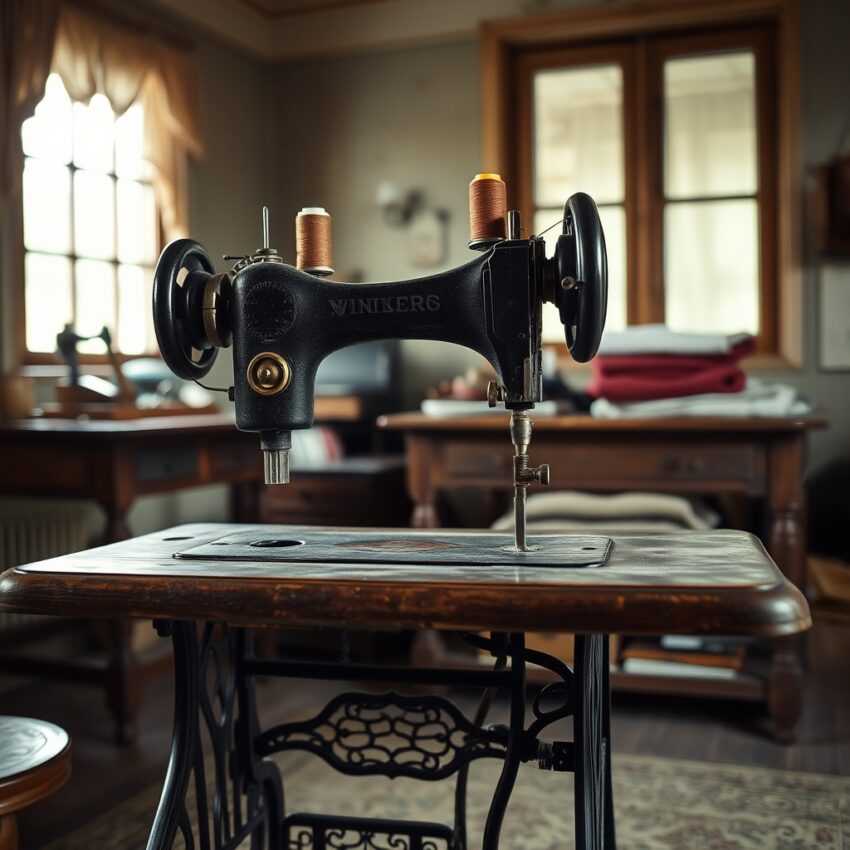
Koleksiyon dünyasında eski dikiş makinesi ayağının ayrı bir çekim gücü olmasının bir nedeni de estetik dayanıklılığıdır. Dökme demirin ağırlığı, kıvrımlı ayak formu, zamanla matlaşıp yer yer parlayan yüzeyi, bugünün seri üretim nesnelerinde kolay bulunmayan bir karakter taşır. Üstelik bu estetik, süsten değil kullanımdan doğar. Tozlu bir antikacı köşesinde görülen pedal bir anda geçmişe açılan kapı gibi görünür; çünkü üzerinde hem el işçiliğinin asaleti hem ev içi emeğin sessiz onuru vardır. Nostalji meraklısı tam da bu yüzden o objeye yalnız “eski” olduğu için bakmaz; yaşanmışlık taşıdığı için yaklaşır.
Geçmişi iz süren koleksiyonerlerin gözünde dikiş makinesi ayağının hemen parlaması, bir nesnenin ne kadar çok hayat taşıyabildiğini hatırlatır. O pedal yalnız kumaşı ilerletmedi; aile bütçesine katkıyı, komşuya yapılan küçük yardımları, bayram öncesi yetiştirilen elbiseleri ve ev içindeki üretim gururunu da taşıdı. Bugün onu bir köşede gördüğümüzde içimizin ısınması biraz da bu yüzdendir. Çünkü bazı objeler yalnız geçmişi temsil etmez; geçmişin nasıl yaşandığını, nasıl emek verildiğini ve nasıl özen gösterildiğini sessizce anlatır.
🇬🇧 English | The Sewing Machine Pedal and the Past Tracked by Collectors: Why Does It Shine at Once in the Eyes of Nostalgia Enthusiasts?
One of the quietest yet most steadily working corners of an old house was often the place where the sewing machine stood. A wall near the window, a wooden table, drawers holding buttons and needles, pattern marks drawn with tailor’s soap; and below all of it, the metal pedal that many children first mistook for part of a toy cabinet until they saw the machine come alive under a practiced foot. On its own, a sewing machine pedal may seem like an ordinary component. Yet when one looks carefully at the domestic rhythm of the past, it becomes an object that carried not only fabric, but time itself forward. It is no accident that collectors pursuing old sewing machines focus so intently on this part. On the pedal they find not only wear, but the shine of everyday labor from another era.
As an object story, the sewing machine pedal is one of the most honest meetings of design and function. Before electric motors became common, household machines were largely foot-operated, which meant that rhythm passed directly from the body into the mechanism. The pedal was therefore more than a piece of hardware. It was the living mediator that translated human tempo into the machine’s motion. Hemming skirts, sewing curtains, adjusting collars, preparing dowry pieces, all of these tasks filled rooms with its repetitive beat. The steady tak-tak sound became for many children one of the reassuring background noises of home. Today collectors may admire a machine’s brand, ornamental casting, or metalwork, but they also study the pedal’s worn surface with particular care, because there they find the clearest proof that the object belonged to life rather than display.
What makes this part shine immediately in the eyes of nostalgia lovers lies not only in how it looks, but in the scenes it calls back. A pedal summons baskets filled with fabric scraps, an aunt measuring cloth with a ruler, a grandmother bending over lace, or the rush of getting holiday clothes finished in time. Children secretly pushed the treadle when the machine was empty just to hear its sound, while adults smiled and warned them not to tangle the thread. The memory of the pedal therefore belongs not only to sewing, but also to household discipline, handcraft, thrift, and care. In old city life, clothes were not quickly discarded. Tears were mended, hems were adjusted, fabric was reused for another purpose. The pedal stands as a concrete form of that continuity.
Part of its attraction in the world of collecting also comes from aesthetic endurance. The weight of cast iron, the curved form of the base, the surface that has dulled in some places and shone in others carry a character rarely found in mass-produced objects today. More importantly, that beauty comes not from decoration alone, but from use. In the dusty corner of an antique shop, the sight of such a pedal can feel like a doorway opening into the past, because it holds both the dignity of craftsmanship and the quiet honor of domestic labor. Nostalgia enthusiasts do not approach it merely because it is old. They approach it because it has been lived with.
The fact that the sewing machine pedal shines so quickly in the eyes of collectors following the traces of the past reminds us how much life one object can carry. It moved more than cloth. It carried small contributions to a household budget, favors done for neighbors, dresses finished before holidays, and the pride of making something at home. If it still warms us when we encounter it today, that is why. Some objects do not merely represent the past. They quietly explain how that past was lived, how work was done, and how care was given.
🇧🇷 Português (Brasil) | O Pedal da Máquina de Costura e o Passado Seguido pelos Colecionadores: Por que Ele Brilha Imediatamente aos Olhos dos Apaixonados por Nostalgia?
Um dos cantos mais silenciosos e ao mesmo tempo mais constantes da casa antiga costumava ser o lugar da máquina de costura. Uma parede perto da janela, a mesa de madeira, gavetas com botões e agulhas, marcas de molde feitas com sabão de alfaiate. E embaixo de tudo isso, o pedal metálico que muitas crianças primeiro tomavam por parte de um móvel qualquer até descobrirem, com espanto, que era ele quem fazia a máquina ganhar vida. Visto sozinho, o pedal pode parecer apenas uma peça comum. Mas, quando se observa com atenção o ritmo doméstico do passado, ele se revela como algo que movia não apenas o tecido, mas o próprio tempo. Não é por acaso que colecionadores de máquinas antigas prestam tanta atenção justamente a essa parte. No pedal aparece não só o desgaste, mas o brilho do trabalho cotidiano de outra época.
Como história de objeto, o pedal da máquina de costura é um dos encontros mais honestos entre desenho e função. Antes de os motores elétricos se tornarem comuns, as máquinas domésticas eram em grande parte acionadas pelos pés, o que fazia o ritmo passar diretamente do corpo para o mecanismo. Por isso, o pedal era mais do que uma peça mecânica. Era o mediador vivo que transformava o compasso humano em movimento. Fazer barras, costurar cortinas, ajustar golas, preparar enxovais; tudo isso enchia a casa com sua batida repetida. O som regular do pedal virou, para muitas crianças, um dos ruídos mais seguros do lar. Hoje os colecionadores observam a marca, os detalhes do ferro fundido e os ornamentos, mas também procuram com atenção a superfície gasta do pedal, porque ali está a prova mais forte de que o objeto pertenceu à vida e não apenas à vitrine.
O que faz esse pedal brilhar tão rapidamente aos olhos de quem ama nostalgia não está só na aparência, mas nas cenas que ele convoca. Basta vê-lo para imaginar cestos cheios de retalhos, uma tia medindo tecido com régua, uma avó inclinada sobre a renda ou a correria de terminar roupa antes de um feriado. As crianças tentavam girar o pedal escondidas quando a máquina estava parada, só para ouvir o som; os adultos sorriam e pediam cuidado para não embolar a linha. A memória do pedal, portanto, não fala apenas de costura, mas também de disciplina doméstica, trabalho manual, economia e zelo. Na antiga vida urbana, uma roupa não era descartada com pressa. Rasgos eram consertados, barras eram refeitas, tecidos ganhavam outro uso. O pedal materializa essa continuidade.
Parte do fascínio que ele exerce no universo do colecionismo vem também de sua resistência estética. O peso do ferro fundido, as curvas da base, a superfície que ficou opaca em alguns pontos e brilhante em outros carregam um caráter difícil de encontrar nos objetos seriados de hoje. E essa beleza nasce do uso, não apenas do ornamento. Num canto empoeirado de antiquário, o pedal pode parecer uma porta aberta para o passado, porque reúne a nobreza do trabalho artesanal e a honra silenciosa do esforço doméstico. Quem ama nostalgia não se aproxima dele apenas porque é antigo. Aproxima-se porque ele traz vida vivida.
O fato de o pedal da máquina de costura brilhar tão depressa aos olhos de colecionadores que seguem os rastros do passado lembra quanta vida pode caber num único objeto. Ele moveu mais do que pano. Levou pequenas contribuições ao orçamento da casa, favores feitos para vizinhos, vestidos terminados antes das festas e o orgulho de produzir algo dentro do próprio lar. Se ainda hoje ele nos aquece quando o encontramos, a razão está aí. Certos objetos não representam apenas o passado. Eles explicam em silêncio como aquele passado foi vivido, como o trabalho foi feito e como o cuidado foi oferecido.