🇹🇷 Türkçe | tarçınlı ayva tatlısı sofraya geldiğinde neden bütün ev aynı kokuyla dolardı uzayan ikindi gölgelerinde gündüzden geceye uzanan ritimle
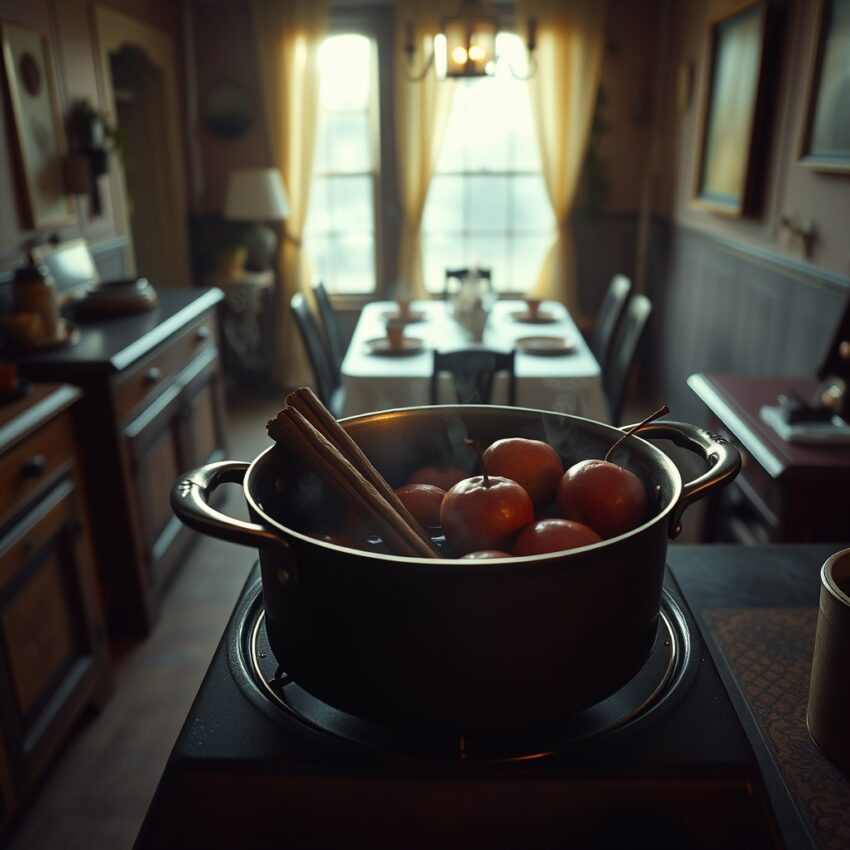
Bazı tatlılar yalnız yenmez, daha pişerken bütün evi kendi zamanı içine alır. Tarçınlı ayva tatlısı da onlardan biriydi. İkindinin gölgesi mutfak duvarına uzarken ocaktaki tencereden yükselen ağır ve sıcak koku, odalar arasında dolaşır; salondaki örtüye, antredeki askılığa, hatta açık duran kitap sayfalarına kadar sinerdi. Ayvalar yavaş yavaş renk alırken şerbet koyulaşır, tarçın kabuğu bu buhara eski kış akşamlarını hatırlatan bir derinlik verirdi. Tatlı daha sofraya gelmeden ev halkı onun hazırlandığını bilir, evde görünmez bir bekleyiş başlardı. Birinin “kokusu buraya kadar geldi” demesiyle mutfakla salon arasındaki mesafe kısalır, gündüzden geceye uzanan ritim aynı tencerede ağır ağır bağlanırdı.
Damak Hafızası açısından ayva tatlısı, mevsim ile ev içi düzen arasındaki ilişkinin en zarif örneklerinden biridir. Sonbahar ve kış aylarında tezgâhlarda görülen iri, sert ayvalar çoğu evde aceleyle değil sabırla değerlendirilirdi. Kimi tarifte içine karanfil eklenir, kimi evde üzeri kaymakla tamamlanır, kimi ailede rengi daha koyu olsun diye pancar ya da vişne suyu kullanılırdı. Ama tarçın, çoğu zaman ortak hafızanın ana kokusu olarak öne çıkardı. Çünkü tarçın yalnız lezzet vermez; evin havasını da değiştirirdi. Mutfakta pişen tatlı, aynı anda soba başında oturanı, ödev yapan çocuğu, örgü ören anneyi ve pencere önünde gazeteye bakan babayı aynı koku çizgisinde buluştururdu. Böylece bir tatlı, yalnız mutfak işi olmaktan çıkıp evin ortak duygusuna dönüşürdü.
Bu kokunun bütün evi doldurması biraz da pişirme biçiminden kaynaklanırdı. Ayva tatlısı yüksek ateşte aceleye gelmez; tencerede ağır ağır yumuşar, şerbeti içine çektikçe kokusunu da çoğaltırdı. O sırada kapak aralandığında çıkan sıcak buhar, evin içindeki bütün eşyalara ince bir iz bırakırdı. Çocuklar mutfağa uğrayıp kaşığın ucuyla şerbet tadına bakmak ister, büyükler “akşama kalsın” diyerek sabrı öğretirdi. Sofra kurulduğunda tatlı çoğu zaman yemeğin sonunu bekleyen sade ama görkemli bir kapanış gibiydi. Üstündeki ceviz ya da kaymak, yanında çayın buğusu ve pencerede derinleşen akşamla birlikte ayva tatlısı, günün sonuna sakin bir sevinç eklerdi.
Bugün pek çok tatlı buzdolabından çıkıp dakikalar içinde servis ediliyor olabilir; ama ayva tatlısının hatırası hâlâ başka türlü yaşıyor. Çünkü o tatlı, hazırlanışıyla evde zaman kurardı. Kokusu erken gelir, sabrı uzatır, sofrayı bekleyenleri aynı beklentide toplardı. Uzayan ikindi gölgelerinin bu anlatıda yer etmesi de bundandır. Gün ışığı çekilirken mutfaktan yayılan tarçın kokusu, akşamın başladığını en zarif biçimde haber verirdi. Dışarıda hava soğurken içeride şerbet koyulaşır, ev kendi iç sıcaklığını yavaş yavaş oluştururdu.
Tarçınlı ayva tatlısı sofraya geldiğinde bütün evin aynı kokuyla dolmasının nedeni yalnız tarif değildir; yaşam biçimidir. O tatlı, mevsime saygıyı, ağır pişen şeylere ayrılan zamanı ve ortak sofranın bekleme zevkini taşır. Bu yüzden bugün bir yerde ayva ve tarçın kokusu bir araya geldiğinde çoğu insanın zihninde yalnız bir tat değil, bir ev hâli canlanır. Çünkü bazı lezzetler damağa gelmeden önce hafızaya yerleşir.
🇬🇧 English | Why Did the Whole House Fill with the Same Scent When Cinnamon Quince Dessert Reached the Table, with a Rhythm Stretching from Day into Night Through Lengthening Afternoon Shadows
Some desserts are not merely eaten; while they are still cooking, they gather the whole house into their own sense of time. Cinnamon quince dessert was one of them. As afternoon shadows lengthened along the kitchen wall, the warm, slow aroma rising from the pot drifted through the rooms, settling on the tablecloth in the living room, the coat stand in the hallway, even the open pages of a book. As the quinces gradually deepened in color, the syrup thickened, and the cinnamon stick added a layer that seemed to carry older winter evenings inside it. Long before the dessert reached the table, everyone in the house knew it was underway, and a quiet anticipation began. The moment someone said, “I can smell it all the way here,” the distance between kitchen and living room shortened, and the rhythm stretching from day toward night tied itself together inside the same pot.
As a matter of taste memory, quince dessert offers one of the most graceful examples of the bond between season and domestic order. The large, firm quinces that appeared in markets through autumn and winter were treated in many homes not with speed, but with patience. Some recipes added cloves, some homes served the dessert with thick cream, and some families used beet or sour cherry juice to deepen the color. Yet cinnamon often stood at the center of shared memory. It did more than flavor the fruit; it altered the air of the house. The dessert cooking in the kitchen gathered into the same aromatic line the person sitting by the stove, the child doing homework, the mother knitting, and the father reading the newspaper by the window. In that way, a dessert ceased to be only kitchen work and became part of the household’s common emotional climate.
The fact that the scent filled the entire house also came from the way the dish was prepared. Quince dessert was never rushed over high heat. It softened gradually in the pot, and as it absorbed the syrup, it released more of its fragrance. Each time the lid lifted, warm steam escaped and left a delicate trace on everything indoors. Children wandered into the kitchen hoping to taste a little syrup from the tip of a spoon, while adults answered, “wait until evening,” turning patience into a lesson. Once the table was set, the dessert often felt like a simple yet dignified ending held in reserve until the meal was done. With walnuts or cream on top, tea steaming nearby, and night thickening at the window, quince dessert placed a calm joy at the end of the day.
Today many sweets are chilled, unwrapped, and served within minutes. Yet the memory of quince dessert survives differently. It created time inside the house through the very act of being prepared. Its scent arrived early, extended waiting, and gathered those who expected the meal into a shared anticipation. That is why lengthening afternoon shadows belong so naturally to this story. As daylight withdrew, the smell of cinnamon from the kitchen announced evening in the gentlest possible way. While the air cooled outside, the syrup thickened indoors, and the house slowly built its own warmth.
The reason the whole house filled with the same scent when cinnamon quince dessert reached the table lies not only in the recipe, but in a way of living. The dish carried respect for season, time given to slow cooking, and the pleasure of waiting together for a common table. That is why, when quince and cinnamon meet somewhere today, many people feel not only a flavor returning, but a household state of mind. Some tastes settle into memory before they ever reach the tongue.
🇧🇷 Português (Brasil) | Por que a Casa Inteira se Enchia do Mesmo Aroma Quando a Sobremesa de Marmelo com Canela Chegava à Mesa, com um Ritmo que Ia do Dia à Noite nas Longas Sombras da Tarde
Algumas sobremesas não são apenas comidas; enquanto ainda cozinham, elas reúnem a casa inteira dentro do próprio tempo. A sobremesa de marmelo com canela era uma delas. Quando as sombras da tarde se estendiam pela parede da cozinha, o aroma quente e lento que saía da panela percorria os cômodos, pousando na toalha da sala, no cabide do corredor e até nas páginas abertas de um livro. À medida que os marmelos ganhavam cor, a calda engrossava, e o pau de canela dava ao vapor uma profundidade que parecia trazer junto antigas noites de inverno. Muito antes de a sobremesa chegar à mesa, todos na casa sabiam que ela estava a caminho, e uma expectativa silenciosa começava. Quando alguém dizia “o cheiro já chegou até aqui”, a distância entre cozinha e sala diminuía, e o ritmo que ia do dia até a noite se amarrava dentro da mesma panela.
Como memória de sabor, a sobremesa de marmelo é um dos exemplos mais delicados da relação entre estação e ordem doméstica. Os marmelos grandes e firmes que apareciam nas feiras de outono e inverno eram tratados em muitas casas não com pressa, mas com paciência. Algumas receitas levavam cravo, em outras a sobremesa era servida com nata, e certas famílias usavam beterraba ou suco de cereja azeda para intensificar a cor. Ainda assim, a canela costumava ocupar o centro da lembrança coletiva. Ela fazia mais do que dar gosto à fruta; transformava o ar da casa. A sobremesa na cozinha reunia na mesma linha de aroma quem estava perto do fogão, a criança fazendo lição, a mãe tricotando e o pai lendo jornal junto à janela. Assim, algo que parecia apenas trabalho de cozinha se convertia em parte do clima afetivo da casa.
O fato de esse aroma encher a casa inteira também tinha a ver com o modo de preparo. A sobremesa de marmelo não aceitava fogo apressado. Ia amolecendo devagar na panela e, à medida que absorvia a calda, espalhava ainda mais perfume. Sempre que a tampa era levantada, o vapor quente escapava e deixava um rastro suave nos objetos ao redor. As crianças apareciam na cozinha querendo provar um pouco de calda na ponta da colher, enquanto os adultos respondiam “deixa para a noite”, ensinando paciência. Quando a mesa era posta, a sobremesa surgia como um encerramento simples e elegante, guardado para depois da refeição. Com nozes ou nata por cima, chá soltando vapor ao lado e a noite engrossando na janela, o marmelo com canela colocava uma alegria calma no fim do dia.
Hoje muitas sobremesas saem da geladeira e são servidas em poucos minutos. Mas a lembrança da sobremesa de marmelo continua viva de outro modo. Ela criava tempo dentro da casa por meio do próprio preparo. Seu cheiro chegava antes, prolongava a espera e reunia as pessoas numa expectativa comum. É por isso que as longas sombras da tarde pertencem tão bem a essa narrativa. Quando a luz começava a recuar, o perfume de canela vindo da cozinha anunciava a chegada da noite da forma mais delicada possível. Enquanto o ar esfriava do lado de fora, a calda engrossava dentro de casa, e o lar construía devagar o próprio calor.
O motivo de a casa inteira se encher do mesmo aroma quando a sobremesa de marmelo com canela chegava à mesa não está apenas na receita, mas num modo de viver. Esse doce carregava respeito pela estação, tempo dedicado ao cozimento lento e o prazer de esperar juntos por uma mesa compartilhada. Por isso, quando marmelo e canela se encontram em algum lugar hoje, muita gente sente não só um sabor voltando, mas um estado de casa ressurgindo. Há gostos que se instalam primeiro na memória e só depois na boca.