🇹🇷 Türkçe | Serin İkindi Peronlarında Biriken Gurbet: Terminalin Şehir Hafızasına Yazdığı Sessiz Defter
İkindi serinliği, eski şehirlerde saate bakmadan hissedilen bir şeydi. Güneş duvarlardan yavaşça çekilir, kaldırım taşlarının ısısı azalır, terminale giden sokaklarda valizlerin teker sesi duyulurdu. Otobüs terminalleri o yıllarda yalnız bir ulaşım noktası değildi; ailelerin içini aynı anda hem daraltan hem genişleten bir eşikti. Çocuk, koltuğun altına sıkıştırılmış yol çantasını merakla kurcalar; anne, son kez atkıyı düzeltir; baba, cebindeki biletin saatini birkaç kez kontrol ederdi. Peronun kenarında biriken bu küçük hareketler, bir kuşağın duygusal terbiyesini biçimlendirdi.
1970’lerden 90’lara uzanan iç göç dalgasında terminal, köyden kente, küçük kentten büyük şehre açılan kapıydı. Üniversite için giden gençler, mevsimlik iş için yola çıkan babalar, fabrikaya yeni giren ağabeyler, hastanede refakat için çağrılan akrabalar aynı banklarda yan yana beklerdi. Her yolculuk bir evin düzenini değiştirir, her dönüş mutfaktaki sofrayı yeniden kurardı. Bu yüzden terminal kültürü, yalnız taşınmanın lojistiği değil, toplumsal dönüşümün gündelik diliydi. Şehirler birbirine yollarla değil, vedalarda söylenemeyen cümlelerle bağlanıyordu.
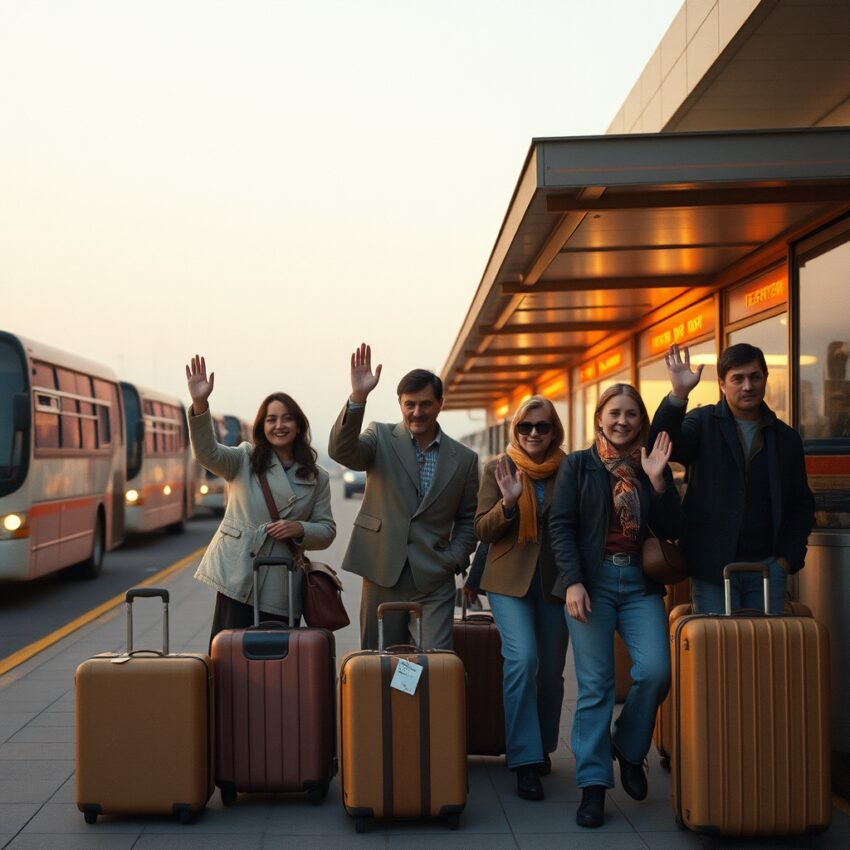
O dönemin ayrıntıları bugün daha da kıymetli görünüyor. Elde taşınan karton bavullar, bagaja yazılan tebeşirli numaralar, biletçinin camı arkasından duyulan boğuk anonslar, büfeden alınan sade gazoz ve kaşarlı tost kokusu… Bir de hep aynı ritüel: “Yolun açık olsun” cümlesinin ardından sessizce uzatılan küçük bir poşet. İçinde ev kurabiyesi, mendil, belki bir mektup. Terminalde beklemek, yalnız otobüs saatini değil, insanın kendini tutma süresini de ölçerdi. Gözler dolsa da herkes güçlü görünmeye çalışır, otobüs hareket edince el sallama daha da hızlanırdı.
Serinleyen ikindilerde terminal, şehir belleğinin kamusal salonuna dönüşürdü. Mahalle bakkalıyla öğretmen, terziyle memur, aynı peronda aynı anonsa kulak kesilirdi. Bekleme hâli insanlar arasında görünmez bir eşitlik kurardı; herkes birini uğurlayan ya da birini bekleyen kişiye dönüşürdü. Bu ortaklık, şehirde aidiyet duygusunu güçlendirirdi. Terminal çevresindeki çayhaneler, simitçiler, emanetçiler, taksi durakları da bu ritmin parçasıydı. Kent ekonomisinin küçük halkaları, gurbet hikâyeleriyle dönüyor; herkes birbirinin yoluna dolaylı biçimde dokunuyordu.
Bugün dijital biletler, hızlı otobanlar ve sessiz bekleme alanları var. Ama o yılların terminal hafızasında kalan şey, teknoloji değil insan sıcaklığı. Serin ikindide omuza bırakılan hırka, cam kenarına yerleştirilen baş, perondan taşan dualar ve “varınca haber ver” cümlesi. Bir şehrin kültürel belleği bazen anıtlarda değil, otobüs camına yansıyan el izlerinde yaşar. Gurbeti çoğaltan terminaller aynı zamanda dayanışmayı da çoğalttı; şehir olmanın ne demek olduğunu, birlikte uğurlayıp birlikte bekleyerek öğretti.
Bu hafızanın önemli bir yönü de terminal dilinin kuşaktan kuşağa aktarılmasıydı. Çocuklar büyüklerini izleyerek yolcu uğurlamanın adabını öğrenirdi: önce valizi taşımak, sonra camdan göz teması kurmak, araç hareket ederken koşmadan el sallamak. Şehir dışına giden her kişi, geride kalanlar için ortak bir temsilciye dönüşürdü. Böylece terminal, bireysel yolculukları toplumsal bir hikâyeye bağlayan canlı bir okul gibi çalışırdı.
🇬🇧 English | Exile at the Cool Afternoon Platform: The Quiet Ledger Bus Terminals Wrote into Urban Memory
In older city life, the coolness of late afternoon was felt before it was read on a clock. Sunlight withdrew from facades, stone pavements lost their heat, and the wheels of suitcases echoed on streets leading to the terminal. In those decades, bus terminals were more than transport points; they were thresholds that tightened and widened a family’s heart at the same time. A child checked the travel bag tucked under the seat, a mother straightened a scarf one last time, a father verified the departure hour in his pocket ticket again and again. These small gestures at the edge of the platform shaped the emotional discipline of a generation.
From the 1970s to the 1990s, when internal migration accelerated, the terminal became a gate from village to city and from small city to metropolis. Students leaving for university, fathers traveling for seasonal work, brothers starting factory shifts, relatives called for hospital care all waited on the same benches. Every departure rearranged life at home; every return rebuilt the table in the kitchen. Terminal culture was therefore not only logistics of movement but a daily language of social transformation. Cities connected not just by roads, but by sentences left unfinished during farewells.
The details of that era now feel even more precious: cardboard suitcases carried by hand, chalk numbers written on luggage compartments, muffled announcements behind a ticket window, the smell of toast and plain soda from the kiosk. And always the same ritual: after “Have a safe trip,” a small bag passed quietly from hand to hand. Inside might be homemade cookies, a handkerchief, perhaps a short letter. Waiting at the terminal measured more than departure time; it measured how long someone could hold composure. Even with wet eyes, everyone tried to look steady, and once the bus moved, waving hands moved faster.
In cooling afternoons, the terminal became a public living room of urban memory. Shopkeepers, teachers, tailors, clerks stood under the same loudspeaker and listened for the same route call. Waiting created an invisible equality: everyone turned into someone sending off or someone waiting to receive. That shared condition strengthened belonging in the city. Tea houses, simit stalls, left-luggage counters, taxi stops around the terminal were part of the same rhythm. Small circles of local economy rotated with migration stories, and people touched each other’s journeys indirectly.
Today there are digital tickets, smoother highways, quieter waiting halls. Yet what remains from those terminal years is not technology but human warmth: a cardigan placed on shoulders in the cool air, a head resting by the bus window, prayers rising from the platform, the simple phrase “let us know when you arrive.” A city’s cultural memory often lives not in monuments but in palm prints reflected on bus glass. Terminals that multiplied stories of distance also multiplied solidarity, teaching what it means to become a city by sending off together and waiting together.
🇧🇷 Português (Brasil) | Exílio nas Tardes Frias da Rodoviária: O Caderno Silencioso que os Terminais Escreveram na Memória da Cidade
Nas cidades de antigamente, o frescor da tarde chegava antes do relógio anunciar. O sol saía devagar das fachadas, o piso perdia calor, e o som das malas com rodinha tomava as ruas que levavam à rodoviária. Naqueles anos, o terminal não era só ponto de partida: era uma fronteira afetiva que apertava e aquecia o coração da família ao mesmo tempo. A criança mexia na bolsa guardada sob o assento, a mãe ajeitava o cachecol pela última vez, o pai conferia repetidamente o horário no bilhete. Esses gestos miúdos, repetidos na beira da plataforma, moldaram a educação emocional de uma geração.
Entre as décadas de 1970 e 1990, com o crescimento da migração interna, a rodoviária virou porta de passagem entre interior e metrópole. Jovens indo para a universidade, pais em busca de trabalho sazonal, irmãos entrando na fábrica, parentes chamados para acompanhar internações: todos esperavam nos mesmos bancos. Cada viagem mudava a rotina da casa; cada volta reorganizava a mesa da cozinha. Por isso, a cultura do terminal não era apenas deslocamento: era uma linguagem cotidiana de transformação social. As cidades se conectavam não só por estradas, mas por frases interrompidas na hora da despedida.
Hoje, os detalhes daquele período parecem ainda mais valiosos. Malas de papelão levadas na mão, números de bagagem escritos a giz, anúncios abafados atrás do vidro da bilheteria, cheiro de tostado e refrigerante simples no quiosque. E havia o ritual inevitável: depois de “vai com Deus”, alguém passava um saquinho discreto. Dentro, biscoito caseiro, um lenço, às vezes uma carta curta. Esperar na rodoviária media mais que o horário do ônibus; media o tempo que cada um conseguia segurar as emoções. Mesmo com os olhos cheios, todos tentavam parecer firmes, e quando o ônibus arrancava, os acenos ficavam mais rápidos.
Nas tardes que esfriavam, o terminal virava uma sala pública da memória urbana. Dono de mercearia, professora, costureira, funcionário público: todos escutavam o mesmo alto-falante. A espera criava uma igualdade invisível, porque todos eram alguém se despedindo ou aguardando reencontro. Esse estado comum fortalecia o sentimento de pertencimento. Casas de chá, bancas de simit, guarda-volumes e pontos de táxi ao redor participavam do mesmo compasso. Pequenos círculos da economia local giravam junto com as histórias de migração, e cada pessoa tocava o caminho da outra sem perceber.
Hoje existem bilhetes digitais, rodovias velozes e salas silenciosas. Mas o que ficou da memória dos terminais não foi a técnica, e sim o calor humano: o cardigã sobre os ombros na tarde fria, a cabeça apoiada na janela, as preces ditas baixinho, o pedido “avisa quando chegar”. A memória cultural de uma cidade muitas vezes não mora em monumentos, mas em marcas de mãos no vidro do ônibus. Os terminais que multiplicaram histórias de distância também multiplicaram solidariedade, ensinando que virar cidade é aprender a despedir e a esperar em conjunto.