🇹🇷 Türkçe | Okul Dönüşü Sofrası ve Tavşan Kanı Dem: Aile Tariflerinde Ayrıcalıklı Bir Tat Hafızası
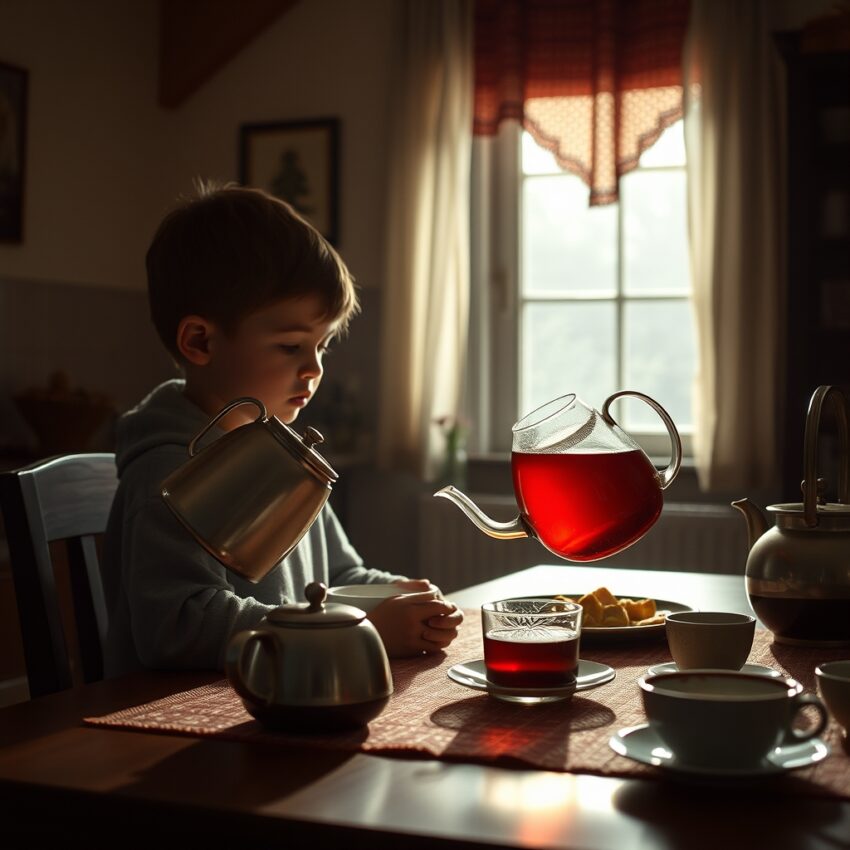
Eski evlerde okuldan dönüş saati, mutfakla salon arasında görünmeyen bir alarm gibi işlerdi. Kapı zili çaldığında ayakkabıların koridordaki sesi, hemen ardından mutfaktan yükselen çay buharına karışırdı. Çocuk için günün en güvenli anı çoğu zaman buydu: çantasını bırakır bırakmaz tabağa uzanan ilk kaşık ve demlikten ince belli bardağa süzülen tavşan kanı çay. Bu ikili, sadece açlığı gideren bir ara öğün değildi; evin şefkat ritmini her gün yeniden kuran bir aile töreniydi.
“Tavşan kanı” ifadesi, çayın yalnız rengini değil kıvamını, sabrını ve ustalığını anlatır. Su kaynadıktan sonra demlik oranı iyi ayarlanır, yaprak çayın bekleme süresi aceleye getirilmez, ocak ateşi dengede tutulurdu. Pek çok evde bu dengeyi kuran kişi annedir; bazı evlerde dede ya da babaanne dem işinin sorumlusudur. Kim demlerse demlesin, iyi çayın ölçüsü kuşaktan kuşağa sözlü tarifle aktarılır: “Suyu öldürme”, “demi boğma”, “bardakta rengi görmeden servis etme.” Bu cümleler mutfak bilgisinin kısa ama güçlü kodlarıdır.
Okul dönüşü tabağa uzanan ilk kaşık ise çoğu kez günün en tanıdık yemeğine giderdi: salçalı makarna, mercimek çorbası, patatesli börek ya da dünden kalan zeytinyağlı. Burada değer, menünün gösterişinde değil zamanlamanın sıcaklığındadır. Çocuk eve geldiğinde sofra hazırsa, bu “bekleniyordun” demenin en somut halidir. Aile tarifleri tam bu yüzden sadece malzeme listesi değildir; doğru saatte hazır olma, doğru ısıda sunma ve doğru cümleyle karşılama bilgisidir.
Bu alışkanlığın özel bir yere sahip olmasının bir nedeni de gündelik yorgunluğu yumuşatmasıdır. Okul kalabalığından, sokak gürültüsünden, ödev telaşından çıkan çocuk için mutfakta karşılaşılan tanıdık koku sinir sistemini sakinleştirir. Demlikten yayılan çay kokusu ile tabağın buharı, “evdeyim” duygusunu hızla kurar. Bugün psikoloji dilinde “duyusal güven” diye tarif edilebilecek bu hal, o dönemde herkesin bildiği ama teoriye dökmediği bir aile pratiğiydi.
Damak hafızası açısından tavşan kanı çayın önemi, tek başına içecek olmasından değil eşlik ettiği anlardan gelir. Çayın yanında açılan gün sohbeti, “bugün okul nasıldı?” sorusu, komşudan gelen tabak iadesi, radyoda çalan hafif müzik, hepsi birlikte bir tat çerçevesi oluşturur. Yıllar sonra aynı renkte çay görüldüğünde hatırlanan sadece lezzet değil, o sohbetin sesi ve o evin ışığıdır. Bellek, tadı tek başına kaydetmez; bağlamıyla birlikte saklar.
Aile tarifleri içinde bu ikilinin ayrıcalıklı konumunu belirleyen son unsur sürekliliktir. Bayram sofrası yılda birkaç kez kurulur; okul dönüşü sofrası ise neredeyse her gün tekrar eder. Sık tekrar edilen ritüeller, kimlik duygusunu daha derin işler. Çocuk büyüyüp başka şehre gitse bile çay demlerken aynı rengi arar, makarnaya aynı salça kokusunu vermeye çalışır. Demek ki tarif aktarımı sadece damakta değil davranışta da sürer.
Bu nedenle okul dönüşü tabağa uzanan ilk kaşık ile demlikten yayılan tavşan kanı çay, aile kültüründe özel bir yerde durur. O an, beslenme eylemini aşarak aidiyet, bakım ve süreklilik duygusunu taşır. Nostalji burada geçmişe dönük romantik bir bakış değil; gündelik sofraların bir kuşağa nasıl psikolojik ve kültürel dayanıklılık kazandırdığını anlama çabasıdır.
🇬🇧 English | After-School Spoon and Deep-Brewed Tea: A Special Taste Memory in Family Recipes
In old homes, after-school hour worked like an invisible alarm between kitchen and living room. The doorbell rang, shoes tapped through the hallway, and steam from the kettle seemed to meet those sounds halfway. For many children, this was the safest moment of the day: the first spoon reaching the plate, and rabbit-blood-red tea poured into a thin glass from the teapot. This pairing was more than a snack. It was a daily domestic ritual that reset care and belonging.
The phrase “rabbit-blood red” describes more than tea color; it signals density, patience, and skill. After water boiled, tea ratio had to be balanced, steeping time could not be rushed, and heat had to remain controlled. In many households, the mother handled this balance; in others, a grandfather or grandmother managed the brew. Whoever prepared it, rules were transmitted orally: “don’t kill the water,” “don’t suffocate the tea,” “check the color before serving.” These short lines were compact codes of culinary knowledge.
The first after-school spoon usually reached familiar foods: tomato-paste pasta, lentil soup, potato pastry, or olive-oil leftovers from yesterday. Value here came not from menu luxury but from timing warmth. When food was ready upon arrival, it meant, in concrete form, “you were expected.” Family recipes are therefore not only ingredient lists; they are knowledge of being ready at the right hour, serving at the right temperature, and welcoming with the right sentence.
One reason this habit holds special status is its ability to soften daily fatigue. For children leaving school noise, street traffic, and homework pressure, familiar kitchen smells regulated the nervous system. The scent of tea from the pot and steam from the plate quickly built the feeling: “I am home.” What psychology might now call sensory safety was then a practical household norm understood without theory.
In palate memory, the importance of deep-brewed tea comes not from being a beverage alone, but from moments accompanying it. The day’s conversation, the question “how was school?”, a returned dish from a neighbor, soft radio music all framed the taste. Years later, seeing the same tea color recalls not only flavor but the room’s light and conversation tone. Memory does not archive taste in isolation; it stores context with it.
A final reason this pair holds a privileged place in family recipes is continuity. Holiday meals happen a few times a year, but after-school table rituals repeat almost daily. Repeated rituals shape identity more deeply. Even when children grow up and move away, they search for the same tea tone and try to recreate the same tomato-paste aroma in pasta. Recipe transmission, then, continues not only on the tongue but in behavior.
That is why the first spoon after school and the deep-red tea from the kettle stand in a special place in family culture. The moment exceeds nutrition and carries belonging, care, and continuity. Nostalgia here is not sentimental retreat; it is an effort to understand how ordinary tables built psychological and cultural resilience for a generation.
🇧🇷 Português (Brasil) | Colher da Volta da Escola e Cha Bem Forte: Memória de Sabor Especial nas Receitas de Família
Nas casas antigas, o horário da volta da escola funcionava como um alarme invisível entre sala e cozinha. O toque da campainha, o som dos sapatos no corredor e o vapor do bule pareciam se encontrar no mesmo instante. Para muitas crianças, era o momento mais seguro do dia: a primeira colher no prato e o chá forte, de cor intensa, descendo para o copo fino. Esse par não era apenas um lanche de fim de tarde; era um ritual doméstico que renovava cuidado e pertencimento.
A expressão do chá “bem forte” não fala só de cor, mas de textura, paciência e técnica. Depois da água ferver, era preciso acertar a proporção, respeitar o tempo de infusão e manter o fogo equilibrado. Em muitas famílias, a mãe comandava esse ponto; em outras, avô ou avó assumia a função. Quem quer que preparasse, as regras passavam de forma oral: não ferver demais a água, não “afogar” a infusão, observar o tom antes de servir. Eram códigos curtos de um saber culinário profundo.
A primeira colher depois da escola geralmente encontrava comidas conhecidas: macarrão com extrato, sopa de lentilha, torta de batata ou prato do dia anterior. O valor não estava na sofisticação do cardápio, mas no calor da pontualidade. Quando a refeição estava pronta na chegada, a mensagem era clara: “você era esperado”. Por isso, receita de família não é só lista de ingredientes; é saber de tempo, temperatura e acolhimento.
Esse hábito ocupa lugar especial também por aliviar o desgaste cotidiano. Depois do barulho da escola, da rua e das tarefas, o cheiro conhecido da cozinha organizava o corpo novamente. O aroma do chá e o vapor do prato construíam rápido a sensação de “estou em casa”. O que hoje poderia ser chamado de segurança sensorial já era, naquela época, uma prática familiar consolidada.
Na memória gustativa, a importância do chá forte não está isolada na bebida, mas no conjunto de cenas que a acompanha. A conversa sobre o dia, a pergunta “como foi a escola?”, a devolução de um prato da vizinha, o rádio tocando baixo: tudo isso molda a experiência do sabor. Anos depois, ao ver o mesmo tom de chá, a pessoa lembra não só do gosto, mas da luz da cozinha e da voz da família. A memória guarda contexto junto com paladar.
Outro ponto decisivo é a continuidade. Almoço de festa acontece poucas vezes no ano; a mesa da volta da escola se repete quase todos os dias. Rituais frequentes marcam identidade com mais profundidade. Mesmo longe de casa, já adulto, muita gente tenta chegar ao mesmo tom no chá e ao mesmo cheiro no molho. A transmissão da receita, então, vive no comportamento tanto quanto no sabor.
Por isso, a primeira colher da volta da escola e o chá de cor intensa saindo do bule têm lugar especial nas receitas de família. Esse momento ultrapassa nutrição e carrega pertencimento, cuidado e permanência. A nostalgia, aqui, não é fuga do presente; é compreensão de como mesas simples construíram força emocional e cultural em uma geração.