🇹🇷 Türkçe | tatil günlerinin rehavetinde veresiye defterine yazılan güven neden eski mahallelerin en sıcak sahnesiydi
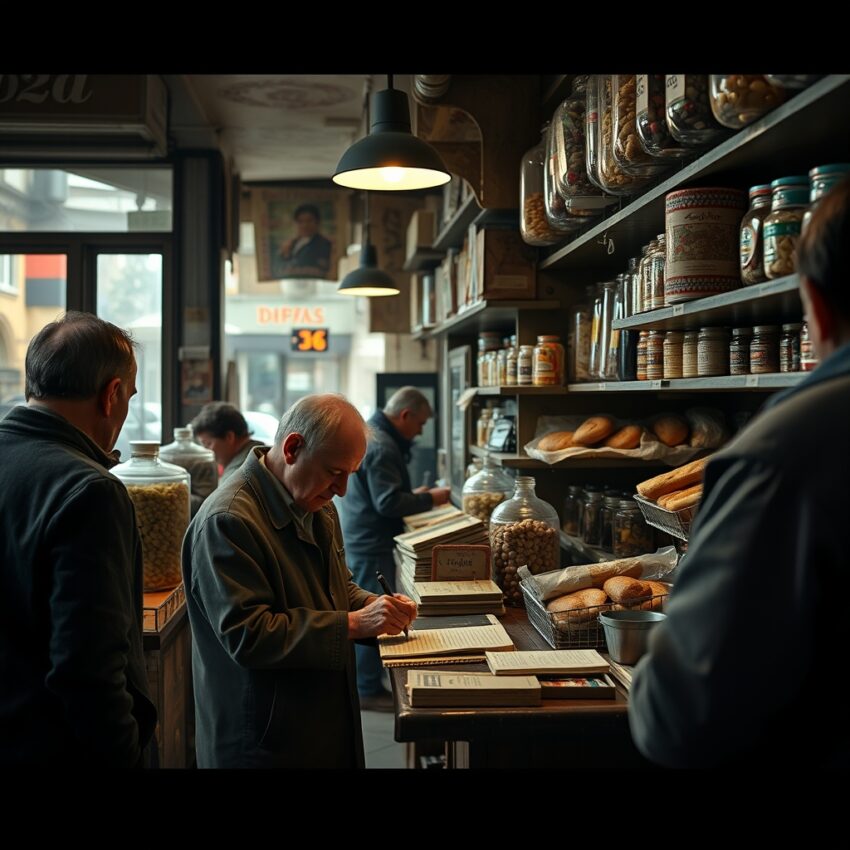
Bir zamanlar mahallenin bakkalında veresiye defteri yalnız borçların tutulduğu bir kayıt değil, insanlar arasındaki güvenin gündelik dile çevrilmiş biçimiydi. Özellikle tatil günlerinde, çarşının daha ağır aktığı saatlerde, dükkânın önündeki gölge biraz daha uzun düşer, içerideki sohbet biraz daha koyulaşırdı. Çocuk bir ekmek almak için gelir, anne kahveyle şekeri sonraya yazdırır, bakkal ise kalemi kulağının arkasından çıkarıp ismi sakince deftere geçirirdi. Bu hareketin içinde ne mahcubiyet ne de sert bir hesap duygusu vardı. Tam tersine, eski mahallelerde veresiye yazmak, birbirini tanımanın, aynı sokağın insanı olmanın ve yarının da bugünkü kadar güvenilir olacağına inanmanın sessiz ifadesiydi.
Mahalle Kültürü içinde veresiye defteri, ekonomik bir pratikten fazlasını anlatır. O defter, esnaf ile müşteri arasındaki ilişkiyi yalnız alışveriş düzeyinde bırakmaz; komşuluk, tanışıklık ve karşılıklı gözetme duygusu ile genişletirdi. Eski mahallelerde dükkânlar, yalnız mal alınan yerler değil, haber duyulan, çocukların adıyla çağrıldığı, hastanın sorulduğu, düğünün konuşulduğu mekânlardı. Bu yüzden veresiye defterine yazılan her satır, aslında bir ekonomik riskten çok toplumsal bağın kaydıydı. Tatil günlerinin rehaveti içinde bu sahne daha da belirginleşirdi. İnsanların acele etmediği, dükkânda birkaç dakika fazla kaldığı, alınan şey kadar konuşmanın da önemsendiği saatlerde güven, en görünür hâline bürünürdü.
Bu sıcaklığın nedeni, defterin maddi değerinden çok taşıdığı insan bilgisidir. Bakkal kimin maaşı ne zaman yatar bilir, hangi evde çocuk sayısı arttı fark eder, kimin misafiri geldiğini alışverişten anlar, kimi de zor durumda bırakmamaya dikkat ederdi. Veresiye yazmak burada mekanik bir hesap tutma işi değil, mahalleyi insan insan tanımanın uzantısıydı. Defterin sararmış sayfaları, yalnız rakamları değil; ekmek kokusunu, bayram öncesi alınan şekeri, çocuklar için yazdırılan gazozu ve bazen söylenmeden yapılan küçük kolaylıkları da saklardı. Eski mahallenin sıcak sahnesi tam da buydu: ekonomik ilişkinin sertleşmeden, insani ölçüsünü koruyarak sürmesi.
Tatil günleri bu kültürü daha görünür kılan özel zamanlardı. Sabah geç açılan kepenkler, sokakta yavaşlayan adımlar, mahallelinin dükkâna uğrayıp yalnız ihtiyaç değil selam da alıp verdiği anlar, veresiye defterinin etrafında küçük bir toplumsal tiyatro kurardı. Çocuklar cam kavanozlardaki şekerlere bakarken büyükler ayaküstü konuşur, bakkal bir yandan tartı yapar bir yandan deftere birkaç satır eklerdi. Kimse bu sahneyi olağanüstü saymazdı; çünkü güven o dönemde gösterişli bir erdem değil, gündelik yaşamın doğal altyapısıydı. Belki de bugün bize bu kadar sıcak görünmesinin nedeni budur. Çünkü modern hayatın sözleşmelerle, uygulamalarla ve dijital kayıtlarla kurmaya çalıştığı güven, o yıllarda çoğu kez yüz yüze bakışla tamamlanıyordu.
Bugün veresiye defterine yazılan o güvene baktığımızda, eski mahallelerin neden daha sıcak hatırlandığını daha iyi anlarız. İnsanlar birbirine yalnız alışveriş için değil, hayatı kolaylaştırmak için de bağlıydı. Deftere geçen her isim, o sokağın toplumsal haritasında yer alan bir yüz demekti. Tatil rehavetinin içinde bakkal dükkânında yaşanan bu küçük sahne, komşuluğun ekonomik tarafını insani ölçüde tutmayı başarabilen bir kültürü anlatır. Eski mahallelerin sıcaklığı biraz da buradan gelir: hesap ile merhametin, ihtiyaç ile haysiyetin aynı sayfada yan yana durabilmesinden. Veresiye defteri bu yüzden bugün bile yalnız geçmişin bir eşyası değil, güvenin yazıyla görünür olduğu bir mahalle hafızasıdır.
🇬🇧 English | Why the Trust Written Into the Credit Ledger in the Ease of Holiday Days Was the Warmest Scene of Old Neighborhoods
There was a time when the credit ledger in the grocer’s shop was not merely a record of debts, but a daily language for the trust between people. Especially on holiday days, when the marketplace moved more slowly, the shade in front of the shop stretched longer and the conversation inside deepened. A child came in to buy bread, a mother asked for coffee and sugar to be written down for later, and the grocer calmly took the pencil from behind his ear and entered the name into the notebook. There was neither humiliation nor the hard feeling of accounting in this gesture. On the contrary, in old neighborhoods having something written on credit was the quiet expression of knowing one another, belonging to the same street, and believing that tomorrow would be as trustworthy as today.
Within neighborhood culture, the credit ledger tells more than an economic practice. It widened the relationship between shopkeeper and customer beyond a simple exchange of goods, tying it to familiarity, neighborliness, and mutual care. In old neighborhoods, shops were not just places where things were bought. They were places where news was heard, children were called by name, illness was asked about, and weddings were discussed. For that reason, every line entered into the ledger recorded not merely financial risk, but social connection. In the ease of holiday days this scene became even clearer. During hours when no one hurried, when people stayed a little longer in the shop, and when conversation mattered as much as what was purchased, trust became visible in its warmest form.
The warmth came less from the notebook’s material form than from the human knowledge it contained. The grocer knew when someone would receive wages, noticed when a household had one more child, understood from the shopping list that guests had arrived, and tried not to leave anyone in difficulty. Writing on credit was therefore not a mechanical act of bookkeeping, but an extension of knowing the neighborhood person by person. The yellowing pages preserved not only numbers, but the smell of bread, the sugar bought before a holiday, the soda written down for children, and the small unspoken accommodations that were sometimes made. That was the warm scene of the old neighborhood: an economic relationship continuing without becoming harsh, while retaining its human measure.
Holiday days made that culture especially visible. Shop shutters opened a little later, steps in the street slowed down, and moments when neighbors stopped by not only for need but also for greeting created a small social theater around the ledger. While children stared at the candy jars, adults talked standing up, and the grocer weighed goods with one hand while adding a few lines to the notebook with the other. No one considered this extraordinary, because trust in that period was not a dramatic virtue but the natural infrastructure of daily life. Perhaps that is why it seems so warm to us now. Modern life often tries to build trust through contracts, applications, and digital records, whereas in those years it was often completed through a face-to-face glance.
When we look today at the trust once written into that credit ledger, we better understand why old neighborhoods are remembered as warmer. People were tied to one another not only through exchange, but through the desire to make life easier. Every name entered in the notebook was a face placed on the social map of the street. That small scene in the grocer’s shop, unfolding within the softness of a holiday day, reveals a culture capable of keeping the economic side of neighborliness within human proportion. The warmth of old neighborhoods comes partly from this: from the ability of accounting and mercy, need and dignity, to stand side by side on the same page. That is why the credit ledger remains not only an object from the past, but a neighborhood memory in which trust became visible in writing.
🇧🇷 Português (Brasil) | Por Que a Confiança Escrita no Caderno de Fiado na Calmaria dos Dias de Feriado Era a Cena Mais Acolhedora dos Antigos Bairros
Houve um tempo em que o caderno de fiado do armazém do bairro não era apenas um registro de dívidas, mas uma linguagem cotidiana da confiança entre as pessoas. Especialmente nos dias de feriado, quando o comércio corria mais devagar, a sombra diante da loja se alongava e a conversa lá dentro ganhava mais corpo. Uma criança chegava para comprar pão, uma mãe pedia para anotar o café e o açúcar para depois, e o comerciante tirava calmamente o lápis de trás da orelha para escrever o nome no caderno. Não havia nesse gesto nem humilhação nem dureza contábil. Ao contrário, nos antigos bairros, anotar no fiado era uma expressão silenciosa de conhecer uns aos outros, pertencer à mesma rua e acreditar que o amanhã seria tão confiável quanto o hoje.
Dentro da cultura de bairro, o caderno de fiado conta mais do que uma prática econômica. Ele ampliava a relação entre comerciante e freguês para além da simples troca de mercadorias, ligando-a à familiaridade, à vizinhança e ao cuidado mútuo. Nos bairros antigos, as lojas não eram apenas lugares onde se comprava algo. Eram espaços onde se ouviam notícias, onde as crianças eram chamadas pelo nome, onde se perguntava pelo doente e se comentava o próximo casamento. Por isso, cada linha escrita no caderno registrava menos um risco financeiro do que um vínculo social. Na calmaria dos dias de feriado, essa cena ficava ainda mais clara. Nas horas em que ninguém tinha pressa, em que se permanecia alguns minutos a mais dentro da loja e em que a conversa valia tanto quanto a compra, a confiança aparecia em sua forma mais acolhedora.
Esse calor vinha menos do valor material do caderno do que do conhecimento humano guardado dentro dele. O comerciante sabia quando alguém receberia o salário, percebia quando aumentava o número de crianças de uma casa, entendia pelas compras quando havia visita, e evitava deixar qualquer pessoa em situação difícil. Anotar no fiado, portanto, não era um ato mecânico de contabilidade, mas a continuação de conhecer o bairro pessoa por pessoa. As páginas amareladas guardavam não apenas números, mas o cheiro do pão, o açúcar comprado antes da festa, o refrigerante anotado para as crianças e as pequenas facilidades concedidas sem necessidade de dizer muito. Essa era a cena acolhedora do antigo bairro: uma relação econômica que seguia existindo sem endurecer, preservando sua medida humana.
Os dias de feriado tornavam essa cultura ainda mais visível. As portas do comércio se abriam um pouco mais tarde, os passos na rua desaceleravam, e os momentos em que os moradores entravam não apenas para comprar, mas também para cumprimentar, criavam um pequeno teatro social em torno do caderno. Enquanto as crianças olhavam os potes de doces, os adultos conversavam de pé, e o comerciante pesava mercadorias com uma mão e acrescentava algumas linhas ao caderno com a outra. Ninguém achava isso extraordinário, porque a confiança, naquele período, não era uma virtude exibida, mas a infraestrutura natural da vida cotidiana. Talvez seja por isso que hoje essa cena nos pareça tão quente. A vida moderna tenta construir confiança com contratos, aplicativos e registros digitais, enquanto naquele tempo ela muitas vezes se completava no encontro de um olhar com outro.
Quando hoje olhamos para a confiança escrita naquele caderno de fiado, entendemos melhor por que os antigos bairros são lembrados como mais acolhedores. As pessoas estavam ligadas umas às outras não apenas pela compra e venda, mas também pelo desejo de facilitar a vida umas das outras. Cada nome registrado no caderno correspondia a um rosto no mapa social da rua. Aquela pequena cena do armazém, vivida na lentidão do feriado, revela uma cultura capaz de manter o lado econômico da vizinhança dentro de uma proporção humana. O calor dos antigos bairros vem também daí: da capacidade de colocar contabilidade e compaixão, necessidade e dignidade, lado a lado na mesma página. Por isso o caderno de fiado continua sendo não só um objeto do passado, mas uma memória de bairro em que a confiança se tornou visível na escrita.