🇹🇷 Türkçe | Bir kuşağın içini ısıtan günlerde sinemaların kuyrukla dolduğu akşamlar: şehir belleğinde nasıl derin bir iz açtı cam açtıran sabahlar
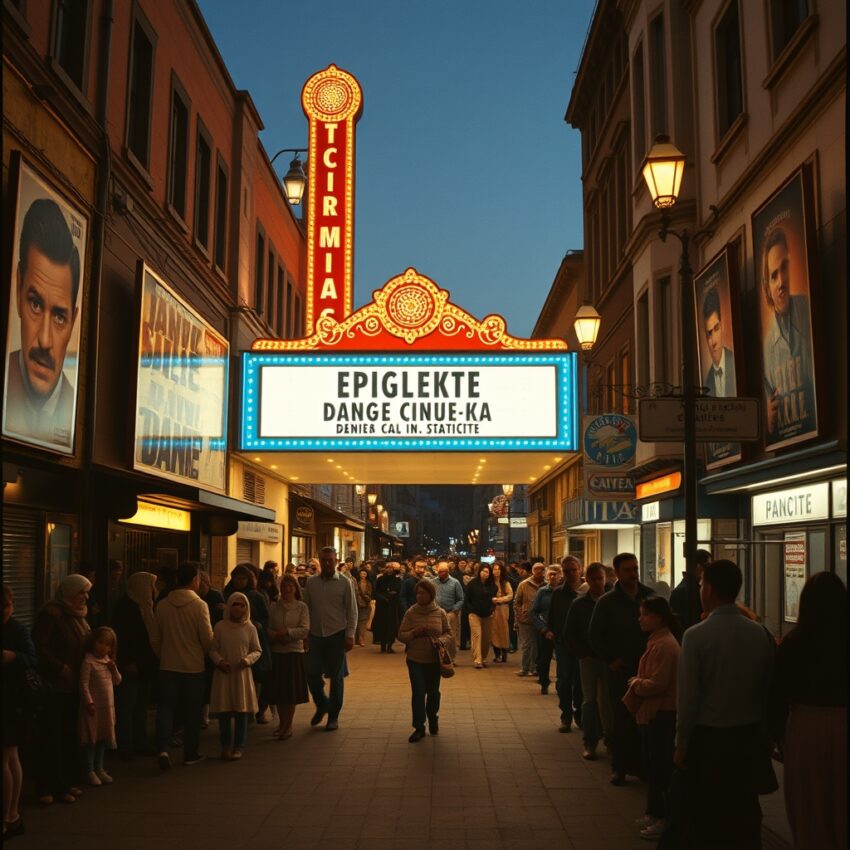
Bir zamanlar sinemaya gitmek, yalnız bir film seyretmek değil, bütün bir şehrin aynı akşama doğru yürümesini görmekti. Hava kararmadan biraz önce ana caddelerde bir hareket başlar, afişlerin asılı olduğu cepheler ışıklandıkça mahallelerden, ara sokaklardan, vapur iskelelerinden insanlar ağır ağır aynı noktaya akar, gişenin önünde uzayan kuyruklar akşamın asıl başladığı yer hâline gelirdi. Kiminin kolunda çocuk, kiminin elinde gazete, kiminin cebinde haftalardır ayrılmış bilet parası olurdu. O kuyrukta beklemek, sabırsızlıktan çok tatlı bir ortaklık hissi yaratırdı. Şehrin farklı hayatları birkaç saatliğine aynı filmin gölgesinde buluşur, sinema binasının önünde oluşan uğultu kent belleğine sıcak bir mühür gibi yerleşirdi.
Zamanın İzinde bakıldığında bu akşamların gücü, sinema salonlarının şehrin kamusal hayatında tuttuğu yerden geliyordu. Özellikle 1960’lardan 1980’lere uzanan dönemde sinemalar yalnız eğlence mekânı değil, modernleşmenin gündelik hayatta elle tutulur yüzlerinden biriydi. Yeni açılan caddeler, ışıklı tabelalar, camekânlarda sergilenen film fotoğrafları ve gazetelerde yayımlanan seans ilanları, şehirlinin zaman duygusunu yeniden kuruyordu. Haftanın hangi günü hangi filmin oynadığı konuşulur, oyuncuların adları bakkal önünde bile anılır, bir filmin iyi ya da hüzünlü olduğu ertesi sabah bütün semte yayılırdı. Bu yüzden sinema kuyruğu, yalnız bilet bekleyen insan kalabalığı değil; aynı zamanda şehirde ortak heyecan üretmenin görünür biçimiydi.
O akşamları unutulmaz yapan şey, salon kapısından önce başlayan ayrıntılardı. Büfenin önünde alınan gazoz, ceplerde hışırdayan leblebi kâğıtları, camekâna biraz daha yaklaşmak için boynunu uzatan çocuklar, koluna en temiz ceketini geçirmiş babalar, saçını aceleyle düzeltmiş anneler, sinema önünü küçük bir bayrama çevirirdi. Film başlamadan önce bile herkes bir sahnenin içindeydi. İçeride ışıklar söndüğünde yalnız perde aydınlanmaz, bütün günün yorgunluğu da başka bir dile çevrilirdi. Ağlayanlar, alkışlayanlar, kötü karaktere kızıp yüksek sesle söylenenler olurdu. Salon, seyredenlerle yaşayan bir yerdi; şehir de o canlılık sayesinde kendi hikâyesini biraz daha derinden hissederdi.
Cam açtıran sabahlar ise bu hikâyenin sessiz devamıydı. Ertesi gün evlerde perdeler aralanır, serinlik içeri alınırken bir önceki akşamın sahneleri de konuşulmaya başlanırdı. Mutfakta çay demlenirken “o son sahnede herkes sustu” denir, açık pencereden komşu evden aynı filmin adı duyulurdu. Sabahın temiz havası, gecenin kalabalık coşkusunu daha yumuşak bir hatıraya dönüştürürdü. Şehir belleğinde derin iz bırakan şey biraz da buydu: sinemanın etkisi kapı önünde bitmiyor, ertesi günün kahvaltısına, sokak konuşmalarına, okul yoluna ve işe gidiş saatine sızıyordu. Film, perdeden çıkıp hayatın içine yerleşiyordu.
Bugün çok salonlu yapılar, dijital platformlar ve hızlı tüketilen görüntüler arasında o kuyrukların duygusunu yeniden kurmak kolay değil. Yine de eski sinema akşamları hatırlandığında insanın içine yayılan sıcaklık boşuna değildir. Çünkü orada yalnız nostalji değil, bir şehrin birlikte heyecanlanma yeteneği saklıdır. Kuyrukla dolan akşamlar ve cam açtıran sabahlar birlikte düşünüldüğünde, geçmiş bize daha yavaş ama daha temaslı bir kent hayatı gösterir. Sinema salonlarının önünde bekleyen o kalabalık, şehir hafızasında yalnız film afişleri bırakmadı; birlikte beklemenin, birlikte duygulanmanın ve ertesi sabah aynı hikâyeyi yeniden konuşmanın incelikli terbiyesini de bıraktı.
🇬🇧 English | On Days That Warmed a Generation from Within, the Evenings When Cinemas Filled with Queues: How Did They Leave Such a Deep Mark on Urban Memory, Like Mornings That Made You Open the Windows
There was a time when going to the cinema meant more than watching a film; it meant seeing an entire city walk toward the same evening. Shortly before dark, movement began along the main streets. As the facades carrying posters lit up, people flowed in from neighborhoods, side streets, and ferry piers, and the lines stretching in front of the ticket booth became the place where the night truly began. Some stood there with a child on their arm, some with a newspaper in hand, some with money carefully set aside for weeks. Waiting in that line created not impatience so much as a gentle sense of belonging together. Different lives in the city met for a few hours beneath the shadow of the same film, and the murmur rising before the cinema settled into urban memory like a warm seal.
Seen along the trail of time, the force of those evenings came from the place cinema halls held in public city life. From the 1960s to the 1980s in particular, cinemas were not merely places of entertainment, but tangible faces of modernity in everyday life. Newly opened avenues, illuminated signs, film stills displayed behind glass, and showtime notices printed in newspapers all reshaped the citizen’s sense of time. People talked about which film was playing on which day of the week, actors’ names were repeated even in front of the grocer, and whether a film was good or heartbreaking spread through the whole district by the next morning. For that reason, the cinema queue was not simply a crowd waiting for tickets; it was also the visible form of producing shared excitement in the city.
What made those evenings unforgettable were the details that began before the hall doors opened. Soda bought at the snack counter, the rustle of paper bags holding roasted chickpeas, children stretching their necks to see the display more closely, fathers wearing their cleanest jackets, and mothers quickly smoothing their hair turned the cinema entrance into a modest celebration. Even before the film started, everyone was already inside a scene. When the lights dimmed, it was not only the screen that brightened, but the fatigue of the day that was translated into another language. Some cried, some applauded, some spoke aloud in anger at the villain. The hall was a place that lived with its audience, and through that vitality the city felt its own story more deeply.
The mornings that made you open the windows were the quiet continuation of this story. The next day, curtains were drawn back in homes, fresh air was let inside, and the scenes from the previous evening began to be retold. While tea brewed in the kitchen, someone would say, “everyone fell silent in that last scene,” and through an open window the title of the same film could be heard from the neighboring apartment. The clean air of morning softened the crowded excitement of the night into memory. That was part of what left such a deep trace in the city’s mind: the influence of the cinema did not end at the door, but filtered into breakfast, street conversations, the walk to school, and the hour of leaving for work. The film stepped off the screen and entered daily life.
Today, among multiplexes, digital platforms, and fast-consumed images, it is not easy to recreate the feeling of those lines. Yet the warmth that spreads inside a person when old cinema evenings are remembered is not accidental. Hidden there is not only nostalgia, but a city’s ability to grow excited together. When evenings filled with queues and mornings of opened windows are held in the same thought, the past shows us an urban life that was slower, yet more tactile and shared. The crowd waiting before those cinema halls left more than posters in urban memory; it also left the subtle discipline of waiting together, feeling together, and speaking the same story again the next morning.
🇧🇷 Português (Brasil) | Nos Dias que Aqueciam uma Geração por Dentro, as Noites em que os Cinemas Ficavam Cheios de Filas: Como Deixaram uma Marca Tão Profunda na Memória da Cidade, Como as Manhãs que Faziam Abrir as Janelas
Houve um tempo em que ir ao cinema significava mais do que ver um filme; significava assistir a uma cidade inteira caminhando em direção à mesma noite. Pouco antes de escurecer, começava um movimento nas avenidas principais. À medida que as fachadas cobertas de cartazes se iluminavam, gente vinda dos bairros, das ruas menores e dos cais das barcas se juntava no mesmo ponto, e as filas diante da bilheteria viravam o lugar onde a noite realmente começava. Alguns chegavam com uma criança no braço, outros com o jornal na mão, outros com o dinheiro do ingresso guardado havia semanas. Esperar naquela fila criava não tanto impaciência, mas uma doce sensação de partilha. Vidas diferentes da cidade se encontravam por algumas horas sob a sombra do mesmo filme, e o murmúrio em frente ao cinema se fixava na memória urbana como um selo quente.
No rastro do tempo, a força dessas noites vinha do lugar que as salas de cinema ocupavam na vida pública da cidade. Especialmente entre as décadas de 1960 e 1980, os cinemas não eram apenas espaços de diversão, mas rostos palpáveis da modernidade no cotidiano. Avenidas recém-abertas, letreiros iluminados, fotos dos filmes expostas nas vitrines e horários publicados nos jornais reformulavam a maneira como o citadino percebia o tempo. Falava-se sobre qual filme estava em cartaz em cada dia da semana, os nomes dos atores eram repetidos até na porta da mercearia, e se um filme era bonito ou triste se espalhava pelo bairro na manhã seguinte. Por isso, a fila do cinema não era apenas uma multidão aguardando ingresso; era também a forma visível de produzir entusiasmo coletivo na cidade.
O que tornava essas noites inesquecíveis eram os detalhes que começavam antes mesmo da porta da sala se abrir. O refrigerante comprado no balcão, o barulho dos saquinhos de grão-de-bico torrado, as crianças esticando o pescoço para enxergar melhor a vitrine, os pais vestindo o casaco mais bem cuidado, as mães ajeitando o cabelo às pressas, tudo transformava a frente do cinema numa pequena festa. Mesmo antes de o filme começar, todos já estavam dentro de uma cena. Quando as luzes se apagavam, não era só a tela que se acendia; o cansaço do dia também ganhava outra linguagem. Uns choravam, uns aplaudiam, uns reclamavam em voz alta do vilão. A sala vivia junto com quem assistia, e a cidade, graças a essa vitalidade, sentia a própria história com mais profundidade.
As manhãs que faziam abrir as janelas eram a continuação silenciosa dessa história. No dia seguinte, as cortinas eram afastadas, o ar fresco entrava nas casas, e as cenas da noite anterior começavam a ser recontadas. Enquanto o chá passava na cozinha, alguém dizia “naquela última cena todo mundo se calou”, e pela janela aberta o nome do mesmo filme podia ser ouvido vindo do apartamento ao lado. O ar limpo da manhã transformava a animação lotada da noite numa lembrança mais macia. Foi isso que deixou marca tão funda na memória da cidade: a influência do cinema não terminava na porta, mas entrava no café da manhã, nas conversas da rua, no caminho da escola e na saída para o trabalho. O filme saía da tela e entrava na vida.
Hoje, entre complexos de várias salas, plataformas digitais e imagens consumidas depressa, não é fácil reconstruir a emoção daquelas filas. Ainda assim, o calor que se espalha por dentro quando as velhas noites de cinema são lembradas não é por acaso. Ali está escondida não só a nostalgia, mas a capacidade de uma cidade se entusiasmar em conjunto. Quando pensamos ao mesmo tempo nas noites cheias de fila e nas manhãs de janelas abertas, o passado revela uma vida urbana mais lenta, porém mais próxima e compartilhada. A multidão diante das antigas salas deixou mais do que cartazes na memória da cidade; deixou também a delicada disciplina de esperar junto, sentir junto e comentar a mesma história outra vez na manhã seguinte.