🇹🇷 Türkçe | kartpostal albümü ve koleksiyonerlerin iz sürdüğü geçmişi: neden bugün yeniden ilgi görüyor
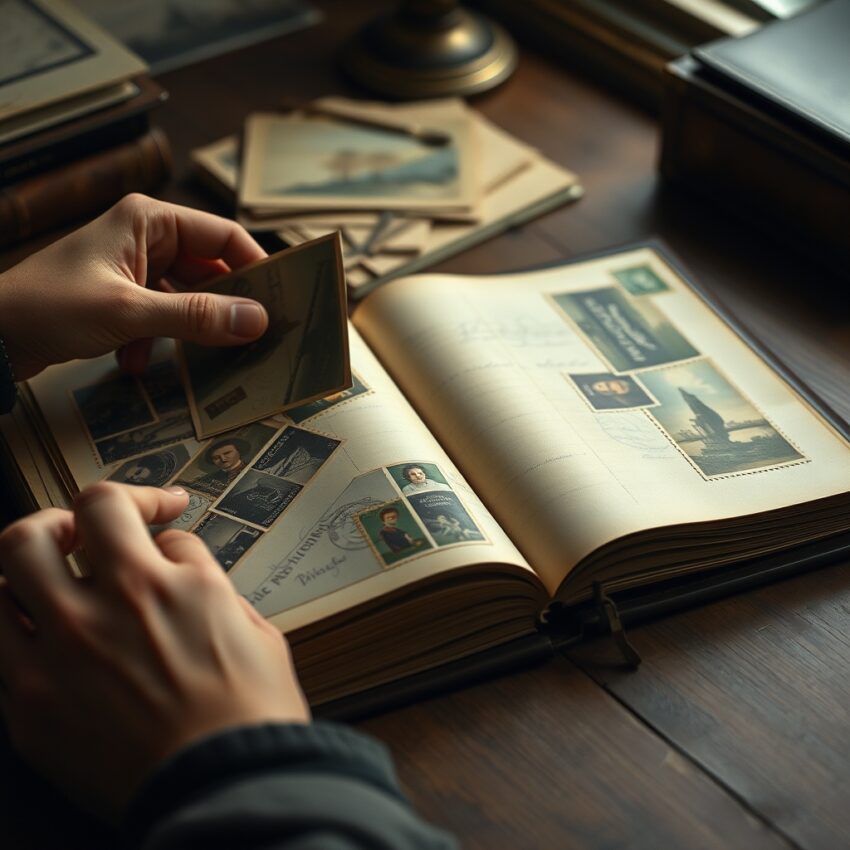
Bir zamanlar evlerin en sakin çekmecelerinde ya da salon vitrininin alt raflarında kartpostal albümleri saklanırdı. Sayfaları çevrildikçe yalnız manzaralar değil, başka şehirlerin havası, eski yazı karakterleri, posta damgaları ve tanımadığımız insanların kısa cümleleri de ortaya çıkardı. Kimi kartpostalda bir istasyon binası, kiminde kış güneşi altında bir cadde, kiminde ise çoktan değişmiş bir sahil kasabası görünürdü. Bu yüzden kartpostal albümüne bakmak, yalnız bir koleksiyon nesnesini incelemek değil, başka hayatların kıyısına usulca yaklaşmak demekti. Geçmişin gündelik görüntüsü, kalın bir tarih kitabından değil, ince karton yüzeyler üzerinden kendini göstermeyi seçerdi.
Obje Hikayeleri açısından bakıldığında kartpostal albümü, tasarım, saklama ve hatırlama kültürünün kesiştiği özel bir nesnedir. Kabartmalı kapaklar, köşelere geçirilen kartlar, üzerine düşülen tarihler ve kimi zaman solmuş mürekkepler, bu albümlerin yalnızca görsel değil dokunsal bir hafıza taşıdığını gösterir. Koleksiyonerlerin bugün bu dünyaya yeniden ilgi duymasının nedeni de biraz burada saklıdır. Kartpostal, resmi tarihin dışında kalan küçük ayrıntıları yakalar: bir meydandaki tramvay hattı, bir dükkân tabelası, kıyafetlerin biçimi, ağaçların dizilişi ya da mektubu yazan kişinin seçtiği hitap. Her kart hem bir görüntü hem de bir izdir. Koleksiyoner, bu izleri bir araya getirirken aslında kaybolmuş bir gündelik hayat atlasını yeniden kurar.
Bugün kartpostal albümlerinin yeniden ilgi görmesi, dijital çağın hızına karşı daha yavaş ve elle tutulur bir geçmiş arayışını da anlatıyor. Ekranda sonsuzca akan görseller arasında hiçbir şeyin tam anlamıyla durmadığı bir dönemde, kartpostal sabit kalmayı biliyor. Kenarındaki aşınma, arkasındaki birkaç satır, pulun rengi ve damganın tarihi nesneyi benzersiz kılıyor. İnsanlar belki de bu yüzden kartpostallara yalnız bakmıyor; onları araştırıyor, sınıflandırıyor, kökenini öğrenmeye çalışıyor. Çünkü bu nesneler, geçmişin tek bir büyük hikâyeden ibaret olmadığını; küçük şehirlerin, sıradan yolculukların ve kişisel hitapların da tarih kadar değerli olduğunu hissettiriyor. Kartpostal albümü, modern insanın geçmişle yeniden daha kişisel, daha yavaş bir ilişki kurma ihtiyacına cevap veriyor.
Koleksiyonerlerin iz sürdüğü geçmişin çekiciliği biraz da eksik parçalarındadır. Bir kartın üstünde yazan “sağ salim vardık” cümlesi, devamı bilinmeyen uzun bir yolculuğu düşündürür. Bir şehir meydanının yüz yıl önceki görüntüsü, bugün aynı yerde neyin kaybolduğunu fark ettirir. Albümü karıştıran kişi, yalnız estetik bir obje görmez; kendi merakıyla tamamlayacağı yarım hikâyeler bulur. Bu nedenle kartpostal albümü, nostaljiyi yalnız geçmişe bakma duygusu olarak değil, araştırma isteği olarak da canlı tutar. Bugün yeniden ilgi görmesinin nedeni, belki de tam burada yatıyor: geçmişi tek bir cevapla değil, küçük izler, zarif yüzeyler ve sessiz sorularla geri çağırmasında.
Kartpostalın yeniden değer kazanması, aynı zamanda insanların şehir hafızasına başka bir gözle yaklaşmaya başladığını da gösteriyor. Eski bir kıyı kasabasının kartı, bugün betonlaşmış bir sahilin neyi yitirdiğini düşündürüyor; bir istasyon kartı, tren yolculuğunun toplumsal önemini hatırlatıyor. Böylece koleksiyon nesnesi diye görülen şey, kültürel hafızanın tanığına dönüşüyor. Kartpostal albümü bu yüzden yalnız nostaljik bir eşya değil; dikkatle bakıldığında, geçmişin yavaş sesini bugüne taşıyan küçük bir arşiv olarak yaşamayı sürdürüyor.
🇬🇧 English | The Postcard Album and the Past Traced by Collectors: Why Is It Drawing Interest Again Today
There was a time when postcard albums were kept in the quietest drawers of the house or on the lower shelves of the glass cabinet in the sitting room. As their pages turned, not only landscapes appeared, but also the atmosphere of distant cities, old letterforms, postal marks, and the brief sentences of people we never knew. One postcard might show a station building, another a street under winter sun, another a seaside town already transformed beyond recognition. For that reason, looking through a postcard album meant more than studying a collectible object; it meant approaching the edge of other lives with quiet attention. The everyday appearance of the past often revealed itself not through thick history books, but through thin pieces of printed card.
Seen through the lens of object stories, the postcard album is a special meeting point of design, preservation, and memory culture. Embossed covers, cards tucked into photo corners, handwritten dates, and sometimes faded ink all show that these albums carry a tactile memory as well as a visual one. Part of the reason collectors are turning toward this world again lies here. A postcard captures details that official history often leaves aside: a tram line crossing a square, a shop sign, the cut of clothing, the arrangement of trees, or the form of address chosen by the writer. Each card is both image and trace. By gathering these traces, the collector is in fact rebuilding a lost atlas of everyday life.
The renewed interest in postcard albums today also speaks to a desire for a slower and more tangible relationship with the past in response to the speed of digital life. In an era where images stream endlessly across screens and almost nothing stays still, the postcard knows how to remain. The wear at its edges, the few lines on its back, the color of the stamp, and the date of the postmark make the object unique. Perhaps that is why people do not only look at postcards now; they research them, classify them, and try to learn where they came from. These objects remind us that the past is not made of one great story alone, but also of small towns, ordinary journeys, and personal greetings that deserve the same attention as official events. In that sense, the postcard album answers a modern need to meet the past in a more intimate and patient way.
Part of the fascination of the past pursued by collectors lies in its missing pieces. The phrase “we arrived safely” written on a card suggests a longer journey whose continuation we never learn. A city square seen a century ago reveals what has disappeared from the same place today. The person turning the album’s pages does not encounter only an attractive object, but unfinished stories waiting to be completed by curiosity. For that reason, the postcard album keeps nostalgia alive not merely as a feeling of looking back, but as a desire to investigate. Its renewed appeal may lie exactly there: in calling the past back not through a single answer, but through traces, elegant surfaces, and quiet questions.
The return of interest in postcards also shows that people are beginning to approach urban memory with a different gaze. A postcard of an old seaside town makes one think about what a concrete shore has erased; a station card recalls the social importance of train journeys. In this way, what appears to be a collectible object turns into a witness of cultural memory. That is why the postcard album remains more than a nostalgic item. When looked at carefully, it continues to live as a small archive carrying the slow voice of the past into the present.
🇧🇷 Português (Brasil) | O Álbum de Cartões-Postais e o Passado Seguido pelos Colecionadores: Por Que Volta a Despertar Interesse Hoje
Houve um tempo em que os álbuns de cartões-postais ficavam guardados nas gavetas mais silenciosas da casa ou nas prateleiras de baixo do armário da sala. Quando as páginas eram viradas, apareciam não só paisagens, mas também o clima de outras cidades, tipos antigos de escrita, carimbos postais e frases curtas de pessoas que nunca conhecemos. Em um cartão podia haver uma estação ferroviária; em outro, uma rua sob o sol de inverno; em outro ainda, uma cidade litorânea que já mudou por completo. Por isso, olhar um álbum de cartões-postais significava mais do que examinar um objeto de coleção; era aproximar-se, com delicadeza, da borda da vida de outras pessoas. A imagem cotidiana do passado muitas vezes escolhia se revelar não em livros espessos de história, mas em superfícies finas de papel-cartão.
Pela ótica das histórias dos objetos, o álbum de cartões-postais é um encontro especial entre design, preservação e cultura da lembrança. Capas em relevo, cartões presos pelos cantos, datas anotadas à mão e, às vezes, a tinta já desbotada mostram que esses álbuns carregam uma memória tátil além da visual. Parte do novo interesse dos colecionadores está exatamente aí. O cartão-postal captura detalhes que a história oficial costuma deixar de lado: o trilho do bonde em uma praça, a placa de uma loja, o corte das roupas, a disposição das árvores ou a forma de tratamento escolhida por quem escreveu. Cada cartão é ao mesmo tempo imagem e vestígio. Ao reunir esses vestígios, o colecionador reconstrói, na verdade, um atlas perdido da vida cotidiana.
O interesse renovado pelos álbuns de cartões-postais também fala de uma busca por um passado mais lento e mais tangível diante da velocidade do mundo digital. Em uma época em que imagens passam sem parar pelas telas e quase nada permanece, o cartão-postal sabe ficar. O desgaste das bordas, as poucas linhas no verso, a cor do selo e a data do carimbo tornam o objeto único. Talvez por isso as pessoas hoje não apenas olhem para cartões-postais, mas os pesquisem, classifiquem e tentem descobrir sua origem. Esses objetos lembram que o passado não é feito de uma única grande narrativa, mas também de pequenas cidades, viagens comuns e saudações pessoais que merecem tanta atenção quanto os fatos oficiais. Nesse sentido, o álbum de cartões-postais responde a uma necessidade moderna de encontrar o passado de modo mais íntimo e paciente.
Parte do encanto do passado seguido pelos colecionadores está justamente nas peças que faltam. A frase “chegamos bem” escrita em um cartão sugere uma viagem mais longa cujo restante nunca saberemos. A vista de uma praça cem anos atrás revela aquilo que se perdeu no mesmo lugar hoje. Quem folheia o álbum não vê apenas um objeto bonito, mas histórias incompletas esperando ser terminadas pela curiosidade. Por isso, o álbum de cartões-postais mantém a nostalgia viva não apenas como olhar para trás, mas como vontade de investigar. Se ele desperta interesse outra vez, talvez seja por isso: por chamar o passado de volta não com uma única resposta, mas com vestígios, superfícies delicadas e perguntas silenciosas.
O retorno desse valor também mostra que as pessoas estão começando a olhar a memória urbana de outra maneira. Um cartão de uma antiga cidade litorânea faz pensar no que uma orla de concreto apagou; um cartão de estação ferroviária recorda a importância social das viagens de trem. Assim, o que parece um objeto de coleção se transforma em testemunha da memória cultural. O álbum de cartões-postais, por isso, permanece mais do que um item nostálgico. Observado com atenção, ele segue vivendo como um pequeno arquivo que traz para o presente a voz lenta do passado.