🇹🇷 Türkçe | anteni çevirdikçe netleşen umut eşliğinde Super 8 kamera kullanmak neden başlı başına bir törendi uzayan ikindi gölgelerinde gündüzden geceye uzanan ritimle
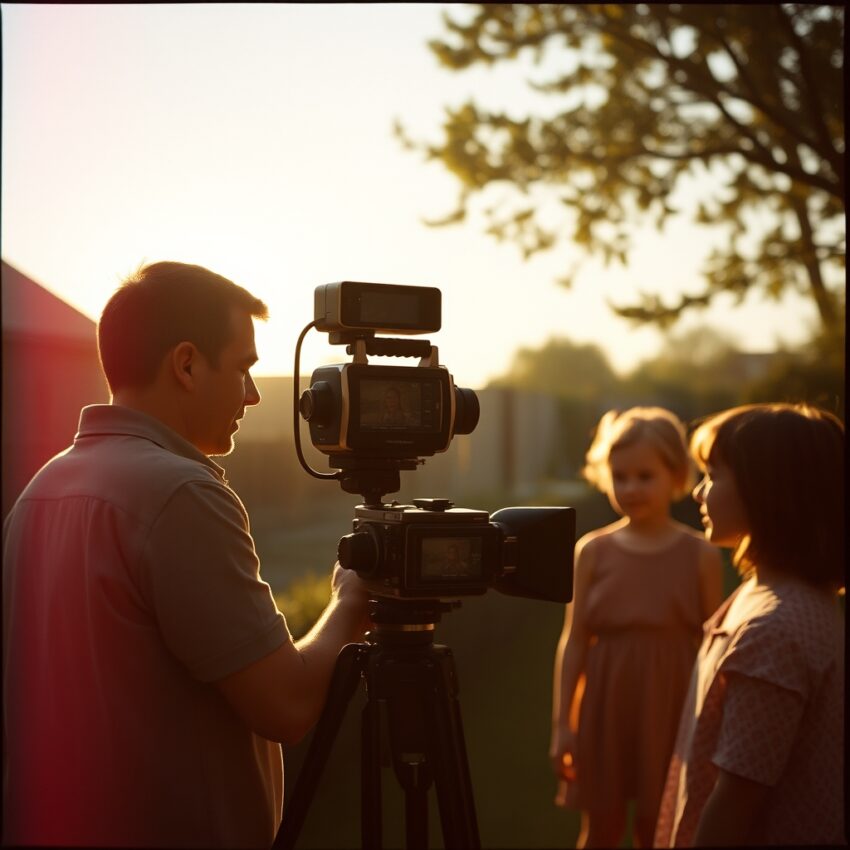
Bir zamanlar bazı ailelerde bir Super 8 kamera dolaptan çıkarıldığında, evin havası hemen değişirdi. Bu küçük cihaz yalnızca görüntü çekmek için hazırlanmaz; onun etrafında bütün bir günün ritmi yeniden kurulurdu. Piller kontrol edilir, film kartuşu dikkatle yerleştirilir, çekim yapılacak yer konuşulur, hatta havanın ışığı bile hesaba katılırdı. Uzayan ikindi gölgeleri avluya, balkona ya da sahil kıyısına yayılırken, kamerayı eline alan kişi birdenbire sıradan aile ferdinden çok, anı toplayan bir tören yöneticisine dönüşürdü. O dönemde görüntü kaydetmek bugünkü kadar kolay olmadığı için her saniye daha değerli, her kadraj daha düşünülmüş ve her küçük hareket daha anlamlıydı.
Teknoloji Mirası açısından bakıldığında Super 8 kamera, ev tipi sinema hayalini gündelik hayata taşıyan zarif bir analog makineydi. Mekanik sesi, eldeki ağırlığı ve film sayısının sınırlılığı, kullanıcıyı disipline eden ama aynı zamanda heyecanlandıran bir teknoloji deneyimi yaratıyordu. Çekim yapılırken “boşa sarf etmeyelim” cümlesi sık duyulur, çocuklar kameraya bakarken hem meraklı hem dikkatli davranırdı. Bir bakıma bu cihaz, görüntünün kıymetini öğreten bir öğretmen gibiydi. Anteni çevirdikçe netleşen umut ifadesi de dönemin görsel kültürüne yakışır biçimde, görüntünün hep biraz emekle elde edildiğini hatırlatıyordu. Televizyonda netlik için anten ayarlamak neyse, aile hatırası için Super 8’i hazırlamak da oydu: sabırla uğraşılan, sonunda parlayan bir sonuç beklenen teknik bir ritüel.
Bu ritüelin törene dönüşmesinin en önemli nedeni, çekimin yalnız çekim anından ibaret olmamasıydı. Öncesinde hazırlık, sırasında ortak hareket, sonrasında ise bekleyiş vardı. Film bittiğinde hemen izleme şansı olmadığı için insanlar önce yaşamayı, sonra hatırlamayı kabul ederdi. Yazlıkta deniz kenarında yürüyen akrabalar, bahçede karpuz kesen büyükler, okul çıkışı eve dönen çocuklar ya da bayram günü kapıya gelen misafirler, kameranın görüş alanına girdiklerinde anın biraz daha yavaş aktığını hissederdi. Çünkü herkes bilirdi ki kayda alınan bu birkaç saniye, ileride bambaşka bir akşamda tekrar seyredilecekti. O yüzden bir el sallama, bir gülüş, bir baş çeviriş bile olduğundan daha dikkatli yaşanırdı.
Uzayan ikindi gölgeleriyle gündüzden geceye uzanan ritim de bu teknolojiyi özel kılan atmosferin parçasıydı. Super 8 çoğu zaman tam öğle telaşında değil, günün sesleri biraz otururken kullanılırdı. Işık yumuşar, yüzler daha sıcak görünür, mahalle yavaş yavaş akşam yemeğine hazırlanırken kameranın objektifi sıradan hayatı adeta küçük bir filme dönüştürürdü. Bugün bir telefona dokunarak binlerce görüntü kaydedilebiliyor, ama o dönemde birkaç dakikalık film şeridi bile bir aile için ciddi bir emek, masraf ve dikkat demekti. Bu yüzden Super 8 kamera yalnız bir cihaz değil; planlı bakmanın, sabırlı kaydetmenin ve zamanı tüketmeden saklamanın sembolü olarak hafızada kaldı.
Belki de asıl törensel tarafı, insanları aynı anda hem yaşayan hem de gelecekte hatırlanacak bir sahnenin parçası kılmasıydı. Kamera açıldığında gündelik hayat bir miktar toparlanır, insanlar duruşuna, gülüşüne, hatta yürüyüşüne dikkat ederdi. Bu yapaylıktan çok, kayda değer bulunmanın sevinciydi. Super 8 bugün hâlâ konuşuluyorsa, biraz da o makinenin görüntü çekmekten fazlasını yapmış olmasından: aileye zamanın kıymetini, görüntünün emeğini ve akşamüstü ışığının hafızayla nasıl birleştiğini öğretmesindendir.
🇬🇧 English | Why Using a Super 8 Camera Together with Hope Becoming Clearer as the Antenna Was Turned Was a Ceremony in Itself in the Rhythm Stretching from Day to Night Through Lengthening Afternoon Shadows
There was a time when, in certain families, the moment a Super 8 camera was taken out of the cupboard, the mood of the house changed at once. This small device was not prepared merely to record images; an entire rhythm of the day was rebuilt around it. Batteries were checked, the film cartridge was placed carefully, the location of the shoot was discussed, and even the quality of the light was considered. As lengthening afternoon shadows spread across the courtyard, balcony, or seaside path, the person holding the camera ceased to be only an ordinary family member and became something like a quiet master of ceremony, gathering time itself. Because recording images was not as easy then as it is today, every second felt more valuable, every frame more deliberate, and every small gesture more meaningful.
Seen as technological heritage, the Super 8 camera was an elegant analog machine that brought the dream of home cinema into everyday life. Its mechanical sound, the weight in the hand, and the strict limit of film available created a technological experience that disciplined its user while also exciting them. During filming, one often heard the sentence, “Let’s not waste it,” and children facing the camera behaved with both curiosity and care. In a sense, the device taught the value of images. The phrase about hope becoming clearer as the antenna was turned suits the visual culture of the era well, because it reminds us that images were achieved through effort. Adjusting a television antenna for a sharper picture and preparing a Super 8 camera for family memory belonged to the same world: both were technical rituals of patience performed in expectation of a luminous result.
What turned this practice into a ceremony was that filming did not begin and end with the moment of capture. There was preparation beforehand, coordinated movement during, and waiting afterward. Once the film was finished, there was no instant playback. People accepted that one first had to live and only later remember. Relatives walking by the sea at the summer house, elders cutting watermelon in the garden, children returning from school, or guests arriving during a holiday all seemed to move more slowly once they entered the camera’s frame. Everyone knew that these few seconds being recorded would be watched again on some entirely different evening in the future. That is why even a wave, a smile, or the turning of a head was lived more attentively than usual.
The rhythm stretching from day into night through long afternoon shadows was itself part of what made this technology special. The Super 8 was rarely used at the hurried center of noon; it appeared when the sounds of the day had settled slightly. Light softened, faces looked warmer, and as the neighborhood slowly moved toward dinner, the camera lens transformed ordinary life into a small film. Today thousands of moving images can be saved with one touch on a phone, but then even a few minutes of film represented effort, expense, and concentration for a family. For that reason, the Super 8 camera remains in memory not simply as a device, but as a symbol of looking with intention, recording with patience, and preserving time without consuming it carelessly.
Perhaps its true ceremonial quality lay in making people part of a scene being lived in the present and remembered in the future at the same time. Once the camera began to run, daily life gathered itself slightly; people became aware of their posture, smile, even their walk. This was less artificiality than the joy of being considered worth recording. If the Super 8 camera is still remembered, it is because it did more than capture images: it taught families the value of time, the labor inside every picture, and the way late afternoon light could join itself to memory.
🇧🇷 Português (Brasil) | Por Que Usar uma Câmera Super 8 Junto da Esperança que Ficava Mais Nítida à Medida que a Antena Era Girada Era um Cerimonial em Si no Ritmo que se Estendia do Dia à Noite nas Sombras Longas da Tarde
Houve um tempo em que, em certas famílias, quando uma câmera Super 8 saía do armário, o clima da casa mudava imediatamente. Aquele pequeno aparelho não era preparado apenas para registrar imagens; todo o ritmo do dia era reorganizado ao seu redor. Conferiam-se as pilhas, o cartucho de filme era colocado com cuidado, discutia-se onde filmar, e até a qualidade da luz entrava no cálculo. Quando as sombras longas da tarde se espalhavam pelo quintal, pela varanda ou pela beira-mar, quem segurava a câmera deixava de ser apenas um parente comum e se transformava quase em um mestre de cerimônias que recolhia o tempo. Como gravar imagens não era algo simples como hoje, cada segundo parecia mais precioso, cada enquadramento mais pensado e cada pequeno gesto mais significativo.
Pela perspectiva do legado tecnológico, a câmera Super 8 era uma máquina analógica elegante que levava o sonho do cinema doméstico para a vida cotidiana. Seu som mecânico, o peso na mão e a limitação do filme criavam uma experiência tecnológica que ao mesmo tempo disciplinava e encantava. Durante a filmagem, ouvia-se com frequência a frase “não vamos desperdiçar”, e as crianças diante da câmera se comportavam com curiosidade, mas também com cuidado. De certo modo, esse aparelho ensinava o valor da imagem. A ideia de uma esperança que ficava mais nítida à medida que a antena era girada combina com a cultura visual da época, porque recorda que a imagem sempre exigia algum esforço. Ajustar a antena da televisão para melhorar a nitidez e preparar a Super 8 para guardar a memória familiar pertenciam ao mesmo universo: rituais técnicos de paciência à espera de um resultado luminoso.
O que fazia desse uso um verdadeiro cerimonial era o fato de a filmagem não se resumir ao instante do registro. Havia preparação antes, movimento compartilhado durante e espera depois. Quando o filme acabava, não existia a possibilidade de assistir tudo imediatamente. As pessoas aceitavam que primeiro era preciso viver e só depois recordar. Parentes caminhando à beira-mar na casa de veraneio, adultos cortando melancia no quintal, crianças voltando da escola ou visitas chegando no feriado pareciam mover-se mais devagar ao entrar no enquadramento. Todos sabiam que aqueles poucos segundos gravados seriam revistos em outra noite, muito tempo depois. Por isso até um aceno, um sorriso ou um virar de cabeça ganhava uma atenção maior do que a habitual.
O ritmo que ia do dia à noite nas sombras longas da tarde também fazia parte da atmosfera especial dessa tecnologia. A Super 8 raramente aparecia no auge apressado do meio-dia; ela surgia quando os sons do dia já tinham amansado um pouco. A luz ficava mais suave, os rostos mais quentes, e enquanto o bairro começava a se preparar para o jantar, a lente transformava a vida comum em um pequeno filme. Hoje é possível gravar milhares de imagens em movimento com um toque no celular, mas naquela época até poucos minutos de filme representavam esforço, gasto e concentração para uma família. Por isso, a câmera Super 8 ficou na memória não apenas como aparelho, mas como símbolo de olhar com intenção, registrar com paciência e guardar o tempo sem desperdiçá-lo.
Talvez o lado mais cerimonial estivesse em fazer as pessoas participarem ao mesmo tempo de uma cena vivida no presente e destinada à lembrança futura. Quando a câmera era ligada, a vida cotidiana se organizava um pouco; todos prestavam mais atenção à postura, ao sorriso e até ao modo de caminhar. Isso tinha menos a ver com artificialidade e mais com a alegria de ser considerado digno de registro. Se a Super 8 continua viva na memória, é porque fez mais do que filmar: ensinou às famílias o valor do tempo, o trabalho escondido em cada imagem e a forma como a luz do fim de tarde pode se unir à lembrança.