🇹🇷 Türkçe | anteni ayarlı televizyon başında geçen saatler: analog çağın unutulmayan heyecanını anlatıyor bayram hazırlığının içinde eski takvim yapraklarını aralayarak
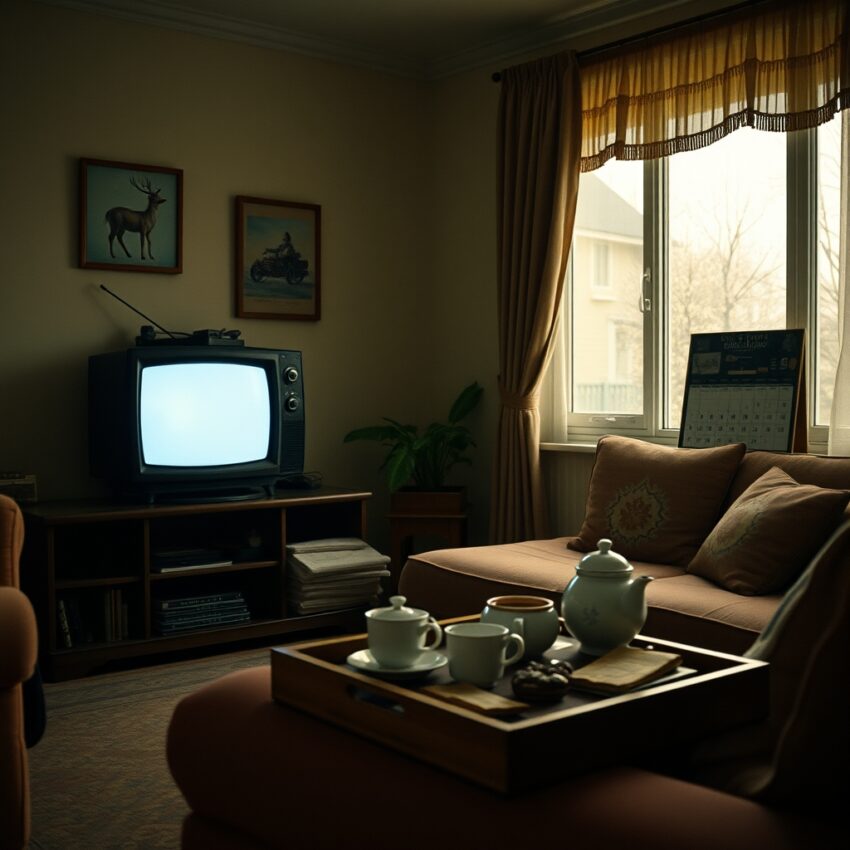
Bayram yaklaşırken evlerin içindeki telaş yalnız mutfakta ya da koltuk örtülerinde hissedilmezdi; salonun en dikkatle bakılan köşesinde duran televizyon da bu hazırlığın sessiz kahramanlarından birine dönüşürdü. Anteni biraz sağa, biraz sola çevirerek görüntüyü netleştirme çabası, çocukların sabırsız bekleyişi ve büyüklerin “şimdi oldu mu” diye seslenişi, bayram arifesinin ritmine karışırdı. Takvim yaprakları birer birer koparılırken günlerin yaklaşması nasıl sevinç yaratıyorsa, ekranın karıncalı görüntüden temizlenip sevilen programa kavuşması da benzer bir heyecan doğururdu. Analog çağın unutulmayan tarafı tam burada saklıydı: görüntüye ulaşmak bile başlı başına ortak bir olaydı.
Teknoloji Mirası açısından anten ayarlı televizyon saatleri, cihazın yalnız bir eşya değil, aile içi zaman kurucusu olduğunu gösterir. Bugünün tek tuşla açılan, kusursuz görüntü sunan ekranlarının aksine o yıllarda yayınla kurulan ilişki emek gerektirirdi. Çatıdaki antenin yönü, kablonun sağlamlığı, tüplü ekranın ısınması ve sesin bir anda yükselip alçalması, teknolojiyi ev halkının gündelik konuşmasının parçası yapardı. Özellikle bayram öncesinde, yeni kıyafetler hazırlanırken ve misafir listeleri konuşulurken televizyonda çıkacak bayram programları da ev içi heyecanın uzantısı olurdu. Böylece televizyon, yalnız izlenen değil beklenen, ayarlanan ve ailece paylaşılan bir nesneye dönüşürdü.
Eski takvim yapraklarını aralamak ifadesi bu yüzden çok yerinde gelir. Duvara asılı takvimin son günleri, şekerliklerin hazırlanması, kolonya şişelerinin doldurulması ve mutfaktan gelen tatlı kokuları arasında televizyon başında geçirilen saatler zamanı neredeyse elle tutulur hale getirirdi. Çocuk için bayram sabahına kaç gün kaldığı kadar, akşam yayınlanacak müzik programı ya da film de önemliydi. Büyükler haber saatini kaçırmamak ister, küçükler çizgi film ya da eğlence programını beklerdi. Yayın akışı ortak takvimin parçasıydı. Anten ayarı iyi değilse yalnız görüntü değil, o ortak bekleyişin tadı da eksik kalırdı. Bu nedenle herkesin dahil olduğu küçük bir teknik çaba, evin duygusal düzeninin de parçasıydı.
Analog çağın heyecanını unutulmaz yapan bir başka unsur da kusurun hayatın doğal parçası oluşuydu. Ekranda hafif bir cızırtı olur, biri televizyona yaklaşıp üstüne hafifçe vurur, öteki pencere yanındaki kabloya bakardı. Bütün bunlar bugün bakınca zahmet gibi görünse de o dönemde teknolojiyi evcilleştiren hareketlerdi. Bayram hazırlığı içindeki evlerde bu küçük aksaklıklar bir sinir kaynağı olmaktan çok, ortak bir meşguliyet sayılırdı. Televizyon açıldığında koltukların yönü belirlenir, tepsiye konan çay bardakları yerini alır, reklam aralarında mutfaktan yeni bir tabak gelir, ekran başındaki sohbet genişlerdi. Cihazın kusurlu doğası, beraberliği azaltmıyor; tersine ona ritim kazandırıyordu.
Bugün eski takvim yapraklarını düşününce, anteni ayarlı televizyon başında geçen o saatlerin neden unutulmadığı daha iyi anlaşılıyor. Çünkü orada yalnız teknoloji değil, bekleyişin kültürü vardı. Bayramın yaklaşmasıyla çoğalan heyecan, eve gelen misafir ihtimali, yayın saatine göre şekillenen akşam ve görüntü netleştiğinde duyulan küçük zafer hissi, bütün bunlar aynı hafıza alanında birleşiyordu. Analog çağın büyüsü biraz da buydu: kusursuzluk değil, emekle kurulan bir sevinç. Televizyonun başında geçirilen saatler bugün hatırlandığında, eski takvimlerin çıtırtısı, kolonya kokusu ve ayarlanmış antenin sağladığı kısa berraklık birlikte geri dönüyor. Nostalji böyle anlarda, bir cihazın etrafında kurulmuş aile zamanını yeniden görünür kılıyor.
🇬🇧 English | The Hours Spent in Front of a Television with Its Antenna Adjusted: Telling the Unforgotten Excitement of the Analog Age While Turning Old Calendar Pages Amid Holiday Preparations
As the holiday drew near, the tension inside the home was not felt only in the kitchen or in the fresh covers placed over the sofas. The television set standing in the most carefully watched corner of the sitting room also became one of the quiet heroes of preparation. The effort to turn the antenna a little to the right, then a little to the left in search of a clearer picture, the impatient waiting of children, and the adults calling out, “Is it better now?” all blended into the rhythm of the holiday eve. Just as each torn calendar page created excitement by bringing the feast closer, the screen clearing from static into a visible program produced a similar joy. That is where the unforgettable side of the analog age was hidden: even reaching the image became a shared event in itself.
From the perspective of technological heritage, the hours spent before a television with its antenna adjusted show that the device was not merely an object, but a builder of family time. Unlike today’s screens, which open with a single touch and present perfect images, the relationship with broadcasting in those years demanded effort. The direction of the rooftop antenna, the reliability of the cable, the warming of the tube screen, and the sudden rise and fall of the sound turned technology into part of the household’s daily conversation. Especially before a holiday, while new clothes were being prepared and guest lists discussed, the special television programs of the season extended that domestic excitement. In this way, the television became something not only watched, but awaited, adjusted, and shared as a family.
For that reason, the image of turning old calendar pages feels especially fitting. The final sheets hanging on the wall, the candy bowls being filled, the cologne bottles refreshed, and the smell of sweets drifting from the kitchen made the hours spent before the television almost tangible. For a child, it mattered how many days remained until the holiday morning, but it also mattered what film, music program, or entertainment show would air that evening. Adults wanted not to miss the news, while the younger ones waited for cartoons or festive broadcasts. The broadcast schedule was part of the shared calendar. If the antenna was badly aligned, not only the picture but also the taste of that common anticipation felt incomplete. A small technical effort involving everyone therefore became part of the emotional order of the house.
Another reason the excitement of the analog age remains unforgettable is that imperfection was accepted as part of life. There might be crackling on the screen, one person would walk over and tap the television gently, and another would check the cable near the window. All of this may look like inconvenience today, yet at the time these were gestures that domesticated technology. In homes busy with holiday preparation, such little disruptions were less a source of irritation than a shared occupation. Once the television was on, the direction of the armchairs was settled, tea glasses arranged on a tray, another plate brought from the kitchen during the advertisement break, and the conversation around the screen widened. The imperfect nature of the device did not reduce togetherness. On the contrary, it gave that togetherness its rhythm.
When one thinks today of those old calendar pages, it becomes easier to understand why the hours spent in front of an antenna-adjusted television were never forgotten. What lived there was not only technology, but a culture of waiting. The excitement that grew as the holiday approached, the expectation of guests, the evening shaped according to the broadcast hour, and the tiny feeling of victory when the image finally became clear all met in the same field of memory. That was part of the magic of the analog age: not perfection, but a joy built through effort. When those hours before the television are remembered now, the rustle of the old calendar, the scent of cologne, and the brief clarity made possible by a carefully adjusted antenna all return together. In such moments nostalgia makes visible once more the family time that had been built around a single device.
🇧🇷 Português (Brasil) | As Horas Passadas Diante de uma Televisão com a Antena Ajustada: Contando a Emoção Inesquecida da Era Analógica ao Folhear Velhas Folhas de Calendário em Meio aos Preparativos da Festa
Quando a festa se aproximava, a agitação dentro de casa não era sentida apenas na cozinha ou nas capas novas colocadas sobre o sofá. A televisão parada no canto mais observado da sala também se transformava numa das heroínas silenciosas daquela preparação. O esforço de girar a antena um pouco para a direita, depois um pouco para a esquerda, em busca de uma imagem mais nítida, a impaciência das crianças e os adultos perguntando “agora melhorou?” se misturavam ao ritmo da véspera festiva. Assim como cada folha arrancada do calendário trazia alegria por aproximar o grande dia, a tela que saía do chiado e finalmente mostrava o programa também produzia uma satisfação parecida. É aí que estava escondido o lado inesquecível da era analógica: até alcançar a imagem já era, por si só, um acontecimento coletivo.
Pelo ponto de vista do legado tecnológico, as horas passadas diante de uma televisão com a antena ajustada mostram que o aparelho não era apenas um objeto, mas um organizador do tempo familiar. Diferentemente das telas de hoje, abertas com um toque e com imagem perfeita, a relação com a transmissão naqueles anos exigia esforço. A direção da antena no telhado, a firmeza do cabo, o aquecimento da tela de tubo e as oscilações repentinas do som faziam da tecnologia parte das conversas cotidianas da casa. Especialmente antes das festas, enquanto as roupas novas eram preparadas e a lista de visitas era comentada, os programas especiais da televisão prolongavam essa excitação doméstica. Desse modo, a televisão se tornava algo não apenas assistido, mas esperado, ajustado e vivido em família.
Por isso a imagem de folhear velhas folhas de calendário parece tão precisa. As últimas páginas penduradas na parede, as bombonières sendo arrumadas, os frascos de colônia sendo completados e o perfume dos doces vindo da cozinha tornavam quase palpáveis as horas diante da televisão. Para a criança importava quantos dias faltavam para a manhã da festa, mas também importava o filme, o programa musical ou a atração de entretenimento daquela noite. Os adultos não queriam perder o noticiário, enquanto os menores aguardavam desenhos e programas festivos. A grade da televisão fazia parte do calendário comum. Se a antena estava mal alinhada, não era apenas a imagem que falhava: o sabor daquela expectativa compartilhada também parecia incompleto. Assim, um pequeno esforço técnico envolvendo todos virava parte da ordem emocional da casa.
Outro motivo para a emoção da era analógica permanecer inesquecível é que a imperfeição era aceita como parte natural da vida. Havia chiado na tela, alguém se aproximava e dava um leve toque no aparelho, enquanto outra pessoa verificava o cabo perto da janela. Hoje isso pode parecer incômodo, mas naquele tempo eram gestos que domesticavam a tecnologia. Nas casas tomadas pelos preparativos da festa, essas pequenas falhas eram menos fonte de irritação do que uma ocupação compartilhada. Quando a televisão finalmente ligava, a posição das poltronas se definia, os copos de chá apareciam na bandeja, outro prato vinha da cozinha no intervalo comercial e a conversa ao redor da tela se ampliava. A natureza imperfeita do aparelho não diminuía a convivência; ao contrário, dava a ela um compasso próprio.
Quando pensamos hoje naquelas folhas antigas de calendário, fica mais fácil compreender por que as horas diante de uma televisão com antena ajustada nunca foram esquecidas. O que existia ali não era apenas tecnologia, mas uma cultura de espera. A emoção crescente com a chegada da festa, a expectativa das visitas, a noite organizada conforme o horário da transmissão e a pequena sensação de vitória quando a imagem finalmente ficava clara se encontram no mesmo espaço da memória. Esse era um pedaço da magia da era analógica: não a perfeição, mas uma alegria construída com esforço. Ao lembrar dessas horas diante da televisão, voltam junto o estalo do calendário antigo, o cheiro de colônia e a breve nitidez conquistada pela antena bem ajustada. Nesses momentos, a nostalgia torna visível novamente o tempo familiar construído ao redor de um único aparelho.