🇹🇷 Türkçe | Cep Radyosunun Sessizce Büyüttüğü Aile Heyecanı
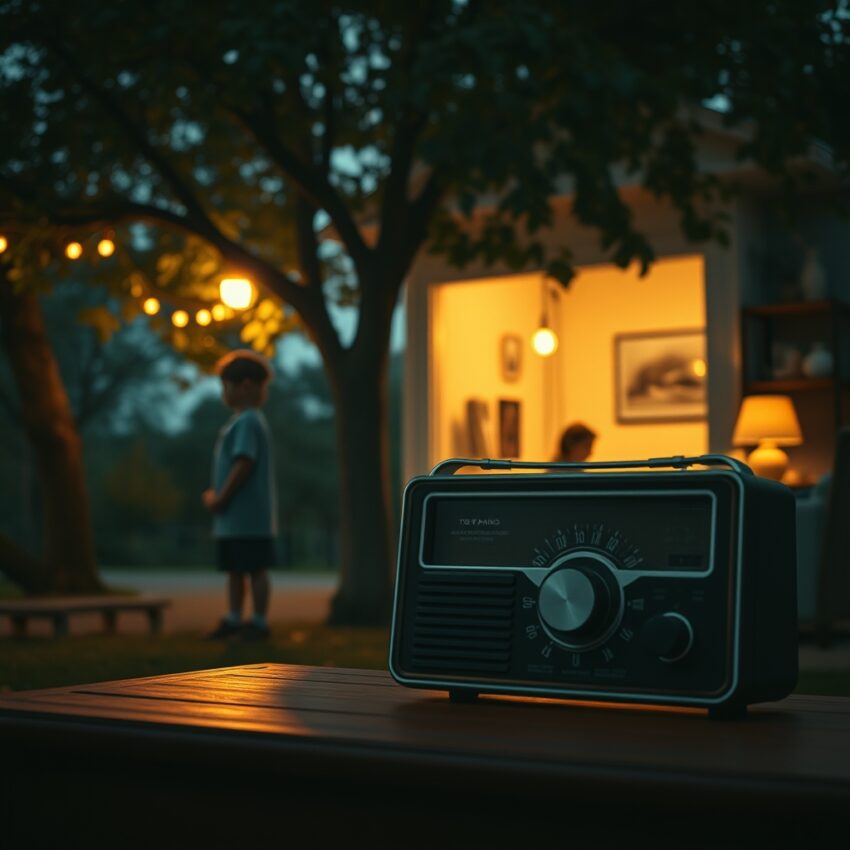
Bir zamanlar bir evin salonunda en büyük merak, avuç içine sığan küçücük bir radyonun içinden gelecek seste toplanırdı. O küçük cihaz, parlak düğmeleri, ince metal ızgarası ve kulağa yaklaştırıldığında hafifçe ısınan gövdesiyle analog çağın en taşınabilir mucizelerinden biriydi. Sabah okul telaşında çantasını aceleyle toplayan bir çocuk, sokak köşesindeki çınarın altında bir an durup kulak kesilirdi; hangi şarkı çalıyor, haberlerde ne söyleniyor, maç sonucu geçmiş mi? Akşam olduğunda aynı radyo bu kez salonun ortasında, kanepe kenarına ya da dantel örtülü sehpaya bırakılır, aile fertleri onun etrafında sessiz bir dikkat halkası oluştururdu. Televizyonun henüz her anı işgal etmediği zamanlarda cep radyosu yalnız bir araç değildi; beklemenin, birlikte dinlemenin ve sesi hayal gücüyle tamamlama alışkanlığının taşıyıcısıydı.
Teknoloji Mirası açısından bakıldığında cep radyosu, mühendisliğin gündelik hayata zarif biçimde girdiği bir dönemin işaretidir. Büyük lambalı radyoların yerini daha taşınabilir modeller almaya başladığında ses ilk kez evin duvarlarından çıkıp sokağa, okul yoluna, parka ve iş arasında verilen kısa molalara eşlik etti. Bu değişim, teknolojinin yalnız küçülmesi değil, hayat ritmine daha yakın hale gelmesi demekti. İnsanlar radyoyu yanlarında taşıyarak dünyayı da yanlarında taşıyabildiklerini hissetti. Yine de asıl önemli olan teknik yenilikten çok, onun yarattığı ortak duyguydu. Salonda toplanan aileler spikerin sesini neredeyse nefes almadan dinler, frekans iyi çekmediğinde cihaz hafifçe çevrilir, antene parmak değdirilir, bir cızırtının ardından gelen net ses küçük bir zafer gibi yaşanırdı. Sessiz heyecan tam da bu yüzden unutulmadı.
Cep radyosunun hafızamızda bu kadar sıcak kalmasının nedeni, onun yalnız işitilen bir nesne değil, paylaşılan bir sahne olmasıdır. Çocuk için radyo, okul yolunda kısa bir özgürlük anıydı; yetişkin için günün haberine yetişmenin, sevilen türküye denk gelmenin ya da maç anlatımını kaçırmamanın yoluydu. Yazın gölgeli bir çınar altında kulağa dayanan küçük cihaz, kışın salon sobasının yanında herkesin yüzünü aynı sese döndürürdü. Arada fısıldaşmalar olur, kimse çok konuşmaz, çünkü yayın akışının içinde belirecek bir cümle kaçırılmak istenmezdi. O bekleyiş, bugünün hızlı tüketilen ses ortamından çok farklıydı. Şimdi istediğimiz her şeye anında ulaşabiliyoruz; ama o dönemde bir şarkıya denk gelmek, bir tiyatro programını yakalamak ya da akşam haberlerini birlikte dinlemek, tesadüfün ve sabrın ürettiği özel bir mutluluktu.
Bugün cep radyosuna bakarken özlediğimiz şey sadece analog teknoloji değildir. Özlenen, sesin etrafında kurulmuş toplu dikkattir. Bir ailenin aynı küçük cihazı dinlerken aynı anda meraklanması, gülmesi, susması ve beklemesi, gündelik hayatın içindeki görünmez bağları güçlendirirdi. Okul yolu telaşıyla çınar gölgesine sığınan çocukla akşam salonda toplanan aile arasında aynı duygusal hat uzanırdı: dünya, ses yoluyla eve ve hayale taşınıyordu. Cep radyosu bu yüzden geçmişte kalmış bir elektronik eşya olmaktan fazlasıdır; o, analog çağın yavaş ama yoğun heyecanını saklayan bir hafıza kabıdır. Küçük boyutuna rağmen koca bir dönemin kulağını ve kalbini içinde taşımış olması, onu bugün bile unutulmaz kılıyor.
🇬🇧 English | The Family Excitement Quietly Enlarged by the Pocket Radio
There was a time when the greatest curiosity in a living room gathered around the sound that would emerge from a radio small enough to fit into a palm. That little device, with its bright knobs, thin metal grille, and body that grew gently warm when held close to the ear, was one of the most portable wonders of the analog age. In the rush of a school morning, a child hurrying with a bag might pause for a moment beneath the shade of a plane tree and listen closely: what song is playing, what do the news say, has the match result been announced? By evening, the same radio would sit in the middle of the living room, beside a sofa or atop a lace-covered table, and the family would form a circle of quiet attention around it. In years before television occupied every moment, the pocket radio was not just a device; it carried the habit of waiting together, listening together, and completing sound with imagination.
From the perspective of technological heritage, the pocket radio marks a period when engineering entered daily life with elegance. As large valve radios gave way to more portable models, sound left the walls of the house for the first time and accompanied the street, the school route, the park, and short pauses between tasks. That change meant not only that technology became smaller, but that it moved closer to the rhythm of life. People felt that by carrying the radio, they were carrying the world with them. Yet what mattered most was not merely the innovation itself, but the shared feeling it produced. Families gathered in the living room would listen to an announcer’s voice almost without breathing; if the frequency failed, the device would be tilted, a finger placed near the antenna, and the clear signal arriving after a burst of static felt like a small victory. That quiet excitement has never truly been forgotten.
The reason the pocket radio remains so warm in memory is that it was not only a heard object, but a shared scene. For a child, it meant a brief freedom on the way to school; for an adult, it offered a way to catch the day’s news, encounter a beloved folk song, or not miss the match commentary. In summer, the small device pressed to the ear under the shade of a tree belonged to the open air; in winter, beside the stove in the living room, it turned every face toward the same sound. There would be whispers in between, yet no one spoke too much, because nobody wanted to miss the sentence that might suddenly appear in the flow of the broadcast. That waiting was very different from today’s instantly consumed audio world. Now we can reach anything at once, but then stumbling upon a song, catching a radio play, or listening to the evening bulletin together created a special happiness shaped by patience and chance.
What we miss when we look back at the pocket radio is not analog technology alone. What is missed is the shared attention built around sound. When a family became curious, amused, silent, and expectant at the same moment while listening to the same little device, invisible bonds inside daily life were strengthened. The child seeking shade on the school road and the family gathering in the living room at night were connected by the same emotional thread: the world was being carried into the home and into the imagination through sound. That is why the pocket radio is more than an electronic object left in the past; it is a vessel preserving the slow but intense excitement of the analog age. Its small size held the ear and the heart of an entire era, which is why it remains unforgettable even now.
🇧🇷 Português (Brasil) | A Emoção Familiar que o Rádio de Bolso Fazia Crescer em Silêncio
Houve um tempo em que a maior curiosidade de uma sala se reunia em torno do som que sairia de um rádio pequeno o bastante para caber na palma da mão. Aquele aparelho, com seus botões brilhantes, a grade metálica fina e o corpo que ficava levemente morno ao ser aproximado do ouvido, era uma das maravilhas mais portáteis da era analógica. Na correria da manhã escolar, uma criança que ajeitava a mochila podia parar por um instante sob a sombra de um plátano e escutar com atenção: que música está tocando, o que disseram nas notícias, já saiu o resultado do jogo? À noite, o mesmo rádio passava a ficar no centro da sala, ao lado do sofá ou sobre uma mesinha com renda, e os membros da família formavam ao redor dele um círculo de atenção silenciosa. Antes de a televisão ocupar cada instante, o rádio de bolso não era apenas um aparelho; ele carregava o hábito de esperar junto, ouvir junto e completar o som com a imaginação.
Do ponto de vista do legado tecnológico, o rádio de bolso marca um período em que a engenharia entrou no cotidiano com elegância. Quando os grandes rádios de válvula começaram a ser substituídos por modelos mais portáteis, o som deixou as paredes da casa e passou a acompanhar a rua, o caminho da escola, a praça e os pequenos intervalos do dia. Essa mudança significou não apenas que a tecnologia ficou menor, mas que se aproximou mais do ritmo da vida. As pessoas sentiram que, ao levar o rádio consigo, levavam também o mundo. Ainda assim, o mais importante não era só a novidade técnica, mas a emoção compartilhada que ela produzia. Famílias reunidas na sala escutavam a voz do locutor quase sem respirar; quando a sintonia falhava, o aparelho era inclinado, um dedo se aproximava da antena, e o som nítido surgindo depois do chiado era vivido como uma pequena vitória. É por isso que aquela emoção silenciosa continua viva.
O rádio de bolso permanece tão quente na memória porque não era apenas um objeto ouvido, mas uma cena partilhada. Para a criança, ele era um breve instante de liberdade no caminho da escola; para o adulto, era a forma de alcançar a notícia do dia, encontrar uma canção querida ou não perder a narração do jogo. No verão, o pequeno aparelho encostado ao ouvido sob a sombra de uma árvore pertencia ao ar livre; no inverno, ao lado do fogão da sala, fazia todos virarem o rosto para o mesmo som. Havia cochichos entre um momento e outro, mas ninguém falava demais, porque ninguém queria perder a frase que pudesse surgir de repente na transmissão. Aquela espera era muito diferente do universo sonoro consumido de modo instantâneo hoje. Agora temos acesso imediato a tudo; naquela época, encontrar por acaso uma música, ouvir um radioteatro ou acompanhar o noticiário da noite em família criava uma felicidade feita de paciência e acaso.
O que sentimos falta ao lembrar do rádio de bolso não é apenas da tecnologia analógica. O que faz falta é a atenção coletiva construída ao redor do som. Quando uma família inteira se surpreendia, sorria, silenciava e esperava ao mesmo tempo diante do mesmo aparelho, os laços invisíveis da vida cotidiana se fortaleciam. A criança que se abrigava sob a sombra no caminho da escola e a família reunida na sala à noite eram ligadas pela mesma linha emocional: o mundo entrava na casa e na imaginação pela voz. Por isso, o rádio de bolso é mais do que um aparelho eletrônico do passado; ele é um recipiente de memória que guarda a emoção lenta e intensa da era analógica. Mesmo pequeno, carregou dentro de si o ouvido e o coração de uma época inteira, e é isso que o torna inesquecível ainda hoje.